Fishing Techniques After a Cold Front
There's nothing quite as frustrating as planning a much-anticipated fishing trip to your favorite Indiana lake or river, only to wake up to a sudden cold front. That crisp, clear air feels great to us, but for the fish, it can completely shut down the bite, leaving you wondering where they went and how to entice them. This comprehensive guide will walk you through exactly what happens to fish after a cold front moves through and, more importantly, equip you with the techniques and tactics you need to still find success on the water.
Understanding How Cold Fronts Impact Fish Behavior
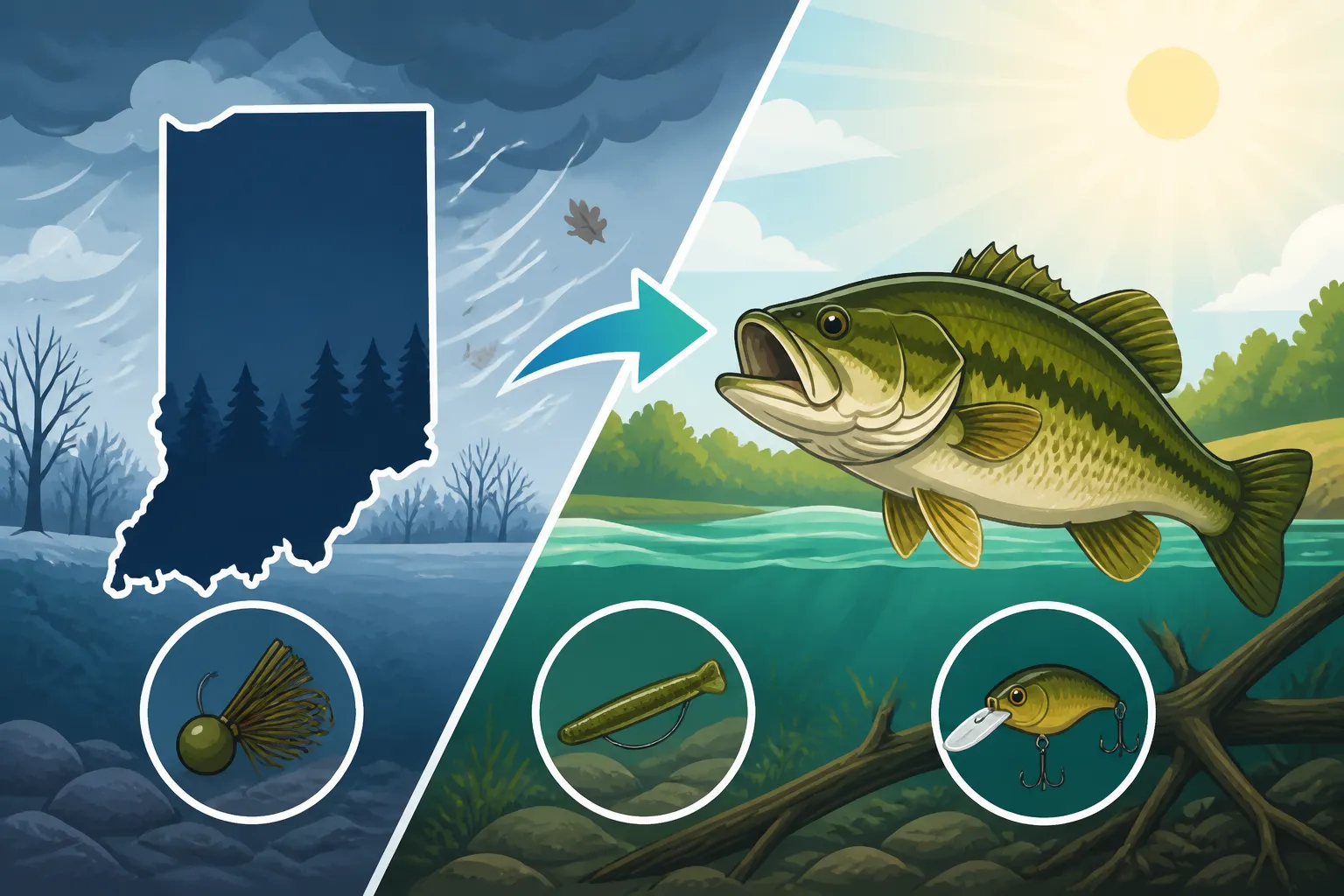
When a cold front rolls into Indiana, it doesn't just bring cooler air; it triggers a cascade of changes that profoundly affect fish behavior. It's not just about comfort; it's about survival for these cold-blooded creatures, and understanding these shifts is your first step toward cracking the code. Many anglers just assume fish stop biting, but there's a lot more nuance to it.
The Sudden Drop in Water Temperature
Fish are ectothermic, meaning their body temperature mirrors that of their surrounding water. When a cold front pushes through, especially after a period of stable or warm weather, the sudden drop in air temperature quickly starts to cool the surface water. This rapid change signals a physiological shift in the fish. Their metabolism slows down considerably, making them less active and more lethargic. Imagine trying to run a marathon right after being woken up from a deep sleep – that's a bit how they feel.
This isn't to be confused with the gradual cooling that happens in fall, which actually triggers a feeding frenzy. A sudden cold front, however, creates shock. Fish will often seek out areas where the water temperature is more stable, even if it's only a degree or two warmer. This usually means deeper water, or dense cover that acts as a buffer against the surface temperature fluctuations. If you've ever felt that sharp chill in the air and then found the fish completely gone from their usual haunts, this is a major reason why.
Barometric Pressure Changes and Fish Comfort
Beyond temperature, cold fronts are synonymous with rising barometric pressure, which often results in those gorgeous, clear blue skies we associate with cool, crisp mornings. While beautiful for us, this high-pressure system can be quite uncomfortable for fish. Their swim bladders, which help them maintain buoyancy, are highly sensitive to these pressure changes. When the pressure increases, it can cause their swim bladders to compress, making them feel uneasy and prompting them to seek out deeper water where the pressure is more constant and less intense.
Think of it like us traveling to a high altitude – some people get headaches or feel off. Fish experience a similar sensation, prompting them to move to depths where they can equalize the pressure in their bladders more comfortably. This is a significant factor in why your favorite shallow coves, which were teeming with bass yesterday, can seem completely empty today. It’s not that they vanished; they simply retreated to more stable, often deeper, environments to escape the discomfort. Understanding How Weather Affects Fish Feeding Patterns is crucial for adapting your strategy.
Altered Feeding Patterns and Metabolism
With their metabolism slowed and their comfort levels compromised, fish simply aren't as hungry or aggressive after a cold front. Their need for food decreases significantly, and they become much more selective. Those big, flashy lures that worked wonders before the front? They're likely to be ignored or even spook the now-wary fish. This is a stark contrast to the pre-front conditions, where fish might gorge themselves in anticipation of the coming changes.
The fish that do decide to bite will often do so with a very light touch, almost a "mouthing" rather than an aggressive strike. This makes bite detection incredibly challenging and requires a different level of focus and sensitivity in your tackle. You're not looking for a reaction strike anymore; you're trying to tempt an unwilling participant. This shift in metabolism means they conserve energy, and chasing down a fast-moving meal just isn't worth the effort.
Locating Fish After a Cold Front in Indiana
The biggest challenge after a cold front isn't just getting a fish to bite, it's finding them in the first place. Their usual hangouts often become barren, forcing you to think like a fish and predict their new comfort zones. This requires a keen eye for structure and an understanding of thermal refuges.
Seeking Deeper Water and Thermal Cover
As discussed, fish often retreat to deeper water to escape the fluctuating surface temperatures and stabilize their swim bladders against rising barometric pressure. This is particularly true for larger, open-water species like walleye or larger bass. On a lake like Monroe Lake, Indiana's largest reservoir, or the sprawling Patoka Lake, this could mean moving from shallow bays to main lake points that drop off into significant depths, or suspending over deep channels.
For these fish, even a slight increase in stability and warmth a few feet deeper can make all the difference. Don't be afraid to target areas that are 15-30 feet deep, or even deeper, depending on the lake and species. Look for sudden depth changes, ledges, or humps in the middle of the lake. These deep-water structures provide both thermal refuge and a sense of security from overhead predators in the now-clearer water.
Targeting Dense Cover and Structure
While some fish go deep, others will bury themselves in the thickest cover they can find. This could be dense submerged weed beds, fallen trees, brush piles, or large rock formations. This cover serves a dual purpose: it offers physical protection from predators, which become more effective in the clearer post-front water, and it can act as a thermal buffer, stabilizing the water temperature slightly compared to open water.
Imagine a dense mat of lily pads or a thick underwater brush pile. The water within that cover might be a degree or two warmer and much more stable than the surrounding open water. Bass, crappie, and even some panfish will wedge themselves deep into this cover, becoming almost completely inactive. You'll often need to present your bait right on their nose to elicit a strike. Exploring Best Fishing Lakes in Indiana by Region can help you identify lakes with good deep water and cover options.
The Importance of Sunny Banks and Dark Bottoms
Sometimes, the sun can be your ally, even after a cold front. On a bright, clear day following a cold front, certain shallow areas can warm up faster than others. Look for north-facing banks that get direct sunlight for longer periods, or shallow flats with dark, muddy bottoms. Darker bottoms absorb more heat, and even a few extra degrees can draw in a few more active fish. These spots might not hold a ton of fish, but the ones you find there might be more willing to bite.
This is a great tactic for bank anglers or those in smaller boats looking for a few opportunistic bites. Think shallow rock beds, dark mud flats, or even the sunny side of docks and piers. While the majority of fish might be deep and lethargic, a few will invariably venture into these slightly warmer, sun-drenched zones in search of a quick meal. You might only have a narrow "warm-up window" during the peak sunlight hours of the day, so it's essential to capitalize on it. You can learn more about finding these specific spots in Best Shore Fishing Spots in Indiana.
Adjusting Your Presentation: Slower and Smaller
Once you've managed to locate fish after a cold front, the real challenge begins: getting them to bite. This isn't the time for aggressive power fishing; it's the time for finesse, patience, and subtlety. You need to think like a cold, tired fish and offer them a meal that requires minimal effort.
Downsizing Baits and Lures
This is perhaps the most critical adjustment you can make. Fish are lethargic, their metabolism is slow, and they're not looking to chase a big meal. Instead, they want something small, easy to swallow, and right in front of their face. This means scaling down your typical lure sizes significantly. If you were throwing a 1/2 oz spinnerbait, switch to a 1/4 oz or even 1/8 oz jig. If you were using a 5-inch stick bait, try a 3-inch version.
For bass, instead of a large jig, opt for a small finesse worm or creature bait on a lighter jig head. For crappie, tiny jigs or minnows become even more effective. Walleye might respond better to small, subtle crankbaits or even just a jig tipped with a piece of crawler or a small minnow. Even the colors can matter, with more natural or darker hues often outperforming bright, flashy ones in the clear, post-front water. Remember, you can always find a wide variety of these downsized options, from soft plastics to tiny crankbaits, on Amazon.
Slowing Down Your Retrieve
This goes hand-in-hand with downsizing. An aggressive, fast retrieve will almost certainly spook cold-front fish. They simply don't have the energy or the inclination to chase. You need to present your bait in a way that suggests an easy meal, something that's practically handed to them. This means excruciatingly slow retrieves, long pauses, and minimal action.
For jigs or soft plastics, let them sit on the bottom for extended periods, sometimes 10-20 seconds or even longer, before barely twitching them. When using a suspending jerkbait, let it sit motionless for up to a minute between twitches. The idea is to make the bait appear injured or dying, an easy target for a sluggish fish. If you feel like you're retrieving too slowly, you're probably still going too fast. This requires a lot of patience and goes against our natural instinct to keep the lure moving, but it's vital for success.
Finesse Techniques for Finicky Fish
When fish are incredibly finicky, standard techniques often fail. This is where finesse fishing truly shines. These techniques are designed to present small baits in the most natural and subtle way possible, tempting even the most reluctant biters.
One excellent option is the Ned Rig. This involves a small mushroom-style jig head paired with a short, buoyant soft plastic bait (often called a "TRD"). The buoyancy of the plastic causes it to stand straight up off the bottom, mimicking a small foraging baitfish or crawfish. It's incredibly subtle and effective for bass, particularly smallmouth, that are shut down.
Another fantastic choice is the Drop Shot Rig. This rig presents a soft plastic bait (like a small worm or creature bait) horizontally off the bottom, above a lead weight. This allows the bait to suspend at a specific depth, right in the fish's strike zone, while you gently shake the line to impart subtle action without moving the weight. It's deadly for bass suspended near structure or even walleye holding tight to drop-offs.
A Shaky Head Jig with a finesse worm is also a staple. The weedless presentation allows you to work it through cover, and the worm quivers with the slightest rod tip movement, mimicking an injured prey item. These are just a few examples of how you can adapt to the post-cold front conditions, and you'll find a wide array of specialized finesse tackle on sites like Amazon. Mastering these presentations will significantly increase your chances of success when the bite gets tough.
Top Lures and Baits for Post-Cold Front Fishing
Choosing the right lure or bait is critical, but it's even more about how you present it. After a cold front, you want offerings that are either highly subtle and natural or that can be fished with long pauses and minimal movement. Forget the flashy, aggressive stuff for now.
Jigs and Soft Plastics
Jigs, especially those dressed with small soft plastic trailers, are absolutely essential for post-cold front fishing. A simple jig and pig (a small jig with a pork or soft plastic trailer) crawled agonizingly slow across the bottom, imitating a sluggish crawfish, can be deadly for bass. For crappie, tiny tube jigs or micro-jigs tipped with a wax worm or a crappie nibbler, fished vertically around brush piles, are often the only thing that will get a bite.
The key with soft plastics is choosing realistic colors (greens, browns, blacks, natural baitfish patterns) and shapes that mimic dying prey. Finesse worms, small creature baits, and even tiny swimbaits on light jig heads are perfect. The Ned Rig, as mentioned, falls squarely into this category. Its unique head shape allows it to stand up off the bottom, giving your plastic incredible action even when paused. Don't be afraid to experiment with different plastic shapes, all readily available for purchase on Amazon, but always maintain a slow, deliberate retrieve.
Suspending Jerkbaits
When bass are suspended in the water column, perhaps over a deep point or along a bluff wall, a suspending jerkbait can be a game-changer. These lures are designed to literally hang motionless in the water at a specific depth when you stop retrieving, perfectly imitating a stunned or dying baitfish. The post-cold front strategy is all about the pause.
Cast your jerkbait, crank it down to its running depth, and then pause. And pause. And pause some more. Often, the strike will come on these long pauses. The clear water after a cold front means fish have excellent visibility, and a perfectly still bait can be too tempting to resist, even for a lethargic bass. Brands like Rapala, Lucky Craft, and Megabass are well-known for their suspending jerkbaits, and a quick search on Amazon will reveal countless options to fill your tackle box. Experiment with different colors, but again, natural baitfish patterns usually perform best.
Live Bait Presentations
Sometimes, when fish are completely shut down, nothing beats the real thing. Live bait offers natural scent, movement, and a texture that artificial lures simply can't replicate. If you're struggling to get bites on artificials, switching to live bait can often salvage a tough day.
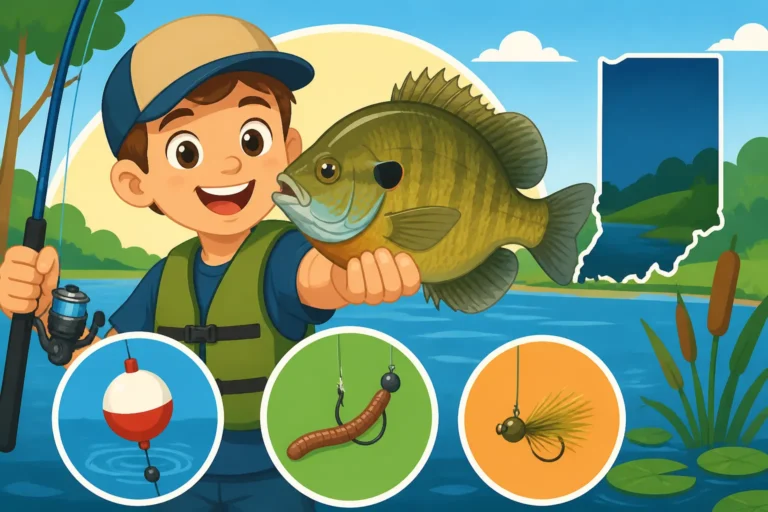
For crappie and bluegill, a tiny live minnow or a red wiggler worm fished under a bobber or on a small jig head can be incredibly effective. For walleye, a shiner or a nightcrawler drifted slowly on a plain hook or a bottom bouncer rig can tempt bites. Even bass will sometimes take a live shiner or a large nightcrawler when they refuse everything else. The natural, subtle movements of live bait make it irresistible to inactive fish, offering an easy, high-protein meal. This method requires patience, as fish might take their time to mouth the bait before fully committing, so a sensitive touch and good bite detection are paramount. For more on tempting stubborn fish, check out our guide on Best Bait for Channel Catfish in Indiana Rivers, as many principles apply.
Blade Baits and Spoons (Vertical Jigging)
When you've located fish schooled up in deeper water, perhaps on a channel swing or a steep break line, blade baits and spoons excel at vertical jigging. These lures are heavy for their size, allowing them to drop quickly to depth, and their fluttering action on the fall, followed by a sharp "thump" when jigged, can trigger reaction strikes even from inactive fish.
A blade bait like a Silver Buddy or a Heddon Sonar vibrates intensely when ripped upwards, mimicking a fleeing baitfish. A jigging spoon, such as a Kastmaster or a Johnson Silver Minnow, flutters enticingly on the fall. The key is to drop the lure directly onto the fish you see on your electronics, then lift and drop it with sharp, controlled movements, pausing between lifts. This technique is particularly effective for walleye and bass suspended over deep structure, where they might be less likely to chase a horizontally presented lure. Make sure your retrieve mimics a struggling baitfish, not a healthy one.
Tackle and Gear Considerations
A cold front doesn't just change how fish behave; it demands adjustments to your fishing tackle. The subtle bites and lethargic movements of post-front fish mean you need gear that maximizes sensitivity and allows for delicate presentations. This isn't the time to rely on heavy-duty, insensitive equipment.
Lighter Line and More Sensitive Rods
To detect those incredibly subtle "taps" and "mouthing" bites, you need the most sensitive setup possible. This starts with your fishing line. Switching to lighter test line – often 6-8 pound fluorocarbon or monofilament for finesse applications – reduces line visibility in the now-clearer water and significantly improves sensitivity. Fluorocarbon, in particular, has low stretch and is virtually invisible underwater, making it an excellent choice.
Paired with lighter line, a highly sensitive rod is non-negotiable. Look for medium-light to medium power spinning rods with a fast or extra-fast action. These rods typically have a very sensitive tip that tapers quickly into a strong backbone, allowing you to feel the slightest tick yet still have the power to set the hook. Graphite rods are generally more sensitive than fiberglass. Using the right rod and reel can make all the difference, especially when you're targeting bass after a cold front. You can dive deeper into selecting the right gear with our guide on Best Fishing Rods and Reels for Freshwater Fishing.
Selecting the Right Reels for Finesse Fishing
For most post-cold front finesse techniques, a high-quality spinning reel is often preferred over a baitcasting reel. Spinning reels excel at casting lighter baits, which you'll be using a lot of, and their open-face design allows for incredibly smooth line management and delicate presentations. Look for reels with a smooth, reliable drag system, as this will be crucial when a finicky fish finally decides to bite and makes a sudden run on lighter line.
A good 2500 or 3000 series spinning reel provides a balanced setup for your finesse rod, offers sufficient line capacity for most Indiana fishing scenarios, and has the retrieval speed to handle various techniques. A smooth retrieve and minimal wobble are key for maintaining the subtle action of your lures and detecting those faint bites. Considering your options before you buy is essential, and our guide on Best Spinning Reels for Bass Fishing can offer further insights.
Essential Accessories for Cold Weather
While not directly related to fish behavior, your comfort and ability to focus become even more critical when fishing in post-cold front conditions. Cold weather can lead to numb fingers, shivering, and a general lack of concentration, all of which will hinder your ability to detect light bites and execute delicate presentations.
Layering is key: wear moisture-wicking base layers, insulating mid-layers, and a waterproof/windproof outer shell. A good pair of insulated, waterproof gloves that still allow for dexterity is invaluable, as are warm hats and neck gaiters. Hand warmers (the disposable kind found on Amazon are great) can be a lifesaver, keeping your hands warm enough to tie knots and feel bites. Don't forget insulated, waterproof boots. Being miserable on the water won't help you catch fish; being comfortable will keep you focused and ready for that subtle strike.
Beyond the Basics: Advanced Tactics and Patience
Even with the right gear and bait, post-cold front fishing often pushes anglers to their limits. Success in these conditions isn't just about technique; it's about mindset, persistence, and intelligent use of technology.
The "One More Cast" Mentality and Persistence
When fish are lethargic and spread out, it's easy to get discouraged. You might go long stretches without a bite, and the temptation to move to a new spot or switch tactics aggressively can be strong. However, after a cold front, persistence often pays off more than constant movement. Fish are less likely to chase, so thoroughly working a productive piece of cover or structure, even if it means dozens of casts to the same spot, is crucial.
Adopt the "one more cast" mentality, but apply it to your spot, not necessarily your casting angle. Work every inch of a brush pile, a rock cluster, or a deep drop-off from multiple angles with painstakingly slow retrieves. That one small, subtle adjustment in your presentation or trajectory could be the difference between an empty livewell and a keeper. Remember that post-cold front fishing is a grind, and the reward often comes to those who outlast the tough conditions.
Utilizing Electronics for Fish Location
Your fish finder becomes an invaluable tool after a cold front, especially when fish retreat to deeper water or tight cover. Instead of blind casting, use your sonar, down imaging, and side imaging to pinpoint exactly where fish are holding. Look for fish suspended in the water column, nestled tight to cover, or stacked on deep structure.
Modern fish finders, like those from Humminbird or Lowrance, can help you identify subtle changes in bottom contour, submerged timber, or even schools of baitfish that might indicate predator activity. If you see fish on your screen, you know you're in the right area, even if they aren't actively biting. This allows you to focus your efforts and present your lures precisely where the fish are. Without electronics, locating these inactive, deep-water fish becomes significantly more challenging. To learn more about getting the most out of your boat's tech, consult our guide on Best Fish Finders for Indiana Lake Fishing.
Understanding the "Warm-Up Window"
While the immediate aftermath of a cold front is tough, fishing conditions can sometimes improve slightly after a day or two of stable, sunny weather. As the sun continues to warm the water, especially in specific areas like those dark-bottomed flats or sunny banks, fish might become marginally more active. This creates what's sometimes called a "warm-up window."
This window often occurs during the warmest part of the day, typically late morning to mid-afternoon. During this time, you might find a few more aggressive bites, or fish that were completely dormant might start to move. Pay close attention to subtle shifts in water temperature, which you might be able to detect with your electronics, or simply by the feel of the water in very shallow areas. This slight increase in activity doesn't mean a return to pre-front conditions, but it offers a brief period where your chances of success are significantly higher. This is also important to consider when thinking about Best Time of Year to Fish in Indiana.
Post-Cold Front Fishing Strategy Summary
To help you consolidate these crucial adjustments, here's a quick reference table outlining the key strategies for tackling those tough post-cold front conditions.
| Strategy | Key Action | Target Species Example | Lure/Bait Example |
|---|---|---|---|
| Locating Fish | Deeper water, dense cover, sunny banks/dark bottoms | Bass, Walleye, Crappie | Electronics, thorough searching |
| Downsizing | Use smaller lures/baits | All species | 3" soft plastics, 1/8 oz jigs, tiny minnows |
| Slowing Down | Agonizingly slow retrieves, long pauses | All species | Suspending jerkbaits, Ned rigs, live bait |
| Finesse | Subtle presentations, light tackle | Bass, Crappie, Walleye | Drop shot, Shaky head, Micro jigs |
| Live Bait | Natural scent and movement | Panfish, Walleye, Catfish | Minnows, Worms, Nightcrawlers |
| Vertical Jigging | When fish are deep and schooled | Walleye, Bass | Blade baits, Jigging spoons |
| Patience | Work spots thoroughly, endure slow periods | All species | Persistence, focus |
Disclaimer
Fishing regulations, license requirements, and local conditions can change. Always consult the most current Indiana Department of Natural Resources (IDNR) guidelines before heading out on the water. This guide is for informational purposes only and does not replace official regulations or expert local advice. Fishing inherently carries risks; please prioritize safety on and around the water.