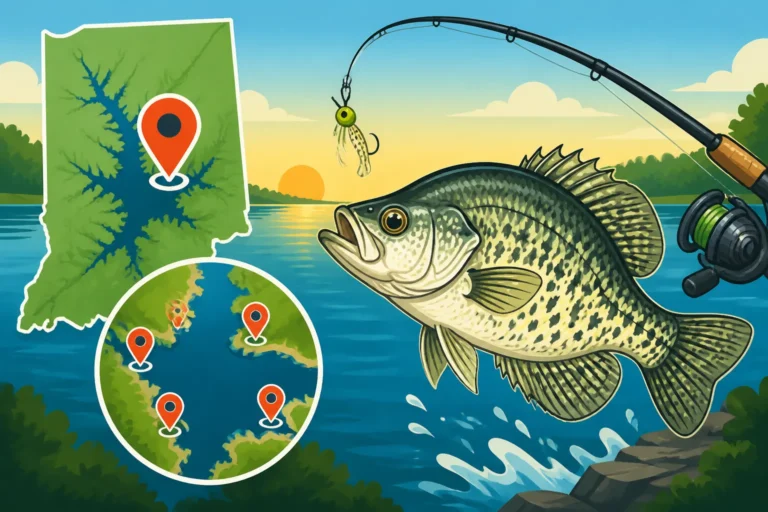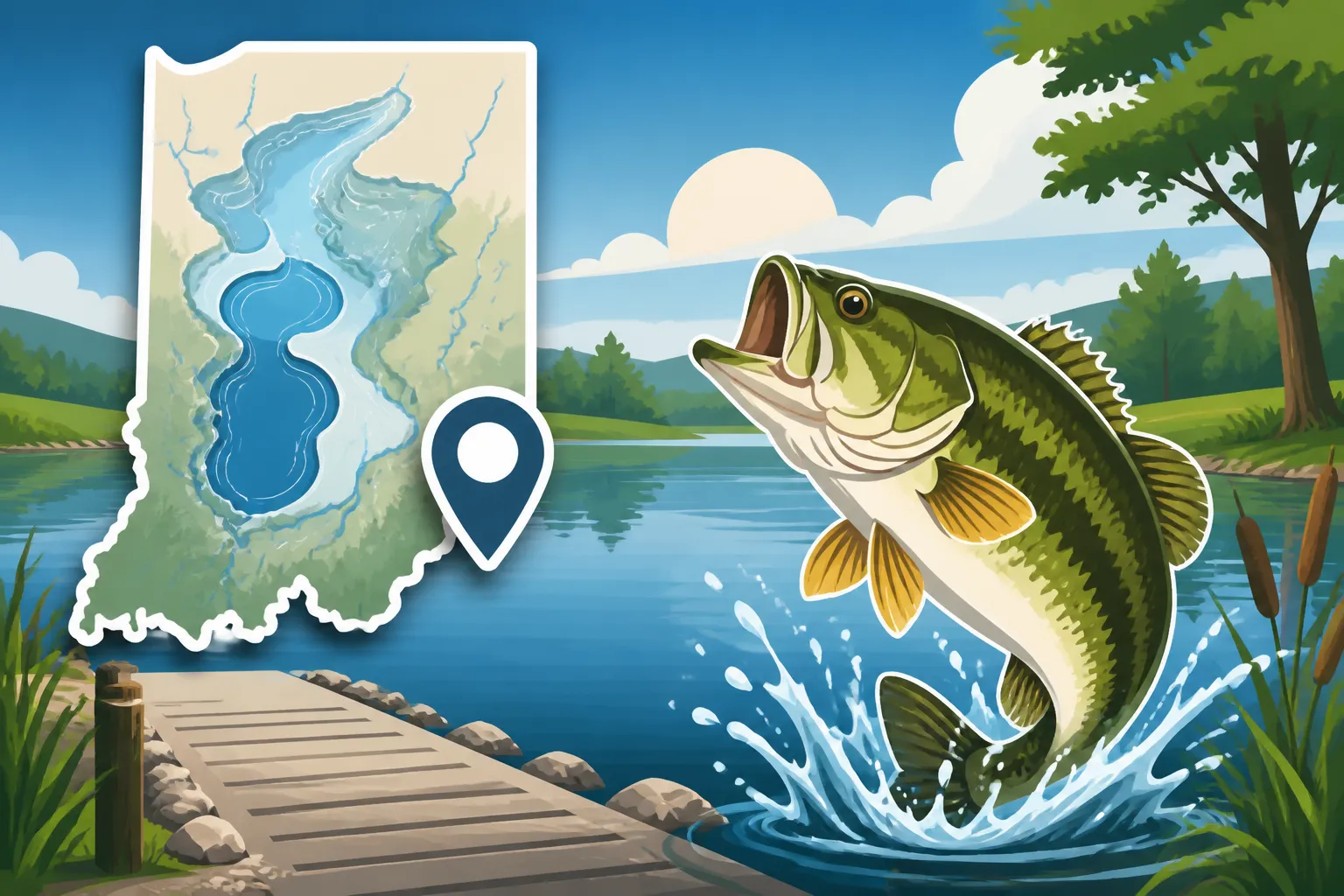
Indiana’s Glacial Lake Region Fishing Access Guide
Anglers often dream of clear waters and trophy fish, but knowing where to go and how to access those hidden gems can be a real headache, especially in a diverse state like Indiana. If you've been longing to explore the legendary fishing opportunities within Indiana's stunning Glacial Lake region, you're in the right place. This comprehensive guide will walk you through everything you need to know to confidently plan your next angling adventure, from identifying key lakes to understanding various access points.
Unveiling Indiana's Glacial Lake Region for Anglers
Indiana might not be the first state that comes to mind when you think of vast, clear glacial lakes, but trust me, we've got a fantastic, often-underestimated corner of the state that's a true angler's paradise. This region, primarily nestled in the northeastern part of the state, particularly Kosciusko and Steuben counties, is a testament to the powerful geological forces of ancient glaciers. These retreating ice sheets carved out thousands of deep, clean lakes and left behind rich, fertile soils, creating an ideal habitat for a wide variety of sought-after game fish.
The Formation and Geography of These Unique Waters
Imagine colossal sheets of ice, slowly grinding their way across the landscape thousands of years ago. As these glaciers retreated, they left behind depressions filled with meltwater, forming the hundreds of lakes we now cherish. These lakes are characterized by their varying depths, often featuring steep drop-offs, expansive shallow flats, and intricate underwater structures like old timber and submerged vegetation. This diverse topography provides prime real estate for fish, offering them ample places to feed, hide, and spawn throughout the year. The water clarity in many of these lakes is also noticeably better than some of Indiana's other waterways, which is a huge bonus for sight fishing and understanding fish behavior.
The sheer number of interconnected lakes and smaller ponds creates a sprawling aquatic ecosystem. You might find a small, secluded lake perfect for panfish just a short drive from a sprawling, deep lake known for its challenging muskie population. This geographical blessing means that no matter your preferred fishing style or target species, there’s likely a perfect spot waiting for you. It's truly a unique part of our state, offering a different kind of fishing experience than what you might find in the large reservoirs further south.
Signature Fish Species of the Glacial Lakes
When you talk about the Glacial Lakes, you're talking about prime habitat for some of Indiana's most exciting sport fish. These waters are especially renowned for their impressive populations of northern pike, walleye, and, most famously, muskellunge. These predatory species thrive in the cooler, clearer waters and complex structures that these lakes offer.
Northern Pike, with their toothy grins and aggressive strikes, are abundant in many of these lakes, offering thrilling action, especially in the spring and fall. They love weed lines and submerged timber, often ambushing their prey from cover. Walleye, known for their elusive nature and delicious fillets, prefer deeper, cooler water and can be a fantastic challenge for anglers, particularly around dawn and dusk or at night. If you're looking for where to target these elusive fish, you'll want to read our dedicated guide on Best Walleye Fishing in Indiana. Then there's the Muskellunge – the "fish of 10,000 casts." These apex predators grow to immense sizes in the Glacial Lakes, and hooking into one is an unforgettable experience. Lakes like Webster and James Lake are particularly famous for their muskie populations, and if you want to know more about fishing for these giants, check out our Muskellunge Fishing in Indiana: What Anglers Need to Know guide. Beyond these giants, you'll also find healthy populations of largemouth bass, various panfish like bluegill and crappie, and occasionally smallmouth bass, especially in lakes with rocky structures.
Why This Region is a Premier Fishing Destination
For many Hoosier anglers, and even those from neighboring states, the Glacial Lake region represents the pinnacle of freshwater fishing in Indiana. It's not just the variety of trophy-sized fish, but the overall experience. The natural beauty, the relative peace and quiet compared to busier recreational lakes, and the distinct challenge each species presents combine to create a truly rewarding trip. Whether you're a seasoned pro with specialized gear or a family looking to catch some panfish for dinner, these lakes offer something special.
The Indiana Department of Natural Resources (IDNR) works hard to manage these fisheries, with stocking programs for walleye and muskie, and careful management of habitat to ensure these populations remain healthy and robust for generations to come. This ongoing effort makes the Glacial Lakes a consistently reliable destination for quality fishing, year after year. It's a place where you can truly immerse yourself in the sport and the natural environment.
Top Glacial Lakes and Their Access Points
The Glacial Lake region is a sprawling network, but a few key lakes stand out as must-visit destinations for anglers. Knowing their unique characteristics and how to access them is crucial for a successful trip.
Lake Wawasee: Indiana's Largest Natural Lake
Lake Wawasee, located in Kosciusko County, holds the esteemed title of Lake Wawasee: Indiana's Largest Natural Lake. This expansive body of water, covering over 3,000 acres, is a fantastic multi-species fishery. While it's a popular spot for recreation, its size and diverse habitat mean there are always quiet coves and deep structures where fish congregate. Wawasee is particularly known for its largemouth bass, northern pike, and a thriving walleye population. Many anglers also find excellent crappie and bluegill action around its numerous docks and weed lines.
Access to Lake Wawasee is primarily through public boat ramps. The main public access site is on the lake's south side, near Syracuse, which features multiple ramps and ample parking, even for larger trailers. There are also several private marinas that offer daily launch fees. For shore anglers, access can be a bit more challenging due to private ownership around much of the lake, but public parks like Lakeside Park in Syracuse offer some limited shoreline access, especially for panfish. When planning a trip, consider checking with local bait shops in Syracuse or Cromwell for the latest conditions and hot spots.
James Lake: Home of Indiana's State Muskie Record
Just a stone's throw from Lake Wawasee, also in Kosciusko County, lies James Lake, famous for being the James Lake and Indiana's State Muskie Record holder. While not as large as Wawasee, James Lake, along with its connected waters of Lake Webster and Backwater Lake, is arguably one of the best muskie fisheries in the entire Midwest. It's a challenging lake, as muskie fishing always is, but the potential for a true trophy fish keeps anglers coming back. It also holds good numbers of northern pike and some solid bass.
Public access to James Lake is primarily via the public boat ramp located off SR 13 on the east side of Lake Webster. From there, you can navigate to James Lake through a channel. This means you'll need a boat to effectively fish James Lake. Shore fishing is virtually non-existent due to private property. This is a lake where hiring a local guide, perhaps found through a platform like FishingBooker, can be incredibly beneficial, especially if you're targeting muskie for the first time. Their expertise in navigating the lake and understanding muskie patterns can significantly increase your chances of success.
Kosciusko County Lakes: Pike and Walleye Havens
Kosciusko County is truly the heart of the Glacial Lake region, boasting over 100 natural lakes. Beyond Wawasee and James, other notable lakes like Webster Lake (connected to James Lake), Tippecanoe Lake, and Syracuse Lake offer fantastic fishing opportunities. These lakes, like many in the county, are prime for Kosciusko County's Best Lakes for Northern Pike and hold strong walleye populations. Tippecanoe Lake, for instance, is Indiana's deepest natural lake, reaching depths of over 120 feet, providing excellent cold-water habitat.
Most of these lakes have well-maintained public boat ramps managed by the IDNR or local municipalities. You can find many of these public access points detailed in guides like Best Public Fishing Access Points in Indiana. Shore access varies wildly, but many small towns have public parks with piers or stretches of shoreline open for fishing. Some smaller, lesser-known lakes in Kosciusko County might only have carry-in access, perfect for kayaks or canoes, offering a more secluded experience. It's always a good idea to consult a local map or the IDNR's Where to Fish guide before heading out.
Steuben County Lakes: Walleye and Panfish Galore
Venturing east into Steuben County, you'll find another incredible concentration of glacial lakes, often characterized by their clean, clear waters and excellent fishing. Lakes such as Lake James, Crooked Lake, and Lake George are popular destinations. Steuben County is particularly known for its Steuben County Lakes for Walleye Fishing, offering some of the best opportunities in the state for these sought-after fish. Beyond walleye, these lakes are teeming with abundant panfish, making them excellent spots for family fishing trips or beginners. You'll find plenty of bluegill, crappie, and even yellow perch here.
Access to these lakes is typically excellent. Lake James, for example, is part of Pokagon State Park, which provides multiple public boat ramps, a marina, and extensive shoreline access within the park boundaries. Many other lakes also have public access sites, often with good facilities. Given the clarity of these lakes, sight fishing for panfish around docks and weed beds can be incredibly productive, and many public piers provide great spots for casting. It’s a bit different than the muskie-focused waters of Kosciusko, offering a broader array of species that are often easier to catch.
| Lake Name | County | Primary Target Species | Typical Access | Special Notes |
|---|---|---|---|---|
| Lake Wawasee | Kosciusko | Bass, Pike, Walleye, Panfish | Public Ramps, Private Marinas | Largest natural lake, popular recreational spot. |
| James Lake | Kosciusko | Muskie, Pike | Boat (via Lake Webster) | Indiana state record muskie lake. |
| Webster Lake | Kosciusko | Muskie, Walleye, Bass | Public Ramps | Connected to James Lake. |
| Tippecanoe Lake | Kosciusko | Bass, Walleye, Panfish | Public Ramps | Deepest natural lake in Indiana. |
| Lake James | Steuben | Walleye, Bass, Panfish | Public Ramps, State Park | Clear water, part of Pokagon State Park. |
| Crooked Lake | Steuben | Walleye, Bass, Panfish | Public Ramps | Good for a variety of species. |
Practical Access and Fishing Strategies for the Glacial Lakes
Navigating new fishing waters can be intimidating, but with a bit of planning and the right approach, you can unlock the full potential of Indiana's Glacial Lakes.
Public Boat Ramps and Marinas
For serious anglers targeting muskie, walleye, or deep-water bass, a boat is often essential. Thankfully, the IDNR and local communities have provided numerous public boat ramps across the Glacial Lake region. These ramps are generally well-maintained, offering concrete surfaces, ample parking for trailers, and sometimes even courtesy docks. Before you head out, always double-check the ramp conditions, especially during early spring or late fall when water levels might be lower. Remember to have your Indiana boat registration in order, and ensure you have all required safety gear onboard.
For those without their own boat, many marinas around these larger lakes offer boat rentals, ranging from pontoons for family outings to smaller fishing boats. This can be a great option for visitors who want to explore without the hassle of trailering a boat. Some marinas also offer guide services, which can be invaluable for pinpointing active fish, especially if you're new to the specific lake or species. Checking a site like FishingBooker can help you find and compare local guides who specialize in the Glacial Lakes region.
Shore Fishing Opportunities
While many of the larger Glacial Lakes have extensive private shorelines, there are still good opportunities for bank anglers, especially for panfish and smaller bass. Public parks, city access points, and some state recreational areas often feature fishing piers, docks, or designated shoreline areas where you can cast a line. These spots are fantastic for introducing kids to fishing, as they often provide easier access to catchable fish like bluegill and crappie. Just be prepared that trophy-sized fish might be harder to reach from shore, as they often hold in deeper, more remote structures.
For shore fishing, focus on areas with natural cover like lily pads, cattails, or fallen trees. Public docks and bridge pilings can also be magnets for panfish and bass. A simple bobber-and-worm setup, or a small jig, is often all you need for success from the bank. Always be mindful of posted signs and respect private property boundaries to ensure these public access points remain open for everyone.
Choosing the Right Gear and Techniques
The diverse species and structures of the Glacial Lakes mean that having versatile gear can be a huge advantage. For muskie and pike, you'll need heavy-duty baitcasting setups with strong lines and wire leaders to handle their sharp teeth and powerful runs. Muskie anglers often use large bucktails, jerkbaits, and soft plastics. Our guide on Northern Pike Fishing in Indiana: A Complete Guide offers more specific tackle advice.
For walleye, lighter spinning gear with sensitive rods is preferred for detecting their subtle bites. Jigs, crankbaits, and live bait rigs (like slip bobbers with minnows or nightcrawlers) are all effective. Trolling with crankbaits is also a popular technique, especially on larger lakes like Wawasee and Lake James. Bass anglers will find success with a range of techniques, from Texas-rigged worms in cover to topwater lures over weed beds. And for panfish, an ultralight spinning combo with small jigs, spoons, or live bait (worms, crickets) is perfect. Remember to match your tackle to your target species and the conditions you're fishing.
Booking a Trip with a Local Guide
One of the best ways to experience the Glacial Lakes, especially if you're targeting specific species like muskie or walleye, is to hire a local fishing guide. These guides spend countless hours on the water, tracking fish movements, understanding seasonal patterns, and knowing the intricacies of each lake. They can provide all the specialized gear, bait, and local knowledge you need to maximize your chances of success.
Guides are particularly beneficial for muskie fishing, where the learning curve can be steep. They'll teach you casting techniques, how to "figure-eight" at the boat, and what baits are working best. Platforms like FishingBooker can help you connect with experienced guides in the Syracuse, Warsaw, or Angola areas, allowing you to compare their specialties, rates, and availability. It’s an investment that often pays dividends in both fish caught and lessons learned, turning a potentially frustrating day into a memorable one.
Essential Planning for Your Glacial Lakes Adventure
A successful fishing trip is about more than just getting to the water; it's about preparation. Understanding the rules, knowing the best times to fish, and being a responsible angler are all part of the experience in Indiana's Glacial Lake region.
Understanding Licenses and Regulations
Before you even think about casting a line, make sure your paperwork is in order. Every angler 18 years of age and older needs an Indiana fishing license. If you're specifically targeting trout or salmon in certain waters (though less common in the pure Glacial Lakes, it's good to know for nearby rivers or Lake Michigan trips), you'll also need a separate Trout and Salmon Stamp. Our detailed guide, Indiana Fishing License Requirements Explained, covers all the specifics on how to obtain one, whether you're a resident or non-resident. You can easily purchase your license online through the Indiana Department of Natural Resources (IDNR) website or at authorized retailers like bait shops and sporting goods stores.
Beyond the license, it's absolutely critical to be familiar with the Indiana Fishing Regulations and Bag Limits Guide. These rules govern everything from the number of fish you can keep (daily bag limits) to minimum length restrictions for certain species. For example, walleye often have a minimum length limit, and muskie are strictly catch-and-release only in many waters. These regulations are designed to protect fish populations and ensure sustainable fishing for everyone. Always carry a copy of the current regulations with you, or have the IDNR app on your phone for quick reference. Ignorance of the law is never an excuse, and fines for violations can be significant.
Best Times to Visit and Target Specific Species
The Glacial Lakes offer year-round fishing, but the "best" time often depends on what you're trying to catch.
- Spring (April – May): This is a prime time for northern pike and walleye as they move into shallower waters for spawning. Largemouth bass also become very active as water temperatures rise, entering their pre-spawn patterns. Panfish are also a blast to catch in the shallows during their spawn.
- Summer (June – August): While it can get hot, early mornings and late evenings are excellent for bass, and night fishing can be very productive for walleye. Muskie are active throughout the summer, often found near deep weed lines. Panfish remain plentiful, especially in deeper weed beds or around docks.
- Fall (September – November): Many anglers consider fall to be the absolute best time for trophy muskie and pike, as they feed heavily before winter. Walleye also experience a strong feeding binge. The cooler temperatures make for very comfortable fishing days.
- Winter (December – March): Ice fishing is a popular pastime on many of the Glacial Lakes once the ice is safe. Crappie, bluegill, walleye, and pike are all targets through the ice, offering a unique and often productive experience.
Always pay attention to local weather patterns and water temperatures, as these can dramatically affect fish behavior. A little research into seasonal patterns can make a huge difference in your success.
Respecting the Environment and Local Communities
When you visit Indiana's beautiful Glacial Lake region, remember that you are a guest. Practicing responsible angling is paramount to preserving these precious resources and maintaining good relationships with the local communities.
- Leave No Trace: Always pack out everything you pack in. This means no litter, no discarded fishing line, and no leftover bait containers. Protect the natural beauty for others.
- Practice Catch and Release (when appropriate): For species like muskie, catch and release is not just a regulation, it's a vital conservation practice. Even for other species, consider releasing larger breeding stock to maintain healthy populations. If you do keep fish, know your limits and only take what you will consume.
- Respect Private Property: Much of the shoreline around these lakes is privately owned. Always be aware of where you are fishing and avoid trespassing. If you're on a boat, give private docks and swimming areas a wide berth.
- Support Local Businesses: When you visit, consider buying your bait, tackle, and meals from local shops and restaurants. Your support helps these small businesses thrive and ensures the community continues to welcome anglers.
By following these guidelines, you'll not only have a more enjoyable and successful trip, but you'll also help ensure that the Glacial Lakes remain a premier fishing destination for years to come.
Disclaimer
Please note that fishing regulations, license requirements, and access points can change. While every effort has been made to provide accurate and up-to-date information, it is your responsibility to verify all current rules and conditions with the Indiana Department of Natural Resources (IDNR) before heading out. Always prioritize safety on the water.