Kosciusko County’s Best Lakes for Northern Pike
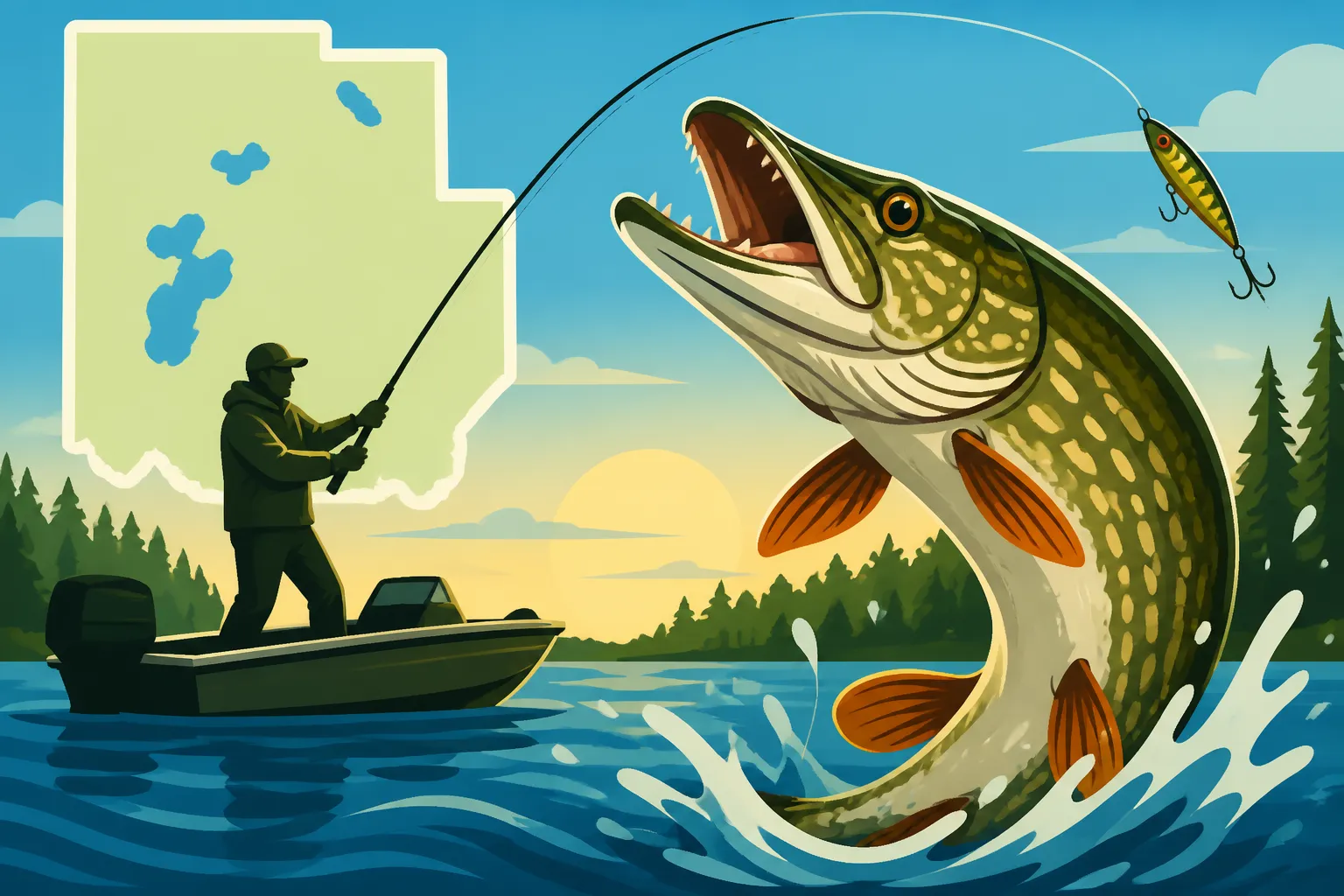
Trying to track down elusive Northern Pike in Indiana can sometimes feel like searching for a needle in a haystack, especially if you're venturing beyond Lake Michigan. Many anglers assume the best pike action is way up north, but for those in the know, Kosciusko County, nestled in the state's northern glacial lake region, holds some fantastic secrets for landing these toothy predators. This guide will dive deep into why this region shines and exactly which lakes offer the best chances for a memorable pike fishing experience.
Why Kosciusko County is a Northern Pike Hotspot
It’s easy to get frustrated when you’re looking for a specific species, especially one like the Northern Pike that thrives in particular environments. Indiana might not be synonymous with trophy pike for everyone, but Kosciusko County offers a unique aquatic landscape that is perfectly suited for them. The geology of this region, shaped by ancient glaciers, has blessed us with deep, clear, and cold-water lakes that are far removed from the more uniform, shallower reservoirs found in the state's central and southern parts.
The Glacial Lake Advantage
These aren't your typical farm ponds or man-made flood control reservoirs. Kosciusko County's lakes are primarily natural, deep, and often feature complex underwater topography. Glacial lakes, by their very nature, possess characteristics that are highly attractive to Northern Pike. They tend to have significant variations in depth, ranging from shallow, sun-drenched flats to abrupt drop-offs plunging into deep, cool basins. This diverse structure provides pike with ample ambush points, thermal refuge during warmer months, and plenty of room to roam. The colder, oxygen-rich water in these deeper lakes also contributes to the health and growth of pike, allowing them to reach impressive sizes. Many anglers travel far and wide to experience fishing in the glacial lakes of Kosciusko County for species like muskie, pike, and walleye.
Ideal Habitat and Forage for Pike
Beyond the depth and temperature, these lakes are brimming with the kind of habitat that pike absolutely love. Think dense beds of aquatic vegetation – milfoil, coontail, pondweed – that carpet the shallow and mid-depth flats. These weed lines are not just scenery; they are vital nurseries for baitfish and perfect camouflage for a lurking predator like a Northern Pike. These lakes are also often interconnected, forming chains that allow pike to move freely, chasing schools of perch, shiners, and other panfish that make up their primary diet. A robust forage base is critical for growing large, healthy pike, and Kosciusko County's lakes definitely deliver. If you're looking for Northern Pike Identification: Light Spots on a Dark Body, you'll typically find them camouflaged perfectly within these verdant underwater jungles.
Premier Pike Lakes in Kosciusko County
Alright, let's get down to brass tacks. You know why Kosciusko County is great for pike, but where exactly should you drop your line? While many lakes in the area hold pike, some stand out as consistent producers of both quantity and quality.
Lake Wawasee: Indiana's Largest Natural Lake
Lake Wawasee isn't just a local gem; it's Lake Wawasee: Indiana's Largest Natural Lake and Its Fish. This sprawling body of water offers an incredible array of pike habitat. With depths reaching over 70 feet in some areas, Wawasee provides deep, cool water for pike during the heat of summer. However, it's the extensive weed lines and transition zones that are the real magnet for these fish. Look for pike staging along the edges of the numerous weed beds, particularly where they meet a sharp drop-off or a channel. The Syracuse Channel, connecting Lake Wawasee to Syracuse Lake, is another key area, providing a natural travel corridor and current that can attract baitfish and, consequently, pike. Early mornings or late evenings along these weed edges, particularly near points or submerged structures, can be incredibly productive.
The Tippecanoe Chain: Webster and Tippecanoe Lakes
Just north of Wawasee, the Tippecanoe Chain, including Webster Lake and Tippecanoe Lake, offers more phenomenal pike opportunities. Webster Lake, in particular, is renowned for its muskie population, but it's also a fantastic pike fishery. These two toothy predators often share similar habitat, making Webster a double threat. The lake is deep, with ample weed growth and structural features that provide excellent ambush points. Tippecanoe Lake, the deepest natural lake in Indiana, also holds good numbers of pike, often found patrolling the edges of its expansive weed flats. The interconnectedness of these waters means fish can move freely, so understanding the overall system is key. You'll want to focus your efforts on the deeper weed lines, submerged humps, and any noticeable changes in bottom contour.
The Barbee Chain of Lakes
The Barbee Chain is a collection of seven interconnected lakes (Big Barbee, Little Barbee, Kuhn, Irish, Sawmill, Sechrist, and Banning) that offer a slightly different, but equally productive, pike fishing experience. These lakes tend to be a bit shallower than Wawasee or Tippecanoe, with extensive shallow weed beds and lily pad fields. This makes them prime territory for pike, especially during the spring and fall when fish are actively feeding in shallower water. The channels connecting these lakes are often overlooked but can hold surprisingly large pike. When fishing the Barbee Chain, pay close attention to the areas where emergent vegetation meets slightly deeper water, or where points of land extend into the lake. These transition zones are classic pike ambush spots.
Essential Tips for Catching Northern Pike in Kosciusko County
Catching pike isn't just about finding the right lake; it's about understanding their behavior and presenting the right offerings. These aggressive predators can be a blast to catch, but a little preparation goes a long way.
Lure Choices and Presentation
Pike are opportunistic eaters, and they respond well to a variety of lures that mimic their natural prey or trigger an aggressive strike. When you're fishing in these clear glacial lakes, presentation matters.
- Spoons: Classic metal spoons, like the Dardevle or Johnson Silver Minnow, in silver, gold, or red-and-white patterns, are incredibly effective. Their wobbling action is irresistible. Cast them parallel to weed lines and retrieve steadily, varying your speed to find what the fish prefer.
- Inline Spinners: Big, flashy inline spinners from brands like Mepps or Blue Fox are another pike favorite. Sizes #4 to #6 are a good starting point. The flash and vibration can draw pike out of cover.
- Jerkbaits and Crankbaits: Larger jerkbaits or crankbaits that dive to the depth of the weed tops can be deadly. Choose natural baitfish patterns or bright, contrasting colors. A stop-and-go retrieve with a jerkbait can perfectly imitate a struggling baitfish, often triggering violent strikes. For those summer months, considering Best Lures for Summer Fishing will likely include these types of presentations when pike are actively feeding.
- Soft Plastics: Large swimbaits or paddle-tail plastics rigged on a heavy jig head can also be very effective, especially when fished slower along weed edges or through pockets in the weeds.
Seasonal Strategies for Pike Success
Pike behavior changes throughout the year, so knowing when and where to find them is crucial for consistent success. If you want to know Best Season to Catch Northern Pike in Indiana, generally spring and fall are prime.
- Spring (Post-Spawn): After the ice melts and water temperatures begin to rise, pike move into shallower waters to spawn. Once spawning is complete, they are incredibly hungry and can be found cruising weed flats and shorelines, often in less than 10 feet of water. This is an excellent time for aggressive retrieves with spoons, spinners, and jerkbaits.
- Summer: As the water warms, pike tend to retreat to deeper, cooler water. You'll find them holding tightly to the deep edges of weed lines, near submerged points, or around cool-water springs if the lake has them. Trolling deep-diving crankbaits or fishing large swimbaits vertically through pockets in deep weeds can be effective. Early morning and late evening bites are often the most productive.
- Fall: This is arguably the best time for trophy pike in Kosciusko County. As water temperatures drop, pike enter a feeding frenzy, bulking up for winter. They'll be more active in shallower and mid-depth weed beds, aggressively chasing down baitfish. Large spoons, jerkbaits, and even large fly patterns can be incredibly effective during this period.
- Winter (Ice Fishing): While challenging, ice fishing for pike can also be rewarding. Use large tip-ups with live bait (suckers or shiners) set near weed lines or drop-offs. Jigging with heavy spoons or large jigging raps can also entice strikes.
Essential Gear for Toothy Predators
Pike have sharp teeth, so your gear needs to be up to the task. Don't skimp here, or you'll be retying leader after leader and possibly losing fish.
- Rods and Reels: A medium-heavy to heavy action spinning or baitcasting rod, 6'6" to 7'6" in length, is ideal. Pair it with a robust reel spooled with 20-30 lb braided line. The braid offers excellent sensitivity and hook-setting power. Best Heavy Tackle for Pike Fishing in Indiana typically includes this type of setup.
- Leaders: This is non-negotiable. Pike will chew through mono or fluorocarbon leader instantly. Use a steel or heavy fluorocarbon (80-100 lb) leader, 9-12 inches long, to prevent bite-offs. Snap swivels make changing lures quick and easy.
- Tools: A pair of long-nosed pliers or forceps is essential for safely unhooking pike, minimizing risk to both you and the fish. A jaw spreader can also be helpful. Always be careful around their mouths!
- Landing Net: A large, rubberized landing net is ideal for safely landing and releasing pike, protecting their slime coat and fins.
| Lake Name | Primary Pike Habitat | Key Features for Pike Anglers | Average Pike Size (Estimate) | Best Time to Visit (Pike) |
|---|---|---|---|---|
| Lake Wawasee | Deep weed lines, channels, drop-offs | Indiana's largest natural lake, diverse structure, baitfish | 24-30 inches, with bigger fish | Spring, Fall |
| Webster Lake | Deep weeds, submerged humps, structure | Renowned muskie lake, ample forage, deep cool water | 20-28 inches, with bigger fish | Spring, Fall |
| Tippecanoe Lake | Expansive weed flats, deep basins | Deepest natural lake in Indiana, consistent pike action | 20-26 inches | Spring, Fall, Early Summer |
| Barbee Chain | Shallow weed beds, lily pads, channels | Interconnected lakes, excellent spring/fall shallow water bite | 18-24 inches | Spring, Fall |
Planning Your Kosciusko County Pike Fishing Trip
A successful fishing trip involves more than just knowing where the fish are; it’s also about logistics and making the most of your time on the water. Kosciusko County is a popular destination for anglers, so you'll find plenty of resources.
Access Points and Local Amenities
Getting your boat in the water or finding a good spot for shore fishing is usually pretty straightforward in Kosciusko County. Most of the larger lakes, like Wawasee, Tippecanoe, and Webster, have multiple public boat ramps managed by the Indiana Department of Natural Resources (DNR) or local municipalities. These ramps are typically well-maintained, with ample parking for trailers.
For anglers without a boat, shore fishing opportunities can be more limited on these larger lakes due to private property, but public parks and some access points offer bank fishing. Visiting a local bait and tackle shop once you arrive is always a good idea. Not only can you pick up essential supplies, but the local experts behind the counter often have the most up-to-date information on recent catches, hot spots, and current conditions. They'll know if the pike are hitting spoons or favoring live bait on the given day.
Hiring a Local Fishing Guide
If you're new to the area or specifically targeting trophy pike, consider hiring a local fishing guide. These professionals spend countless hours on the water and understand the nuances of each lake, the seasonal patterns, and the subtle cues that indicate where pike are holding. A guide can save you valuable time, teach you new techniques, and dramatically increase your chances of success. They'll also have all the necessary gear, so you don't have to worry about buying specialized pike tackle.
You can easily compare different guide services and read reviews on platforms such as FishingBooker to ensure you find the perfect match for your pike quest. A charter booked via FishingBooker might be just what you need to unlock the secrets of these productive pike waters, especially on a larger system like Lake Wawasee where navigating can be a challenge for first-timers. Booking through a reputable service like FishingBooker provides peace of mind, knowing you’re in good hands.
Understanding Indiana Fishing Regulations
Before you even think about casting a line, make sure you're up to date on your Indiana Fishing License Requirements Explained. All anglers 18 years of age and older need a valid Indiana fishing license. You can purchase these online through the DNR website, at most bait and tackle shops, or at licensed retailers like Walmart or sporting goods stores.
Additionally, be aware of specific regulations for Northern Pike. While statewide regulations apply to most waters, always double-check the current Indiana Fishing Regulations and Bag Limits Guide, as specific lakes or counties can sometimes have special rules. For Northern Pike, Indiana usually has a minimum length limit and a daily bag limit, designed to protect the population and ensure sustainable fishing for years to come. Knowing How Many Rods Can You Fish With in Indiana? is also a good idea, as rules vary. Responsible angling practices, including careful handling and proper release of fish, are paramount to preserving these fantastic fisheries in Kosciusko County for future generations.
Disclaimer
Please note that fishing conditions and regulations can change. Always consult the latest Indiana Department of Natural Resources (DNR) fishing regulations before heading out on the water. This guide is for informational purposes only and should not replace official sources.