James Lake Fishing Access Points for Muskie Anglers
Oh, the elusive muskie! It’s a fish that haunts the dreams of many an angler, a true freshwater predator that tests patience, skill, and sometimes, your sanity. If you've ever spent hours casting massive lures, only to feel that heart-stopping strike that never quite connects, you know the frustration. But if you’re setting your sights on James Lake in Indiana for these toothy giants, you’re in for a treat. This guide is all about helping you cut through the guesswork, offering practical advice and pinpointing the best access points and strategies for landing that trophy muskie on James Lake.
Understanding James Lake's Muskie Allure
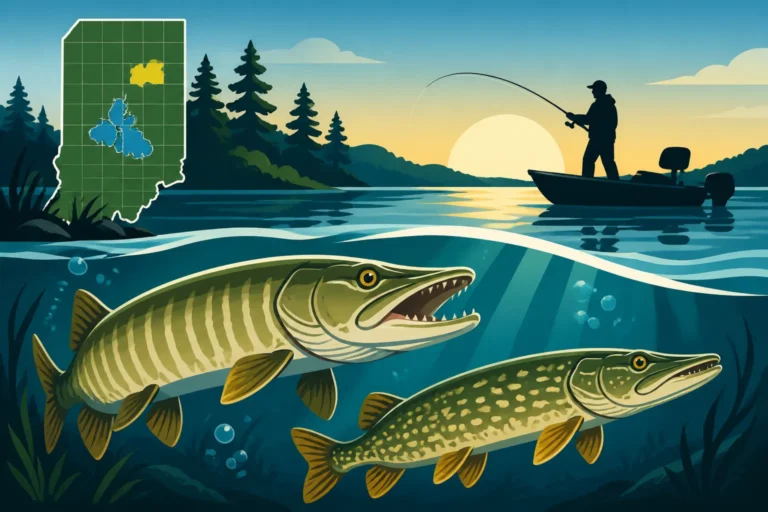
James Lake, nestled in Steuben County in the northeastern part of Indiana, isn't just another pretty face among the state's many lakes. It's part of the renowned Glacial Lake District, a collection of deep, clear bodies of water carved out by ancient glaciers. These lakes provide the ideal habitat for some of Indiana's most sought-after game fish, and muskie are certainly high on that list. Unlike some of the state's larger reservoirs, James Lake offers a more intimate setting, but don't let its size fool you—it holds some truly impressive muskies.
What makes James Lake so special for muskie? For starters, its average depth and diverse structure create perfect ambush points. We’re talking about submerged weed lines, sharp drop-offs, and points that extend into deeper water – all classic muskie territory. These predators thrive in environments where they can hide and dart out to ambush unsuspecting prey. The lake is connected to other bodies of water, like Jimerson Lake and Snow Lake, forming a chain that allows for fish movement and maintains a healthy ecosystem. This interconnectedness is crucial for sustaining a robust muskie population, offering them ample forage and varied hunting grounds throughout the seasons. If you're keen to learn more about these fascinating fish, our guide on Muskellunge Fishing in Indiana: What Anglers Need to Know offers a deeper dive into their habits and preferred habitats across the state.
Getting on the Water: Key Access Points for James Lake
Finding the perfect spot to launch your boat or cast from shore can make or break a muskie fishing trip. James Lake has several access points, but knowing which ones are best suited for muskie anglers, especially those targeting larger water, is key. Forget wandering around looking for a hidden path; we're going to get you straight to the good stuff.
Public Boat Ramps and Launches
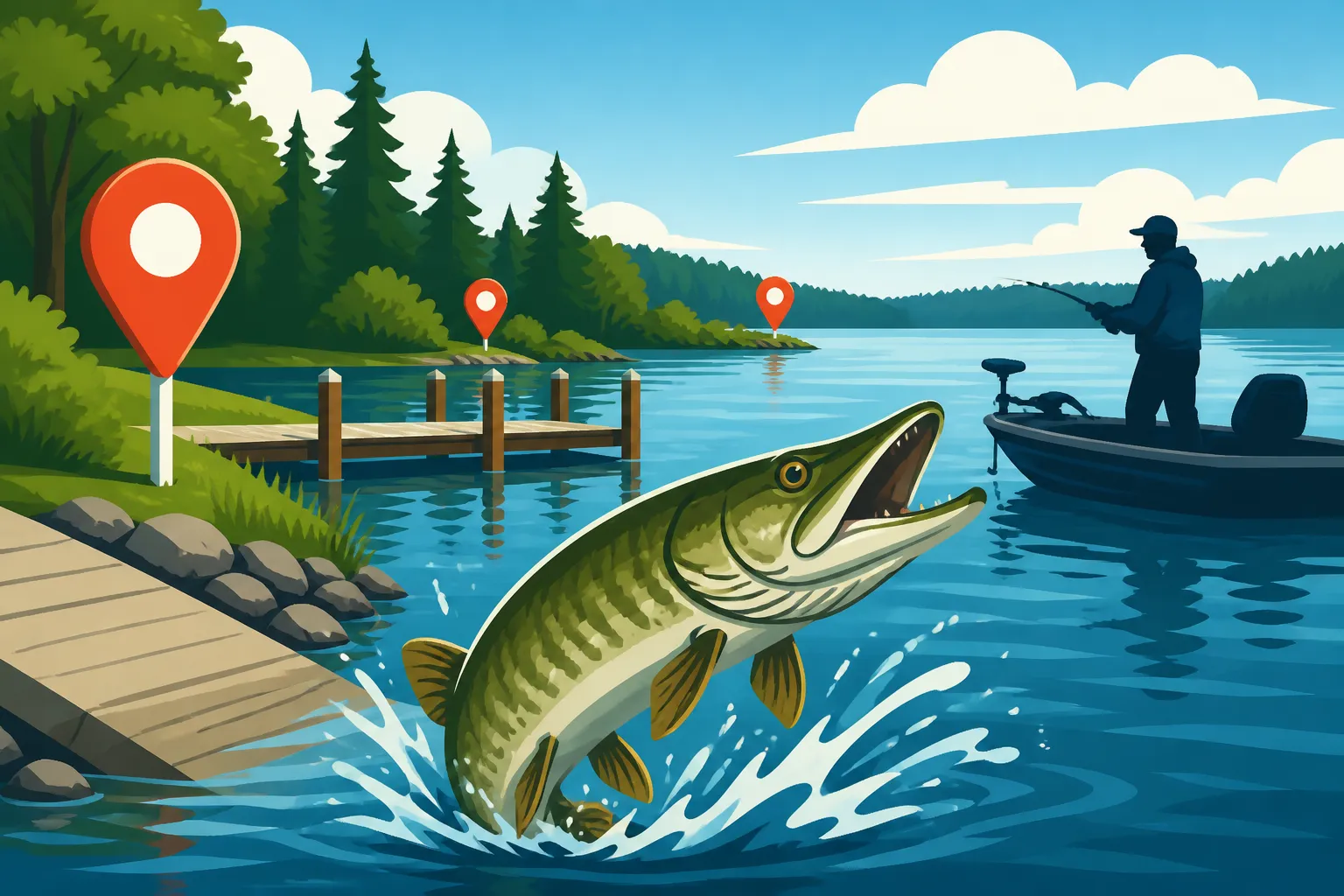
For most serious muskie anglers, a boat is almost essential for covering water and reaching prime structures. Fortunately, James Lake provides several public options. The most prominent and widely used access point is the public boat ramp managed by the Indiana Department of Natural Resources (DNR) on the north end of the lake.
This DNR access point typically features a concrete ramp, which is a blessing for anyone trying to launch a heavier muskie boat. You'll usually find ample parking for vehicles and trailers, which can be a real headache solver, especially on busy weekends. From this launch, you have direct access to some of James Lake's deeper channels and major weed beds, which are prime cruising grounds for muskie. Locals often call this the main launch for good reason – it’s convenient, well-maintained, and provides a straightforward entry to the best muskie waters. This is often the starting point many local guides use when showing clients around, and you can even find some of these pros on platforms like FishingBooker, ready to share their expertise.
Another access option, often less crowded, is a smaller ramp sometimes found on the east side of the lake, closer to the channel connecting to Jimerson Lake. While it might not have the same extensive parking or robust concrete as the main DNR ramp, it can be a strategic choice if you want to immediately focus on the transitional areas between the lakes, which can be hotspots during certain times of the year. Always check the current conditions and any signage, as these smaller access points can sometimes change or have specific restrictions. Our detailed post on Best Public Fishing Access Points in Indiana provides an overview of what to expect at various public launches across the state.
Here’s a quick overview of primary access points for James Lake:
| Access Point | Location on Lake | Ramp Type | Parking | Notes for Muskie Anglers |
|---|---|---|---|---|
| DNR Public Access Site | North end | Concrete | Ample, paved | Best for larger boats, direct access to main lake structure and deeper water. Often preferred by guides. |
| Smaller East Side Access | East side, near channel to Jimerson Lake | Gravel/Dirt | Limited | Good for smaller boats, quick access to inter-lake channels, may be less crowded. Check current conditions. |
Shoreline Fishing Opportunities
While muskie fishing often conjures images of specialized boats and gear, there are still some limited opportunities for shore anglers on James Lake. It won't be as expansive as what you'd find on larger reservoirs with designated fishing piers or extensive public shoreline. However, certain areas around the public access points, particularly near the main DNR ramp, can provide a decent casting platform.
Look for areas adjacent to the boat ramp where there might be a small stretch of accessible bank. You won't be able to cover vast amounts of water, but you can target edges of weed beds or drop-offs that come close to shore. Early mornings or late evenings, when boat traffic is minimal, are often the best times for shore anglers. You might also find some limited access near road crossings or small public parks if they back up to the lake, though these are less common and often require more careful scouting. Remember to be respectful of private property and always check for "no trespassing" signs. While it’s challenging, a dedicated shore angler might still connect with a smaller muskie patrolling these shallower areas. For those thinking about fishing without a boat, our guide on Best Shore Fishing Spots in Indiana might offer some helpful general tips, though specific muskie shore spots are rare.
Targeting Muskie from James Lake Access Points
Once you’re on the water, the real work—and fun—begins. Muskie fishing isn't just about casting; it's about understanding the fish, the environment, and employing the right techniques at the right time. Leveraging your access points smartly can significantly increase your chances of success.
Optimal Casting Strategies from Access Points
When you launch from the main DNR ramp on the north end, you’re in a prime position to start working major structural elements almost immediately. Your first casts should often target the edges of visible weed lines or any noticeable points and irregularities in the shoreline. Muskies are ambush predators, so they love to hang out where they can quickly dart out and intercept prey.
Consider employing long casts with large bucktails, oversized crankbaits, or glide baits. Fan-casting to cover a wide area from your boat, then slowly working your way around key features, is a tried and true method. Pay close attention to changes in depth, indicated by your fish finder, and focus on areas where baitfish might congregate. If you see schools of shad or perch on your sonar, chances are muskie won't be far behind. Remember, muskies often follow a lure right to the boat, so always perform a figure-eight or L-turn with your bait right at the boat side—this can trigger a strike from a hesitant fish. Our article on Muskie Casting Techniques goes into more detail about how to properly work these lures for maximum appeal.
For those using the smaller east-side access, focus your efforts around the channels and narrower sections that connect James Lake to other bodies of water. These choke points can be excellent places to intercept cruising muskie, especially during periods of higher activity or when baitfish are moving between lakes. Look for current breaks or deeper pockets where a muskie might hold.
Best Times and Conditions for Muskie on James Lake
Timing is everything in muskie fishing, and James Lake is no exception. While muskie can be caught year-round (even through the ice if conditions allow and you have the right gear), certain seasons and times of day offer significantly better odds.
The prime seasons for muskie on James Lake are typically late spring/early summer and, perhaps even more so, the fall. In spring, after the water has warmed sufficiently, muskies become more active, feeding heavily after the colder months. Look for water temperatures in the 50s and 60s Fahrenheit. As summer progresses, muskie fishing can slow down during the heat of the day but picks up during low-light periods like dawn, dusk, and even at night. Many anglers swear by a full moon phase for night muskie fishing, though always exercise extreme caution if you’re out after dark.
Fall is often considered the undisputed champion season for trophy muskie. As water temperatures drop, these fish go on a pre-winter feeding frenzy, bulking up for the lean months ahead. This is when they are most aggressive and willing to chase larger baits. Targeting days with stable weather, perhaps even a slight overcast sky, can be more productive than bright, bluebird days. Barometric pressure also plays a role; stable or slowly falling pressure can often lead to more active fish. For a comprehensive look at the yearly cycle, check out our guide on the Best Time of Year for Muskie Fishing in Indiana.
If you’re visiting from out of state or just unfamiliar with the lake, sometimes the best access isn't just a boat ramp, but the knowledge of a local expert. Services like FishingBooker can help you connect with experienced muskie guides who know James Lake inside and out, often having years of experience with seasonal patterns and specific muskie hideouts. They can put you on fish faster than trial and error alone, especially if your time on the water is limited.
Essential Gear for James Lake Muskie Anglers
Muskie are not your average panfish; they demand specialized gear that can handle their size, power, and razor-sharp teeth. Don't skimp on your tackle when you're targeting the fish of 10,000 casts.
Rods, Reels, and Line Choices
When it comes to muskie fishing, robust gear is non-negotiable. You'll want a heavy-action baitcasting rod, typically 7.5 to 9 feet long, designed to handle large, heavy lures and powerful fish. Look for rods specifically labeled for muskie or big game. Brands like St. Croix, G. Loomis, and Abu Garcia make excellent muskie-specific rods that can withstand the abuse.
Pair that rod with a heavy-duty baitcasting reel that has a strong drag system and a high line capacity. Reels like the Shimano Tranx, Daiwa Lexa, or Abu Garcia Revo Toro Beast are popular choices. You'll be making hundreds of casts a day with heavy lures, so a reel that can take a beating is crucial.
For line, braided superline is the standard. Opt for 65-100 pound test braid. The zero-stretch properties of braid allow for solid hooksets and better feel for your lure, which is vital when muskie often strike subtly. Always tie your braid to a heavy-duty fluorocarbon or wire leader, as muskie teeth can easily sever monofilament or lighter fluorocarbon. Wire leaders, specifically, are essential to prevent bite-offs from those toothy grins. Our article on Wire Leaders for Muskie Fishing in Indiana's Glacial Lakes explains this in more detail.
Lures and Terminal Tackle
Muskie lures are notoriously large, designed to attract these apex predators. Bucktails are a staple, coming in various sizes and blade configurations (Colorado, Indiana, willow leaf). Double-bladed bucktails are especially popular for creating maximum flash and vibration. Large crankbaits, often 8-14 inches long, are also effective, especially when trolling or casting over deeper structure. Glide baits, jerkbaits, and topwater lures (like large prop baits or walk-the-dog style baits) round out a well-stocked muskie box. You can read up on the specifics in our piece about Best Muskie Lures for Fall Fishing.
Beyond the lures, don't forget your terminal tackle. Heavy-duty snap swivels (rated for 100+ pounds) are necessary for quickly changing lures and preventing line twist. A high-quality leader material, as mentioned, is paramount. You'll also need sturdy split rings and hooks on your lures—muskie can bend or break lesser quality components. Always inspect your tackle regularly.
Landing Gear and Safety
This is where many anglers make a critical mistake. A standard bass net simply won't cut it for a muskie. You need a large, muskie-specific landing net with a big hoop and a deep, rubberized mesh to protect the fish and prevent hooks from tangling. A long-nosed, heavy-duty hook remover or jaw spreader is also crucial for safely unhooking these fish, especially when dealing with treble hooks and sharp teeth. Don't forget heavy-duty cut-resistant gloves for handling the fish.
Safety is paramount. Muskie are powerful and unpredictable. Keep your hands away from their mouths. If you're planning to take a photo, keep the fish wet, support its body horizontally with two hands, and return it to the water quickly. Many anglers, especially those on a tight schedule, opt for a guided trip. Guides often come equipped with all the necessary specialized gear, ensuring a safer and more successful experience. When searching for a guided muskie trip, remember to check platforms like FishingBooker to find reputable captains specializing in James Lake.
Local Knowledge and Conservation for James Lake Muskie
Being a responsible angler on James Lake means understanding the local nuances and practicing good conservation. Muskie populations are precious, and we all play a part in sustaining them.
Best Practices for Catch and Release
Muskie fishing is overwhelmingly a catch-and-release sport, especially for trophy fish. These fish take a long time to grow to impressive sizes, and their survival rates after release are critical for maintaining healthy populations.
When you land a muskie, minimize its time out of the water. Have your net, hook removers, and camera ready before the fish is even in the boat. Avoid laying the fish on rough surfaces. Keep your hands wet when handling them. Support their body weight horizontally, never vertically by the jaw alone, which can cause internal damage. If the fish is lethargic, hold it gently in the water, facing into any current, until it regains strength and swims off on its own. For those who want to remember their catch, consider a replica mount instead of keeping a trophy fish. This practice ensures future generations can also experience the thrill of catching these magnificent predators.
The Role of Local Regulations
Always, and I mean always, be aware of the current Indiana fishing regulations. Muskie often have specific size limits, and sometimes even slot limits, that can vary by lake. James Lake might have specific rules, so consult the latest Indiana Fishing Guide from the DNR before your trip. These guides are available online and at most license vendors. Ignorance of the law is not an excuse, and violating regulations can result in hefty fines and penalties. Remember, Indiana’s fishing license year runs from April 1 to March 31 of the following year, so make sure your Indiana Fishing License Requirements Explained are in order before you cast out.
Understanding these regulations, coupled with good catch-and-release practices, ensures that James Lake continues to be a fantastic destination for muskie anglers for years to come. If you're ever in doubt about local nuances or conditions, booking a trip through a service like FishingBooker with a local guide is an excellent way to gain firsthand knowledge and ensure you're fishing responsibly and effectively.
Disclaimer
Please remember that fishing conditions, regulations, and access points can change. Always consult the latest official Indiana Department of Natural Resources (DNR) publications for current rules and verify access before planning your trip. Fishing inherently carries risks, so please exercise caution and prioritize safety on the water.