Shore Fishing Spots on Lake Wawasee
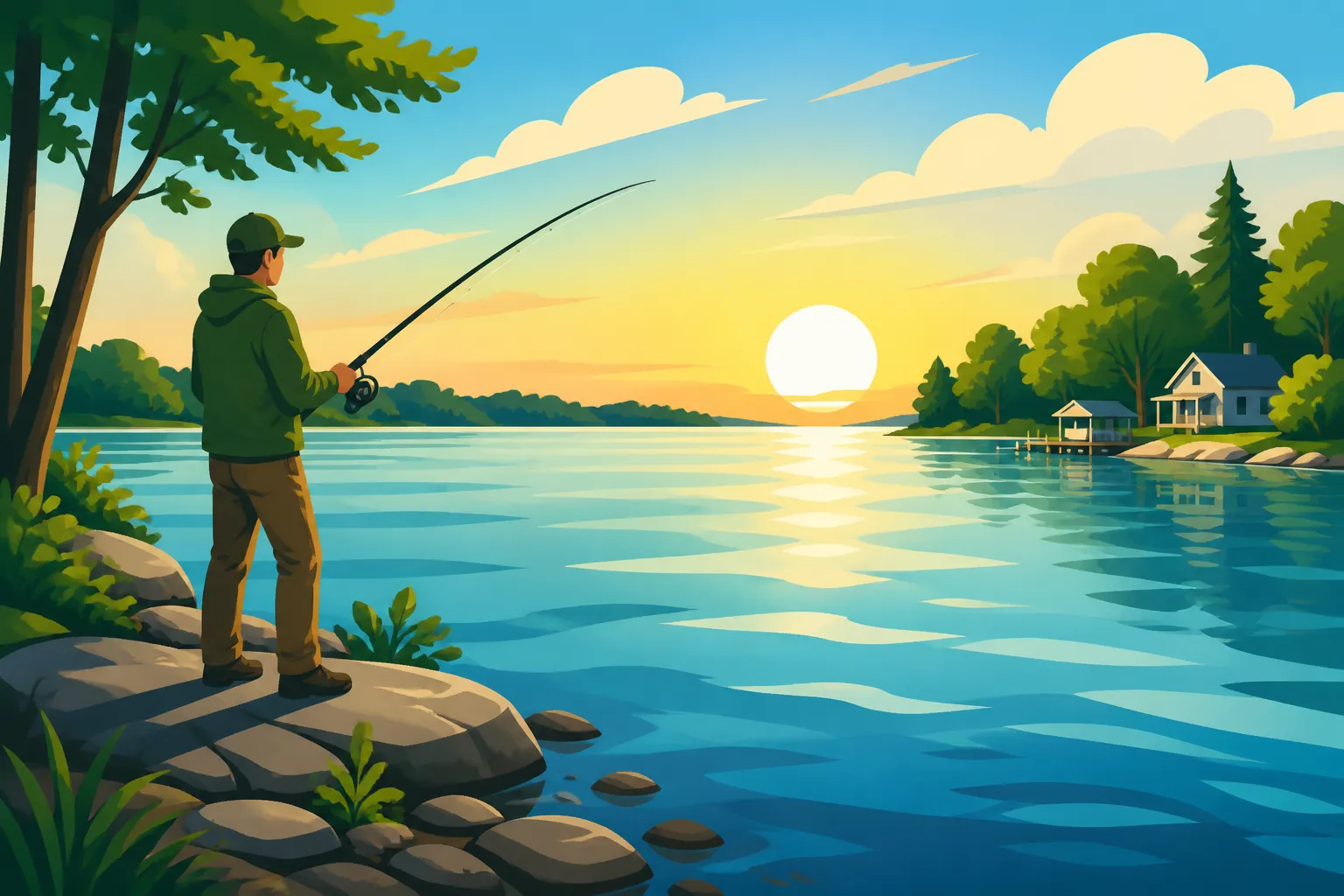
Finding good shore fishing spots on a large, popular lake like Lake Wawasee can feel like hunting for a needle in a haystack, especially when you don't have a boat and much of the shoreline is lined with private homes. It's a common frustration for many anglers, but don't despair! This guide is going to walk you through the real challenges of accessing Wawasee's waters from shore and, more importantly, reveal some of the best, often overlooked, public access points where you can actually cast a line and have a great day.
The Realities of Shore Fishing on Lake Wawasee
Lake Wawasee, as Indiana's largest natural lake, is a beautiful and bountiful fishery, known for its diverse species including bass, crappie, bluegill, and even walleye. However, its popularity also means that much of its expansive shoreline is developed with private residences and resorts, creating a significant hurdle for public shore access. It's not like strolling up to any old creek bank; you really need to know where to go to avoid trespassing and maximize your fishing time.
Navigating Private Property and Limited Access
The biggest challenge, hands down, for any angler hoping to fish Lake Wawasee from shore is the sheer amount of private property. Many of the picturesque stretches of shoreline you see are someone's backyard, making it tough to find a legal spot to set up your gear. This can be incredibly disheartening, driving around only to see "No Trespassing" signs everywhere. It's a stark reality of fishing on developed lakes, and it often leads to anglers giving up before they even get a chance to wet a line. Don't let it get you down, though; there are public options, you just need to know exactly where to find them and what to expect.
Beyond outright private land, even public access points might be limited in scope, offering only a small pier or a short stretch of bank rather than miles of open shoreline. This requires a bit more strategic thinking about where you cast and what you're targeting. It’s not always about quantity of access, but quality. Knowing the structure around these limited spots can make all the difference.
Understanding Typical Shoreline Habitat
Once you do find an accessible spot, the next thing to consider is the typical shoreline habitat of Lake Wawasee. Like many natural lakes, the shallows near the bank are often rich with aquatic vegetation, fallen timber, and rocky areas. While this can be a blessing for fish, offering excellent cover and feeding grounds, it can also be a challenge for anglers. Weeds can snag your lures, and thick cover can make it hard to present your bait effectively.
However, these features are precisely what attract various species. Largemouth bass love to lurk in lily pads and submerged grass, while crappie and bluegill will congregate around docks, brush piles, or weed edges. Understanding this habitat helps you choose the right bait and technique. You might need to adjust your approach from open-water casting to more precise presentations, focusing on pockets in the weeds or the edges of structure.
Timing Your Shore Fishing Excursions
The time of day and year play a huge role in shore fishing success on Lake Wawasee. Early mornings and late evenings, especially during the warmer months, are often the most productive. This is when many fish species move closer to the shore to feed, taking advantage of lower light conditions and cooler water temperatures. Mid-day sun can drive fish into deeper, cooler waters that are harder to reach from the bank.
Seasonally, spring and fall tend to be excellent for shore anglers. In spring, species like crappie and bluegill move into the shallows for their spawn, making them highly accessible. You can learn more about Crappie Spawn Timing on Indiana Lakes to perfectly time your trip. Fall brings cooler temperatures and active feeding as fish prepare for winter, often making them more aggressive. Even summer can be great if you target those low-light hours or find shaded areas with good cover. For a more comprehensive overview, check out the Indiana Fishing Seasons: A Month-by-Month Guide.
Prime Public Shore Fishing Locations on Lake Wawasee
Despite the challenges, Lake Wawasee does offer some fantastic public access points for shore anglers. These spots, while not always extensive, provide legitimate opportunities to connect with some great fish. Knowing exactly where these are is key to a successful outing. Remember, always double-check local signage for specific rules or restrictions before you cast your line.
Syracuse-Wawasee Park
One of the most reliable and accessible spots for shore fishing is Syracuse-Wawasee Park, often referred to locally as Syracuse Town Park. Located right in Syracuse, this park offers excellent amenities and, crucially, public access to Lake Wawasee. You'll find a boat launch, a fishing pier, and various spots along the seawall where you can cast.
The fishing pier here is a real gem for shore anglers, extending out into the lake, giving you access to slightly deeper water than you might get from the bank. It's a fantastic spot for panfish like bluegill and crappie, especially in spring and early summer when they are more active in the shallower areas. You might also hook into a largemouth bass lurking around the pier pilings or the weed lines nearby. Keep an eye out for submerged structure too; fish love to hide around anything that offers cover. This park is a prime example of a family-friendly fishing spot on Lake Wawasee: Indiana's Largest Natural Lake.
Wawasee Area Conservancy Foundation (WACF) Public Access Sites
The Wawasee Area Conservancy Foundation (WACF) is a wonderful organization dedicated to preserving the natural beauty and health of Lake Wawasee and its watershed. They maintain several nature preserves and public access sites, some of which offer limited but valuable shore fishing opportunities. These spots often emphasize conservation, so be mindful of "catch and release" signs or specific fishing regulations.
One such location is the Levinson-LaBrosse Lakes & Wetlands Education Center on the south side of the lake. While primarily an education center with boardwalks, some areas may offer small, designated spots for shore fishing. Another potential area is the WACF Lakeside Park, though access here might be more focused on passive recreation. These sites are generally quieter and offer a more natural fishing experience compared to the bustling town park. It’s always best to check the WACF website or call ahead to confirm current fishing access policies, as these can sometimes change. They are excellent resources if you're looking for Remote Fishing Coves on Lake Shafer in the region, offering similar tranquil experiences.
Channel and Bridge Access Points
While Wawasee itself is mostly private, the lake is part of a larger chain of lakes and connected by channels. These channels, especially where they pass under public roads or near small parks, can provide excellent shore access. These are often overlooked spots, but they can be incredibly productive, acting as natural fish highways.
- Syracuse Lake Channel: The channel connecting Lake Wawasee to Syracuse Lake (near the Syracuse-Wawasee Park mentioned earlier) is a prime example. Bridges crossing these channels, like the one on Kern Road, often have public easements or small pull-offs where you can safely cast a line. These areas can hold a surprising number of fish, including bluegill, crappie, and even some lurking bass that move between the lakes.
- Small Public Easements: Keep an eye out for small, unmarked public easements along roads that run close to the water or over tributaries entering Wawasee. These are usually small patches of land, just enough to set up a chair and cast. They require a keen eye and respectful use, but they can pay off. Always be sure you are not on private land – if in doubt, don't fish there. These less obvious spots often hold some of the best fishing for those willing to explore.
Here's a quick comparison of popular shore fishing spots on Lake Wawasee:
| Location | Primary Access Type | Target Species | Best Time to Visit | Notes |
|---|---|---|---|---|
| Syracuse-Wawasee Park | Pier, Seawall, Bank | Bluegill, Crappie, Largemouth Bass | Spring, Early Summer, Fall | Family-friendly, restrooms, boat launch, popular. |
| WACF Education Center | Limited Bank/Boardwalk | Panfish, Small Bass | All Seasons | Quieter, focus on conservation, check access rules. |
| Syracuse Lake Channel | Bridge/Roadside Access | Bluegill, Crappie, Bass | Spring, Fall, Low-light | Excellent for migrating fish, often less crowded than the park. |
| Small Public Easements | Unmarked Bank Access | Various (depends on habitat) | Varies | Requires careful scouting, respect private property. |
Gear and Techniques for Successful Shore Fishing
Shore fishing, while accessible, does require a slightly different approach than fishing from a boat. You’re limited by casting distance and often by depth, so choosing the right gear and employing smart techniques are crucial for success on Lake Wawasee.
Essential Gear for Bank Anglers
When you're walking the banks of Wawasee, portability and versatility are your best friends. You don't want to be lugging a huge tackle box around! A medium-light spinning rod and reel combo is incredibly versatile, allowing you to cast small jigs for panfish or slightly larger lures for bass. A 6 to 7-foot rod is usually ideal, offering good casting distance without being unwieldy. Consider a quality line, like 6-8 pound monofilament or fluorocarbon, or even braided line with a fluorocarbon leader for added sensitivity.
Your tackle box should be compact but well-stocked with essentials. Think about a variety of hooks (sizes 6-10 for panfish, 1/0-3/0 for bass), small sinkers (split shot and small bullet weights), bobbers (slip bobbers are great for deeper presentations), and swivels. Don't forget a pair of pliers for hook removal, a small pair of line clippers, and perhaps a measuring tape if you're keeping your catch. For specific recommendations, check out our guide on Best Panfish Tackle for Indiana Anglers. And remember, you'll need an Indiana Fishing License Requirements Explained before you even head out!
Best Baits and Lures for Lake Wawasee Panfish and Bass
The beauty of shore fishing on Wawasee is that you're often targeting species that respond well to simple, effective baits and lures. For panfish like bluegill, crappie, and redear sunfish, live bait is incredibly effective. Small redworms, wax worms, or crickets fished under a bobber are almost always a winning combination. Small jigs, especially those tipped with a piece of live bait or a tiny plastic grub, also work wonders. Think about colors like chartreuse, white, or black for jigs, especially on cloudy days or in stained water.
For largemouth bass, especially those lurking near cover or drop-offs accessible from shore, soft plastics like Texas-rigged worms or creature baits, wacky-rigged Senkos, or small spinnerbaits can be highly productive. Crankbaits that run shallow (1-5 feet) can also be effective when retrieved parallel to weed lines or rocky banks. Don't underestimate the power of a simple plastic worm fished slowly along the bottom near any structure you can find. To really up your bass game, read up on the Best Bait for Largemouth Bass in Indiana Lakes.
Reading the Water from Shore
This is where experience comes into play. Since you can't motor around looking for structure, you have to be able to "read" the water from your fixed position. Look for visual cues: changes in water color (indicating depth or vegetation), ripples or breaks in the water's surface (suggesting submerged structure or current), fallen trees, docks, or overhanging branches. These are all potential fish holding spots. Any point that juts out into the water, even a small one, can create a current break that attracts fish.
Pay attention to the wind, too. A consistent breeze pushing across the lake will often stack baitfish against a particular shore, and where the baitfish go, the predatory fish will follow. If you see birds diving, that's another good sign of baitfish activity. You can learn a lot by simply observing for a few minutes before making your first cast. This observational skill is a cornerstone of Crappie and Panfish Fishing Techniques for Beginners.
Maximizing Your Wawasee Shore Fishing Experience
Making the most of your shore fishing trip on Lake Wawasee isn't just about finding the right spot; it's also about preparedness, understanding regulations, and having a realistic approach. A little planning goes a long way to turn a potentially frustrating day into a rewarding one.
Respecting Private Property and Local Regulations
This cannot be stressed enough: always, always respect private property. If there's no clear signage indicating public access, assume it's private. Fishing from someone's dock or yard without permission is trespassing and can lead to fines, confrontations, and further restrictions on public access for everyone. Be a good ambassador for anglers! When in doubt, err on the side of caution.
Furthermore, make sure you're familiar with all local and state fishing regulations. This includes having a valid Indiana fishing license (which you can easily obtain online or at local bait shops), adhering to length limits, and respecting daily bag limits for species like crappie and bass. For example, knowing How Many Crappie Can You Keep in a Day? is crucial. Always consult the current Indiana Fishing Guide, available from the DNR, before heading out. If you're a nonresident, make sure you understand the Indiana Nonresident Fishing License Guide rules.
Timing Your Visit for Optimal Success
We touched on this earlier, but it bears repeating: timing is everything for shore fishing. During the spring, when water temperatures are rising and fish are actively spawning, you'll find species like bluegill, crappie, and bass in the shallow, accessible areas. Later in the summer, focus on those early morning and late evening hours when fish are more likely to move into shallower feeding zones. You might find that the bite really picks up as the sun starts to dip below the horizon. Anglers often find that Best Time of Day to Catch Bass is indeed at dawn or dusk.
Fall offers another fantastic window, as fish aggressively feed to build up reserves for winter. The cooler water temperatures can often extend the productive fishing hours. Pay attention to weather patterns, too. A stable, high-pressure system usually means slower fishing, while approaching fronts or cloudy, overcast days can sometimes trigger a feeding frenzy.
Exploring Beyond Wawasee
While Lake Wawasee offers some great shore fishing, don't limit yourself! The surrounding Kosciusko County area is dotted with numerous other lakes and smaller ponds that often have more extensive public access. These might include smaller state-managed fishing sites, local city parks, or DNR-owned lakes. Places like Syracuse Lake, which connects to Wawasee, might offer slightly different dynamics and new opportunities from the bank.
If shore fishing isn't cutting it, or you're looking for a different experience, consider booking a guided trip. Services like FishingBooker can help you find local guides who know every inch of Lake Wawasee's waters, including spots you can only reach by boat. A guided trip can offer incredible insights, put you on fish quickly, and even teach you techniques specific to the lake. Sometimes, seeing how the pros do it from a boat can even give you ideas for your next shore fishing adventure! Don't be afraid to branch out and explore all the amazing fishing opportunities Indiana has to offer, whether that's Lake Wawasee Walleye Fishing Access Points or finding new spots entirely.
Ultimately, shore fishing on Lake Wawasee is a rewarding pursuit that just requires a bit of research, patience, and a respectful approach to the landscape. With the right knowledge and a positive attitude, you're sure to enjoy your time casting from the banks of this magnificent Indiana lake.
Disclaimer
Fishing regulations, access points, and conditions can change. Always consult the latest Indiana Department of Natural Resources (DNR) regulations before fishing. Exercise caution and respect private property boundaries. This guide is for informational purposes only.