Lake Wawasee Northern Pike Fishing Guide
It can be incredibly frustrating to head out to a beautiful lake with high hopes, only to spend hours without so much as a nibble from your target species. Many anglers, especially those new to Lake Wawasee or targeting a specific, aggressive predator like northern pike, often feel lost about where to start, what gear to use, or even when these fish are most active. This comprehensive guide is designed to cut through that confusion, arming you with the knowledge and strategies to successfully locate and catch northern pike on Indiana's largest natural lake.
Understanding Northern Pike on Lake Wawasee
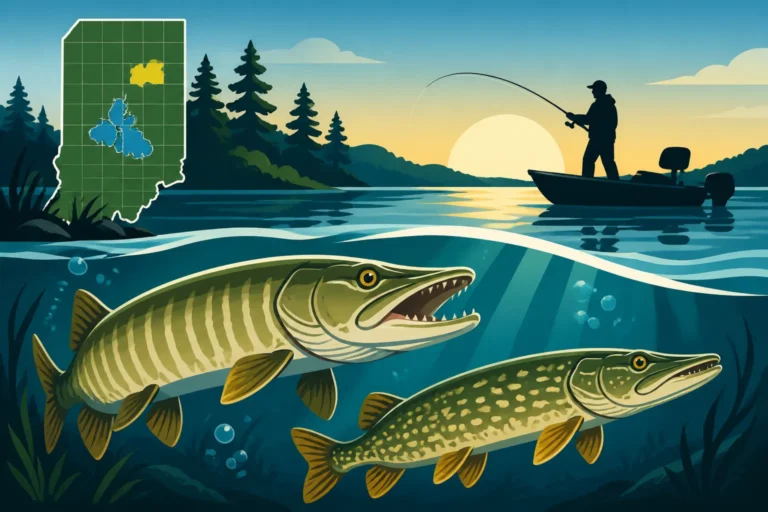
Northern pike are fascinating, aggressive predators, and Lake Wawasee provides an excellent habitat for them. Known for their long, torpedo-shaped bodies and razor-sharp teeth, pike are ambush hunters that thrive in areas with plenty of cover, where they can lie in wait for unsuspecting prey. Understanding their characteristics and typical behavior in a diverse ecosystem like Wawasee is the first step to a successful fishing trip.
Identifying Northern Pike in Indiana Waters
Spotting a northern pike is usually quite straightforward once you know what to look for, especially compared to their close cousins, the muskellunge. Pike in Lake Wawasee will typically have a dark green to olive-green body adorned with distinct, lighter, bean-shaped or bar-like spots along their flanks. Their belly is usually white or cream-colored, providing camouflage from below. One of the most telling features is the presence of scales on the entire cheek and only the upper half of the gill cover. Their dorsal fin is set far back on their body, almost directly above their anal fin, which contributes to their explosive bursts of speed. While some anglers might confuse them with muskie, a quick check of the scale patterns on the cheek and gill plate, and the spot patterns, usually clears up any doubt. If you want a deeper dive, check out our guide on how to tell the difference between Northern Pike vs Muskie: Jaw and Fin Differences
Lake Wawasee's Ideal Pike Habitat
Lake Wawasee, as Indiana's largest natural lake, offers a rich and varied environment that's absolutely perfect for northern pike. These fish prefer cooler, clearer waters, and while Wawasee can warm up in the summer, its ample depth and diverse structures provide refuge. Pike are structure-oriented fish, meaning they gravitate towards areas that offer cover and ambush points. On Wawasee, this translates to extensive weed beds, especially coontail and milfoil, that grow prolifically in many bays and flats. They also love submerged logs, fallen trees, docks, and rock piles. The irregular shorelines, numerous points, and channels connecting to Syracuse Lake create a complex network of prime pike real estate. You’ll often find them lurking at the edges of these structures, ready to dart out and ambush prey like perch, shiners, or smaller panfish.
Typical Pike Behavior and Diet
Northern pike are opportunistic feeders with a voracious appetite. Their diet primarily consists of smaller fish, including yellow perch, bluegill, crappie, and even smaller bass or walleye. In Lake Wawasee, the abundant panfish populations provide a constant food source, allowing pike to grow to impressive sizes. Pike are most active during cooler water temperatures, which means spring and fall are often peak seasons for targeting them. However, they can be caught year-round, with adjustments to tactics. During the heat of summer, they'll often retreat to deeper, cooler water or dense, shaded cover. In the winter, ice fishing for pike can be incredibly rewarding as they remain active under the ice. Their aggressive nature means they'll often strike out of pure instinct or territoriality, making for exhilarating fights once hooked.
Key Techniques and Gear for Wawasee Pike
Successfully catching northern pike on Lake Wawasee requires a combination of appropriate techniques and robust gear. These fish aren't shy, but they are powerful, and their sharp teeth can quickly make short work of inadequate tackle. Choosing the right setup will not only increase your hook-up rate but also your chances of landing these impressive predators.
Essential Rods, Reels, and Line
When you're chasing northern pike on Lake Wawasee, you'll want to step up your gear game. A medium-heavy to heavy action spinning or baitcasting rod, typically 6'6" to 7'6" in length, is ideal. This provides the backbone needed to cast larger lures and to handle the powerful runs and head shakes of a big pike. For reels, a sturdy baitcasting reel with a good drag system is often preferred for casting heavier baits and for better control. If you prefer spinning gear, opt for a larger size (3000-5000 series) with a robust drag.
Line choice is critical. Braided line, in the 30-50 pound test range, is highly recommended. Its no-stretch properties provide excellent sensitivity and hook-setting power, and it's far more abrasion-resistant than monofilament. However, the most crucial component for pike is a leader. Those sharp teeth will sever monofilament or fluorocarbon main lines in an instant. A steel, fluorocarbon-coated wire, or heavy-duty fluorocarbon (60-80 lb test) leader of at least 12-18 inches is an absolute must. You can find excellent options at local bait shops like The Tackle Box in Syracuse. For more general advice on what to look for, our guide on Best Fishing Rods and Reels for Freshwater Fishing offers some solid starting points.
Top Lures and Baits for Northern Pike
Pike are visual and aggressive hunters, so lures that create flash, vibration, or erratic movement are incredibly effective. Here's a breakdown of some of the best options for Lake Wawasee:
| Lure Type | Best Use Case | Retrieve Style | Notes |
|---|---|---|---|
| Spinnerbaits | Weedy areas, shallow flats, search bait | Steady retrieve, varied speeds | Bright colors (chartreuse, white), large blades (Colorado/Willow). |
| Spoons | Open water, casting to cover, trolling | Jigging, erratic retrieve, slow troll | Silver, gold, five of diamonds patterns are classic. |
| Crankbaits | Deeper edges, trolling, mimicking baitfish | Steady retrieve, occasional twitch, pause | Large profiles, lipped for diving, natural colors or bright. |
| Swimbaits | Realistic baitfish imitation, open water | Steady retrieve, subtle twitches, slow roll | Soft plastic or hard body, often weighted. |
| Jerkbaits | Suspending in cooler water, active fish | Twitch, twitch, pause; erratic action | Mimics dying baitfish, triggers reaction strikes. |
| Bucktails | Large profile, flash and vibration, especially for big pike | Fast retrieve, stop-and-go | Often used with a trailer (soft plastic or natural bait). |
Live bait, particularly large shiners, suckers, or creek chubs, can also be highly effective when fished under a bobber near weed lines or on a quick-strike rig. If you're looking to explore more about bait choices, our article on Best Bait for Northern Pike in Indiana Lakes has some excellent tips. Don't be afraid to experiment with size and color; sometimes the biggest lure draws the biggest strike!
Techniques for Successful Pike Fishing
Regardless of whether you're casting from shore, drifting in a boat, or trolling, a few techniques consistently produce pike on Lake Wawasee.
- Casting and Retrieving: This is the most common method. Cast your chosen lure (spinnerbait, spoon, crankbait, swimbait) towards weed lines, docks, or other cover. Vary your retrieve speed and add pauses or twitches to mimic injured baitfish. Pike often strike on the pause or as the lure changes direction. Make sure to cover water thoroughly, fanning casts to explore different depths and angles around a piece of structure.
- Trolling: When covering larger areas or searching for fish in deeper open water, trolling can be very effective. Use large crankbaits, spoons, or bucktails behind the boat, varying your speed and depth until you find active fish. Pay close attention to your electronics to identify submerged structures or bait balls that might hold pike. Trolling along the edges of vast weed flats or drop-offs can be particularly productive.
- Jigging: In certain situations, especially when pike are holding tight to structure or in deeper pockets, jigging a spoon or a heavy jig with a plastic trailer can entice strikes. This often requires a more vertical presentation directly over or into cover. Lift and drop your rod tip, letting the lure flutter or bounce off the bottom, imitating a struggling baitfish.
- Live Bait Fishing: When fishing with live bait, a simple slip bobber rig allows you to present a shiner or sucker at a predetermined depth just above the weed tops or suspended near cover. Let the bait swim naturally, and be ready for a slow, deliberate take from a pike before setting the hook. A quick-strike rig, which uses two treble hooks, is often preferred as it allows for a quicker hook set, reducing the chances of a deeply swallowed hook and improving the fish's survival rate upon release.
Prime Locations and Timing for Pike Fishing on Wawasee
Lake Wawasee offers an abundance of prime pike habitat, but knowing where and when to focus your efforts can dramatically improve your success rate. Pike movements and feeding patterns are heavily influenced by seasons, water temperature, and available cover.
Best Spots on Lake Wawasee
Lake Wawasee's diverse structure means there are several key areas that consistently hold northern pike. The entire lake is essentially a giant pike playground, but some spots truly stand out.
- Main Lake Weed Flats: Large, expansive weed flats, especially those found in the main body of the lake and in bays like Johnson's Bay and Vawter Park, are absolute magnets for pike. These areas provide abundant cover for ambush and hold vast quantities of baitfish. Focus on the edges of these weed beds, as well as any pockets or points within them. Look for transition zones where shallower weeds meet deeper water or where different types of vegetation converge.
- Channels and Inlets: The channels connecting Lake Wawasee to Syracuse Lake and other smaller waterways can be productive, especially during periods of water movement or baitfish migration. Pike often use these as travel corridors or ambush points where currents can disorient prey.
- Docks and Boat Lifts: While often busy, the shade and structure provided by docks and boat lifts can attract pike, particularly during bright sunny days when they seek refuge from direct sunlight. Cast parallel to these structures, working your lure along the pilings.
- Drop-offs and Depth Transitions: As water temperatures fluctuate, especially moving into summer or late fall, pike will often relate to drop-offs where they can move between shallow feeding grounds and deeper, cooler water quickly. Use your fish finder to locate these depth changes and any associated cover like submerged timber or rock piles. A platform like
FishingBookercan help you find local guides who know these exact contours and how the pike are behaving season to season. - Kosciusko County's Glacial Lakes: While Wawasee is a gem, remember that the entire Kosciusko County, home to many glacial lakes, is known for its pike fishing. The general principles learned on Wawasee can often be applied to other nearby waters, as detailed in our guide Kosciusko County's Best Lakes for Northern Pike.
Seasonal Timing for Pike Success
Pike fishing on Lake Wawasee can be good year-round, but certain seasons offer distinct advantages and require different approaches.
- Spring (April – May): After the ice melts, pike become incredibly active. They are often found in shallower areas, bays, and around emerging weed growth as they recover from the spawn and feed aggressively. This is an excellent time for casting spinnerbaits, spoons, and shallower running crankbaits. The water is still cool, and pike are generally spread out, searching for food. This period coincides with the start of the Indiana Fishing License Year Explained, so make sure your license is up to date!
- Summer (June – August): As water temperatures rise, pike often move to deeper, cooler water or seek refuge in the densest weed beds. They become less active during the hottest parts of the day. Early morning, late evening, and even night fishing can be productive. Target deep weed lines, submerged structure on drop-offs, and shaded areas. Trolling with deep-diving crankbaits or fishing live bait in these deeper zones can be effective.
- Fall (September – November): This is arguably the best time for trophy pike on Lake Wawasee. As water temperatures cool down, pike go on a feeding frenzy, bulking up for winter. They will move back into shallower areas, especially large weed flats and points. Larger lures, bucktails, and big swimbaits are excellent choices now. Pike are aggressive and actively hunting. This is also a fantastic time to explore Best Season to Catch Northern Pike in Indiana.
- Winter (December – March): Once Lake Wawasee freezes over, ice fishing for pike can be thrilling. They remain active under the ice, often patrolling the edges of weed beds and drop-offs. Tip-ups set with large live minnows or dead bait, as well as jigging spoons or larger soft plastics, can be very productive. Always prioritize safety on the ice and check ice conditions before heading out.
Weather and Water Conditions
Pike are often stimulated by certain weather conditions. Overcast days, especially with a light chop on the water, can turn them on, making them more comfortable leaving heavy cover. Post-front conditions, with clear skies and high pressure, can make them more lethargic, prompting a slower presentation or a focus on deeper, denser cover. Water clarity also plays a role; in clearer water like Wawasee, natural baitfish patterns are often effective, while in stained or cloudy water, brighter, high-contrast colors can be better at attracting attention. Always pay attention to recent weather patterns and adjust your tactics accordingly.
Regulations and Conservation on Lake Wawasee
Being a responsible angler means understanding and adhering to the local fishing regulations, especially when targeting a popular species like northern pike. Conservation efforts ensure that Lake Wawasee remains a thriving fishery for generations to come.
Indiana Pike Regulations and Limits
Like all game fish in Indiana, northern pike are subject to specific regulations designed to manage their populations. For northern pike, Indiana typically has a minimum length limit and a daily bag limit. As of my last check, the statewide regulation for northern pike is a 24-inch minimum length and a daily bag limit of 3 fish. However, regulations can change, so it is absolutely crucial to consult the most current Indiana Fishing Regulations Guide published by the Indiana Department of Natural Resources (DNR) before your trip. You can usually find this online or at any bait shop that sells licenses. Ignoring these rules can lead to hefty fines and penalties, as outlined in our guide on Penalties and Fines for Fishing Without a License.
Remember that a valid Indiana fishing license is required for residents and non-residents 18 years of age and older. You can easily purchase one online through the Indiana DNR website or at many bait and tackle shops. Our Indiana Fishing License Requirements Explained article has all the details you’ll need.
Best Practices for Pike Conservation
Northern pike are a valuable sport fish, and practicing good conservation habits ensures a healthy future for the fishery.
- Catch and Release: While northern pike are indeed good to eat, many anglers choose to practice catch-and-release, especially for larger, older fish that are crucial for breeding. If you plan to release a fish, minimize its time out of water.
- Proper Handling: Pike have sharp teeth and can be difficult to handle. Use jaw spreaders to remove hooks if they're deep, and always have needle-nose pliers or a de-hooking tool readily available. A large landing net (rubberized mesh is best to protect fins and slime coat) can also help to safely control the fish boat-side. Avoid holding pike vertically by their jaw if they are large, as this can damage their spine. Support their body horizontally.
- Respect Habitat: Be mindful of weed beds and other critical habitats. Avoid damaging them with your boat or anchor. When fishing around private property, always be respectful of landowners and their space.
- Report Violations: If you witness any poaching or illegal fishing activities, report them to the Indiana DNR. Protecting our natural resources is a shared responsibility.
By following these guidelines and understanding the nuances of pike fishing on Lake Wawasee, you're not only increasing your chances of a successful outing but also contributing to the health and longevity of one of Indiana's premier fishing destinations. Tight lines!
Disclaimer
Fishing regulations and conditions can change rapidly. Always consult the latest Indiana Department of Natural Resources (DNR) regulations before heading out on the water. This guide is for informational purposes only and should not replace official sources.