Fishing the Wabash River in Indiana
Many anglers in Indiana dream of landing a trophy fish, but the sheer size and diverse conditions of a river like the Wabash can feel incredibly overwhelming. Where do you even start on a waterway that stretches for hundreds of miles across our beautiful state? This guide is here to cut through that confusion, offering you an in-depth look at fishing the Wabash River, revealing its prime spots, target species, and the techniques you'll need to make your next trip a successful and memorable one.
Why the Wabash River is a Hoosier Treasure for Anglers
The Wabash River isn't just a scenic backdrop for the "Banks of the Wabash, Far Away" song; it's a living, breathing ecosystem that defines a huge part of Indiana's natural landscape and provides incredible angling opportunities. For those of us who love to cast a line, the Wabash offers a unique challenge and reward, a contrast to the calm waters of our many lakes and reservoirs. It demands a different kind of angling finesse, but the payoff—connecting with robust river fish in a wild setting—is absolutely worth it.
A River of History and Diversity
Stretching over 500 miles, the Wabash is the longest free-flowing river east of the Mississippi, a fact that alone makes it a remarkable natural wonder. It meanders through different regions of Indiana, transforming from a relatively narrow, clearer stream in its upper reaches to a wide, often turbid waterway as it approaches the Ohio River in the south. This incredible diversity means that what works in one section of the river might be completely different just a hundred miles downstream. You'll find everything from rocky riffles and deep pools to expansive mudflats and submerged timber, each habitat holding a different array of fish. Navigating these varied conditions is part of the adventure, requiring anglers to adapt and learn the river's unique personality.
The Sheer Scale of Opportunity
Because of its extensive length and varied habitats, the Wabash River presents an enormous playground for fishermen. It flows through agricultural lands, urban centers, and secluded forests, offering a mix of accessible public points and remote stretches where you can truly feel away from it all. This vastness means that even on a busy weekend, you can often find a quiet bend or a secluded bank to yourself. Whether you're a seasoned angler with a jon boat or a family looking for a relaxing day of bank fishing, the Wabash has a spot for you. It's truly one of Indiana's top fishing destinations, a place where generations of Hoosiers have forged their fishing memories.
Top Fish Species You'll Encounter on the Wabash River
When you hit the Wabash, you're not just fishing for one type of fish; you're tapping into a diverse fishery. Knowing what species thrive in the river and how to target them is key to a rewarding trip. While many fish call the Wabash home, a few stand out as the primary targets for most anglers due to their abundance and sporting qualities.
Channel Catfish: The River's Backbone
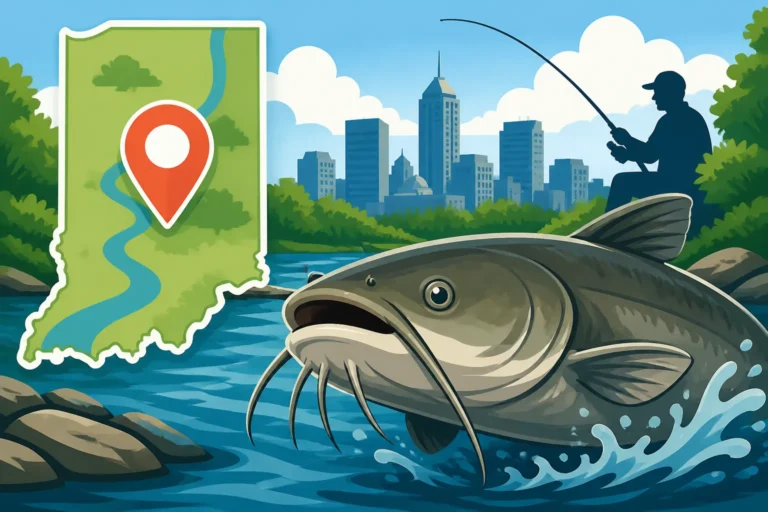
If there's one fish that truly embodies the Wabash River, it's the Channel Catfish. These whiskered warriors are incredibly abundant throughout the entire river system and offer fantastic action for anglers of all skill levels. They thrive in the often-murky, nutrient-rich waters of the Wabash, growing to impressive sizes. It’s not uncommon to pull 5-10 pounders out of the deeper holes and current breaks, and much larger specimens are always a possibility. They're strong fighters and, perhaps most importantly, they make for some excellent table fare. If you're wondering how to identify these common catches, our guide on Channel Catfish Identification Spots and Forked Tail can help you quickly distinguish them.
Targeting channel cats on the Wabash typically involves classic bottom-fishing techniques. They're not picky eaters, which is part of their appeal. You'll find success with a variety of baits, from cut shad and chicken livers to shrimp, worms, and even specially prepared stink baits. Look for them in deeper holes, around submerged logs, rock piles, or at the mouths of feeder creeks where baitfish gather. A stout rod, heavy line, and a Carolina rig or a simple slip-sinker rig are all you really need. For more specific advice on what to use, check out our article on the Best Bait for Channel Catfish in Indiana Rivers.
Smallmouth Bass: Feisty Fighters of the Flow
For those who love a challenge and a hard-fighting fish, the Smallmouth Bass is a prized catch on the Wabash, particularly in the clearer, rockier sections of the upper and middle river. These "bronze backs" are renowned for their aggressive strikes and acrobatic jumps, making every hook-up an exciting battle. While they might not reach the sheer size of their largemouth cousins in the river, what they lack in girth, they more than make up for in fight.
Smallmouth bass in the Wabash prefer areas with current, rocky bottoms, and structures like submerged logs, boulders, and current seams. They are ambush predators, so presentation is key. Small crankbaits that mimic crawfish or baitfish, spinnerbaits, tube jigs, and soft plastic grubs are all excellent choices. Fly fishing with streamers can also be incredibly effective for smallmouth in the Wabash. You’ll often find them lurking on the downstream side of any current break, waiting to ambush unsuspecting prey. Our comprehensive guide on Wabash River Smallmouth Bass Fishing Spots offers detailed insights into where to find these fantastic fish.
White Bass and Hybrids: Fast Action Fun
If you're looking for fast and furious action, especially during certain times of the year, the Wabash River's White Bass and their Hybrid Striped Bass (often called "wipers") relatives are an absolute blast. White bass are schooling fish, and when you find a school, the bite can be non-stop. They're aggressive predators that will readily strike a variety of lures, offering consistent action that's perfect for a fun day on the water, especially for younger anglers or those new to river fishing.
White bass typically run in schools, often chasing shad near the surface, particularly in spring and fall. Look for them congregating in deeper pools, around bridge pilings, or at the mouths of tributaries. Small inline spinners, jigging spoons, lipless crankbaits, and small white or silver swimbaits are incredibly effective. When the bite is on, you can catch them one after another. Hybrid Striped Bass, a cross between striped bass and white bass, offer an even harder fight and can grow much larger. While less common than pure white bass, they can be found in similar areas and respond to the same aggressive tactics, often requiring slightly heavier gear due to their size and strength.
| Fish Species | Preferred Habitat | Best Baits/Lures | General Location on Wabash |
|---|---|---|---|
| Channel Catfish | Deeper holes, submerged timber, current breaks, mudflats | Cut bait (shad, liver), worms, shrimp, stink baits | Throughout entire river |
| Smallmouth Bass | Rocky bottoms, current seams, riffles, boulders | Crankbaits (crawfish), tube jigs, spinnerbaits, soft plastics | Upper to middle river sections |
| White Bass | Open water, near current breaks, mouths of tributaries | Small inline spinners, jigging spoons, swimbaits | Middle to lower river sections, in schools |
| Hybrid Striped Bass | Deeper pools, open water near baitfish schools | Spoons, lipless crankbaits, larger swimbaits | Middle to lower river sections |
Prime Fishing Access Points Along the Wabash River
The vastness of the Wabash River means there are countless spots to wet a line, but knowing the established public access points can save you a lot of time and frustration. These spots often provide amenities like boat ramps, parking, and safe bank access. Before heading out, it's always a good idea to scout a location, especially if you plan on bank fishing, to ensure safe and legal access. Many anglers find success by researching potential spots online or even consulting with local guides through platforms like FishingBooker, which can connect you with experienced captains who know the river's secrets.
Central Indiana Hotspots Near Lafayette
The stretch of the Wabash River around Lafayette offers some fantastic opportunities for both boat and bank anglers. This area typically has a good mix of deeper holes, faster current, and varied structure, making it productive for catfish, smallmouth, and white bass.
One popular spot is Mascoma Park in Lafayette, which provides easy public access to the river. You'll find bank fishing opportunities here, and it's a great place to start, especially if you're targeting catfish or casting for smallmouth during the warmer months. Another excellent location is near Fort Ouiatenon, just west of Lafayette. While primarily a historical site, the adjacent river access allows anglers to explore productive waters. The river here can have some beautiful rocky stretches and current breaks that are ideal for smallmouth bass. Further upstream from Lafayette, the river narrows and often clears up a bit, presenting more classic smallmouth habitat. Check out our guide on Best Fishing Spots Near Lafayette, Indiana for more localized details.
For those with a boat, there are several public boat ramps available, allowing access to miles of river. These ramps are often located within city parks or managed by the Indiana Department of Natural Resources (DNR). Launching a boat allows you to cover more water, reach secluded stretches, and target deeper holes or logjams that are inaccessible from the bank. When planning your trip, consider checking out the Best Fishing Access Points on the Wabash River in Indiana for a broader overview of state-managed sites.
Southern Reaches Near Terre Haute and Vincennes
As the Wabash flows southward towards Terre Haute and Vincennes, it becomes wider, often deeper, and generally slower-moving, though strong currents can still be present, especially after heavy rains. This part of the river is particularly well-known for its robust populations of channel catfish, flathead catfish, and a strong presence of white bass and hybrid striped bass. The muddier waters here provide excellent cover and feeding grounds for these species.
Near Terre Haute, Fowler Park offers good access to the river, particularly for those looking to bank fish or launch smaller boats. There are also several other public boat ramps in Vigo County and surrounding areas that provide access to the broader, more expansive sections of the Wabash. These areas often feature large sandbars and deep outside bends where big catfish love to congregate. Fishing around the confluence of the Wabash and any major tributary in this region can also be highly productive, as these areas concentrate baitfish and provide diverse habitat.
Further south, near Vincennes, the river widens even more, and the landscape becomes flatter. This is prime territory for those targeting larger catfish, including the formidable flathead catfish, which often prefer live bait and heavier gear. The many oxbows and sloughs off the main river can also hold excellent populations of panfish and bass, especially during periods of high water. Local bait shops are fantastic resources for up-to-date information on river conditions and what's biting in these southern stretches. Remember, river conditions can change rapidly, so always check local forecasts and river levels before heading out.
Essential Gear and Techniques for Wabash River Fishing
Fishing a river like the Wabash requires a slightly different approach than fishing a tranquil lake. The current, the structure, and the common species all influence your gear choices and fishing techniques. Having the right setup not only increases your chances of success but also makes the experience more enjoyable and less prone to frustration.
Rods, Reels, and Line for River Conditions
When it comes to Wabash River fishing, versatility and durability are key. You'll want gear that can handle strong currents, powerful fish, and the occasional snag on submerged debris.
- Rods: For general-purpose river fishing, a medium-heavy to heavy action spinning or baitcasting rod, typically 6'6" to 7'6" in length, is a solid choice. This allows for casting heavier baits and lures, setting hooks firmly, and muscling fish out of cover. If you're specifically targeting larger catfish, a dedicated catfish rod with a heavy action and longer length (7'6" to 9') will give you the power and leverage needed. Our article on Best Catfish Rods for Indiana Rivers delves deeper into these specialized setups. For smallmouth bass, a medium action rod might be preferred for better feel, especially with lighter lures.
- Reels: Pair your rods with equally robust reels. Spinning reels in the 3000-4000 series are good for all-around use, while baitcasting reels with a strong drag system are excellent for heavier applications like catfishing or pitching lures for bass. Make sure your reels are in good working order and can handle the stress of river currents and strong pulls.
- Line: Monofilament line in the 12-20 lb test range is a good starting point for all-around Wabash fishing, offering good abrasion resistance for dealing with snags. For even more strength and sensitivity, many anglers opt for braided line, especially for catfishing or deep-water presentations. Braided line in 30-65 lb test (with a fluorocarbon or mono leader) can really improve your feel for subtle bites and provide the muscle needed to land big fish. The choice of line often depends on the specific species and conditions, so consider carrying different setups or spooling different lines.
Bait and Lure Strategies for Success
The Wabash River demands a flexible approach to baits and lures, as different species respond to different presentations.
- Live Bait: For catfish, live or cut bait is often king. Fresh cut shad, bluegill, or even hot dogs and chicken livers are irresistible to channel catfish. Worms (nightcrawlers, redworms) are universal baits that will catch everything from catfish and panfish to smaller bass. Live minnows can be effective for white bass and smallmouth, especially when fished under a bobber or on a lightweight jighead.
- Artificial Lures: Smallmouth bass respond well to a variety of artificials. Crankbaits that dive to different depths, especially those with crawfish patterns, are excellent. Spinnerbaits, buzzbaits, soft plastic jerkbaits, and tube jigs fished along rocky bottoms or current seams can be deadly. For white bass, small, flashy spoons, inline spinners, and clear or white jigging spoons are highly effective, especially when worked quickly through schooling fish. For those targeting catfish with artificials, scent-infused soft plastics or specially designed catfish jigs can also entice bites. Our article on Best Rigs for Catfish Fishing in the Wabash River provides more specific advice.
Navigating the Wabash: Boat vs. Bank Fishing
How you approach the Wabash can drastically change your fishing experience. Both boat and bank fishing have their unique advantages and challenges.
- Bank Fishing: Many public access points along the Wabash offer excellent bank fishing opportunities. This is a fantastic option for beginners, families, or anyone who prefers a simpler setup without the hassle of launching a boat. You can target catfish in deeper holes near the bank, cast for smallmouth along rocky shores, or set up for panfish in quieter backwater areas. The key to successful bank fishing is to be mobile and explore different stretches to find active fish. It also helps to choose spots with clear, safe footing and to be mindful of private property boundaries.
- Boat Fishing: For serious anglers, a boat—whether it's a jon boat, bass boat, or even a sturdy kayak—opens up a world of possibilities on the Wabash. A boat allows you to reach prime mid-river structure, deep channels, remote logjams, and the mouths of tributaries that bank anglers can't access. However, river boating comes with its own set of challenges, including strong currents, submerged hazards, and fluctuating water levels. Always wear your life jacket, know the river, and be aware of navigational markers and potential hazards. When booking a guided trip on the Wabash, a service like FishingBooker can help you find experienced guides with the right boats and local knowledge to safely navigate the river and put you on the fish. For those considering other central Indiana rivers, exploring options like Fishing the White River in Indiana can offer useful comparisons in terms of boating requirements.
Seasonal Fishing Patterns on the Wabash River
The Wabash River, like all dynamic river systems, experiences distinct seasonal changes that dramatically impact fish behavior and, consequently, your fishing success. Understanding these patterns is crucial for planning your trips and knowing what to expect. The Indiana fishing license year, for example, typically runs from April 1 to March 31, which means many anglers are eager to hit the water as spring arrives. Our detailed guide on Indiana Fishing License Year Explained provides all the necessary information about this annual cycle.
Spring's Awakening: Pre-Spawn and Early Bites
Spring on the Wabash River is a period of intense activity as water temperatures rise, triggering fish to move from their winter haunts and prepare for spawning. This is often one of the most productive times of the year for many species.
As early spring arrives, often in March and April, the water is still cold, but fish like crappie and white bass will begin to stage in deeper areas before moving into shallower backwaters or tributary mouths to spawn. This is a fantastic time for white bass, especially in the middle to lower river sections, as they migrate upstream to spawn, offering incredible schooling action. Smallmouth bass also become more active, feeding heavily in rocky areas and current seams as they emerge from their sluggish winter patterns. Catfish, too, start to shake off their winter lethargy and can be found in deeper holes, actively feeding. This pre-spawn period is when fish are often at their heaviest and most aggressive as they pack on calories. The warming water also marks the start of the new license year, so be sure you've got your Indiana Fishing License Requirements Explained handled before your first cast!
Summer's Steady Action: Catfish and Bass in the Heat
When summer fully settles in, with its warmer water temperatures, the Wabash River transitions into a consistent pattern, particularly for catfish. The heat doesn't deter these robust river dwellers; in fact, it often makes them even more active, especially during dawn, dusk, and even into the night.
During the dog days of summer, channel catfish are a reliable target throughout the entire river. They'll often hold in deeper, cooler holes during the brightest parts of the day, moving to shallower feeding flats and current breaks as the sun begins to set. Night fishing for catfish on the Wabash can be incredibly productive and a wonderfully peaceful experience. Smallmouth bass in the warmer months will seek out oxygenated water and current, often found around rock piles, bridge pilings, and submerged woody debris. Topwater lures can be incredibly exciting during early mornings and late evenings for smallmouth. White bass, while still present, might be less concentrated than in spring, but can still be found chasing baitfish in open water. This is truly the season for quantity and a great time to learn more about Best Time of Year to Fish in Indiana more generally.
Fall's Bounty: Transition Bites and Cooler Waters
As the cooler air of autumn sweeps across Indiana, the Wabash River undergoes another significant shift, often leading to some of the year's best fishing. The dropping water temperatures signal to fish that winter is approaching, prompting a feeding frenzy as they try to fatten up.
Fall is a prime time for smallmouth bass on the Wabash. They become incredibly aggressive, often striking at a wide range of artificial lures. Look for them in areas with good current and rocky structure. White bass also make a resurgence, often schooling up again to chase shad, similar to their spring patterns, providing excellent action. Catfish remain active throughout the fall, continuing to feed heavily as they prepare for the colder months. They might move into deeper, more stable water as temperatures drop but will still readily take baits. The changing leaves along the riverbanks also add a beautiful backdrop to your fishing adventures. If you’re considering booking a trip to experience the fall bite, FishingBooker can help you find local guides who specialize in Wabash River fishing during this bountiful season.
Wabash River Regulations and Conservation
Before you even think about casting a line into the beautiful Wabash River, it's absolutely essential to be familiar with Indiana's fishing regulations. These rules are in place not just to ensure fair chase, but more importantly, to protect the health and sustainability of our precious fisheries. Ignoring them can lead to hefty fines and a spoiled day on the water.
License Requirements and General Rules
The most fundamental rule for fishing in Indiana is that nearly everyone 18 years of age or older needs a valid fishing license. There are specific exemptions, of course, but for most adult anglers, that license is non-negotiable. Whether you're a resident or a nonresident, there are various options available, from annual licenses to shorter-term permits, ensuring you can find something that fits your needs. You can easily purchase your license online through the Indiana Department of Natural Resources (DNR) website, at authorized retailers like bait shops and sporting goods stores, or even by phone. To make sure you're squared away, a quick read of How to Get an Indiana Fishing License is always a good idea.
Beyond the license, it’s crucial to understand general statewide regulations regarding bag limits, size limits, and legal methods of take. While the Wabash is a large river, it falls under these overarching rules unless specific sections have special regulations. For instance, there are statewide limits for species like bass, catfish, and panfish. Always consult the current Indiana Fishing Guide (available online or at license vendors) to stay informed. A resource like the Indiana Fishing Regulations and Bag Limits Guide provides a comprehensive overview you’ll need to study. Remember that river conditions, like high water, can sometimes impact regulations or recommended fishing practices, so staying informed is key.
Protecting the River's Future
Anglers are often some of the most passionate conservationists, and the Wabash River absolutely needs our care and respect. It's a natural treasure, and our actions on its banks and waters directly impact its health for generations to come. Practicing responsible angling is more than just following the rules; it's about being a good steward of the environment.
One of the easiest and most impactful things you can do is to practice "Leave No Trace" principles. This means packing out everything you pack in, and perhaps even picking up a piece of litter that wasn't yours. Discarded fishing line, bait containers, and other trash not only detract from the beauty of the river but can also harm wildlife. Consider using a "catch and release" approach, especially for larger breeding fish, to help sustain populations. If you do keep fish, only take what you need and adhere strictly to bag limits. It's also important to be mindful of bait. Never release unused live bait from other water bodies into the Wabash, as this can introduce invasive species or diseases. Supporting organizations dedicated to river clean-up and conservation efforts is another fantastic way to ensure the Wabash River remains a vibrant and healthy fishery for all. When planning a fishing adventure, remember that platforms like FishingBooker often work with guides who are passionate about sustainable fishing practices, helping you fish responsibly.
Disclaimer
Please note that fishing regulations, conditions, and fish populations can change. Always consult the latest Indiana Department of Natural Resources (DNR) fishing guide and local regulations before heading out on the water. River conditions can be unpredictable, so prioritize safety, wear appropriate personal flotation devices, and be aware of your surroundings.