Fishing License Checklist Before Your First Cast
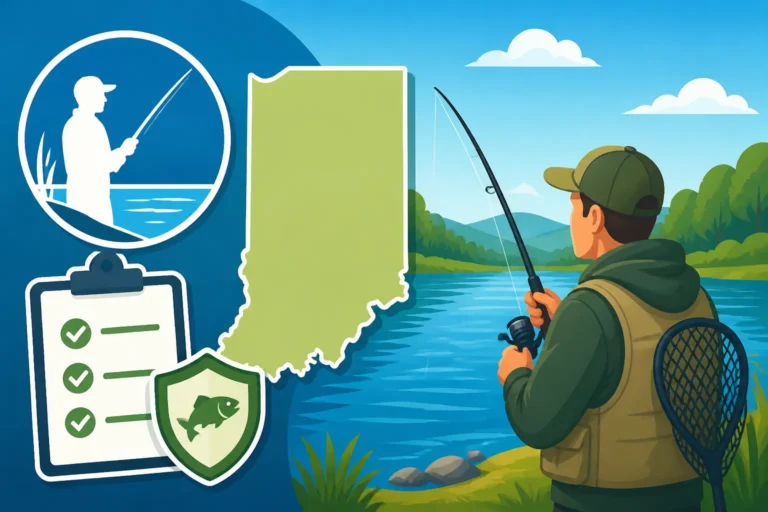
Ever get to the water, tackle box in hand, heart pounding with anticipation, only to have that sinking feeling that you might be missing something crucial? Or worse, you arrive at your favorite Indiana fishing spot and suddenly wonder if your license is even current? It's a completely relatable and frustrating scenario, but it doesn't have to be yours. This comprehensive guide is designed to provide you with an essential fishing license checklist before your first cast, ensuring you’re always legal, fully prepared, and ready for a truly enjoyable day out on the Hoosier waters.
The Undeniable Importance of Your Fishing License Checklist
Heading out for a day of fishing should be about relaxation, the thrill of the catch, and enjoying Indiana's beautiful natural landscapes, not about worrying if you've crossed every "t" and dotted every "i" with the Indiana Department of Natural Resources (IDNR). That's where a solid checklist comes into play. It’s not just about avoiding a fine – though that's certainly a significant motivator! – it's about respecting the regulations that help sustain our fisheries for generations to come.
Avoiding Unnecessary Headaches and Fines
Let's be real: no one wants to deal with a conservation officer when they're trying to unwind. Showing up without a valid fishing license or the necessary stamps isn't just a minor oversight; it can lead to some pretty hefty penalties and fines for fishing without a license. Imagine driving an hour to Patoka Lake, spending money on bait, only to be turned away or ticketed because you forgot to renew your annual license. It’s a gut-wrenching experience that’s easily preventable. A quick check of your license status, which can often be done online or through a quick phone call, can save you from a major disappointment and a lighter wallet.
Contributing to Conservation Efforts
Beyond the personal inconvenience, remembering your license means you're actively participating in the conservation efforts that make Indiana fishing so good. The funds generated from license sales directly support the IDNR's work in fish stocking programs, habitat restoration, research, and public access development. When you purchase your Indiana Fishing License Requirements Explained, you're not just buying permission to fish; you're investing in the future of the sport right here in Indiana. It’s a pretty cool feeling to know your passion is helping maintain the very thing you love.
Your Absolute Essentials: Licenses and Stamps
Alright, let's get down to brass tacks. The core of your checklist revolves around making sure your official documents are in order. This might seem obvious, but with different license types, durations, and additional stamps, it's easy to get confused.
Your Current Indiana Fishing License
This is the big one. Almost every angler in Indiana needs a valid fishing license. The critical question often boils down to: "Is my license current?" The Indiana fishing license year explained typically runs from April 1st to March 31st of the following year, which often catches people off guard if they're used to a calendar year. If you bought your last license in, say, July, it still expires the following March 31st, not the next July.
- Who Needs One? Generally, if you're 18 years old or older and not a legal resident of Indiana, you'll need a nonresident fishing license. Indiana residents aged 18 through 64 need a license. However, do Indiana residents under 18 need a fishing license? No, kids fish free until age 18 in Indiana, which is fantastic for getting the next generation hooked on fishing. Seniors aged 65 and over have special options like the $3 annual license or the Senior Fish-for-Life License, which can be a real money-saver in the long run.
- Where to Get Yours: You can easily get an Indiana fishing license online through the IDNR website, or stop by a local retailer like Walmart, many sporting goods stores, or even some bait shops. Keep your previous license information handy, as it makes the renewal process super smooth.
- Physical vs. Digital: While many prefer a physical card, the IDNR often allows you to carry proof of your license on your smartphone. Just make sure your phone is charged! A clear, readable screenshot or the official digital version is usually accepted. I always recommend having both if possible, or at least storing a printed copy in a waterproof bag, just in case technology fails you on the water.
The All-Important Trout and Salmon Stamp
If your fishing adventures take you to waters where trout or salmon might be present, especially the Lake Michigan tributaries or certain stocked streams, you’ll need an additional stamp. This is often an overlooked requirement that can lead to unexpected citations.
- When is it Required? Simply put, do you need a Trout and Salmon Stamp to fish for trout? Yes, if you plan to keep or possess trout or salmon, you absolutely need this stamp. This applies whether you're targeting big Chinook and Coho salmon in Lake Michigan's fall run, or trying for rainbow trout in one of the state's stocked streams. Even if you're primarily after bass in a stream that also holds trout, if you happen to land a trout and want to keep it, you must have that stamp.
- Cost and Where to Buy: The stamp is an additional cost on top of your base license, but it's a small price to pay for compliance and supporting these specific fisheries. Like your main license, you can purchase it online or from any authorized license vendor. It's usually integrated into the same purchase process as your annual license, making it easy to add on.
Here’s a quick overview of common Indiana fishing license options and approximate costs for residents (as of early 2024, always check current IDNR pricing):
| License Type | Resident Cost (Approx.) | Covers | Notes |
|---|---|---|---|
| Annual Fishing License | $23 | All fishing (freshwater) | Expires March 31st annually, regardless of purchase date. |
| Annual Senior Fishing License | $3 | All fishing (freshwater) | For Indiana residents 65 and older. |
| Fish-for-Life License (Senior) | $23 | All fishing (freshwater) | One-time purchase for Indiana residents 65 and older; never expires. |
| 1-Day Fishing License | $10 (Non-Res $9) | All fishing (freshwater) | Valid for 24 hours from selected start date/time. |
| 7-Day Fishing License | N/A (Non-Res $20) | All fishing (freshwater) | Good for seven consecutive days. |
| Trout & Salmon Stamp | $11 | Trout & Salmon possession | Required in addition to a fishing license for these species. |
Always check the official IDNR website for the most current pricing and details.
Beyond the License: Other Crucial Items for a Legal and Safe Trip
While having your license and stamps is foundational, a truly comprehensive checklist extends to other important items that ensure your trip is both legal and safe. Forgetting these can range from a minor inconvenience to a serious safety hazard.
Proper Identification
This might seem redundant since you just bought a license that probably verified your identity, but carrying a valid form of personal identification, like your driver's license or state ID, is still incredibly important. If a conservation officer needs to verify your identity, or if you lose your fishing license, having another official document makes the process much smoother. It's also vital in case of an emergency. Keep it in a waterproof wallet or bag, just like your fishing license. You can find excellent waterproof pouches for documents on Amazon that can attach to your tackle bag or stay securely in a pocket.
Boater Registration and Safety Gear (If Applicable)
If you're heading out on the water in anything other than a kayak or canoe without a motor, this section is for you. Boating regulations in Indiana are just as serious as fishing regulations, and they're designed to keep everyone safe.
- Current Boat Registration: Just like your fishing license, your boat needs to be properly registered with the BMV and display current decals. Make sure you have your registration card aboard the vessel.
- Life Jackets (PFDs): This is non-negotiable. Indiana life jacket requirements for every boater are clear: you need a U.S. Coast Guard-approved wearable personal flotation device (PFD) for every person on board. Children under 13 must wear one at all times while underway on any vessel. For boats 16 feet or longer (excluding canoes and kayaks), you also need a throwable device (like a ring buoy or cushion). Don't just have them; make sure they fit properly and are in good condition. You can find a wide range of approved life jackets on Amazon, from basic vests to more specialized ones for fishing.
- Sound-Producing Device: A whistle, horn, or other sound-producing device is required on all vessels. It's a simple tool that can be a lifesaver in fog or an emergency.
- Other Required Safety Gear: Depending on the size of your vessel and time of day, you might also need navigation lights, a fire extinguisher, or visual distress signals. It’s always best to consult the official Indiana Boater Safety Gear Checklist to be fully compliant.
Up-to-Date Fishing Regulations
Okay, so you have your license. But do you know the rules for the specific body of water you're fishing or the species you're targeting? Indiana fishing regulations and bag limits guide can vary significantly from one lake or river to another. For example, walleye length limits are different north and south of State Road 26, and specific lakes like Bass Lake, Wolf Lake, and Lake George have their own unique rules.
- The IDNR Guide: The official Indiana Fishing Guide is your best friend here. You can pick up a physical copy wherever licenses are sold, or download the PDF version from the IDNR website. Many anglers keep the PDF on their phone for quick reference.
- Species-Specific Rules: Before you head out, do a quick check on the species you hope to catch. What's the daily bag limit for largemouth bass? Is there a slot limit for crappie? What about walleye minimum length rules? Knowing these in advance prevents you from accidentally breaking the law. For example, how many rods can you fish with in Indiana? It’s typically three, but always good to confirm!
- Lake Michigan Rules: If you're fishing the big lake, remember that Lake Michigan fishing rules for Indiana anglers are often different from inland waters. Don't assume.
Practical Safety and Comfort Items
While not strictly regulatory, these items are crucial for a safe and enjoyable experience and should be part of any thorough checklist.
- First-Aid Kit: Accidents happen, even on the most serene fishing trips. A basic first-aid kit stocked with bandages, antiseptic wipes, pain relievers, and any personal medications is essential. You can easily find compact, waterproof fishing-specific first-aid kits on Amazon that fit perfectly in your tackle bag.
- Sun Protection: Sunburn and sunstroke can quickly ruin a day. Pack sunscreen, a wide-brimmed hat, and sunglasses.
- Hydration and Snacks: Always bring plenty of water, especially on hot days. Snacks can keep your energy levels up.
- Communication Device: A fully charged cell phone (in a waterproof case) is crucial for emergencies. If you're in a remote area, consider a satellite messenger.
Double-Checking Before You Go: Pro Tips for Peace of Mind
Even with the best intentions, it's easy to overlook something. Here are a few pro tips to make sure your fishing license checklist before your first cast is truly foolproof.
The Night Before Prep
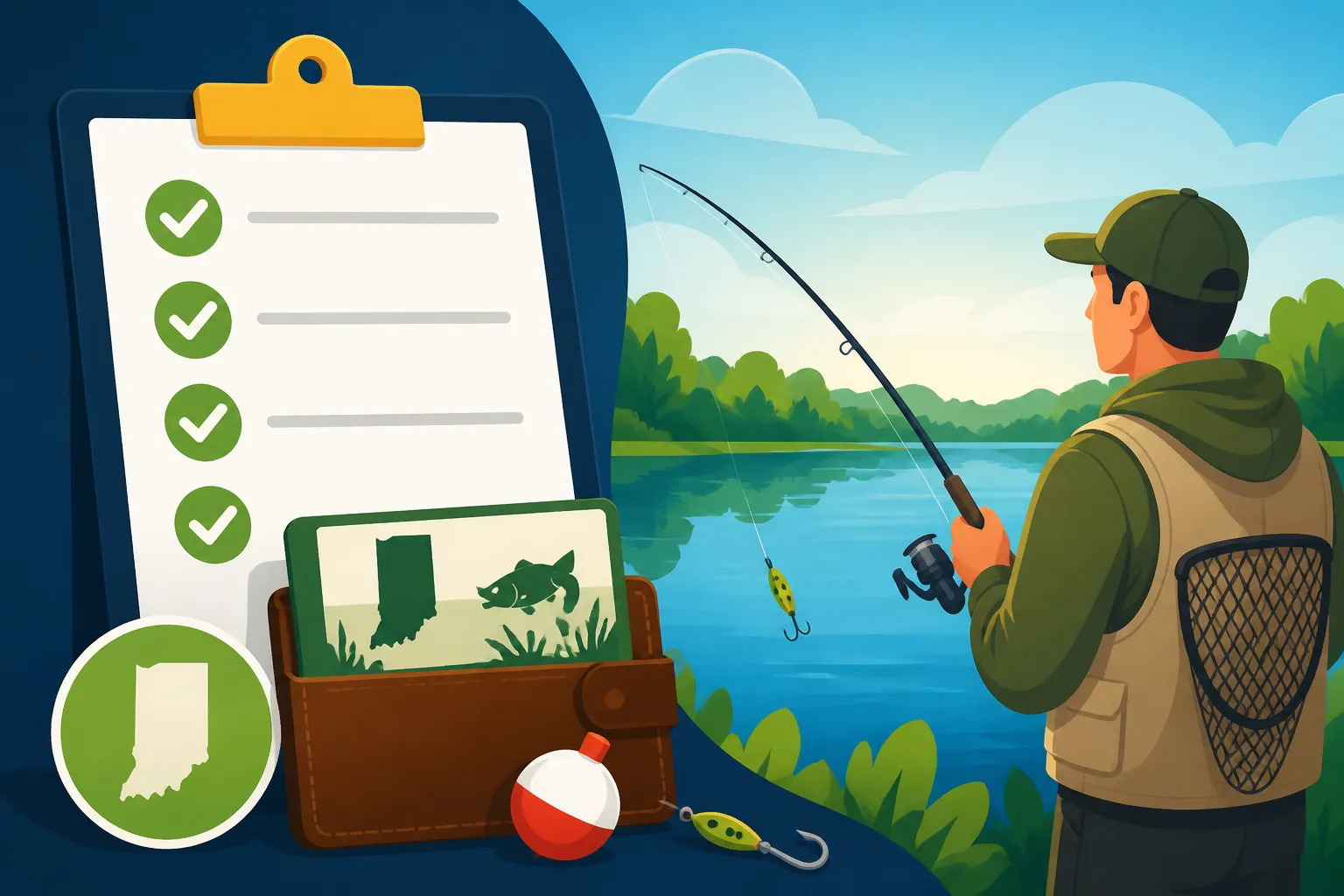
Make it a habit to lay out all your essential documents and gear the night before your trip. This includes your fishing license, any stamps, your ID, boat registration (if applicable), and any other permits. Check expiry dates on licenses and registration decals. This simple step eliminates morning rush errors. Think of it like a pilot's pre-flight checklist – everything needs to be in order before takeoff. I keep a dedicated small, waterproof pouch that holds my fishing license, trout stamp, and ID so it’s always together and ready to go.
Visual Confirmation at the Door
Before you walk out the door, or before you pull away from your driveway, do a quick visual scan. Is your tackle box in the car? Rods? Cooler? And most importantly, is that waterproof pouch with your license and ID secured in your vest pocket, tackle bag, or somewhere easily accessible? Make this a mental trigger, a final security check before you hit the road to one of the best fishing spots in Indiana.
Utilizing Digital Resources
Many anglers these days rely heavily on digital tools, and the IDNR has done a great job of providing online resources. You can often check the status of your fishing license online directly through their portal. Some even print out a backup copy of their license just in case their phone dies or gets wet. For detailed regulations, having the IDNR Fishing Guide PDF downloaded to your phone or tablet means you can quickly look up any specific rule on the spot, even without cell service.
By taking these small, deliberate steps, you transform the potential stress of regulatory compliance into a seamless part of your angling routine. You'll not only avoid unnecessary fines but also gain the peace of mind that comes from knowing you’re doing your part for Indiana’s fantastic fishing future. Tight lines, Hoosier anglers!
Disclaimer
Please note that while this guide provides comprehensive information, fishing regulations are subject to change. Always consult the official Indiana Department of Natural Resources (IDNR) website or their current Indiana Fishing Guide for the most up-to-date and complete regulations before heading out on your fishing trip. This article is for informational purposes only and should not be considered legal advice.