Indiana License Penalties: What a Citation Can Cost You
It's incredibly frustrating when you're just trying to enjoy a peaceful day on the water, only to be hit with a citation for something you might not have even realized was an issue. For many Indiana anglers, the thought of fishing without the proper license can feel like a minor oversight, but the truth is, the consequences can be much heavier than a simple slap on the wrist. This guide is here to unravel the complexities of Indiana's fishing license penalties, detailing exactly what a citation can cost you, both in terms of money and peace of mind, and how to avoid these unwelcome surprises.
Understanding Why a Fishing License is Required
Before we dive into the nitty-gritty of fines and penalties, it’s really important to grasp why these regulations exist in the first place. It’s not just about collecting fees; it's the very foundation of how Indiana keeps its fisheries healthy and thriving for all of us. When you understand the purpose, the penalties for non-compliance start to make a lot more sense, even if they're still a pain to deal with.
The Foundation of Conservation Funding
Think about all those beautiful lakes, rivers, and streams across Indiana, teeming with bass, walleye, panfish, and more. Maintaining these ecosystems, stocking fish, improving habitats, and enforcing fair fishing practices takes a lot of resources. That's where your fishing license fees come in. Every dollar collected from fishing licenses directly contributes to the Indiana Department of Natural Resources (DNR) efforts to conserve our aquatic resources. Without these funds, our fishing opportunities would quickly dwindle, and the quality of our waters would decline.
So, when someone fishes without a license, they’re essentially enjoying the benefits of these conservation efforts without contributing their fair share. It's like going to a concert without buying a ticket – you're enjoying the show, but you're not supporting the artists or the venue. This principle is why states take license violations seriously; it's about protecting a shared natural resource for future generations. It’s not just about a piece of paper; it’s about participating in the collective responsibility of stewardship.
Who Needs an Indiana Fishing License?
The rules around who needs a fishing license can sometimes feel a bit like navigating a maze, and it’s a common point of confusion that often leads to unintentional violations. Generally, if you're 18 years old or older and you're fishing in public waters in Indiana, you're going to need a license. This applies whether you're a Hoosier resident or just visiting our beautiful state for a fishing trip. We've got a great resource if you need to understand the specifics of Indiana Fishing License Requirements Explained.
There are a few key exemptions and special considerations, of course. For instance, Do Indiana Residents Under 18 Need a Fishing License? – the answer is usually no, which is fantastic for getting kids hooked on fishing early. Nonresidents definitely need a license, and the costs and options vary, which you can learn more about in our Indiana Nonresident Fishing License Guide. And don't forget the special stamps! If you're heading to the big waters of Lake Michigan or targeting certain species in designated trout streams, you might also need an Indiana Trout and Salmon Stamp Requirements in addition to your general fishing license. Failing to have the correct stamp can result in a separate citation, even if you have a valid general license. Oh, and keep an eye out for Indiana Free Fishing Days Guide throughout the year, as those are special occasions when many license requirements are waived, making it easy to introduce friends and family to the sport. However, always remember to check if Can You Fish Without a License on Free Fishing Days? covers all species, as special stamps might still be needed in some cases.
The Immediate Consequences of Fishing Without a License
Okay, let's talk about that moment no angler wants to experience: being approached by a conservation officer and realizing you're not properly licensed. It can be a truly unsettling experience, turning a relaxing day into a stressful one in an instant. Understanding what typically happens can help you navigate the situation, even if it doesn't make it any less unpleasant.
The Initial Encounter: Conservation Officer Stop
Picture this: You’re out on Monroe Lake, the sun is shining, the fish are biting, and you’re just enjoying the tranquility. Suddenly, you see a boat approaching with "DNR" emblazoned on the side, or an officer walking along the bank towards your spot. Your heart might sink a little, even if you think you're doing everything right. A conservation officer’s job is to ensure everyone is following the rules, and part of that is verifying licenses.
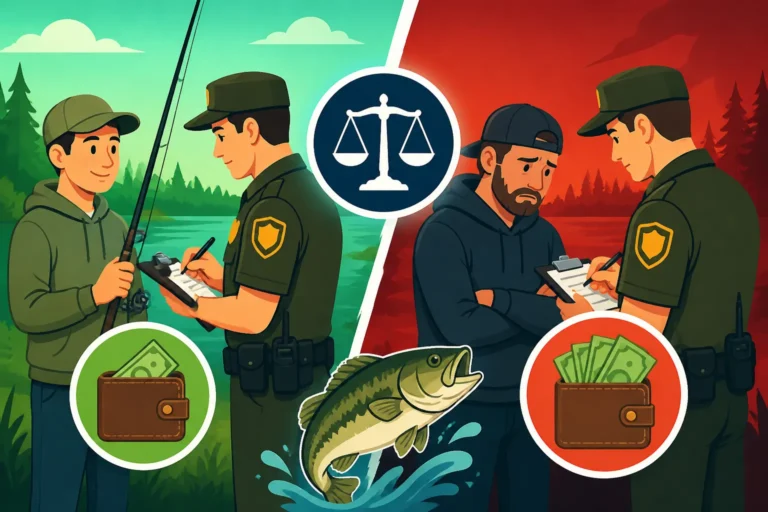
When a CO approaches, they will typically introduce themselves and ask to see your fishing license and identification. This is a routine part of their duties, and it's essential to cooperate politely and truthfully. They might also ask about your catch, what you're targeting, and if you've had any success. If you don't have a valid license, or the correct stamps for the species you're pursuing, that's when the situation shifts. They will verify your information against the state's licensing database. If no record of a valid license is found, they'll proceed with issuing a citation. It's a professional process, but one that can certainly sour your day on the water.
Receiving a Citation and Its Immediate Impact
Once it's determined you're fishing without a license, the officer will issue you a citation, which is essentially a summons to court or an order to pay a fine. Unlike a traffic ticket where the fine amount is often printed right on it, a fishing citation might not immediately state the exact monetary penalty. Often, it will inform you that you are charged with a violation and that you'll need to appear in court or follow instructions to pay a predetermined fine. The immediate impact is, of course, the interruption of your fishing trip. The officer will likely inform you that you need to cease fishing activities until you obtain a proper license.
Beyond the immediate disruption, there's a significant emotional impact. The feeling of embarrassment, frustration, and perhaps even a bit of shame can linger long after the officer has left. You might feel like your peaceful escape has been invaded, or that you're being singled out. It’s important to remember that the officers are simply doing their job to enforce laws that protect our shared natural resources. However, that doesn't make the experience any easier for the angler on the receiving end. This moment is when the true cost of not having a license begins to sink in – and it's often far more than the price of a license itself.
Breaking Down the Monetary and Legal Penalties
So, what exactly happens after you get that piece of paper? The financial and legal ramifications of fishing without a license in Indiana can vary, but one thing is certain: they will almost always outweigh the cost of simply buying a license in the first place. It's not just about a fine; there can be court costs, restitution, and even the loss of your fishing privileges.
Fines for a First Offense
Let’s be real, most people who get caught fishing without a license aren't hardened criminals; they've simply made a mistake, forgotten, or perhaps weren't aware of the specific requirements. However, ignorance of the law is rarely an excuse. For a first offense of fishing without a valid license in Indiana, you're typically looking at a Class C infraction. While this might sound minor, the associated penalties are anything but.
The actual fine can vary significantly depending on the county where the violation occurred and the discretion of the judge, if it goes to court. However, you should generally expect a fine that can range anywhere from $150 to $500. This doesn't include the additional court costs and administrative fees that inevitably get tacked on, which can easily add another $70 to $150 or more. Suddenly, that $23 annual resident license seems like a bargain, doesn't it? Our article What Happens If You Fish Without a License in Indiana? delves deeper into this, and for those wondering if there's leniency, Does a First Offense Cost Less Than a Repeat Violation? often confirms that initial offenses usually incur lower penalties than repeat violations, but they are still substantial. It's a wake-up call that hitting the water without proper documentation is a costly gamble.
Potential Jail Time and Loss of Privileges
While it's rare for a first-time, simple offense of fishing without a license to result in jail time, it's not entirely out of the question under specific circumstances. Repeated violations, or situations where you're caught fishing without a license alongside more severe infractions—such as poaching, exceeding bag limits, fishing during a closed season, using illegal methods, or even providing false information to a conservation officer—can quickly elevate the charge. These actions can turn a civil infraction into a misdemeanor offense, which does carry the potential for jail time (up to 60 days for a Class B misdemeanor, or up to 180 days for a Class A misdemeanor, depending on the severity and specific statutes).
Perhaps more disheartening for an avid angler than a fine or even a brief jail stint is the loss of fishing privileges. A court can order the suspension of your fishing license for a specified period, often a year or more. Imagine an entire year, or longer, where you legally cannot wet a line. For someone who lives for the peace and thrill of fishing, this can feel like an incredibly harsh punishment. It's a stark reminder that these regulations aren't just suggestions; they're serious rules designed to protect the resource we all enjoy. This aspect of the penalty is often the most impactful, as it directly curtails the very activity you were trying to enjoy.
Restitution for Taken Wildlife
Here’s a penalty that often catches anglers by surprise and can significantly inflate the cost of a citation: restitution. Beyond the fines, court costs, and potential loss of privileges, if you've illegally taken fish without a license, the state can require you to pay restitution for the value of those fish. This isn't just about the market value of the fish; it's about the ecological and recreational value, which the state assesses.
The Indiana Department of Natural Resources (DNR) has established values for various species of fish. For example, a common panfish might have a restitution value of a few dollars, but a trophy bass, walleye, or a salmon caught on Lake Michigan could be valued at significantly more, sometimes tens or even hundreds of dollars per fish, especially if it's a larger specimen or a species that required specific stocking efforts. If you're caught with multiple illegally taken fish, these restitution costs can quickly add up, turning a relatively small fine into a four-figure bill. This aspect of the penalty really drives home the message that fish are a public trust resource, and taking them illegally comes with a steep price beyond just a basic fine. It's part of the comprehensive approach described in Penalties and Fines for Fishing Without a License.
Avoiding the Headaches: Getting Your License
Clearly, the pain of a fishing license citation far outweighs the simple act of obtaining your license beforehand. The good news is, getting an Indiana fishing license is incredibly easy and convenient these days, so there’s really no excuse to skip it. A few minutes of your time can save you hundreds, if not thousands, of dollars and a whole lot of stress.
Easy Ways to Purchase a License
The Indiana DNR has made it remarkably straightforward to get your fishing license, ensuring that convenience is no longer a barrier. The most popular and often quickest way is to purchase it online. You can do this from the comfort of your home, on your computer, tablet, or even your smartphone. Simply head to the Indiana DNR's online licensing system, fill out your information, pay, and you can usually print a temporary license right away or save a digital copy to your phone. We've got a step-by-step guide on Buying a Fishing License Online in Indiana if you need a little help.
If you prefer a more traditional route, you can also purchase your license in person at hundreds of authorized license vendors across the state. This includes many bait and tackle shops, sporting goods stores like those found in larger retail chains, and even some county clerk offices. These vendors can print your official license for you on the spot. While you can’t buy the actual license itself on Amazon, it's an excellent place to stock up on all your fishing gear, from new lures to a comfortable fishing chair, ensuring you’re fully equipped before hitting the water. Always double-check that you have your current license with you, whether it's a physical card or a digital copy on your phone, whenever you head out to fish.
What License Do You Actually Need?
Understanding which license you need is the next crucial step. Indiana offers a variety of license types to fit different situations, and choosing the right one can save you from unnecessary complications. For most resident anglers, the Indiana Resident Annual Fishing License Cost is a straightforward and affordable option, covering you for an entire license year (which runs from April 1st to March 31st).
If you’re only planning a short trip or visiting from out of state, there are nonresident 1-day or 7-day licenses available, which are perfect for a quick weekend getaway. Senior citizens, bless their hearts, have excellent options, including the extremely cost-effective Indiana Senior Fish-for-Life License Cost: $23 One-Time, which is an incredible deal compared to paying annually over many years.
Beyond the general fishing license, remember those special stamps! If your fishing adventures include targeting trout or salmon, particularly in Lake Michigan or designated streams, you’ll definitely need to add the Indiana Trout and Salmon Stamp Requirements to your purchase. This stamp is an additional fee, but it's mandatory for those specific species. Don't let the thought of navigating these choices overwhelm you; a quick review of the DNR website or a chat with a knowledgeable clerk at your local bait shop can help you pinpoint exactly what you need. It’s a small investment for peace of mind and legal enjoyment of Indiana’s fantastic fishing opportunities.
| Item | Estimated Cost | Notes |
|---|---|---|
| Indiana Resident Annual License | $23 | Plus transaction fees. Valid April 1 – March 31. |
| Indiana Nonresident Annual License | $60 | Plus transaction fees. Valid April 1 – March 31. |
| Nonresident 7-Day License | $20 | Plus transaction fees. |
| Indiana Trout/Salmon Stamp | $11 | Required in addition to a fishing license for specific species. |
| Senior Fish-for-Life License | $23 (one-time) | For Indiana residents 65 and older. Does not include Trout/Salmon Stamp. |
| Minimum Fine for No License (1st offense) | $150 – $500 | Varies by county/judge, plus court costs and fees. |
| Restitution per fish (example) | $10 – $100+ | Depends on species and size; e.g., a trophy bass has higher value. |
| Court Costs/Administrative Fees | $70 – $150+ | Added to any fine or restitution. |
Disclaimer
The information provided in this guide is for general informational purposes only and does not constitute legal advice. While we strive to provide accurate and up-to-date information, fishing regulations and penalties can change. Always consult the official Indiana Department of Natural Resources (DNR) website or legal counsel for the most current and specific regulations applicable to your situation. Fishing without a proper license can result in significant fines and legal consequences.