What a Michigan Resident Needs Before Crossing the State Line to Fish
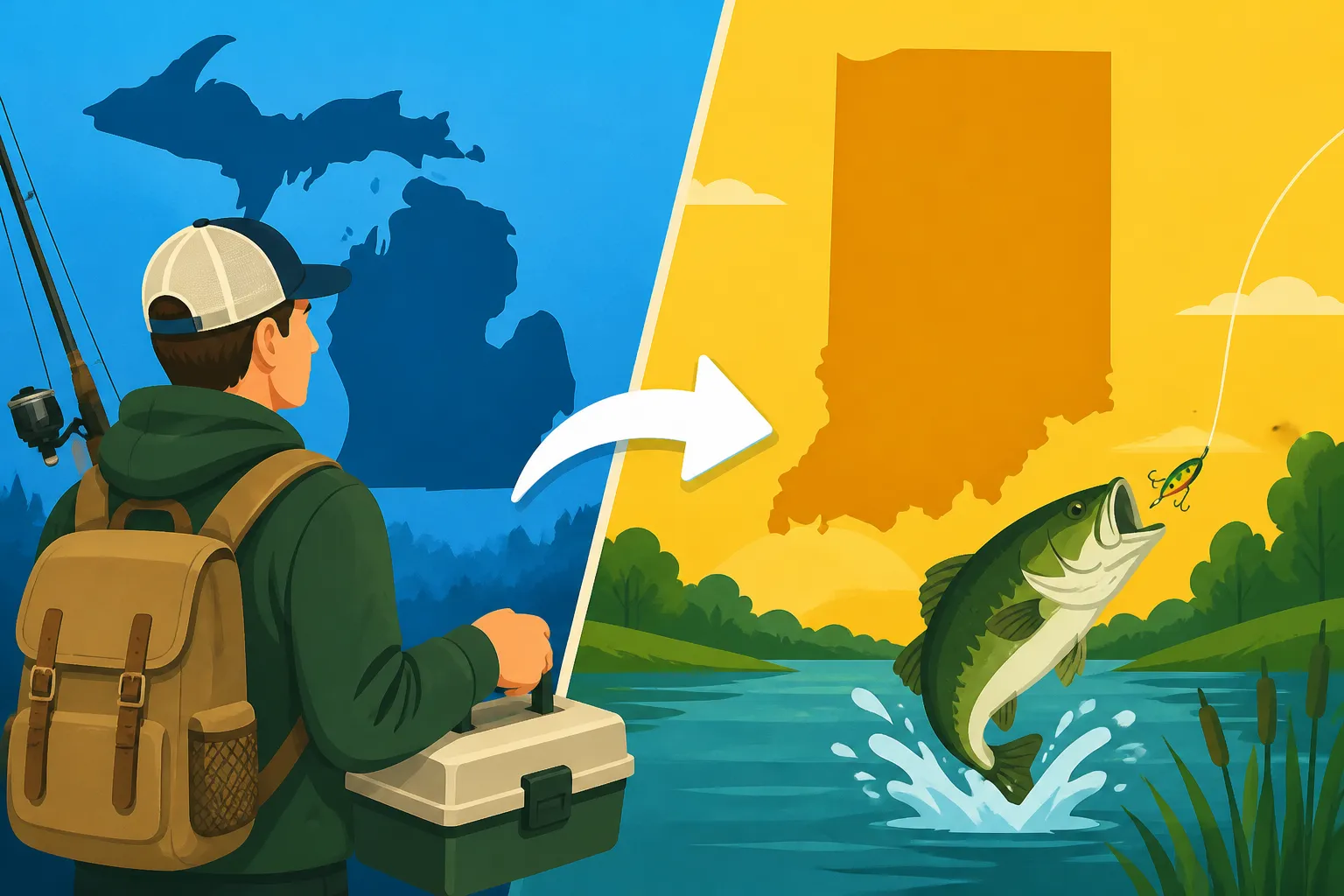
It's incredibly frustrating when you live right on the border of a fantastic fishing state like Michigan, and you're eyeing those Indiana waters, but you're just not sure what paperwork you need. The rules can feel like a tangled mess of fishing line, making you second-guess if it's even worth the hassle. This comprehensive guide will clear up all the confusion, detailing exactly what a Michigan resident needs to legally and enjoyably fish in Indiana's diverse waters.
Understanding Indiana's Nonresident Fishing License Rules
Crossing state lines to cast a line is a common practice, especially for those of us living close to the Michigan-Indiana border. You might be just a short drive from Lake Michigan's Indiana shoreline or the quiet streams of northern Indiana, but the excitement can quickly turn to anxiety when you realize your home state's fishing license won't cut it. Indiana has its own set of rules, and as a nonresident, you'll need to adhere to them.
Why Your Michigan License Isn't Enough
The most crucial piece of information any Michigan angler needs to grasp is that your Michigan fishing license is not valid in Indiana waters, with very few and specific exceptions related to reciprocal agreements on border waters (which we'll touch on later). This isn't just an Indiana thing; it's a standard practice across state lines for most fishing licenses. Each state manages its own wildlife and natural resources, and the funds generated from license sales directly support local conservation efforts, fish stocking programs, habitat restoration, and enforcement in that specific state.
Think of it like this: if you're driving into Indiana, you wouldn't expect your Michigan driver's license to excuse you from paying Indiana tolls or following Indiana's specific traffic laws. Fishing licenses work similarly. They are a permit granted by the state of Indiana, allowing you to participate in their managed fisheries. Ignoring this fundamental rule can lead to significant penalties, turning a relaxing day on the water into a costly headache. It’s always better to be safe than sorry, especially when an Indiana conservation officer approaches.
Nonresident License Options: Short-Term vs. Annual
Indiana offers several flexible options for nonresidents, catering to both spur-of-the-moment day trips and longer fishing vacations. You don't have to commit to a full annual license if you're only planning a quick visit or two. Understanding these options can save you money and ensure you're covered for the duration of your stay.
The most common options are the 1-Day, 7-Day, and Annual Nonresident licenses. The choice depends entirely on your planned fishing frequency in Indiana. If you're just popping over for a single weekend excursion, the short-term options are perfect. However, if you anticipate making multiple trips throughout the fishing season, an annual license might be more economical in the long run. You can find detailed breakdowns of these costs and choices in our guide on Indiana Fishing License Costs for Residents and Nonresidents.
Let's look at a quick comparison of the typical costs (prices are subject to change, so always check the official IDNR website):
| License Type | Cost (Approx.) | Ideal For |
|---|---|---|
| Nonresident 1-Day | $9 | A single fishing trip to Indiana |
| Nonresident 7-Day | $20 | A weekend getaway or short vacation |
| Nonresident Annual | $60 | Multiple trips throughout the year (April 1 – March 31) |
Many Michigan anglers find that if they plan on fishing more than three separate 1-day trips or two 7-day trips, the annual license quickly pays for itself. The Indiana Fishing License Year Explained article provides more clarity on how that annual cycle works.
Age Requirements for Nonresident Anglers
Just like in Michigan, Indiana has specific age requirements regarding who needs a fishing license. This is great news for families with younger anglers! In Indiana, any nonresident who is 18 years of age or older needs a valid fishing license. This means that if your child is under 18, they can fish in Indiana without needing their own nonresident license.
This policy makes Indiana an incredibly family-friendly destination for fishing trips. Imagine bringing your whole crew down to Monroe Lake or Patoka Lake, and only the adults need to worry about purchasing a license. It’s a wonderful way to introduce kids to the joys of fishing without the added expense or hassle of extra paperwork. You can learn more about this in our article Free Fishing for Indiana Residents Under 18, which applies to nonresidents under 18 too! However, remember that even if kids don't need a license, they still need to abide by all other Indiana fishing regulations, such as bag limits and length restrictions.
Essential Add-ons and Specific Regulations
Getting your basic nonresident license is step one, but Indiana's diverse fisheries mean there might be a few additional requirements or specific rules to keep in mind, especially if you're targeting certain species or fishing in particular bodies of water. Don't let these catch you off guard – a little preparation goes a long way.
The Indiana Trout and Salmon Stamp: Do You Need It?
Ah, the dreaded "stamp" question! Many anglers mistakenly believe that if they aren't specifically targeting trout or salmon, they don't need the extra stamp. In Indiana, the rule is quite clear: if you are fishing for or possessing trout or salmon, you must have an Indiana Trout and Salmon Stamp, in addition to your regular fishing license. This applies whether you're a resident or a nonresident.
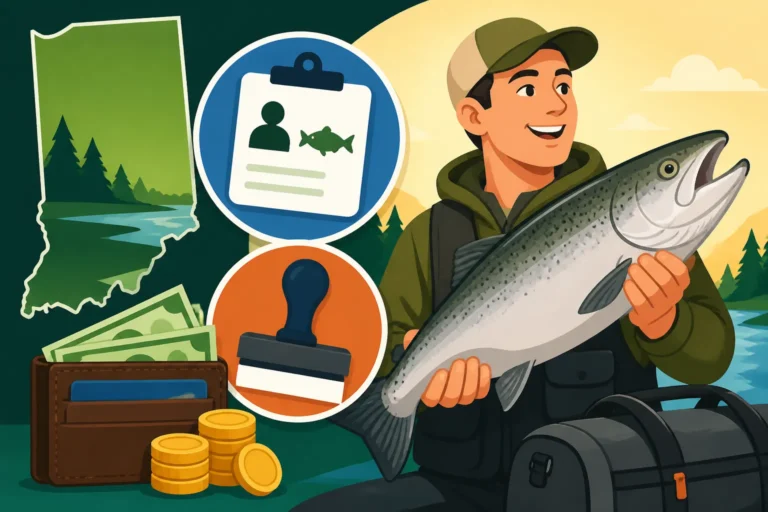
This is particularly important for Michigan anglers who often travel to Indiana's Lake Michigan shoreline. The Indiana waters of Lake Michigan are teeming with Chinook salmon, Coho salmon, Steelhead (rainbow trout), and brown trout, especially during the thrilling fall runs. If your plan involves casting for these magnificent sport fish, that stamp is non-negotiable. Even if you accidentally catch one while bass fishing, technically you need the stamp to legally possess it. The cost is a small additional fee, usually around $11, and it's easily added when you purchase your main license. Budgeting for this stamp, especially before a Lake Michigan trip, is crucial for Michigan anglers heading south. Our guide on Do You Need a Trout and Salmon Stamp to Fish for Trout? delves deeper into this.
Lake Michigan-Specific Regulations for Border Anglers
For Michigan residents, fishing Indiana's portion of Lake Michigan might seem like a natural extension of your home waters, but it's vital to remember that each state bordering the Great Lakes has its own distinct regulations. Indiana's Lake Michigan fishery is a unique ecosystem, and the Indiana Department of Natural Resources (IDNR) has specific rules to manage it.
These rules often differ from the statewide Indiana regulations for inland lakes and rivers, and they almost certainly differ from what you're used to in Michigan. For example, bag limits and length restrictions for salmon, trout, and even some panfish can vary. It's not uncommon for Michigan anglers to get confused by these changes, but ignorance is no defense. Always make sure to Check Lake Michigan Fishing Rules Before You Cast when you're fishing Indiana waters. The IDNR website is your best friend here, providing up-to-date information that can prevent accidental violations. You might even find specific details about the best times for the Fall Salmon Run Fishing on Lake Michigan in Indiana that align with Indiana's unique rules.
Reciprocity with Michigan: Where Does It Apply?
This is where things can get a little tricky, and often leads to confusion for anglers on both sides of the border. While a general Michigan fishing license isn't valid statewide in Indiana, there are limited reciprocal agreements that allow some cross-state fishing without needing a separate license. However, these are very specific and usually apply to shared border waters.
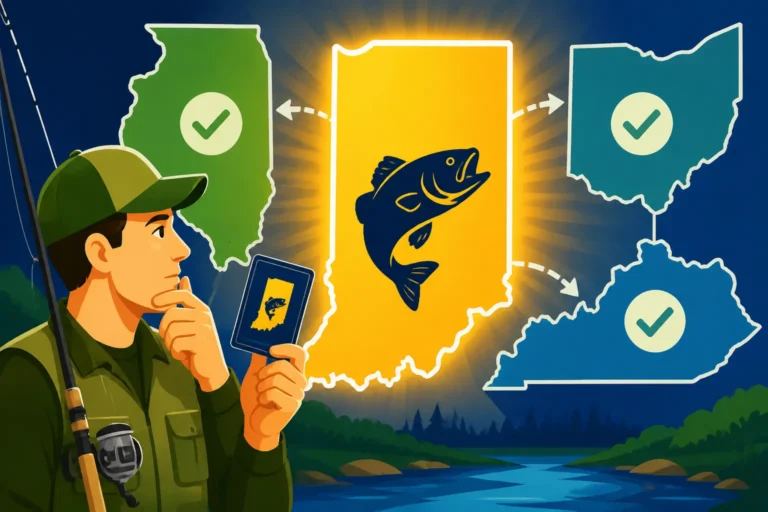
Currently, Indiana has a reciprocal agreement with Michigan for Lake Michigan only. This means that if you have a valid Michigan fishing license, you do not need an Indiana fishing license to fish in the Indiana waters of Lake Michigan, provided you are staying within the main basin of the lake and not venturing into Indiana's tributary streams or harbors.
This is a huge relief for many Michigan anglers who want to explore different parts of the lake. However, it's absolutely crucial to understand the limitations:
- Lake Michigan Only: This reciprocity agreement applies only to Lake Michigan itself. If you decide to fish the St. Joseph River, the Little Calumet River, or any other Indiana tributary or inland lake, you will need a valid Indiana nonresident license and potentially an Indiana Trout and Salmon Stamp if you're targeting those species.
- No Inland Waters: Do not assume this means you can fish any Indiana water. Even venturing a short distance into a river mouth could put you in violation if you don't have an Indiana license.
- Keep Up-to-Date: Reciprocity agreements can change, so always double-check the latest regulations from both the Michigan DNR and Indiana IDNR before heading out.
Our article on Indiana Fishing License Reciprocity With Michigan provides a much more in-depth look at these specifics. For other border states, similar agreements might exist, but each is unique.
How to Purchase Your Indiana Nonresident License
So, you've decided which license you need. Now, how do you actually get your hands on one? The process is thankfully pretty straightforward, designed to be as convenient as possible for out-of-state anglers. You have a couple of primary options, and both are relatively quick.
Buying Online: The Easiest Way
For most busy anglers, especially those planning ahead, purchasing your Indiana nonresident fishing license online is by far the easiest and quickest method. The Indiana Department of Natural Resources (IDNR) website hosts a secure portal where you can buy and print your license in minutes from the comfort of your own home, well before you ever cross the state line. This eliminates the stress of finding a vendor once you're already on your trip or worrying about store hours.
The online system is intuitive, guiding you through the selection of your license type (1-day, 7-day, annual nonresident) and any necessary stamps, like the Trout and Salmon Stamp. You'll simply need to input some personal information, make your payment, and then you'll receive a printable license. I always recommend printing a physical copy to keep in your tackle box or wallet, and also saving a digital copy on your phone. While digital copies are often accepted, having a physical backup is never a bad idea, especially if you find yourself in an area with poor cell service. Many anglers even pick up small, waterproof wallets on platforms like Amazon to keep their licenses safe and dry. Our guide on Buying a Fishing License Online in Indiana walks you through the step-by-step process.
In-Person Options and Local Retailers
If you're more of a spontaneous angler or prefer a face-to-face transaction, you can certainly purchase your nonresident fishing license in person once you arrive in Indiana. Licenses are sold at numerous authorized license vendors throughout the state. These typically include:
- DNR Offices: Regional IDNR offices will have licenses available.
- Sporting Goods Stores: Larger retailers like Bass Pro Shops or Cabela's, as well as many local independent tackle shops, usually sell licenses.
- Walmart and Kmart: Many larger chain stores with sporting goods departments are authorized vendors.
- Bait and Tackle Shops: Smaller, local bait shops are often the heartbeat of the fishing community and almost always sell licenses.
When buying in person, you'll still need to provide the same personal information as you would online. It's a good idea to have a photo ID handy. This option is particularly useful if you make an unplanned decision to fish or if you realize you forgot to purchase your license online before leaving Michigan. Just remember to factor in the time it takes to locate a vendor and complete the transaction, especially if you're heading straight for the water.
What Information You'll Need
Regardless of whether you buy your Indiana nonresident fishing license online or in person, you'll need to provide some standard personal information. This is pretty typical for any state's licensing process and helps the IDNR maintain accurate records and manage their fisheries effectively.
Expect to provide:
- Full Name: Your legal first and last name.
- Date of Birth: To verify age and eligibility.
- Address: Your current home address in Michigan.
- Driver's License or State ID Number: This is generally required for identification.
- Physical Description: Sometimes height, weight, hair, and eye color are requested.
Having this information readily available will make the purchase process much smoother. If you're buying online, a credit or debit card will also be necessary for payment. It's a quick process that takes just a few minutes, allowing you to get to the important business of fishing!
Avoiding Common Mistakes and Penalties
No one wants their fishing trip to end with a ticket, especially after making the effort to travel to new waters. As a nonresident, it's easy to accidentally overlook a regulation you're not familiar with. Understanding the potential pitfalls and how to steer clear of them is just as important as knowing where to buy your license.
Consequences of Fishing Without the Correct License
Fishing without a valid Indiana fishing license (or without the correct stamp, if required) is considered a violation of state law. This isn't just a minor slap on the wrist; the penalties can be significant, ranging from hefty fines to potential confiscation of your gear. The exact cost and repercussions can vary depending on the specific violation, the county you're in, and whether it's a first offense or a repeat violation. Our detailed article on What Happens If You Fish Without a License in Indiana? gives you a good idea of what's at stake.
Imagine driving all the way from Michigan, spending money on gas and bait, only to have a conservation officer inform you that you're in violation. Not only could you face a fine that far exceeds the cost of a license, but you might also have your fishing privileges revoked temporarily. It’s a surefire way to ruin a relaxing day and leave a sour taste in your mouth. Always make sure your license is easily accessible, whether it's a physical printout in your wallet or a digital copy on your phone, so you can present it immediately if asked. This helps demonstrate compliance and cooperation.
Double-Checking Regulations Before You Go
Beyond the license itself, Indiana has a comprehensive set of fishing regulations that all anglers, resident and nonresident alike, must follow. These regulations cover everything from daily bag limits for specific species (like bass, walleye, or crappie) to minimum length requirements, restrictions on certain types of bait or tackle, and even rules for specific lakes or rivers. For instance, the Indiana Walleye Length Limits by Lake shows how nuanced these rules can be, with exceptions for places like Bass Lake or Wolf Lake.
As a Michigan resident, it’s imperative that you don't assume Indiana's regulations mirror Michigan's. They very often do not. Before every trip, especially if you're exploring a new body of water in Indiana, take a few minutes to:
- Visit the IDNR Website: This is the authoritative source for all current Indiana fishing regulations. Look for their current fishing guide, which is usually available as a downloadable PDF.
- Check for Special Regulations: Some lakes, particularly those with unique management plans or ongoing studies, might have special regulations that supersede the general statewide rules. These are usually listed prominently in the IDNR guide.
- Review Bag and Size Limits: Pay close attention to the species you plan to target. A legal-sized bass in Michigan might be undersized in an Indiana lake, or vice versa. The Indiana's Statewide Bass Daily Bag Limit is a great example of a core rule to know.
- Consider Your Gear: While checking out new gear on sites like Amazon is fun, also ensure your tackle choices align with Indiana’s rules. Some states have restrictions on treble hooks or specific lure types in certain waters.
Taking these proactive steps will ensure your fishing adventure across state lines is not only successful but also completely legal and stress-free. Happy fishing, Hoosier-bound anglers!
Disclaimer
The information provided in this guide is for general informational purposes only and does not constitute legal advice. Fishing regulations and license requirements are subject to change. Always consult the official Indiana Department of Natural Resources (IDNR) website or their current fishing guide for the most up-to-date and accurate information before engaging in any fishing activities.