Best First Aid Kits for Indiana Boaters
We've all been there: a perfect day out on the water, the sun is shining, the fish are biting, and then bam – a minor mishap turns into a major headache because you're miles from shore and don't have the simplest things on hand. Whether it's a scraped knee from slippery decks, a nasty hook stuck in a finger, or a sunburn that sneaks up on you, unexpected emergencies can quickly spoil a trip. This comprehensive guide is dedicated to helping Indiana boaters assemble and maintain the best possible first aid kit, ensuring you're prepared for whatever minor medical issues might arise while enjoying our beautiful lakes and rivers.
Why a First Aid Kit is Non-Negotiable on Indiana Waters
Thinking you won't need a first aid kit on your boat is a bit like thinking you won't need a spare tire in your car – you hope you don't, but you absolutely want it if you do. Out on the water, whether you're navigating the vast expanses of Lake Michigan or exploring a quiet cove on Monroe Lake, help isn't always a quick phone call and a five-minute drive away. Preparedness isn't just a suggestion; it's a vital part of responsible boating.
Unexpected Accidents Can Happen Anywhere
The beauty of Indiana's waterways often means venturing into serene, less populated areas. While these spots are fantastic for fishing and relaxation, they also mean longer response times from emergency services should something serious occur. Even in more frequented spots, a medical emergency can escalate quickly. Imagine hooking a particularly feisty bass, and in the struggle, the hook ends up embedded in your hand. Or maybe someone slips on a wet deck, resulting in a deep cut. Perhaps a child gets stung by a bee, and you discover they have a mild allergic reaction. These aren't far-fetched scenarios; they're common occurrences that can be managed with the right supplies, preventing them from becoming much worse. Without a well-stocked first aid kit, a minor incident can turn into a serious problem, potentially jeopardizing your trip and even requiring an emergency evacuation. This isn't about being paranoid; it's about being practical and ensuring the safety and well-being of everyone on board. It’s as crucial as having the right Best Life Jackets for Indiana Boaters for everyone.
Meeting Indiana's Boating Safety Recommendations
While Indiana doesn't always mandate specific items for a recreational boat's first aid kit, the spirit of safe boating heavily implies preparedness. The Indiana Department of Natural Resources (DNR) encourages all boaters to be ready for emergencies, and a first aid kit is fundamental to that readiness. Just as you'd ensure your boat is properly registered and equipped with necessary Indiana Boater Safety Gear Checklist like fire extinguishers and sound-producing devices, a first aid kit should be high on your list. It shows a commitment to safety, not just for yourself, but for your passengers, especially if you have children or individuals with specific health needs. Think of it as an extension of your overall boat safety plan. Taking a boater education course, for example, often covers scenarios where basic first aid knowledge and supplies are critical, reinforcing the need for a comprehensive kit on board. You wouldn't think twice about reviewing Indiana Boater Education Course Requirements, so why skimp on something that directly addresses personal safety?
What to Look for in a Basic Marine First Aid Kit
When it comes to first aid kits for your boat, it’s not about having everything but having the right things. The marine environment presents unique challenges, from wet conditions to the types of injuries common to fishing and boating. A good kit should address these specific needs, covering everything from superficial scrapes to more urgent issues.
Essential Supplies for Minor Injuries
Most incidents on the water will fall into the "minor injury" category, but if left untreated, even small cuts or burns can lead to infection or greater discomfort. Your basic kit should be robust enough to handle these common issues efficiently.
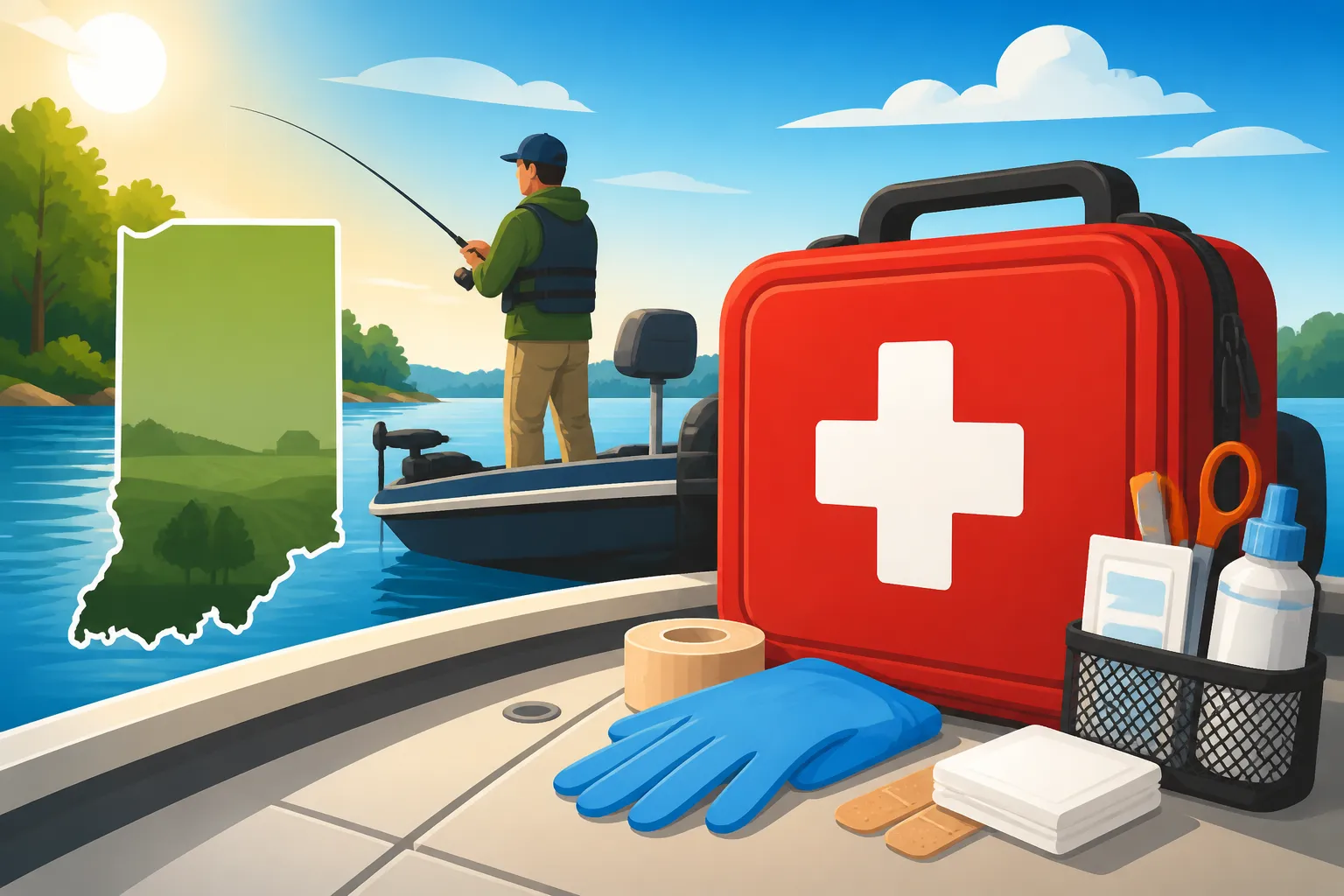
- Assorted Bandages and Gauze: This is your bread and butter. You'll need various sizes of adhesive bandages (Band-Aids, for instance), sterile gauze pads, and adhesive tape. A simple slip on a wet dock or a brush against a sharp edge of the boat can lead to a cut that needs covering. Gauze is crucial for larger wounds or to apply pressure if there's significant bleeding before you can get back to shore. Don't forget some butterfly closures or steri-strips for deeper cuts that might need a little extra help to close.
- Antiseptic Wipes and Solution: Cleaning wounds immediately is paramount to prevent infection, especially in a marine environment where bacteria can thrive. Individually wrapped antiseptic wipes (like BZK wipes) are convenient, as is a small bottle of antiseptic solution (like iodine or chlorhexidine). These are invaluable for disinfecting cuts, scrapes, and even puncture wounds from fish spines before bandaging them up.
- Pain Relievers and Anti-inflammatories: Headaches from too much sun, muscle aches from fighting a big fish, or minor sprains from an awkward movement are common. Over-the-counter pain relievers like ibuprofen or acetaminophen are essential. Anti-inflammatory creams or gels can also be a lifesaver for sprains or bruises.
- Tweezers and Magnifying Glass: For those inevitable fish hooks! Tweezers are also great for splinters from wood or fiberglass. A small magnifying glass can help identify tiny foreign objects in the skin, making removal much easier and more precise.
- Sunscreen and Lip Balm: Prevention is a huge part of first aid. The sun's reflection off the water intensifies UV exposure, leading to severe sunburns. Include a high SPF, waterproof sunscreen. Medicated lip balm with SPF will protect against chapped, burned lips.
- Insect Repellent and Anti-itch Cream: Mosquitoes, gnats, and horseflies can be relentless, especially in secluded fishing spots. Insect repellent is a must. For bites that still get through, hydrocortisone cream or an antihistamine cream can provide much-needed relief from itching and swelling, preventing further irritation or secondary infection from scratching.
- Small Scissors: Useful for cutting gauze, tape, or even clothing if needed to access a wound. Just make sure they are sturdy and preferably stainless steel to resist rust in the humid boat environment.
- Nitrile Gloves: Always have several pairs of disposable gloves to protect both the injured person and the rescuer from potential infection when dealing with open wounds or bodily fluids.
Advanced Additions for Serious Situations
While minor issues are most common, being prepared for more serious situations can make a critical difference. These additions might not be in every basic kit, but they are wise investments for frequent or long-distance boaters.
- Tourniquet and Pressure Bandages: In the event of severe, arterial bleeding from a limb, a properly applied tourniquet can be life-saving. Knowing how to use one is crucial. Similarly, large, absorbent pressure bandages can help control significant bleeding until professional medical help arrives.
- Splints and Triangular Bandages: A broken bone or severe sprain can occur from a fall or accident. Compact, moldable splints (like SAM splints) can stabilize an injured limb, preventing further damage and reducing pain during transport. Triangular bandages are versatile for creating slings, securing splints, or even acting as a large bandage.
- Allergy Medication (Antihistamines/Epinephrine Auto-injector): If anyone on board has known severe allergies (e.g., to bee stings, certain foods), ensure their prescribed epinephrine auto-injector (e.g., EpiPen) is readily available and not expired. For less severe allergic reactions, oral antihistamines can help manage symptoms like hives or swelling.
- Burn Gel or Dressings: Accidental contact with hot engine parts or an open flame from a portable stove can lead to burns. Specialized burn gels or sterile burn dressings can provide immediate relief and protect the wound.
- Rescue Blanket (Mylar Blanket): These lightweight, compact blankets are invaluable for treating shock or hypothermia, common in accidents or if someone falls overboard in cold water. They reflect body heat and offer surprisingly effective insulation.
- CPR Face Shield: If you are trained in CPR, a face shield or barrier device can protect you while performing rescue breaths. While we hope to never use it, having one is a prudent measure for any boater.
- Waterproof Flashlight/Headlamp: Crucial for examining injuries in low light conditions or if an emergency extends into the evening.
Here's a quick comparison of essential versus advanced items:
| Item Type | Essential for Minor Injuries | Advanced Additions for Serious Situations |
|---|---|---|
| Wound Care | Assorted adhesive bandages, sterile gauze, antiseptic wipes, tape | Large pressure bandages, hemostatic gauze |
| Medication | Pain relievers (ibuprofen/acetaminophen), anti-itch cream | Prescription allergy meds (EpiPen), oral antihistamines, burn gel |
| Tools | Tweezers, small scissors, magnifying glass, nitrile gloves | Tourniquet, moldable splint, CPR face shield |
| Preventative/Comfort | Sunscreen, lip balm, insect repellent | Rescue blanket (mylar), waterproof flashlight/headlamp |
| Support/Immobilization | N/A | Triangular bandages, medical adhesive tape (stronger) |
Choosing the Right Kit: Pre-Made vs. DIY
Once you have a good grasp of what you need, the next step is deciding how to get it all. You essentially have two main paths: buying a pre-assembled first aid kit or building your own custom version. Both have their advantages, depending on your needs, budget, and how much time you want to invest.
The Convenience of Pre-Made Kits
For many busy boaters, a pre-made marine first aid kit is an incredibly appealing option. These kits are specifically designed for aquatic environments, often featuring waterproof or water-resistant cases and contents tailored to common boating injuries. They take the guesswork out of assembly, ensuring you have a baseline of essential items without having to source each one individually.
You can find a wide variety of these kits, ranging from compact, basic pouches perfect for a small fishing boat to comprehensive, multi-compartment kits designed for larger vessels or extended trips. Popular outdoor and marine retailers, such as Bass Pro Shops, offer a range of specialized marine first aid kits. Many boating enthusiasts also turn to online platforms like Amazon, where you can compare different brands, read reviews, and find kits that fit various price points and feature sets. When looking at these, pay attention to the item list to ensure it covers what you anticipate needing, and check the quality of the case – a truly waterproof and durable case is essential for protecting the contents from moisture and impact on the boat. While these kits offer convenience, it's still a good idea to supplement them with any specific medications or personal items you or your family might require.
Building Your Own Customized Kit
For other boaters, the DIY approach offers unparalleled flexibility and ensures every item meets your exact specifications. Building your own kit allows you to tailor its contents precisely to the type of boating you do, the specific waters you frequent, and the unique needs of your crew.
Maybe you mostly fish in small, calm lakes, so you might prioritize items for hook removal and minor cuts. If you're an avid angler on Lake Michigan, you might want more robust options for dealing with potential severe injuries or extended exposure to the elements. Families with young children might include specific children's medications or specialized bandages. You can also choose the exact brands and quantities of supplies you prefer, and ensure all medications are fresh and within their expiration dates. Starting with a sturdy, waterproof container is key. Pelican cases or high-quality dry bags, similar to what you might use for your Best Dry Bags for Kayak Fishing, work wonderfully. Then, you can fill it with supplies from your local pharmacy, general store, or even specialized medical supply retailers. This approach can sometimes be more cost-effective in the long run, as you're not paying for a pre-packaged convenience fee, and you can replenish specific items as they are used or expire without buying an entire new kit. Plus, there's a certain peace of mind knowing you personally curated every item in your life-saving kit.
Maintaining and Storing Your Boat's First Aid Kit
Having a first aid kit is only half the battle; maintaining it and storing it correctly are just as crucial. An expired medication or a waterlogged bandage is as good as no first aid supply at all when an emergency strikes. Think of it like regularly checking your Indiana Boat Registration Rules Explained or making sure you have the right number of How Many Life Jackets Do You Need on an Indiana Boat – ongoing vigilance is key to safety.
Regular Checks and Replenishments
Your first aid kit isn't a "set it and forget it" item. It needs regular attention to remain effective. Make it a habit to check your kit at the beginning of each boating season, and then periodically throughout the year, especially before longer trips.
- Expiration Dates: This is non-negotiable. Medications, antiseptic wipes, and even sterile dressings have expiration dates. Using expired products can render them ineffective or, in some cases, even harmful. Discard anything that's past its prime and replace it.
- Replenish Used Items: After every use, no matter how minor, take inventory and replace what you've used. Don't wait until the next trip to realize you're out of bandages after a small scrape. Keeping a simple checklist inside your kit can make this process quick and easy.
- Assess Conditions: Check for any signs of water damage, mold, or rust on the contents or inside the container. Even if your kit is in a waterproof container, humidity can sometimes cause issues.
- Battery Check: If your kit includes a flashlight or headlamp, check the batteries regularly and carry spares.
- Adapt to Needs: Your boating habits or the people you boat with might change over time. Re-evaluate if your kit still meets your needs. Have you started taking more overnight trips? Do you have new crew members with specific medical requirements? Adjust your kit accordingly. For instance, if you're venturing into more remote areas, you might want to review What Gear Do You Need to Start Bass Fishing? and include more robust first aid items specific to those environments.
Proper Waterproof Storage and Accessibility
The marine environment is notoriously harsh on gear, and your first aid kit is no exception. Proper storage is vital to protect its contents and ensure it's ready when you need it most.
- Waterproof Container: This is paramount. Even if you buy a pre-made kit that claims to be waterproof, consider placing it inside an additional waterproof dry bag or a sturdy, sealed plastic container. This double layer of protection is particularly important for fishing boats where splashes are common. Brands like Sea to Summit or Osprey make excellent dry bags that can fit a first aid kit perfectly.
- Easy Access, Secure Placement: Your first aid kit needs to be stored in a place that is easily and quickly accessible, even in an emergency, but also secure so it doesn't get tossed around in rough water. Avoid burying it under a pile of fishing gear or stowing it in a hard-to-reach locker. Many boaters designate a specific, clearly marked compartment for their kit.
- Protection from Elements: Beyond water, extreme temperatures can degrade medications and other supplies. Try to store your kit out of direct sunlight and away from heat sources like engines. While a cooler is great for keeping your catch fresh – check out Best Coolers for Keeping Fish Fresh on a Boat for tips – it's generally not the ideal place for a first aid kit due to condensation. A dry, shaded locker or cubby is often best.
- Clear Labeling: Make sure your first aid kit is clearly labeled so anyone on board can identify it quickly in an emergency. Bright colors or a prominent "First Aid" sticker can make a huge difference in a stressful situation.
By taking the time to properly stock, maintain, and store your first aid kit, you're investing in the safety and peace of mind for every boating adventure on Indiana's diverse waterways.
Disclaimer
This article is for general informational purposes only and does not constitute professional advice. Laws, prices and regulations vary by location and change over time. Consult a qualified professional for guidance on your specific situation.