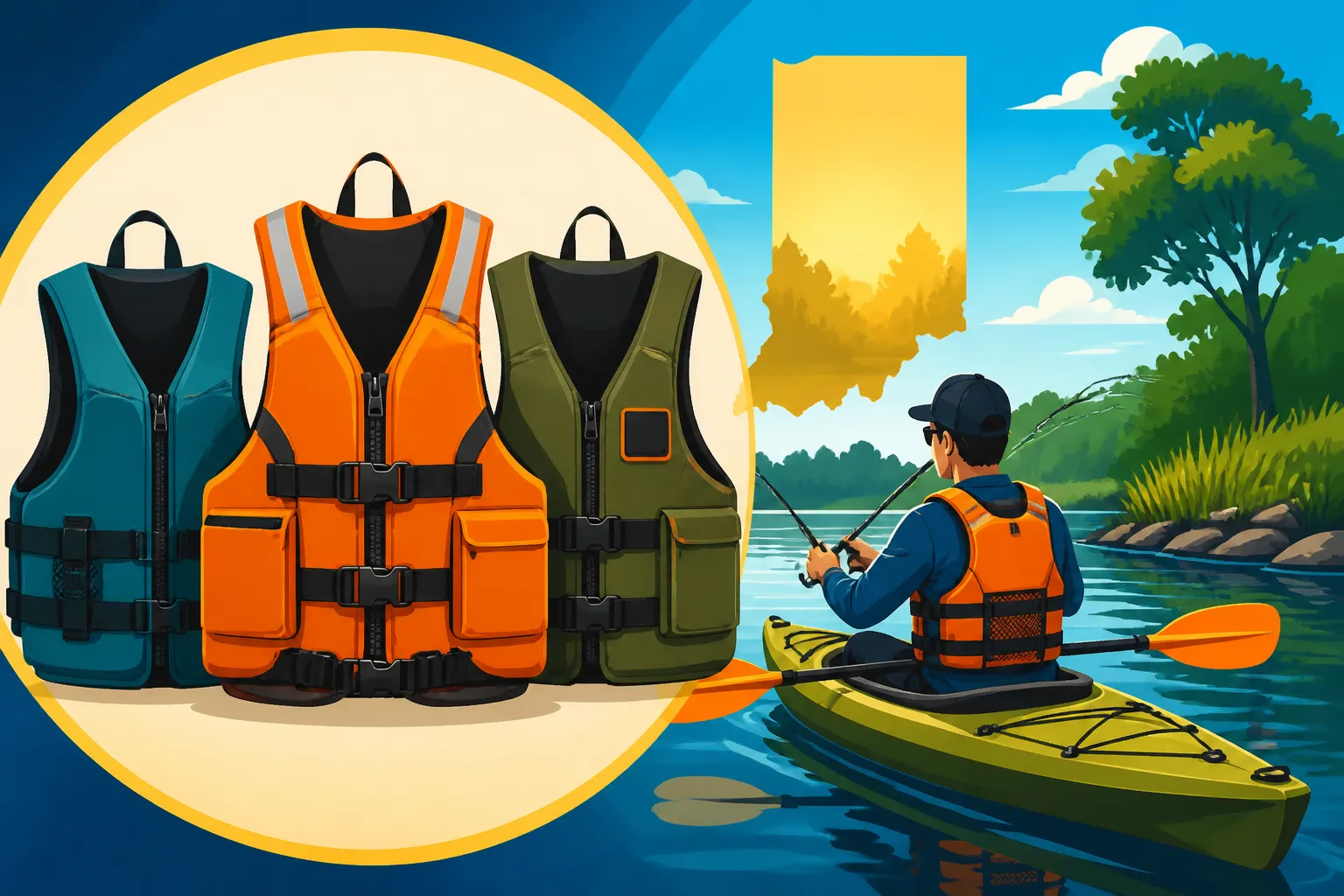
Best Kayak Life Jackets for Paddlers
Navigating Indiana's beautiful lakes and rivers in a kayak is an incredibly rewarding experience, especially when you're out there chasing fish. But let's be honest, trying to fish comfortably in a bulky, ill-fitting life jacket can turn a peaceful paddle into a frustrating struggle. This guide is here to help you cut through the confusion and find the best kayak life jacket that offers both safety and the freedom of movement every paddler and angler needs.
Why a Kayak-Specific Life Jacket Matters for Indiana Anglers
If you've ever tried to paddle a kayak or cast a line with a standard, bulky orange life vest on, you know the struggle is real. It's not just about compliance; it's about comfort, performance, and ultimately, your enjoyment on the water. A life jacket designed for kayaking isn't a luxury; it's an essential piece of gear that can dramatically improve your fishing experience on any Indiana waterway, from the calm coves of Lake Monroe to the winding currents of the Tippecanoe River.
Comfort and Mobility: The Kayaker's Dilemma
Traditional life vests, often designed for larger powerboats or general recreational use, simply aren't cut out for the unique movements of kayaking. The high back often clashes with a kayak seat, pushing the vest up around your ears and causing uncomfortable chafing. The thick shoulder straps can restrict your arm movement, making each paddle stroke feel like a chore and turning casting into an awkward, shoulder-straining exercise. Imagine trying to make a precise flip under an overhanging branch on Mississinewa Lake when your PFD is fighting against every motion!
Kayak-specific life jackets address these frustrations head-on. They feature higher back panels or thinner padding in the back to avoid interfering with kayak seats. The shoulder straps are often sculpted and adjustable, allowing for a full range of motion, crucial for both efficient paddling and vigorous casting techniques. Many designs also incorporate large armholes and a more flexible fit around the torso, ensuring that you can twist, reach, and reel without feeling constricted. This thoughtful design means you can focus on the fish, not on constantly adjusting uncomfortable gear.
Storage and Features: What Kayak Anglers Need
For a kayak angler, your life jacket isn't just a safety device; it's a wearable tackle box and tool belt. Unlike recreational paddlers, anglers often need quick access to a variety of small items. This is where kayak fishing life jackets truly shine. They're often equipped with strategically placed pockets, D-rings, and lash tabs that transform them into highly functional pieces of gear.
Think about it: where do you stash your pliers, line cutters, a small box of essential lures, or even your car keys when you're on the water? Having these items readily available on your PFD saves you from fumbling through dry bags or coolers, which can be particularly tricky in a small, unstable kayak. Many vests include zippered pockets large enough for a small tackle tray, fleece-lined pockets for warming hands on a cool morning, or even dedicated spots for a VHF radio or a hydration pack. These features are invaluable, whether you're targeting bass on Patoka Lake or panfish in a quiet farm pond. They keep your essential tools literally at your fingertips, making your time on the water more efficient and enjoyable.
Understanding Different Types of PFDs for Kayak Fishing
When you walk into a Bass Pro Shops or browse online on Amazon, you'll see a bewildering array of life jackets. Knowing the different types of Personal Flotation Devices (PFDs) and how they relate to kayak fishing is crucial for making the right choice. The U.S. Coast Guard classifies PFDs into different types, and while all are designed to save lives, their specific applications vary widely.
Type III: The Go-To for Most Kayak Anglers
For the vast majority of kayak anglers in Indiana, a Type III PFD is the ideal choice. These are often called "flotation aids" and are designed for sustained wear where comfort and mobility are paramount. They provide a minimum buoyancy of 15.5 pounds, which is enough to keep a conscious person afloat in calm, inland waters. The key benefit of a Type III PFD for kayaking is its emphasis on comfort and maneuverability. They allow for a full range of motion, which is essential for paddling, casting, and reeling.
Type III PFDs come in various designs, including vest-style, jacket-style, and even some hybrid forms. Many kayak-specific vests fall into this category, featuring those high-back designs, large armholes, and ample adjustability we discussed earlier. They are inherently buoyant, meaning the flotation material is built directly into the vest, so there's no inflation required. This makes them reliable and always ready to perform. While they won't turn an unconscious person face-up like some other PFD types, they are perfect for active use where you are likely to be rescued quickly, which is often the case on Indiana's popular fishing lakes and rivers.
Inflatable PFDs: Pros and Cons for Kayak Fishing
Inflatable PFDs offer a sleek, low-profile design that many anglers find appealing, especially those who dislike the bulk of traditional foam vests. These PFDs are typically classified as Type V, but they are generally accepted as equivalent to a Type III when worn. They only provide flotation when inflated, which can be done manually by pulling a cord or automatically when submerged in water. This "inflation on demand" offers superior freedom of movement when not inflated.
However, inflatable PFDs come with a few important considerations for kayak fishing. First, they require regular maintenance, including checking the CO2 cartridge and ensuring the inflation mechanism is in working order. Second, Indiana regulations, like many states, require that inflatable PFDs be worn to count as a legally sufficient PFD on board a vessel. They can't just be stowed away. Third, there are restrictions on their use; for instance, they are generally not approved for personal watercraft (PWCs) or for use by individuals under 16 years of age. You'll want to be especially mindful of the rules surrounding them, as Why Inflatable Vests Fail Indiana PWC Rules explains some of the specific nuances for different watercraft. If you're planning on fishing in colder months, some anglers find that inflatables offer less insulation than their foam counterparts, which might be a factor for early spring or late fall trips on chilly Indiana waters.
Hybrid PFDs: The Best of Both Worlds?
Hybrid PFDs attempt to blend the best features of inherently buoyant and inflatable designs. These vests incorporate some fixed foam flotation and an inflatable chamber. They offer a baseline level of buoyancy from the foam, even if the inflatable portion isn't deployed. This means they'll provide some flotation without inflation, and significantly more flotation once inflated.
While less common among general kayak anglers, hybrids might appeal to those who want the lower profile of an inflatable but with the added peace of mind of some inherent buoyancy. They often provide excellent mobility without inflation, and when activated, they offer a very high level of flotation. The trade-off is often cost, as they tend to be more expensive than purely foam or purely inflatable options. For the average Indiana kayaker, a well-designed Type III PFD usually provides enough comfort and safety without the added complexity and cost of a hybrid.
Key Features to Look For in a Kayak Fishing Life Jacket
Choosing the "best" kayak life jacket isn't just about picking one off the shelf; it's about finding the one that fits you and your fishing style perfectly. The devil is in the details, and certain features can make a world of difference when you're spending hours on the water. Paying attention to ergonomics, storage, and materials will ensure your investment enhances your fishing, rather than detracting from it.
Ergonomics and Fit: The Comfort Factor
The absolute most critical factor in any PFD is its fit. An uncomfortable PFD is one you won't wear, and a PFD that isn't worn is useless. For kayak fishing, fit is even more crucial because of the dynamic movements involved. Look for vests with multiple adjustment points: shoulder straps, side straps, and waist buckles. These allow you to customize the fit, ensuring the vest stays securely in place without riding up or chafing. A well-fitting PFD should be snug but not restrictive, allowing you to breathe deeply and move your arms freely.
Specifically for kayaking, a high-back design is paramount. This means the flotation foam on the back of the vest is situated higher up, above the seat back of your kayak. Without this feature, the PFD will constantly push up, making you miserable. Additionally, look for wide, padded shoulder straps that distribute weight evenly and don't dig into your skin. Test the fit by sitting in a kayak (or a chair that mimics a kayak seat) and going through paddling and casting motions. You'll quickly discover if a vest is truly kayak-friendly.
Pockets, Attachment Points, and Gear Management
We talked about how essential storage is for kayak anglers, but let's dive deeper into the specifics. A truly angler-friendly life jacket will have a thoughtful array of pockets. Large, zippered pockets on the front or sides are ideal for storing small tackle boxes, soft plastics, or even a waterproof phone case. Look for pockets with internal organization, like mesh dividers or smaller sleeves, to keep items from jumbling together. Some vests even feature a dedicated pocket for a pair of pliers or line nippers, often with a quick-release tab or magnet to prevent them from falling out.
Beyond pockets, attachment points are key. D-rings are fantastic for clipping on a stray stringer, a landing net leash, or even a small dry bag for snacks. Lash tabs (often reinforced fabric strips) are perfect for securing knives, whistles, or other emergency tools. Some advanced vests might even include rod holder loops or a built-in tool sheath. When browsing at a place like Bass Pro Shops, take the time to imagine yourself on the water and consider what you would attach where. Efficient gear management means less distraction and more time with your line in the water.
Ventilation and Materials: Staying Cool and Dry
Indiana summers can get hot and humid, and paddling a kayak is an active endeavor. A poorly ventilated PFD can quickly lead to overheating and discomfort. Look for vests that incorporate mesh panels, especially in the back or under the arms, to allow for airflow. Breathable fabrics, often quick-drying nylon or polyester, also help manage moisture and prevent that clammy feeling. Some vests even feature ventilation channels or cutouts in the foam itself to enhance breathability.
The materials used in the vest also contribute to its durability and longevity. You want a PFD made from tough, rip-resistant fabrics that can stand up to sun exposure, saltwater (if you venture to Lake Michigan), and the occasional snag on a fishing hook. Heavy-duty zippers, reinforced stitching, and corrosion-resistant hardware are signs of a quality product that will last for many seasons. While shopping on Amazon, pay close attention to the detailed product descriptions and customer reviews for insights into material quality and durability.
Top Considerations When Buying a Kayak Life Jacket in Indiana
So you're armed with knowledge about PFD types and key features. Now it's time to put it all together and make a choice. Beyond the technical specs, there are a few practical considerations specific to Indiana anglers that should guide your purchase.
Personal Preference and Fishing Style
Your kayak fishing life jacket is a very personal piece of gear. What works for a fly fisherman on a calm creek might not be ideal for someone trolling for walleye on a large reservoir. Consider your primary fishing style. Are you a minimalist, only needing basic flotation and minimal pockets? Or are you a gear junkie who needs every tool and gadget within arm's reach?
Think about the types of water you typically fish. If you spend most of your time on serene, small ponds and slow-moving rivers, you might prioritize ultimate comfort and light weight. If you frequently tackle bigger waters like Lake Michigan, where conditions can change rapidly, or larger reservoirs like Monroe Lake, you might lean towards a vest with more robust features and higher visibility colors. Some anglers even prefer a PFD that doubles as a hydration carrier for long days out on the water. Ultimately, the best life jacket is the one you feel most comfortable wearing for your specific adventures.
Indiana Regulations and Safety Compliance
Before you make any purchase, it's absolutely crucial to understand Indiana's boating and PFD regulations. While specific rules can vary by watercraft and age, the core requirement is that all vessels, including kayaks, must have at least one properly sized, U.S. Coast Guard-approved PFD for each person on board. For children under 13, wearing a PFD is generally mandatory while on a moving vessel. You can learn more about these guidelines in our comprehensive guide, Indiana Life Jacket Requirements for Every Boater.
When selecting a kayak life jacket, always ensure it clearly states "USCG Approved" on the label. This certification means it has met rigorous safety standards. Pay attention to the PFD's type classification (Type III is most common for kayaks, as discussed). Additionally, make sure the vest fits correctly. A PFD is only effective if it's worn and fits snugly. An ill-fitting or expired PFD can lead to serious legal consequences and, more importantly, can fail you when you need it most. Don't compromise on safety to save a few dollars; your life literally depends on it.
Budgeting for Quality and Longevity
Life jackets, especially those designed with specific features for kayak fishing, can range significantly in price. You might find basic recreational vests for a lower cost, while feature-rich, high-performance fishing PFDs can be a substantial investment. It's easy to get sticker shock, but remember that a good life jacket is an investment in your safety and comfort that will last for years.
Consider your budget, but don't let it dictate your entire decision. Often, spending a little more upfront on a quality vest with durable materials, better fit, and more functional pockets will pay off in the long run. Cheap vests often chafe, wear out quickly, or lack the features that make kayak fishing truly enjoyable. Look for brands known for their quality in the paddling and fishing community. Compare prices across retailers like Bass Pro Shops and online platforms like Amazon, especially during sales events. Read reviews to understand the real-world durability and comfort. A well-maintained, quality PFD can serve you faithfully for many seasons, making those early mornings on the lake or peaceful evenings on the river safer and more comfortable.
PFD Types for Kayak Fishing: A Quick Comparison
Here's a quick table to help you compare the main types of PFDs relevant to kayak fishing:
| PFD Type | Key Characteristics | Pros for Kayak Fishing | Cons for Kayak Fishing | Best For |
|---|---|---|---|---|
| Type III | Inherent foam buoyancy; designed for comfort | Excellent mobility; always buoyant; wide range of designs | Can be bulky; may interfere with high kayak seats if not high-back | Most kayak anglers in calm to moderate waters; general recreational use |
| Inflatable | Low profile; inflates manually or automatically | Maximum mobility and comfort when not inflated | Requires wearing to be legal; maintenance needed; not for all situations or ages; higher cost | Experienced anglers desiring minimal bulk; warm, calm waters |
| Hybrid | Combines inherent foam with inflatable chambers | Baseline buoyancy even uninflated; high buoyancy when inflated; good mobility | Higher cost; more complex than Type III; some maintenance required | Anglers wanting a balance of low profile and inherent safety net |
Disclaimer
This article is for general informational purposes only and does not constitute professional advice. Laws, prices and regulations vary by location and change over time. Consult a qualified professional for guidance on your specific situation.