Best Boats for Rough Water on Lake Michigan
Stepping onto the dock at sunrise, the glassy surface of a small inland lake might fool you into thinking all fishing in Indiana is a serene, gentle affair. But if you’ve ever ventured out onto Lake Michigan, you know that’s a beautiful fantasy. This massive body of water can transform from a tranquil haven to a raging beast in a matter of minutes, leaving anglers feeling vulnerable and often, seasick. This guide is here to equip you with the knowledge to choose a boat that can confidently tackle Lake Michigan's unpredictable rough waters, ensuring your fishing trips are both successful and safe.
The Nature of Lake Michigan's Challenges
Lake Michigan isn't just a big lake; it's practically an inland sea. Its sheer size and unique characteristics create conditions that can be incredibly challenging for any boater, let alone those primarily used to smaller, calmer Indiana waters. Understanding these challenges is the first step toward choosing the right vessel.
Unpredictable Waves and Weather
One of the most defining characteristics of Lake Michigan is its volatility. A sunny, calm morning can quickly give way to squalls, high winds, and rapidly building waves. This isn't just about a gentle chop; we're talking about significant waves that can reach several feet, sometimes with short, steep periods that make for a jarring, wet, and potentially dangerous ride. The "fetch," which is the distance wind blows over open water, is immense on Lake Michigan, allowing waves to grow large and powerful.
These conditions are amplified by sudden weather changes. Lake effect phenomena, fast-moving cold fronts, and even distant storms can stir up the lake without much warning. It's not uncommon to leave the harbor in fair conditions and find yourself battling whitecaps and heavy swells on the way back. This unpredictability means your boat needs to be built to handle more than just the "average" day; it needs to be ready for the worst-case scenario that can develop in a flash. Always check the marine forecast, but remember that even the best forecasts can sometimes miss the rapid localized changes on such a vast body of water.
The Consequences of Being Unprepared
Taking an unsuitable boat onto Lake Michigan's rough waters isn't just uncomfortable; it can be downright dangerous. Many anglers, accustomed to lakes like Monroe or Patoka, might underestimate the sheer power of Lake Michigan's waves. A boat designed for calm, inland waters might have insufficient freeboard (the height of the boat's side above the waterline), making it easy for waves to break over the bow or stern, swamping the vessel.
Beyond the immediate risk of capsizing or taking on too much water, there's the constant pounding and jarring ride that can lead to fatigue, seasickness, and even structural damage to your boat over time. Imagine being miles offshore, fighting a big salmon, only to have a rogue wave knock out your electronics or swamp your engine. The lack of proper safety equipment, or a boat ill-equipped to handle the conditions, can turn a fishing trip into a survival situation. Hypothermia, loss of communication, and being adrift are very real concerns. This is precisely why careful consideration of your vessel and Indiana Boater Safety Gear Checklist are paramount before you even think about launching.
What Makes a Boat "Rough Water Ready"?
So, what exactly should you be looking for when you're considering a boat for the formidable waters of Lake Michigan? It's more than just a marketing claim; specific design elements and characteristics contribute to a boat's ability to safely and comfortably navigate challenging conditions.
The Critical Role of Hull Design
When it comes to cutting through waves and providing a stable ride, the hull design is king. For Lake Michigan, a deep-V hull is often the preferred choice. This design features a sharp, aggressive V-shape that extends from the bow all the way to the transom. The deep-V acts like a wedge, slicing through waves rather than pounding on top of them, leading to a much smoother and softer ride in rough water.
Contrast this with a flatter hull design, common on many bass boats or pontoon boats, which tend to "slap" the water when hitting waves, sending spray everywhere and delivering a jarring impact. A deep-V hull dissipates the energy of the waves more effectively, reducing the impact on both the boat and its occupants. Look for a hull with a significant deadrise angle at the transom (the angle the hull makes with the horizontal plane), generally 18 degrees or more, as this indicates good rough-water capability. The bow should have an even sharper entry angle to slice through head seas.
Another important feature is hull flare. This is the outward curve of the bow section above the waterline. A pronounced flare helps deflect spray away from the boat, keeping the deck drier and more comfortable for those on board. Without good flare, even a deep-V hull can drench you in choppy conditions. Additionally, strakes and chines play a role. Strakes are longitudinal strips on the hull that help break water and lift the boat, while chines are the hard angles or curves where the hull side meets the bottom. Well-designed chines can enhance stability at rest and help shed water while running.
Size, Weight, and Freeboard for Stability and Safety
While hull design is crucial, the overall size and weight of a boat are equally important for tackling big water. Generally, a longer boat will span more wave troughs, reducing the pitching motion and providing a more comfortable ride. Think of it like a long car absorbing bumps better than a short one. A wider beam (the boat's width) contributes to initial stability, making the boat feel less "tippy" at rest or when trolling. However, too much beam on a deep-V can make it pound more. It's a balance.
Weight is another critical factor. Heavier boats tend to have more momentum, allowing them to push through waves rather than being tossed around by them. This doesn't mean you need a behemoth, but a boat with solid construction and a decent amount of mass will inspire more confidence when the lake gets angry. Boats built for Lake Michigan often feature heavier fiberglass construction or robust aluminum alloys.
Finally, freeboard – the height of the boat's side from the waterline to the top edge – is a non-negotiable safety feature for rough water. Ample freeboard helps prevent waves from washing over the gunwales and swamping the boat. It also provides a greater sense of security for passengers, especially children, as they feel more protected within the boat. For Lake Michigan, you want a boat with noticeably high sides, particularly towards the bow, where the most spray and wave action will occur. This is especially true if you plan on fishing in the cold waters where even a small amount of water coming over the side can lead to hypothermia concerns.
Power and Performance for Navigation
Having a boat that can handle rough water isn't just about stability; it's also about having sufficient power to navigate safely and efficiently. Underpowered boats can struggle to climb waves, making the ride difficult and potentially dangerous. You need enough horsepower to maintain control, especially when trying to run a course into or across significant swells.
When considering engines, look for a boat package that includes reliable, robust outboards, often in twin configurations for added safety and performance. Twin engines provide redundancy, meaning if one engine fails, you can still get home on the other, a critical safety feature miles offshore on Lake Michigan. Adequate fuel capacity is also paramount. Crossing large expanses of water or spending a full day trolling for salmon requires a generous fuel tank, especially when battling rough seas, which burn more fuel. Running out of gas far from shore is a mistake no angler wants to make. Before heading out, always consult your engine's manual for recommended maintenance and What Information You Need to Renew an Indiana Fishing License to ensure your vessel is always legal.
Top Boat Styles for Battling Lake Michigan
Given the unique challenges presented by Lake Michigan, certain boat styles have naturally risen to the top as preferred choices for anglers who regularly brave its waters. Each offers a different blend of features, benefits, and trade-offs.
Deep-V Center Consoles: The Offshore Workhorses
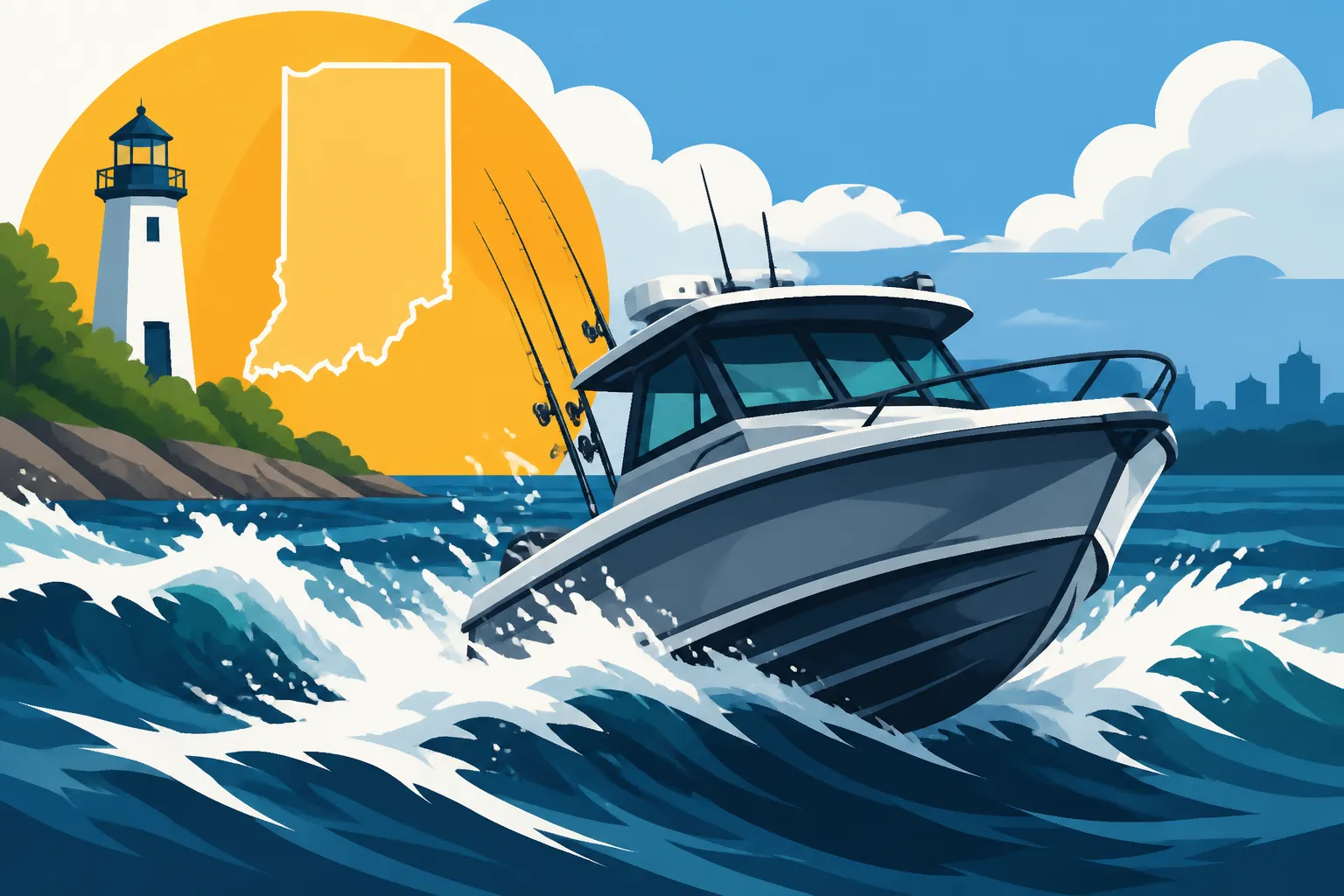
When you think of serious offshore fishing, the deep-V center console often comes to mind, and for good reason. These boats are purpose-built for tackling big water. Their aggressive deep-V hulls cut through chop with authority, providing a remarkably smooth ride even when conditions get sloppy. The high freeboard keeps most of the spray out, and the open deck plan allows for 360-degree fishability, which is fantastic when you're fighting a big salmon or steelhead that decides to run around the boat.
Center consoles are typically well-powered, often with twin engines for reliability and speed, allowing you to get to your fishing grounds quickly and safely. They excel at trolling for species like Chinook and Coho salmon, and their stability also makes them great for drifting or jigging. While they can be a significant investment and chew through fuel, their performance and versatility on Lake Michigan are hard to beat. You can often find these boats rigged with all the necessary Lake Michigan Trolling Gear Guide for Indiana Anglers straight from the factory or a reputable dealer.
Walkarounds and Cuddy Cabins: Comfort Meets Capability
For anglers who value comfort and protection from the elements, walkaround and cuddy cabin boats offer an excellent compromise. These vessels combine the rough-water capabilities of a deep-V hull with a forward cabin that provides shelter from wind, rain, and cold. This enclosed space is invaluable on Lake Michigan, especially during the colder months when chasing a Fall Salmon Run Fishing on Lake Michigan in Indiana or targeting steelhead. It also offers a place to warm up, store gear, or even take a short nap.
The walkaround design, as the name suggests, allows anglers to move safely around the cabin via narrow side decks, providing access to the bow for anchoring or fighting a fish. Cuddy cabins usually have a slightly larger cabin, sacrificing some side deck space. While the cabin does slightly reduce overall fishing space compared to an open center console, the added comfort and protection can make long days on rough water much more enjoyable, especially for families or those who fish extensively in shoulder seasons.
Large Deep-V Aluminum: Durable and Dependable
Don't let the "aluminum" fool you; these aren't your grandpa's leaky jon boats. Modern large deep-V aluminum boats, often called "walleye boats" or "multi-species boats," are incredibly capable vessels designed to handle large freshwater lakes and even coastal conditions. Brands like Lund, Crestliner, and Alumacraft produce aluminum boats with significant deadrise, high transoms, and robust construction that can take a beating from Lake Michigan's chop.
Their aluminum construction makes them lighter than comparable fiberglass boats, often translating to better fuel efficiency and easier trailering. They are also incredibly durable and less prone to cosmetic damage from bumps and scrapes. While some traditionalists might argue they don't ride as "soft" as a heavy fiberglass deep-V in the absolute nastiest conditions, many serious Lake Michigan anglers swear by their performance, versatility, and value. They are often equipped with powerful engines and can be rigged for anything from trolling to casting. You can often find a wide array of accessories and specialized gear for these boats at stores like Bass Pro Shops or through online retailers like Amazon.
Purpose-Built Great Lakes Fishing Boats
Beyond the more common styles, there are also boats specifically designed and built with the unique demands of the Great Lakes in mind. These can range from custom-built charter vessels to heavy-duty, enclosed sport fishing boats. Often characterized by their sheer size, robust construction, enclosed pilothouses for ultimate weather protection, and extensive storage for gear, these boats are uncompromising in their pursuit of big water fishing.
They frequently feature powerful diesel inboard engines or multiple large outboards, specialized electronics packages for deep-water navigation and fish finding, and heavy-duty trolling systems like large downriggers and planer boards. While these boats represent a significant investment, they offer unparalleled safety, comfort, and capability for dedicated Great Lakes anglers who spend hundreds of hours on the water each season. Their designs often prioritize stability while trolling and the ability to comfortably fish in challenging conditions, making them ideal for pursuing the big lake's various species.
Here's a quick comparison of some popular boat types suitable for Lake Michigan's rough waters:
| Boat Type | Hull Design | Key Advantages | Key Considerations | Ideal For |
|---|---|---|---|---|
| Deep-V Center Console | Aggressive Deep-V | Excellent rough water ride, 360-degree fishability, high speed | Less weather protection, higher cost, fuel consumption | Dedicated offshore trolling/casting, multiple anglers |
| Walkaround / Cuddy Cabin | Deep-V | Good rough water ride, significant weather protection, cabin comfort | Reduced open deck space, can be heavier to trailer | Anglers seeking comfort, extended trips, shoulder season fishing |
| Large Deep-V Aluminum | Deep-V | Durable, good rough water ride, lighter than fiberglass, often more affordable | Can be noisier in chop, potentially not as soft a ride as heavy fiberglass | Versatile multi-species fishing, easier trailering, value-conscious anglers |
| Great Lakes Troller | Heavy Deep-V | Maximum weather protection, extreme stability, built for long runs | Highly specialized, less versatile for other activities, very high cost | Professional charter captains, serious offshore anglers, extended trips |
Essential Gear Beyond the Hull for Big Water Safety
Even with the perfect boat, venturing onto Lake Michigan requires a comprehensive approach to safety and preparation. The right equipment can make all the difference when conditions turn south. This isn't just about adhering to regulations; it's about being genuinely prepared.
Redundant Propulsion and Fuel Management
We've already touched on this, but it bears repeating: redundancy in propulsion is a lifesaver on Lake Michigan. If your primary engine quits miles from shore, a reliable kicker motor can literally save your trip, and potentially your life. This smaller, auxiliary outboard engine provides enough power to get you back to the nearest harbor, albeit slowly. It's a non-negotiable piece of equipment for any serious Lake Michigan angler. Ensure it's properly maintained and that you know how to operate it quickly in an emergency.
Beyond the kicker, meticulous fuel management is crucial. Always plan your trips with a generous fuel reserve. A common rule of thumb is "one-third out, one-third back, one-third reserve." Rough water burns significantly more fuel than calm water, so factor that into your calculations. Carry extra fuel in approved containers if your boat's tank capacity is limited, especially for longer runs or if you anticipate challenging conditions. Knowing your boat's fuel consumption rates at different speeds and in varying conditions is vital.
Advanced Navigation and Communication Systems
On a lake as vast and featureless as Lake Michigan, relying solely on visual cues or a smartphone app is asking for trouble. A dedicated, reliable GPS/chartplotter is essential. This device not only tells you precisely where you are but also allows you to navigate to specific waypoints (like a favorite fishing spot or a harbor entrance) and track your course. Modern units often integrate with radar and fish finders, providing an invaluable comprehensive view of your surroundings.
Equally important is a marine VHF radio. Cell phone service can be spotty or nonexistent far from shore, and a VHF radio provides a direct line of communication with other boats, the Coast Guard, and marine services. This is your primary communication device for distress calls or routine chatter. Learn how to use it properly, including making a "Mayday" call. Many anglers also consider a satellite phone or a personal locator beacon (PLB) as secondary communication devices for ultimate peace of mind. For comprehensive information on communication tools, check out Best Marine Radios for Lake Michigan Boaters.
Comprehensive Safety Equipment
While your boat's hull and power get you out there, it's the safety gear that brings you back home safely. Beyond the legally required items like Best Life Jackets for Indiana Boaters for everyone on board and throwable flotation devices, consider these additional items for Lake Michigan:
- Emergency Position Indicating Radio Beacon (EPIRB) or Personal Locator Beacon (PLB): These devices transmit a distress signal and your location to search and rescue services via satellite. An EPIRB is registered to your boat, while a PLB is registered to an individual. They are life-saving devices in dire situations.
- Flares and Air Horn: Visual and audible distress signals are critical for attracting attention in an emergency, especially after dark or in foggy conditions. Ensure your flares are current and accessible.
- First-Aid Kit: A well-stocked marine first-aid kit is essential for treating injuries, seasickness, or other medical emergencies that can arise on the water.
- Durable Anchor and Rode: A robust anchor system suitable for Lake Michigan's depths and bottoms is vital for holding your position in an emergency or for safely stopping to fish.
- Tool Kit and Spare Parts: Simple mechanical issues can sometimes be fixed on the water if you have the right tools and a few spare parts (like fuel filters, spark plugs, or shear pins).
- Weather Radio: A dedicated marine weather radio can provide continuous weather updates, often even when other signals are weak.
Equipping your boat with these items, readily available at marine supply stores, Bass Pro Shops, or through Amazon, is an investment in your safety and the safety of your crew. No amount of fish is worth risking lives, and being over-prepared is always the best approach when dealing with the powerful waters of Lake Michigan.
Disclaimer
This article is for general informational purposes only and does not constitute professional advice. Laws, prices and regulations vary by location and change over time. Consult a qualified professional for guidance on your specific situation.