Best Bass Boats for Indiana Tournaments
For competitive bass anglers in Indiana, the quest for the perfect tournament boat often feels like searching for a unicorn. You're not just looking for a vessel to get you from point A to point B; you need a high-performance machine that can handle everything from rough reservoir chop to shallow lake coves, all while keeping your valuable gear organized and your catch lively. This guide will walk you through the essential considerations for selecting a bass boat that's truly ready to dominate Indiana's tournament trails, helping you navigate the sometimes overwhelming world of boat features and options.
The Unique Demands of Tournament Bass Fishing in Indiana
Tournament bass fishing isn't just a casual day on the water; it's a high-stakes sport that pushes both angler and equipment to their limits. In Indiana, where we have a fantastic mix of large reservoirs, natural glacial lakes, and winding rivers, the demands on your bass boat are incredibly diverse. You need speed to get to those distant honey holes at dawn, stability to fish comfortably in choppy conditions, and the capacity to carry all the specialized gear that gives you an edge.
Speed and Performance on the Water
Let's be honest, in a tournament, every second counts. Getting to your first spot ahead of the competition, or making a quick run to a backup location, can be the difference between a check and going home empty-handed. This means looking at boats designed for speed and efficiency. High-horsepower outboard engines are standard in tournament circles for a reason. They allow you to cover vast distances quickly, crucial when you're fishing a sprawling body of water like Monroe Lake or Patoka Lake. But it's not just about raw horsepower; the hull design plays a huge role in how that power translates to performance. A well-designed hull will provide a smoother ride in rough water, allowing you to maintain speed and comfort even when the wind whips up.
Beyond top-end speed, quick hole shot and responsive handling are also vital. Imagine needing to quickly plane off in a tight cove or navigate a tricky river bend. Your boat needs to respond instantly and predictably. This focus on performance isn't a luxury; it's a strategic necessity that many tournament anglers prioritize.
Durability for Consistent Competition
Tournament boats endure a lot. They're trailered thousands of miles a year, launched and retrieved countless times, and often run through less-than-ideal conditions. The last thing you want is equipment failure costing you a valuable fishing day or, worse, putting you in a dangerous situation. This is why durability is paramount. We're talking about robust hull construction, reliable electronics, and sturdy rigging.
Many modern bass boats are built with composite materials that offer strength without excessive weight, resisting the wear and tear that comes with heavy use. Think about the stresses of hitting waves repeatedly or the constant vibration from a powerful engine. A quality tournament boat is engineered to withstand these forces year after year. From the quality of the welds on an aluminum boat to the fiberglass layup on a composite hull, these details speak volumes about the longevity and reliability you can expect. Investing in a durable boat often translates to less time in the shop and more time on the water, which is priceless for a competitive angler.
Key Features That Define a Tournament-Ready Bass Boat
When you start looking at bass boats built for competition, you'll notice a distinct set of features that set them apart from more casual fishing rigs. These aren't just bells and whistles; they're integral components designed to maximize your efficiency, comfort, and success on tournament day.
High-Performance Outboard Engines
The heart of any tournament bass boat is its engine. We're talking about powerful outboards, typically in the 200-300 horsepower range, from reputable manufacturers. These engines provide the blistering speed needed to reach distant fishing grounds quickly and effectively. But it's not just about horsepower; modern tournament engines offer incredible fuel efficiency for their power output, crucial for long days on the water. They also come equipped with advanced electronics for monitoring performance, diagnostics, and often digital shifting and throttle controls for smooth, precise operation.
Many serious tournament anglers meticulously pair their engine with the right propeller to optimize acceleration, top speed, and fuel economy for their specific boat and fishing style. This level of detail ensures that when the clock starts, your boat is performing at its absolute peak, getting you to your Best Bass Fishing Lakes in Indiana with confidence.
Advanced Electronics and Trolling Motors
In today's competitive bass fishing world, electronics are your eyes underwater. A tournament bass boat will typically feature multiple large-screen fish finders/chartplotters, often one at the bow and one at the console, allowing you to see detailed maps, side imaging, down imaging, and traditional sonar simultaneously. Brands like Garmin, Lowrance, and Humminbird dominate this space, offering features like LiveScope or Mega Live Imaging that provide real-time views of fish and structure. These systems are invaluable for locating hidden cover, tracking fish movements, and navigating safely.
Complementing these sophisticated electronics is a powerful, reliable trolling motor. Modern tournament-grade trolling motors are often GPS-enabled, allowing for features like spot-lock (to hold your boat in place over a fishing spot) and autopilot functions. They are typically 24V or 36V systems, providing ample thrust to maneuver the boat even in windy conditions. A robust Best Trolling Motors for Indiana Bass Boats is absolutely non-negotiable for serious tournament anglers, enabling precise boat control and hands-free fishing.
Spacious Livewells and Storage Systems
Keeping your catch healthy and active is critical in a catch-and-release tournament format, and that's where advanced livewell systems come into play. Tournament boats feature large, aerated, and insulated livewells designed to provide the best possible environment for your fish. They often have multiple pumps (fill, recirculate, aerate) and timers to ensure a constant supply of fresh, oxygenated water. Some even have advanced features for temperature control.
Beyond livewells, ample and well-organized storage is a must. You'll need dedicated compartments for dozens of fishing rods, tackle boxes, safety gear, spare props, and rain suits. These compartments are usually watertight, lockable, and designed for easy access. The ability to keep your gear organized means less fumbling and more time fishing.
Here's a quick look at some key features:
| Feature | Description | Benefit for Tournament Anglers |
|---|---|---|
| High-HP Outboard Engine | 200-300+ HP from leading brands | Rapid travel, quick hole shot, efficient long runs |
| Multiple Fish Finders | Large screens at bow & console with advanced sonar/mapping | Real-time fish/structure detection, precise navigation |
| GPS Trolling Motor | 24V/36V systems with Spot-Lock, autopilot | Hands-free boat control, holds position in wind/current |
| Aerated Livewells | Large, insulated, multi-pump systems | Keeps fish healthy for weigh-in, critical for conservation |
| Rod Lockers | Long, secure, organized storage for numerous rods | Protects expensive rods, quick access to different setups |
| Tackle Storage | Multiple large, watertight compartments for tackle boxes | Keeps gear organized, dry, and easily accessible |
| Jack Plate | Adjustable engine height for shallow water access and performance tuning | Optimized prop depth for different conditions, shallow running |
| Power Poles/Shallow Water Anchors | Hydraulic or electric poles for instant shallow water anchoring | Quick, silent anchoring for sight fishing or holding position |
Choosing the Right Bass Boat for Indiana's Diverse Waterways
Indiana offers a fantastic variety of fishing environments, from the expansive depths of Lake Michigan to the shallower, stump-filled waters of our southern reservoirs and the clear, glacial lakes up north. The "best" bass boat for tournaments really depends on where you plan to spend most of your time competing.
Fiberglass vs. Aluminum Bass Boats
This is one of the foundational decisions you'll make. Each material has distinct advantages and disadvantages that play out differently across Indiana's waters.
Fiberglass Bass Boats: These are often considered the "go-to" for competitive anglers, especially on larger, more open bodies of water.
- Pros: Generally faster, smoother riding in chop (due to heavier weight and V-hull design), and offer more integrated features like large casting decks and spacious storage. They often have a more refined finish. They excel on places like Lake Monroe, Patoka Lake, or even the calmer days on Lake Michigan, where covering long distances quickly and comfortably is key.
- Cons: Typically more expensive, heavier (meaning more fuel to tow and run), and can be less forgiving in very shallow or stump-filled areas where impacts might cause damage. Their deeper draft can limit access to extremely shallow coves or backwaters.
Aluminum Bass Boats: While once seen as strictly for smaller waters, modern aluminum bass boats, often called "tin rigs," have evolved significantly.
- Pros: Generally lighter, more fuel-efficient, and less expensive than fiberglass. They have a shallower draft, making them ideal for navigating skinny water, rivers like the Wabash, or shallower glacial lakes up north. They are often more durable against minor impacts from stumps or rocks. Many models now boast impressive speed and ride quality.
- Cons: Can be a rougher ride in heavy chop compared to fiberglass, may not offer the same top-end speed or integrated storage as larger fiberglass boats. While durable against impacts, a serious hit can still puncture or deform the hull.
For anglers primarily fishing the larger, rougher Indiana reservoirs, a fiberglass boat might offer a competitive edge in comfort and speed. However, if your tournament schedule frequently takes you to smaller lakes, rivers, or areas known for shallow access like parts of the Mississinewa Lake or Salamonie Lake, a high-end aluminum rig could be a fantastic choice. Best Boats for Fishing Patoka Lake in Indiana will likely differ from what's ideal for a smaller, shallower lake.
Size and Layout for Different Indiana Lakes
The size and layout of your boat should align with the size of the lakes you'll be fishing and your preferred fishing style.
- Length: Bass boats typically range from 17 to 22 feet. Longer boats generally offer a smoother ride in rough water and more deck space, but they are harder to maneuver in tight spots and can be more challenging to launch and retrieve on some ramps. A 20-21 foot boat is a common sweet spot for many tournament anglers in Indiana, offering a balance of performance and manageability. For instance, a larger boat might be better suited for fishing Lake Michigan Fishing Rules for Indiana Anglers compared to a smaller inland lake.
- Beam (Width): A wider beam provides more stability on the water and greater deck space. This is a huge plus when you and your co-angler are casting simultaneously or when you're fighting a fish in choppy conditions.
- Deck Layout: Consider the size of the casting decks at the bow and stern. Do they offer enough room for you to comfortably move around, and for storing tackle trays and nets? Are the rod lockers long enough to accommodate your longest bass rods? Some boats prioritize a larger front deck for the angler, while others offer more balanced space for two people. Think about how you and your fishing partner typically operate during a tournament.
When scouting for a boat, think about the public ramps you frequent. Can your vehicle easily tow and launch a larger boat? Do the ramps at your preferred lakes accommodate bigger rigs? These practical considerations are just as important as on-water performance.
Outfit Your Rig: Essential Gear and Electronics for Competition
Once you've selected your dream tournament bass boat, the next critical step is outfitting it with the right gear and electronics. This isn't just about filling space; it's about creating a highly efficient and effective fishing platform tailored to your competitive needs. Many anglers consider these additions just as important as the boat itself, as they directly impact your ability to find fish, navigate, and perform under pressure.
Advanced GPS and Sonar Systems
We touched on this earlier, but it's worth diving deeper. Modern tournament anglers often run a network of electronics. Imagine having a large screen at your console showing detailed lake maps and traditional 2D sonar, while at the bow, another large unit displays side imaging, allowing you to scan vast areas for structure and fish, and perhaps a third unit dedicated to live-forward-facing sonar (like Garmin's LiveScope or Humminbird's Mega Live). These systems, often integrated, give you an unprecedented view of the underwater world.
The ability to mark waypoints precisely, follow contour lines, and understand bottom composition is paramount. Many units come pre-loaded with high-definition mapping of Indiana's major lakes, or you can purchase detailed aftermarket maps. When you're fishing Best Fishing Lakes in Indiana by Region, having accurate mapping and real-time sonar feedback can literally put you on fish that others miss. Take your time to research and understand the capabilities of different units, and don't hesitate to visit a store like Bass Pro Shops to see them in action.
Power Poles and Shallow Water Anchors
For many tournament situations, especially sight fishing or holding position in windy conditions, a reliable shallow water anchor system is a game-changer. Brands like Power-Pole and Minn Kota Talons allow you to silently and instantly deploy poles that pin your boat to the bottom in shallow water (typically up to 10-15 feet). This eliminates the need to deploy a traditional anchor, which can be noisy and time-consuming, spooking fish or wasting precious minutes.
These systems are invaluable for holding your boat precisely over a piece of cover, working a specific weed line, or making multiple casts to a productive area without drifting. On many of Indiana's lakes, where bass relate to specific shallow cover or transitions, a shallow water anchor gives you an immediate advantage. They are operated with remote controls, foot pedals, or even integrated into your boat's other electronics.
Rods, Reels, and Tackle Organization
While not strictly part of the boat itself, how you organize and store your Best Rods and Reels for Indiana Largemouth Bass within your tournament rig is critical. You'll need a diverse arsenal of rods and reels for various techniques—jig fishing, cranking, topwater, flipping, and more. Tournament boats are designed with long rod lockers that can accommodate multiple rods up to 8.5 or even 9 feet in length, keeping them protected and organized.
Tackle organization is another huge factor. Tournament anglers carry an enormous amount of tackle. Dedicated storage compartments with dividers and tackle tray slots help keep everything in its place, preventing tangles and making it easy to grab the right bait when seconds count. Many anglers organize their tackle by technique, depth, or even by target species, ensuring they can quickly adapt to changing conditions on Monroe Lake: Indiana's Largest Lake for Bass Fishing or any other body of water. Having a few extra items like Best Tackle Box Organizers for Anglers can make a huge difference in efficiency.
Owning a Tournament Bass Boat: Maintenance, Storage, and Practicalities
Bringing home a tournament bass boat is just the beginning. To keep it performing at its peak and to maximize its lifespan, especially when facing the rigors of competitive fishing in Indiana, you'll need to commit to regular maintenance, proper storage, and understanding the associated practicalities.
Regular Maintenance and Care
A tournament bass boat is a finely tuned machine, and regular maintenance is non-negotiable. This isn't just about preventing breakdowns; it's about ensuring optimal performance, safety, and protecting your significant investment.
- Engine Service: Your high-performance outboard engine requires regular service. This includes oil changes, filter replacements (fuel and oil), spark plug checks, and propeller inspections. Adhering to the manufacturer's recommended service schedule is crucial, typically annually or every 100 hours of operation. Ignoring these simple steps can lead to costly repairs and, more importantly, can sideline you during a critical tournament.
- Battery Management: Tournament boats are power hungry. They run multiple fish finders, a powerful trolling motor, livewell pumps, and more, all off a bank of batteries. You'll typically have a cranking battery for the main engine and several deep-cycle batteries for your trolling motor and accessories. Regular charging, checking water levels (for lead-acid batteries), and inspecting terminals for corrosion are vital. A good onboard charger is a must for ensuring your batteries are topped off after every outing.
- Hull Care: For fiberglass boats, regular washing, waxing, and inspecting for dings or scratches will protect the gel coat. Aluminum boats also benefit from regular cleaning and inspection for structural integrity. Always check your bilge for water after each outing, as this can indicate a leak.
- Trailer Maintenance: Don't forget the trailer! It bears the weight of your prized possession and travels countless miles. Check tire pressure, lug nuts, wheel bearings, and trailer lights regularly. A broken trailer light or a seized bearing can turn a successful tournament into a roadside nightmare.
Storage Solutions
Where and how you store your bass boat can significantly impact its longevity and condition. Exposure to harsh Indiana weather elements can cause premature wear and tear.
- Indoors: The ideal scenario is storing your boat indoors, either in a dedicated garage, a storage unit, or a covered shed. This protects it from UV rays, rain, snow, and extreme temperatures, all of which can degrade gel coat, upholstery, and electronics over time. It also adds a layer of security against theft.
- Covered Outdoor Storage: If indoor storage isn't feasible, a sturdy boat cover is your next best friend. A custom-fit cover will protect your boat from most weather elements, but ensure it's breathable to prevent mildew. Regular checks are needed to ensure no water is pooling on the cover.
- Winterization: Indiana winters are no joke. Properly winterizing your engine and plumbing systems (livewells, washdowns) is essential to prevent costly freeze damage. This usually involves stabilizing fuel, draining water, and adding antifreeze to various systems. If you're not comfortable doing this yourself, many marine service shops offer winterization services.
Insurance and Licensing Requirements
Before you even think about launching your tournament rig, ensure you're squared away with all the necessary legal and administrative requirements.
- Boat Registration: All motorized boats in Indiana must be registered with the Indiana Bureau of Motor Vehicles (BMV). This involves titling the boat and renewing its registration periodically. Make sure your registration is current and your Indiana Boat Registration Rules Explained are understood.
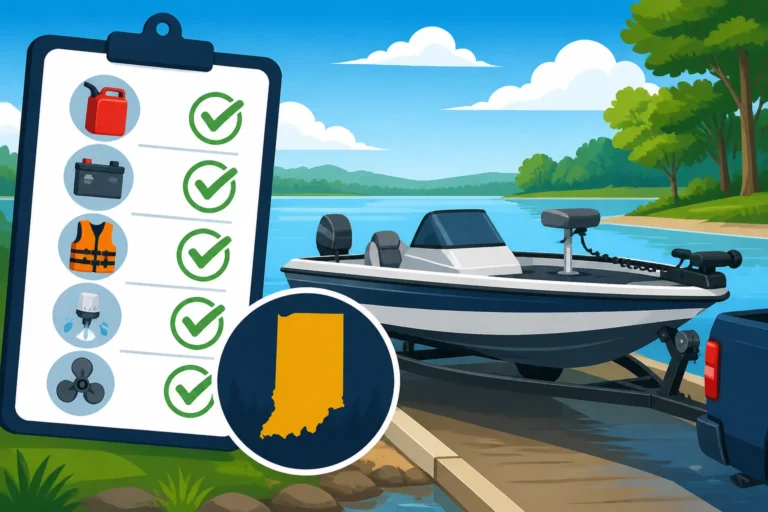
- Boater Education: Depending on your age and the horsepower of your boat, you might be required to complete an Indiana boater education course. Even if not mandatory for you, it's always a good idea to refresh your knowledge of Indiana Boater Safety Gear Checklist and navigational rules.
- Insurance: A high-performance bass boat is a significant investment. Comprehensive boat insurance is highly recommended to protect against damage, theft, and liability. Tournament fishing can sometimes involve higher risks, so discuss specialized tournament coverage with your insurance provider. You don't want to be caught off guard if an accident happens on the water or while trailering to your next event. Many reputable insurance carriers offer specific boat policies that can be tailored to tournament anglers, covering everything from accidental damage to your gear to liability in case of an incident.
The initial investment in a tournament bass boat is substantial, but the ongoing commitment to maintenance, proper storage, and adherence to regulations will ensure it remains a reliable partner in your pursuit of competitive angling success for years to come. Checking retailers like Amazon can also provide useful maintenance supplies, specialized cleaners, or small replacement parts that can keep your boat running smoothly.
Disclaimer
This article is for general informational purposes only and does not constitute professional advice. Laws, prices and regulations vary by location and change over time. Consult a qualified professional for guidance on your specific situation.