Best Fishing Boats Under 20 Feet for Indiana Lakes
Choosing the right fishing boat for Indiana's diverse lakes can feel like trying to solve a puzzle with too many pieces. You want something big enough to handle the larger reservoirs like Monroe or Patoka, yet small enough to navigate tight launches, shallow coves, or fit comfortably in your garage. This guide is here to untangle that knot, focusing specifically on fishing boats under 20 feet that strike the perfect balance for Hoosier anglers, helping you find a vessel that truly fits your fishing style and local waters.
The Goldilocks Zone: Why Under 20 Feet is Perfect for Indiana Fishing
Indiana's inland waterways offer a fantastic variety of fishing experiences, from expansive man-made reservoirs to serene natural lakes and winding rivers. This diversity is exactly why a boat under 20 feet often hits that "just right" sweet spot for so many anglers. It's about finding versatility without sacrificing comfort or breaking the bank, and understanding that bigger isn't always better when it comes to getting to your favorite fishing hole.
Versatility Across Indiana's Varied Waters
Imagine wanting to chase bass on Monroe Lake one weekend, then seeking out crappie in a smaller, quieter lake the next. A boat over 20 feet can quickly become a hindrance in these situations. It might be too deep to launch easily at less developed ramps, too cumbersome to maneuver in tight channels, or simply too large to fit into some of the more tucked-away coves where the big fish often hide. Boats under 20 feet, on the other hand, offer incredible adaptability. They can handle a surprising amount of chop on larger waters when equipped properly, yet remain agile enough for those intimate fishing experiences on smaller ponds or rivers. This flexibility means you're not limiting your options; you're expanding them, allowing you to explore more of Indiana's fantastic fishing spots.
Another aspect of versatility comes with varying water levels. We all know how Indiana's weather can impact lake levels throughout the year. A boat with a shallower draft, common in most sub-20 foot models, can be a lifesaver when ramps are low or when you're trying to reach a productive flat that's just a little too skinny for a larger craft. It opens up fishing opportunities that others simply can't access, giving you a distinct advantage.
Ease of Trailering, Launching, and Storage
Let's be real: owning a boat isn't just about fishing; it's also about getting that boat to and from the water, and then finding a place to keep it. This is where boats under 20 feet truly shine. Towing a smaller boat is significantly easier on your vehicle and your nerves. You don't necessarily need a heavy-duty truck; many SUVs and even some larger sedans can comfortably tow a sub-20 foot boat and trailer combination. This makes spontaneous trips more feasible and less of a logistical nightmare.
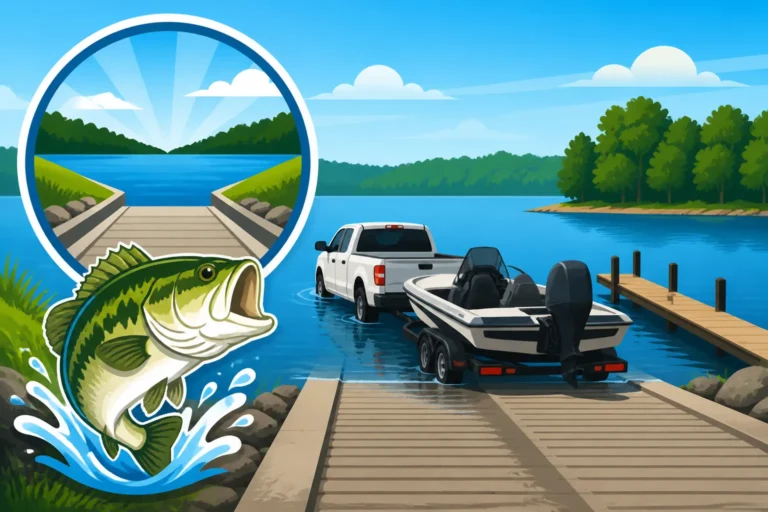
Launching and retrieving a smaller boat is also much less stressful. You won't be hogging the ramp for ages trying to align a massive vessel, and backing down is far more manageable. Public ramps, especially at popular spots like Patoka Lake or Brookville Lake, can get crowded, and having a nimble rig that gets in and out quickly earns you unspoken respect from fellow anglers. Storage is another huge win. Many smaller boats can fit in a standard garage, saving you the cost and hassle of off-site storage. If garage space is tight, they typically require less yard space and are easier to cover and secure, protecting your investment from the elements. This ease of ownership reduces many of the practical frustrations that can often overshadow the joy of fishing.
Popular Sub-20 Foot Fishing Boat Types for Indiana Waters
When you start looking at boats under 20 feet, you'll quickly realize there's a fantastic array of options, each designed with different fishing styles and preferences in mind. It’s not just about size; it’s about the form factor that best suits how and where you like to cast a line. Understanding the pros and cons of each type will help you narrow down your search and ultimately find the perfect match for your Indiana adventures.
Jon Boats: The Versatile Workhorse
Jon boats are the unsung heroes of many Indiana anglers. These flat-bottomed, often aluminum, vessels are incredibly simple, rugged, and affordable. They excel in shallow water, making them ideal for smaller rivers, backwater areas, or those tricky coves that deeper-V boats can't reach. Many come in sizes ranging from 10 to 18 feet, fitting perfectly into our under-20-foot category. You can easily outfit a bare Jon boat with a small outboard motor, a trolling motor, and some basic fishing accessories to create a highly functional and customizable fishing platform.
What makes them so appealing for Indiana? Their stability and open layout are a huge plus, especially if you're fishing with kids or need plenty of room for gear. They're also lightweight, which contributes to easy trailering and launching, as we discussed. While they might not offer the plush seating of a bass boat, their utilitarian design means less to break and easier maintenance. You'll find them equally at home chasing panfish in a farm pond as you would running up a smaller tributary of the Wabash River in Indiana. They’re a fantastic starting point for anyone getting into boating or for experienced anglers who appreciate simplicity and resilience.
Bass Boats: Speed and Specialized Features
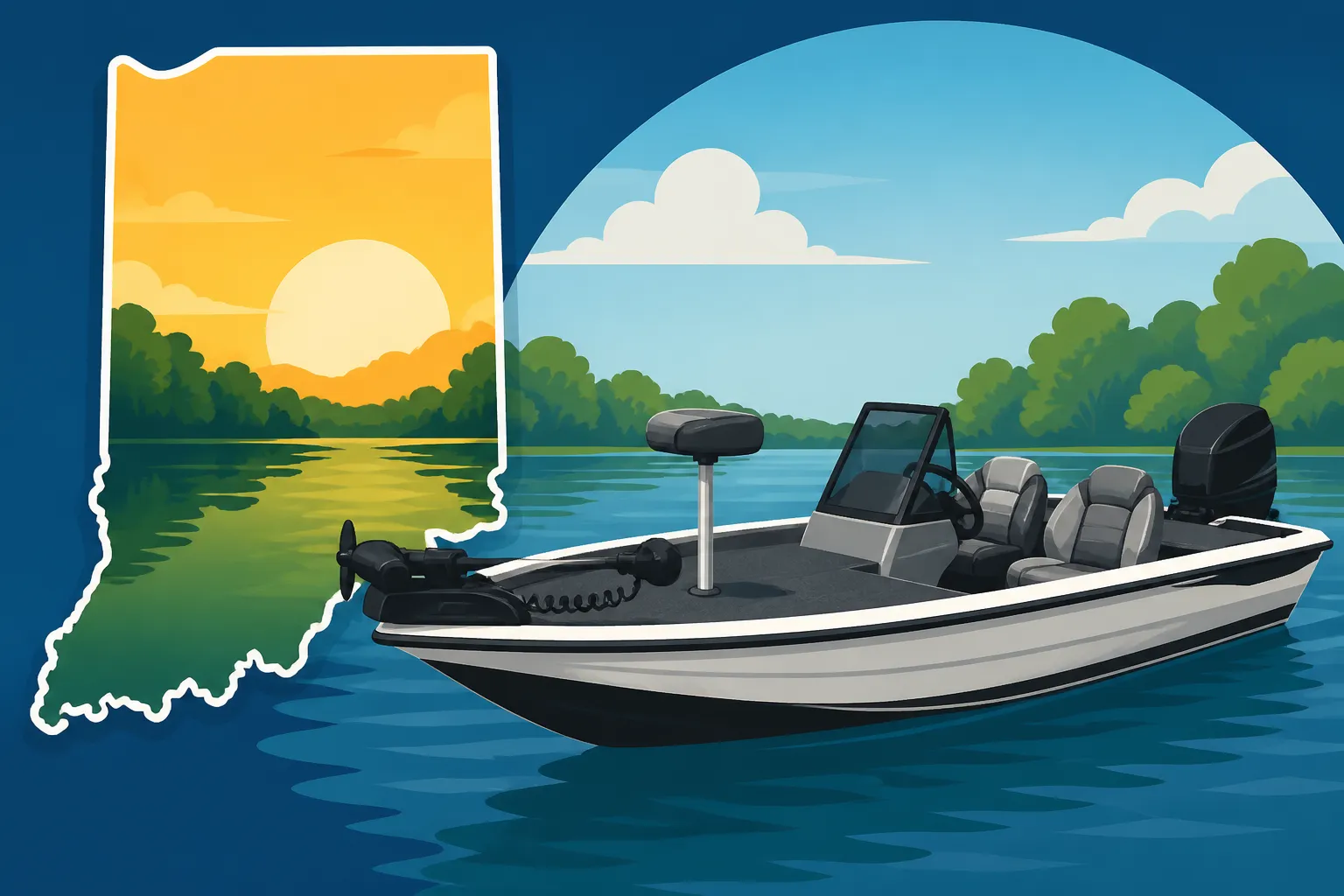
If your passion lies primarily with chasing largemouth and smallmouth bass, a dedicated bass boat under 20 feet might be your ideal choice. These boats are built for speed and efficiency, designed to get you to your favorite bass cover quickly and quietly. They feature powerful outboards, ample casting decks, built-in livewells to keep your catch healthy, and abundant storage for rods and tackle. Brands like Ranger, Skeeter, and Nitro often have models that fall into this size range, offering competitive performance.
For competitive anglers or those who simply love the thrill of bass fishing, these boats are hard to beat. Their low profile helps them cut through the water, and the specialized features are a dream for anyone who takes their bass fishing seriously. However, their speed and specialized design do come with a few considerations. They can be less comfortable in very choppy conditions compared to a deeper-V hull, and their focus on bass fishing means they might not be as versatile for other types of fishing, like trolling for walleye or dropping anchor for catfish. Nevertheless, for Largemouth Bass Fishing in Indiana on lakes like Monroe or Patoka, a sub-20-foot bass boat is a formidable tool.
Multi-Species and Deep-V Boats: The All-Arounders
For anglers who dabble in a bit of everything – maybe you enjoy casting for bass, but also want to troll for walleye, or perhaps even venture onto Lake Michigan for salmon occasionally – a multi-species boat or a deeper-V aluminum boat is a fantastic compromise. These boats typically feature a deeper hull than a traditional bass boat, providing a smoother ride in rougher water. They often come with convertible seating, allowing for more passenger comfort when cruising, but can be quickly reconfigured for fishing with pedestal seats and open casting areas. You'll find excellent options from manufacturers like Lund, Alumacraft, and Crestliner in the 17-19 foot range.
These boats are true workhorses, offering a blend of stability, comfort, and fishability. They handle choppy conditions on larger Indiana lakes much better than a flat-bottomed Jon boat, making long runs across open water more comfortable. Their versatility also extends to rod and tackle storage, often accommodating different types of setups for various species. If you're looking for a single boat that can confidently tackle different fishing challenges across all of Indiana's diverse waters, from the glacial lakes up north to the southern reservoirs, a multi-species or deep-V aluminum boat is definitely worth a close look. They may not be as fast as a pure bass boat or as simple as a Jon boat, but they offer the best of many worlds for the generalist angler.
Key Features and Considerations for Your Next Indiana Fishing Boat
Once you've got a handle on the different types of boats that fit the under-20-foot category, it's time to drill down into the specifics. What features truly matter for fishing Indiana's lakes? And what should you be thinking about beyond the initial purchase? These details will make a big difference in your day-to-day experience on the water and ensure your boat is not just functional, but a joy to own.
Hull Material and Construction
The material your boat is made from profoundly impacts its performance, durability, and maintenance. Aluminum and fiberglass are the two primary choices for fishing boats under 20 feet, each with its own set of advantages.
- Aluminum: Most Jon boats and many multi-species deep-V boats are aluminum. Aluminum boats are typically lighter, which means easier trailering and better fuel efficiency. They're incredibly durable and resistant to punctures, making them a great choice if you frequent shallow, stump-filled waters or launch from rough access points. You don't have to worry as much about bumps and scrapes. They are also generally more affordable upfront. The downside is that aluminum hulls can sometimes offer a rougher ride in choppy water compared to fiberglass, and they can be noisier when you drop something on the floor or hit waves. For the angler who values resilience and ease of handling, especially in varying conditions, aluminum is often the material of choice.
- Fiberglass: Bass boats, in particular, are often constructed from fiberglass. This material allows for more complex hull designs, which can lead to a smoother, drier ride in rough conditions, a significant advantage on large open water. Fiberglass boats are also heavier, providing a more stable feel on the water, and they tend to be quieter. The smooth finish is easy to clean and holds its shine beautifully. However, fiberglass boats are generally more expensive, heavier to trailer, and require more care to avoid chips and cracks, especially if you're not gentle with launches or navigate rocky areas. For the angler prioritizing comfort, aesthetics, and a quiet ride, fiberglass can be an excellent choice.
Engine and Propulsion
The engine is the heart of your fishing boat. For boats under 20 feet, you'll typically be looking at outboard motors, with horsepower ratings varying widely depending on the boat type and your intended use. A general rule of thumb is to buy as much horsepower as the boat is rated for, as long as it fits your budget. This gives you the best performance, allowing you to get on plane quickly and cover water efficiently, which is crucial on large lakes when you're trying to reach distant fishing spots. Don't forget a quality trolling motor, either. Many Indiana anglers consider a reliable bow-mount trolling motor with GPS capabilities almost as important as their main outboard. Brands like Minn Kota and MotorGuide offer excellent options, allowing you to stealthily approach fish or precisely hold your position over structure.
For smaller Jon boats or even some kayaks (if you stretch the definition slightly), you might consider smaller outboards, sometimes electric-only, which are perfect for smaller, restricted lakes or quiet coves. However, for getting across a substantial body of water like Lake Wawasee: Indiana's Largest Natural Lake, you'll want a reliable gas outboard. Remember to check local regulations regarding horsepower limits on certain lakes if you plan to fish those waters, though this is less common on larger public bodies of water.
Essential Electronics and Storage Solutions
Modern fishing is often augmented by sophisticated electronics, and even smaller boats can benefit tremendously. A quality fish finder is almost non-negotiable for serious anglers. Look for units with GPS mapping, side imaging, and down imaging capabilities to help you locate structure, baitfish, and your target species. Brands like Humminbird and Garmin offer excellent units that can be mounted on smaller consoles or even portable setups. You can often find a wide array of options for fish finders and mounting solutions on sites like Amazon or by visiting a Bass Pro Shops to see them in person.
Storage is another critical factor. Fishing boats accumulate a lot of gear: rods, tackle boxes, safety equipment, coolers, anchors, and personal items. Look for boats with intelligent storage solutions, such as lockable rod lockers, dry storage compartments for electronics and personal gear, and ample under-seat storage. Good storage keeps your boat organized, your gear protected, and your deck clear, reducing tripping hazards and maximizing your fishing space. Consider how many rods you typically bring, and ensure there's a dedicated spot for them – whether it's horizontal rod storage in the gunwales or a vertical rod rack. Thoughtful storage makes a big difference, especially on a sub-20 foot boat where every inch counts.
Ownership Essentials: From Purchase to the Water
Bringing home your new fishing boat is just the beginning of the adventure. There are a few practical steps and considerations that every Indiana boat owner needs to tackle to ensure a smooth, safe, and legal experience on the water. Don't let these details overshadow the excitement; instead, see them as essential parts of being a responsible and prepared angler.
Understanding Indiana Boat Registration and Licensing
One of the first things you'll need to do after purchasing a boat is to ensure it's properly registered with the state of Indiana. This isn't just a suggestion; it's a legal requirement for most motorized boats and even some non-motorized vessels, depending on their size or type. The process typically involves submitting a title or bill of sale, paying a registration fee, and receiving your unique registration numbers and decal. It's important to remember that these registrations need to be renewed periodically. Don't wait until the last minute before your big fishing trip to realize your registration is expired! You can find detailed information on Indiana Boat Registration Rules Explained on the state's official channels.
Beyond the boat itself, depending on your age and the horsepower of your motor, you might need to complete a boater education course and carry a boater ID card. This is particularly relevant for younger operators. These courses cover essential safety practices, navigation rules, and Indiana-specific regulations, ensuring you're a knowledgeable and safe operator. Even if not legally required for you, taking a boater safety course is highly recommended. It significantly enhances your confidence and ability to handle unexpected situations on the water.
Essential Safety Gear and Accessories
Safety should always be your top priority on the water. While the thrill of landing a big bass is immense, it's never worth risking your well-being or that of your passengers. Make sure your boat is equipped with all the necessary safety gear required by Indiana law. This typically includes:
- Life Jackets: You must have a U.S. Coast Guard-approved life jacket for every person on board. Children often have specific requirements for wearing them at all times. Check out Best Life Jackets for Indiana Boaters for more details.
- Throwable Flotation Device: For boats over a certain length, you'll need a throwable device like a cushion or ring buoy.
- Fire Extinguisher: Essential for any boat with an enclosed fuel compartment or permanently installed fuel tank.
- Sound-Producing Device: A whistle or horn is critical for signaling.
- Navigation Lights: If you plan on being on the water from sunset to sunrise, proper navigation lights are a must.
Beyond the legal requirements, consider adding a first aid kit, a spare paddle, a marine radio (especially if venturing onto Lake Michigan), and an anchor appropriate for the size of your boat and the type of bottom you'll encounter. Having an anchor allows you to hold position over a productive fishing spot or in an emergency. Preparing a Indiana Boater Safety Gear Checklist before each outing can make all the difference, ensuring peace of mind so you can focus on the fishing.
Trailering, Launching, and Maintenance Tips
The journey to and from the water is just as important as the time spent fishing. Properly hitching your trailer, ensuring all lights are working, and securing your boat are crucial. Take your time backing down the ramp – practice makes perfect! And remember that many other anglers are waiting, so be efficient. Once on the water, be mindful of no-wake zones and other boaters.
A routine maintenance schedule will extend the life of your boat and prevent frustrating breakdowns. This includes checking your engine's oil, fuel filter, and propeller regularly. Flush your engine after use, especially if you've been in murky water. Keep the hull clean, both inside and out, to prevent grime buildup and protect the finish. Store your boat properly, ideally under cover, to shield it from sun and weather damage. For those smaller items like cleaning supplies, engine additives, or even a new set of boat fenders, places like Bass Pro Shops or online retailers like Amazon can be invaluable resources. By taking care of these ownership essentials, you'll ensure your under-20-foot fishing boat remains a reliable and enjoyable companion on all your Indiana fishing adventures.
| Boat Type | Primary Use Case (Indiana) | Key Advantages | Considerations | Ideal For |
|---|---|---|---|---|
| Jon Boat | Shallow rivers, small lakes, ponds, backwater areas | Affordable, lightweight, durable, easy to customize, excellent shallow draft | Rougher ride in chop, basic features, limited passenger comfort | Beginners, river anglers, pond hopping, budget-conscious |
| Bass Boat | Largemouth/Smallmouth bass fishing on larger lakes/reservoirs | Fast, specialized features (livewells, casting decks), stealthy (trolling motor) | Can be less comfortable in heavy chop, specialized for one species, higher cost | Serious bass anglers, tournament fishing, covering large areas quickly |
| Multi-Species/Deep-V | Versatile for various species (bass, walleye, crappie), larger lakes | Smooth ride in chop, good stability, adaptable seating/layout, comfortable | Heavier than Jon boats, more expensive than basic Jon boats, not as fast as bass boats | All-around anglers, family fishing, varied lake conditions, occasional Lake Michigan |
This article is for general informational purposes only and does not constitute professional advice. Laws, prices and regulations vary by location and change over time. Consult a qualified professional for guidance on your specific situation.