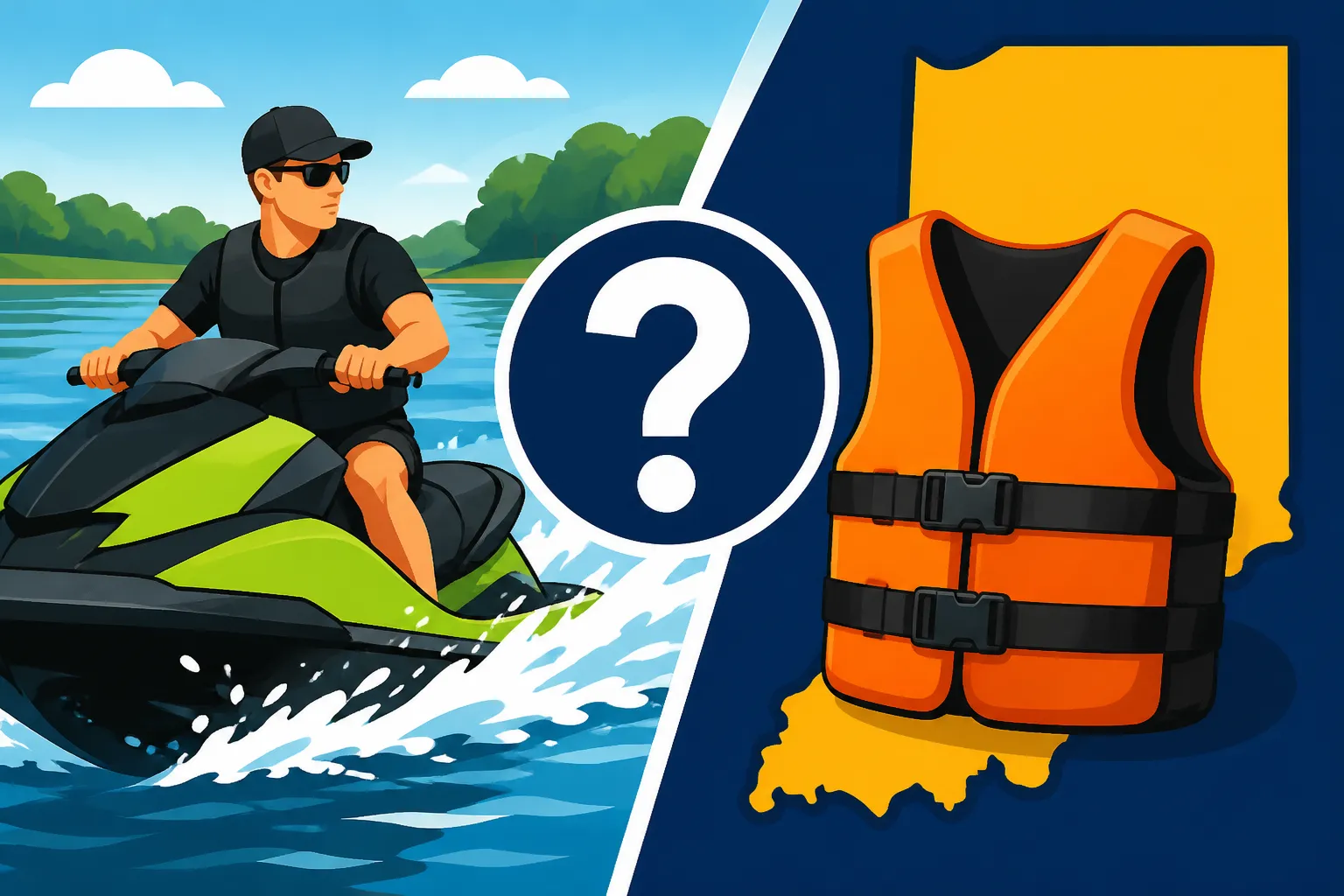
Do PWC Riders Need Life Jackets in Indiana?
There's nothing quite like the thrill of skimming across an Indiana lake on a Personal Watercraft (PWC), feeling the spray and the wind in your hair. But amidst all that fun and freedom, a question often pops up for new and experienced riders alike: do you actually need to wear a life jacket? The answer is a resounding yes, and understanding Indiana's specific rules is absolutely crucial not just for staying legal, but for staying safe. This guide will cut through the confusion and explain exactly what PWC riders need to know about life jackets in the Hoosier State.
The Non-Negotiable Truth: PWC Riders and Life Jackets in Indiana
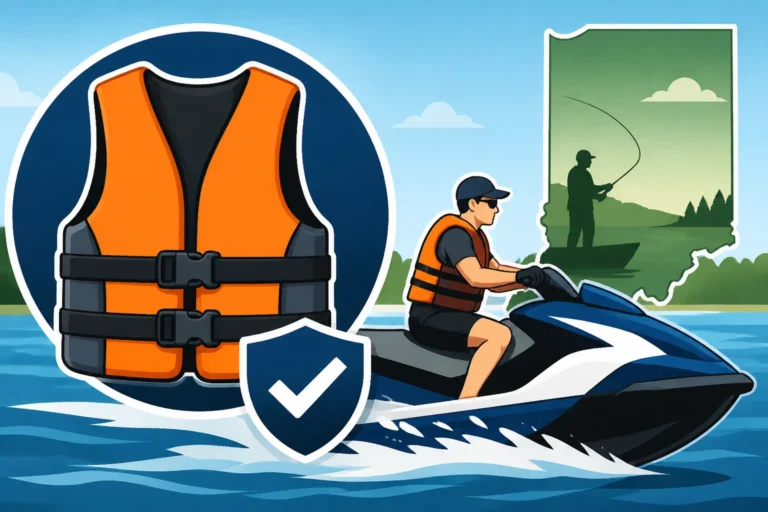
Let's get straight to it: when you're carving up the water on a PWC in Indiana, you absolutely, unequivocally must wear a life jacket. This isn't just a suggestion; it's a legal requirement that carries real weight and, more importantly, is designed to save lives. Many people assume they're strong swimmers and can handle any situation, but the unpredictable nature of PWC riding, especially at speed, means even the most confident swimmers can be quickly overwhelmed in an emergency.
Imagine hitting a rogue wake unexpectedly, getting tossed from your PWC, and perhaps even being stunned or disoriented upon impact with the water. In that moment, a life jacket isn't just a piece of gear; it's your immediate flotation device, keeping your head above water and giving you precious seconds to recover. Without it, you could find yourself in a truly dangerous situation, struggling to tread water while your PWC drifts away. This is why Indiana, like most states, takes this rule so seriously. It's about ensuring that everyone who enjoys these powerful machines has a fundamental layer of protection.
Why This Rule is So Crucial for PWC Riders
The nature of personal watercraft themselves makes the life jacket rule incredibly important. Unlike larger boats where you might be seated deeper within the hull, PWC riding involves being much more exposed to the elements and the water. The chances of being ejected are simply higher, whether from a sudden turn, a bump from another craft, or even just a momentary lapse in attention. When you're traveling at speed, an unplanned entry into the water can be jarring, to say the least.
Beyond the physical impact, there's also the factor of isolation. If you're riding alone or are separated from your group, a life jacket ensures you remain visible and afloat until help arrives or you can swim back to your PWC. Nobody wants to be stranded in open water, frantically trying to stay above the surface while watching their ride disappear into the distance. It’s not just a matter of convenience; it’s a matter of life and death, particularly on busier waterways or larger bodies of water like Lake Michigan.
Understanding Indiana's Specific Life Jacket Requirements for PWCs
Indiana's boating laws are pretty clear when it comes to life jackets, especially for personal watercraft. It’s not enough to simply have a life jacket on board your PWC; you must actively wear it while operating or riding on the craft. This is a common point of confusion for new boaters, who might think a life jacket stored in a compartment is sufficient, but for PWCs, the jacket needs to be on your person and properly fastened. You can learn more about the broader rules in our guide, Indiana Life Jacket Requirements for Every Boater.
The specific wording in the regulations mandates that anyone operating or riding a PWC must wear a U.S. Coast Guard-approved wearable personal flotation device (PFD) that is appropriately sized. This "wearable" and "properly sized" aspect is key. A life jacket that's too big can ride up around your ears, hindering your ability to see and breathe. One that's too small might not provide enough buoyancy or could be uncomfortably restrictive. So, before you even think about hitting the throttle, make sure everyone aboard has a life jacket that fits snugly and securely.
The Inflatable PFD Exception: What to Avoid
Here’s a critical detail that often catches PWC riders off guard: most inflatable life jackets are not permitted for PWC use in Indiana. While inflatable PFDs are fantastic for many types of boating because they're less bulky, Indiana, adhering to federal guidelines, specifically prohibits their use on personal watercraft. This rule exists because if you're suddenly ejected from a PWC at speed, you might be stunned or unable to manually inflate the vest. The idea is that you need immediate, automatic flotation.
Therefore, you must opt for a traditionally buoyant, inherently buoyant PFD when riding a PWC. These are the foam-filled vests that provide flotation without any action on your part. It's a common mistake, so don't get caught out. We have a dedicated article explaining this in more detail: Why Inflatable Life Jackets Are Not Allowed on Indiana PWCs. Always double-check the label on any PFD to ensure it explicitly states it is approved for PWC use if you are unsure. When browsing for options, be sure to keep this in mind, whether you're looking online at Amazon or in person at Bass Pro Shops.
Sizing and Condition: More Than Just Wearing It
Beyond just wearing a life jacket, its effectiveness hinges on two major factors: proper sizing and good condition. A life jacket that's too loose can slip off or ride up, failing to keep your head above water. To test for a good fit, put the jacket on, fasten all straps and zippers, and then have someone gently pull up on the shoulders. If the jacket slides up past your ears, it's too big. For children, this test is even more critical; a child's life jacket should never rise above their chin or ears.
The condition of the life jacket is equally important. Over time, exposure to sun, saltwater (if you're on Lake Michigan!), and general wear and tear can degrade the flotation material or weaken straps and buckles. Before every outing, take a moment to inspect your life jacket. Look for tears, punctures, mildew, faded colors, or straps that are frayed or broken. A damaged life jacket may not provide the necessary buoyancy when you need it most. If a life jacket shows significant signs of wear or damage, it's time to replace it. A good quality PFD is an investment in your safety and the safety of your passengers.
Choosing the Right Life Jacket for Your PWC Adventures
When it comes to selecting a life jacket for PWC use, you'll generally be looking at Type III PFDs. These are often labeled as "flotation aids" and are designed for comfort, mobility, and continuous wear. They're excellent for PWC riding because they allow for a full range of motion, which is essential for steering and maneuvering. They also tend to be brightly colored, increasing visibility on the water, which is a huge safety bonus.
While Type III PFDs are the most common choice, it's helpful to understand the different types of PFDs and why some are better suited than others for specific activities.
| PFD Type | Description | Best For | PWC Use? | Key Features |
|---|---|---|---|---|
| Type I | Offshore Life Jackets | Rough, remote waters; minimum rescue time | No (too bulky) | High buoyancy; turns unconscious person face up |
| Type II | Near-Shore Buoyancy Vests | Calm, inland waters; quick rescue likely | No (too bulky) | Less bulky than Type I; turns some unconscious people face up |
| Type III | Flotation Aids (Vest, Ski Vest, Fishing Vest) | Most recreational boating; continuous wear | YES | Comfort; mobility; wide range of styles |
| Type IV | Throwable Devices (Cushions, Ring Buoys) | Secondary flotation; for someone in the water | No (not wearable) | Cannot be worn; must be thrown to conscious person |
| Type V | Special Use Devices (Kayak, Windsurfing, Inflatables) | Specific activities; inherently buoyant or inflatable | YES (if inherently buoyant and specified for PWC) | Designed for specific needs; often hybrid designs |
For PWC, you'll want to focus on Type III or specifically approved Type V vests that are inherently buoyant. These are often sold as "ski vests" or "jet ski vests" because they are designed with the high-impact, active nature of these sports in mind. Our article, Best Type III Life Jackets for Indiana Anglers, though aimed at fishing, highlights many excellent, comfortable PFD options that would also work well for PWC use.
Features to Look For in a PWC Life Jacket
When you're shopping for a life jacket for your PWC, consider these features to maximize both safety and comfort:
- Segmented Foam Panels: These allow the vest to flex with your body, making it much more comfortable for active riding. Stiffness can lead to chafing and discomfort, especially on longer rides.
- Multiple Adjustment Straps: More straps (shoulders, sides, waist) allow for a precise, snug fit that won't ride up or shift when you're moving fast.
- Strong, Durable Materials: Look for rugged nylon or neoprene. Neoprene vests offer a very snug fit and can be quite comfortable, almost like a second skin, which is why they are so popular among serious PWC riders. They also dry quickly, a definite plus. You can find many great options by searching for "PWC life vest" on sites like Amazon or in marine sections of stores like Bass Pro Shops.
- Bright Colors and Reflective Strips: Enhanced visibility is crucial, especially on crowded waterways or during low light conditions. Bright yellows, oranges, and greens stand out much better against the water.
- Drainage Holes: These prevent the vest from holding water, which can make it heavier and less comfortable after you've been in the water.
Choosing the right life jacket isn't just about meeting the legal requirement; it's about investing in a piece of gear that enhances your experience by keeping you comfortable and safe. Take your time to try on different styles and brands to find the one that fits you best. Many retailers understand the importance of fit and will allow you to try them on for comfort.
Beyond the Law: Why Proper Life Jacket Use Saves Lives
While complying with Indiana's life jacket laws for PWCs is essential to avoid fines and ensure you're legally allowed on the water, the real heart of the matter is personal safety. Fines for not wearing a life jacket, or wearing an improper one, can be costly, but they pale in comparison to the potential cost of an accident where a life jacket could have made all the difference. Our guide on Penalties and Fines for Fishing Without a License illustrates the financial consequences of violating boating regulations, and life jacket infractions are no different.
Consider a situation where you're out on a hot summer day, and you decide to take off your life jacket for "just a minute" to cool down. Or perhaps you mistakenly believe that because you're only going for a short, slow ride, it's not really necessary. These small decisions, often made in the spur of the moment, can have tragic consequences if something unexpected occurs. The water can be deceptively dangerous, and accidents happen when you least expect them.
Real-Life Scenarios Where a Life Jacket is Your Best Friend
- Sudden Ejection at Speed: As mentioned, hitting a wave or making a sharp turn can send you flying. A properly worn life jacket ensures you pop right back up to the surface, ready to catch your breath and assess the situation. Without it, the shock of cold water and the impact could leave you disoriented and struggling.
- Unforeseen Mechanical Failure: What if your PWC stalls far from shore and you need to wait for assistance? If you're treading water or holding onto a drifting craft, fatigue can set in quickly. A life jacket allows you to conserve energy and stay comfortable while you wait.
- Collision with Another Craft: While everyone hopes to avoid them, collisions can happen, especially on crowded lakes. If you're thrown into the water, a life jacket can protect you from secondary impacts and ensure you remain afloat even if injured or unconscious.
- Cold Water Immersion: Even in summer, Indiana's lake waters can be cooler than you expect. Cold water shock can make it incredibly difficult to breathe or swim. A life jacket helps keep your body higher in the water, reducing heat loss and allowing you to focus on self-rescue rather than treading water. You might also find it useful to check out articles like Best Life Jackets for Jet Skiing on Indiana Lakes to ensure you're picking vests optimized for these active scenarios.
Beyond the immediate crisis, wearing a life jacket consistently sets a good example for others, especially younger riders. Many parents wonder Kids Fish Free Until Age 18 in Indiana, and while that refers to fishing licenses, the spirit of teaching kids proper safety from a young age is paramount in all water activities. By always wearing your PFD, you're promoting a culture of safety that benefits everyone on the water. It’s a simple, proactive step that dramatically reduces risk and allows you to truly enjoy your time on Indiana's beautiful waters with peace of mind.
Making Boater Safety a Habit
Beyond just life jackets, general boater safety is paramount, especially when operating a PWC. These powerful machines require attention, skill, and a thorough understanding of the rules of the water. Just as a life jacket is non-negotiable, so is knowing how to operate your craft safely and responsibly.
Consider enrolling in a boater education course. Indiana offers these courses, and they cover a wide range of topics from navigation rules to emergency procedures. While not always mandatory for adults, many younger operators are required to take one. Our articles like Indiana Boater Education Course Requirements and Best Online Boater Safety Courses for Indiana Residents provide excellent resources for those looking to deepen their knowledge. Even experienced operators can benefit from a refresher, as rules and best practices can evolve.
Understanding things like "no wake zones," proper passing procedures, and the dangers of operating under the influence are all part of being a responsible PWC owner. It’s also wise to check weather conditions before heading out, inform someone of your planned route and return time, and have a communication device readily available. All these small habits, combined with consistently wearing a properly fitted and approved life jacket, contribute to a safer, more enjoyable experience for everyone on Indiana’s waterways.
Disclaimer
This article is for general informational purposes only and does not constitute professional advice. Laws, prices and regulations vary by location and change over time. Consult a qualified professional for guidance on your specific situation.