Getting Your Boater ID Card From the Indiana BMV
There's nothing quite like a peaceful morning or an exhilarating afternoon out on Indiana's beautiful lakes and rivers. But before you cast off, it's vital to understand the rules of the water, and one common area of confusion for many Hoosier boaters is the Boater ID Card. This guide will walk you through exactly what an Indiana Boater ID Card is, who needs one, and how to get yours efficiently through the Indiana BMV, ensuring you're legal and safe on the water.
Understanding Indiana's Boater Education Requirements
Hitting the water in Indiana isn't just about having a boat and a fishing pole; it's about being responsible and safe. The state of Indiana has specific rules to ensure everyone on the water understands the basics of safe boating. Many new boaters, or even seasoned anglers who are just now getting into operating a powered vessel, find themselves wondering if they truly need another card to carry. It's a fair question, especially with all the other licenses and registrations out there!
Who Needs a Boater ID Card?
The short answer is: it depends on your age and the type of vessel you're operating. Indiana law specifies that anyone operating a motorboat or personal watercraft (PWC) over a certain horsepower, who is born after December 31, 1985, must carry a valid Boater ID Card. This isn't just a suggestion; it's a legal requirement. Imagine you've just invested in a shiny new bass boat or a zippy PWC from a place like Bass Pro Shops, and you're ready to hit Monroe Lake: Indiana's Largest Lake for Bass Fishing. The last thing you want is to be caught off guard by a conservation officer because you didn't know about this crucial piece of identification. Even if you're an experienced driver on the road, operating a boat is a different skill set entirely, and the Boater ID Card signifies you've completed the necessary safety training. For more specific details, check out Indiana Boater Education Course Requirements.
What Age Restrictions Apply to Boat Operators?
Indiana has clear guidelines regarding the age at which individuals can operate a boat, with or without supervision and a Boater ID Card. Generally, individuals under the age of 15 face more restrictions. For instance, a person who is at least 15 years of age but less than 18 years of age may not operate a motorboat greater than 10 horsepower or a personal watercraft unless they have completed a boater education course and carry their Boater ID Card, or they are accompanied by an adult who is at least 18 years of age. Those born before December 31, 1985, are exempt from the Boater ID Card requirement, but even then, understanding safe boating practices is always a good idea. Knowing these age limits helps keep everyone safe, especially when you're out with younger family members who are eager to take the helm. It's all part of making sure our waterways are enjoyable for all. You can dive deeper into specific age rules in our guide on Can a 14 Year Old Drive a Boat in Indiana?.
Why Indiana Prioritizes Boater Safety
The state's emphasis on boater safety isn't just about bureaucracy; it's about preventing accidents and saving lives. Indiana's lakes and rivers are popular destinations, and with many people enjoying them, the risk of incidents increases if operators aren't properly educated. Things like understanding navigation rules, knowing how to react to unexpected situations on the water, and being aware of weather conditions are all critical. The boater education courses cover everything from proper lookout procedures to the importance of Indiana Life Jacket Requirements for Every Boater. It’s about creating a culture of safety, where every boater understands their responsibilities, not just their rights, on the water. This focus helps protect not only you and your passengers but also other boaters, swimmers, and wildlife that share our aquatic environments.
The Path to Your Indiana Boater ID Card
Once you understand the 'why' behind the Boater ID Card, the 'how' becomes the next logical step. The process is straightforward, but it does require a bit of commitment to learning. Think of it as investing in your confidence and competence on the water, which is just as important as investing in quality fishing gear or a reliable motor for your vessel.
Choosing an Approved Boater Education Course
The first crucial step is to select an Indiana Department of Natural Resources (DNR) approved boater education course. You can't just take any online course; it needs to be recognized by the state. Fortunately, there are several convenient options available, including online courses that allow you to learn at your own pace from the comfort of your home. Many people find these online options from providers like Boat-Ed or BoaterExam extremely flexible, fitting around work schedules or family commitments. These courses are designed to be comprehensive, covering all the essential information you need to operate a vessel safely and legally in Indiana waters. When you’re ready to dig into the options, our article Best Online Boater Safety Courses for Indiana Residents can help you choose the right fit for you.
What to Expect from the Coursework
These boater education courses are typically broken down into several modules, each focusing on a different aspect of boating safety and regulations. You'll learn about navigation rules, how to handle emergency situations (like what to do if you encounter severe weather or someone falls overboard), required safety equipment (such as fire extinguishers and sound-producing devices), and the specifics of Indiana boating laws. They'll also touch on environmental responsibility and how to properly interact with marine life. Each module usually concludes with a short quiz to test your understanding before you move on. While it might seem like a lot of information, it’s presented in an engaging way, often with videos and interactive elements. It's not just rote memorization; it's about building practical knowledge that will serve you well every time you launch your boat. Many online courses, available through platforms like Amazon for physical study guides or direct from the providers, allow you to review material as many times as you need, which is a huge plus. You'll soon see that the information taught aligns directly with what's expected in the Indiana Boater Safety Gear Checklist.
Passing the Boating Exam
After completing all the course material, you'll need to pass a final exam. This exam confirms that you've absorbed the critical information required to be a safe boater. Don't let the word "exam" stress you out too much! If you've paid attention during the course and reviewed the materials, you'll be well-prepared. The exam usually consists of multiple-choice questions covering all the topics you've studied. Many online courses offer practice tests, which are an excellent way to gauge your readiness and identify any areas where you might need a little extra review. Once you pass, you'll typically receive a completion certificate, which is your ticket to applying for the official Boater ID Card. This certificate is the culmination of your efforts and the proof you need to show the state you're ready to hit the water responsibly. You can find more insights into the exam itself and the time commitment in our detailed post, How Long Is the Indiana Boater Safety Course.
Applying for Your Boater ID Card Through the Indiana BMV
Once you have your boater education certificate in hand, the finish line is in sight! The final step is to formally apply for your Boater ID Card through the Indiana Bureau of Motor Vehicles (BMV). This is where your certificate is officially recognized and transformed into the card you'll carry on the water.
Gathering Necessary Documentation
Before you head to the BMV (or log onto their website), make sure you have all your ducks in a row. You'll need your certificate of completion from the approved boater education course. It's also wise to have a valid form of identification, like your Indiana driver's license or state ID, as well as proof of residency. If you're under 18, you might need a parent or guardian present, depending on the specific BMV requirements at the time of your application. Taking a moment to double-check the BMV's website for their exact list of required documents will save you a lot of time and potential frustration down the road. Nobody wants to make multiple trips to the BMV, right?
Online vs. In-Person Application Process
Indiana offers both online and in-person options for applying for your Boater ID Card, giving you flexibility. Many find the online application process incredibly convenient. You can upload your documents, fill out the necessary forms electronically, and pay any applicable fees without leaving your home. It's quick, efficient, and perfect for those with busy schedules. However, if you prefer face-to-face interaction, or if you have any specific questions that you feel are best answered in person, visiting a local BMV branch is always an option. Just be sure to check their hours and perhaps even make an appointment to minimize your wait time. Whichever method you choose, the goal is the same: to officially register your boater education accomplishment and receive your physical card. This step is critical, as simply completing the course isn't enough; you must have the official card. For those who like doing things digitally, you’ll find the process similar to Buying a Fishing License Online in Indiana.
Receiving Your Official Card
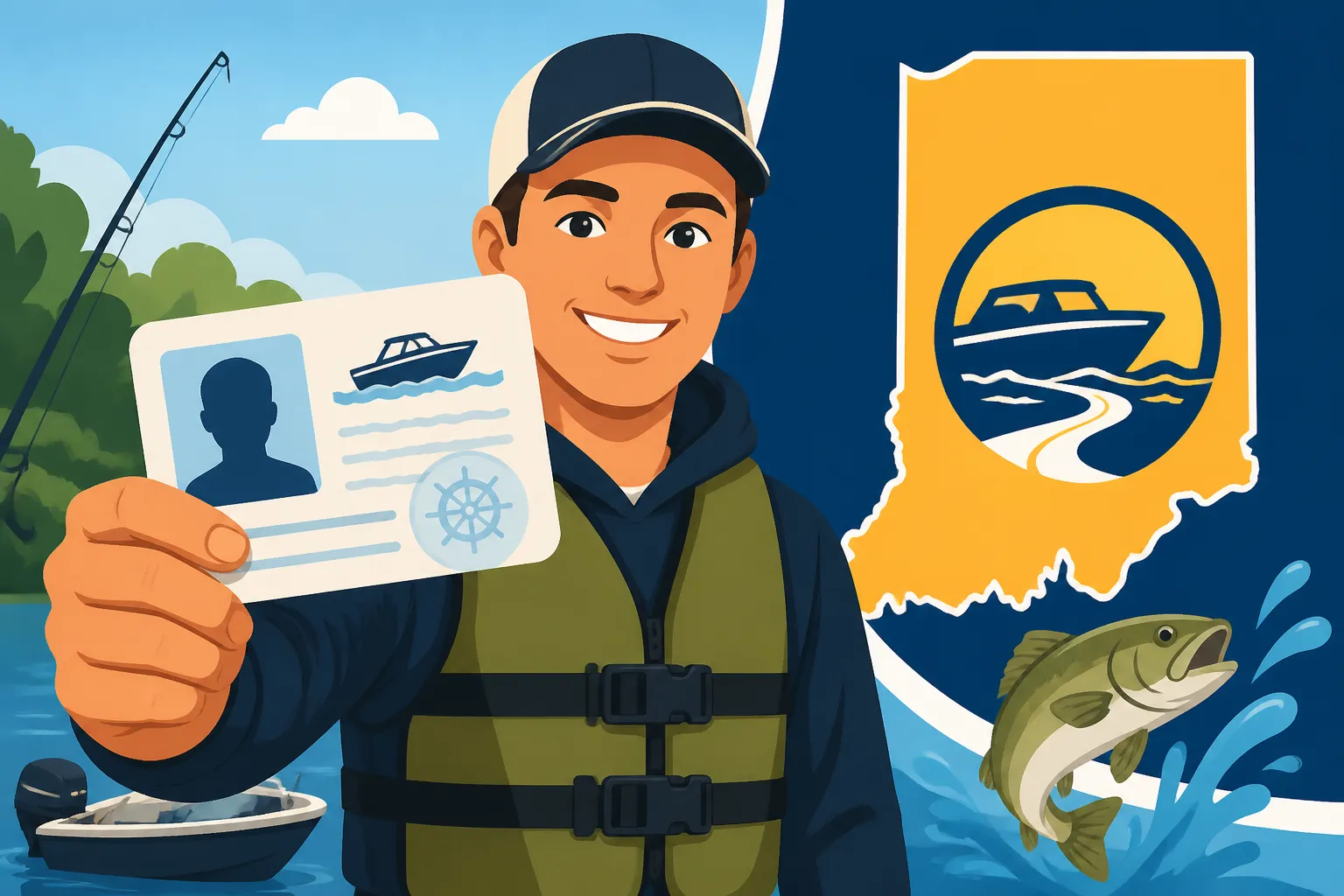
After your application is processed and approved, the Indiana BMV will mail your official Boater ID Card to your address. This card is usually a durable, wallet-sized card, much like a driver's license or state ID. It's important to remember that until you have this physical card in your possession, you are not considered fully compliant with the Boater ID requirement. Always carry your Boater ID Card with you whenever you're operating a motorboat or PWC that requires it. Think of it as your official boating passport. Keep it safe, maybe even consider putting it in a waterproof holder with your Indiana Fishing License Requirements Explained and boat registration, so it's always protected and accessible when you're on the water.
Important Details About Your Indiana Boater ID Card
Getting your Boater ID Card is a milestone, but like any official document, there are a few ongoing considerations to keep in mind. Knowing these details will help ensure you remain compliant and can enjoy Indiana's waters without any hitches.
Keeping Your Boater ID Card Current
The good news about the Indiana Boater ID Card is that, unlike many licenses, it typically does not expire. Once you earn it, it's generally valid for life. This is a huge relief for many boaters, as it means no annual renewals or re-taking courses. However, it's always a good practice to confirm current regulations, as rules can sometimes change. The purpose of the card is to certify that you've completed the boater education requirement, and that knowledge doesn't simply disappear. So, while you won't be scrambling to renew it like your driver's license, occasionally glancing at the Indiana DNR or BMV websites for any updates is a smart move.
What to Do If You Lose Your Card
Losing any important card is a hassle, and your Boater ID Card is no exception. If your card goes missing, gets damaged, or you need to update information like a name change, you'll need to request a replacement from the Indiana BMV. They typically have a process for issuing duplicates, which might involve a small fee. Often, you can start this process online through their portal or visit a BMV branch in person. Having your original course completion certificate or a record of your completion can make this process smoother, so it's a good idea to keep a digital or physical copy of that initial certificate in a safe place. Don't let a lost card keep you off the water; getting a replacement is usually quite simple.
The Difference Between a Boater ID and a Driver's License
This is a common point of confusion for many people: "If I have a driver's license, isn't that enough?" The answer, unequivocally, is no. While both are official identification cards issued by the state, they serve fundamentally different purposes and certify different skill sets. Your driver's license certifies you to operate a motor vehicle on public roads. Your Boater ID Card, on the other hand, certifies that you have completed specific education regarding the safe operation of vessels on public waterways. They are distinct requirements. Think of it this way: just because you can drive a car doesn't mean you know how to navigate a channel, understand right-of-way rules on a lake, or properly anchor a boat. The Boater ID Card fills that knowledge gap, ensuring you're educated specifically for the marine environment. This distinction is crucial, and it’s why the question, Do You Need a Boater ID Card if You Have a Driver's License in Indiana? often comes up. They are both necessary documents, but for different domains.
Overview of Indiana Boater Education Requirements
To help simplify the requirements for the Indiana Boater ID Card, here's a quick overview of who needs it and the general age guidelines. Remember, specific circumstances might vary, so always refer to the official Indiana DNR and BMV resources for the most up-to-date information.
| Requirement Area | Details |
|---|---|
| Who Needs a Boater ID Card | Individuals born after December 31, 1985, who operate a motorboat over 10 horsepower or a personal watercraft (PWC). |
| Operators Under 15 Years Old | May not operate a motorboat over 10 HP or a PWC, even with an ID card, unless accompanied by an adult 18+ who meets requirements. |
| Operators 15-17 Years Old | Must carry a Boater ID Card OR be accompanied by an adult 18+ who holds a Boater ID Card (if born after 1985) or is exempt. |
| Operators 18+ (Born after 1985) | Must carry a Boater ID Card when operating a motorboat over 10 HP or a PWC. |
| Operators Born Before 1986 | Exempt from the Boater ID Card requirement, but boater safety education is always recommended. |
| Course Approval | Must complete a boater education course approved by the Indiana Department of Natural Resources (DNR). |
| Card Validity | Once issued, the Indiana Boater ID Card is generally valid for life and does not expire. |
This table provides a clear snapshot, but it’s always best to understand the nuances explained in the sections above. Getting your Boater ID Card is a commitment to safety and ensures you’re ready to responsibly enjoy all the incredible fishing and boating opportunities Indiana has to offer. Whether you're navigating the Lake Michigan Fishing Rules for Indiana Anglers or enjoying a quiet day on a local reservoir, preparedness is key.
Disclaimer
This article is for general informational purposes only and does not constitute professional advice. Laws, prices and regulations vary by location and change over time. Consult a qualified professional for guidance on your specific situation.