Indiana Watercraft Decal Rules for Kayaks and Canoes
Navigating the rules and regulations for your favorite watercraft can feel like trying to untangle a particularly stubborn fishing line. You just want to enjoy the peace of an Indiana lake or river in your kayak or canoe, but suddenly you're wondering if you need a special sticker, a license, or what have you. This guide is here to cut through the confusion and explain exactly when and why your kayak or canoe needs a watercraft decal in the Hoosier State, ensuring your paddling adventures are always by the book.
Understanding Indiana's Watercraft Registration Basics for Paddlers
It’s easy to assume that because your kayak or canoe is human-powered, it automatically flies under the radar when it comes to official state regulations. And for many paddlers, that's absolutely true! The vast majority of purely paddle-powered vessels don't require the same kind of red tape that a motorboat does. However, the line in the sand isn't drawn by the boat itself, but rather by what powers it. This distinction is crucial for understanding whether you need to register your vessel and display a decal.
The Core Rule: Motorized vs. Non-Motorized
The foundational principle in Indiana watercraft registration boils down to whether your vessel has a motor. If your kayak or canoe is propelled solely by paddles, oars, or a sail, you're generally in the clear regarding registration and decals. This means you can launch your traditional canoe or sit-on-top kayak into most Indiana waters without needing to display a registration number or an annual decal. It's truly a grab-and-go experience, which is one of the many reasons why paddling is so popular.
However, as soon as you attach any kind of motor, no matter how small or seemingly insignificant, the rules change immediately. This includes electric trolling motors, small gas outboards, or even homemade electric propulsion systems. The moment that motor touches your boat, it transforms from an unregulated vessel into a "motorboat" in the eyes of the law, and that triggers a whole new set of requirements, including registration and the display of a valid decal. It's a key distinction that can catch many first-time motor-assisted paddlers off guard.
Why Decals and Registration Matter
You might wonder why the state cares if your little electric motor-equipped kayak has a sticker. The truth is, registration and decals serve several important purposes that contribute to overall safety and responsible water management. For one, it provides a unique identifier for every motorized vessel on Indiana's waterways. In the event of an accident, a lost boat, or a violation, this identification is critical for law enforcement and emergency services. It's similar to how car license plates work on the road.
Beyond identification, the fees collected from watercraft registration directly support Indiana's Department of Natural Resources (DNR) programs. These funds are vital for maintaining public access sites, improving waterways, enforcing boating safety laws, and managing fish and wildlife resources. So, while it might feel like just another hoop to jump through, your registration actually contributes to the health and enjoyment of Indiana's aquatic environments for everyone, including future generations of paddlers and anglers.
The Role of the BMV (or equivalent agency)
When it comes to motorboat registration in Indiana, your primary point of contact will be the Bureau of Motor Vehicles (BMV). While you might associate the BMV mostly with car licenses and vehicle titles, they are also responsible for all motorized watercraft registration in the state. This means if your kayak or canoe has a motor, you'll be heading to the BMV to get it officially registered. They handle the initial registration process, title transfers, and annual renewals.
It's not just about getting the paperwork done; the BMV is the official repository for all watercraft records. This centralizes the process and ensures consistency across the state. While certain aspects of boating safety and enforcement fall under the Indiana DNR, the administrative side of registration is firmly with the BMV. It’s always a good idea to check the official BMV website or call them directly if you have specific questions, as procedures can sometimes be updated or clarified. For more details on what motors need registration, you can look into Indiana Motorboat Registration Requirements.
When Do Kayaks and Canoes Need a Decal in Indiana?
This is where many paddlers get tripped up, and it's completely understandable. The world of kayaks and canoes, especially with the rise of electric propulsion, has created some gray areas. The simple answer is this: if your kayak or canoe is powered by any kind of motor, regardless of its size or horsepower, it needs to be registered and display an Indiana watercraft decal.
Small Motors Change Everything
Let's talk specifics. You've got a sleek kayak, and you've decided to add a small electric trolling motor to help you cover more water, especially if you're out fishing. This is a common and fantastic way to extend your range and save your energy. However, that seemingly innocuous electric motor, even if it's only 30 pounds of thrust, instantly changes your kayak's classification. It's no longer just a "non-motorized" vessel in the eyes of the law; it's now a motorboat.
This means you’ll need to apply for a watercraft registration through the Indiana BMV, just like someone with a larger bass boat would. Once registered, you'll receive a registration card, a unique registration number, and an annual decal. That decal, along with the registration number, must be displayed prominently on your kayak or canoe. Failing to do so can lead to an unexpected conversation with a conservation officer, and potentially fines. It’s a simple rule, but one that’s easy to overlook when you’re used to just paddling around.
Manual Paddling Means No Decal… Usually
For the vast majority of traditional kayakers and canoeists, the good news is that no registration or decal is required. If your vessel is propelled solely by your own muscle power—think paddles, oars, or even a pedaling system that mechanically turns a propeller without an engine—you are exempt from state registration. This covers everything from recreational kayaks you bought at a big box store to high-performance racing canoes. It’s part of what makes paddling such an accessible and low-barrier way to enjoy the water.
This exemption extends to rafts, paddleboards, and other similar manually propelled vessels. You can carry them on your car, launch them anywhere, and enjoy your time without any paperwork hassle from the state. This "usually" caveat is important: while Indiana doesn't require registration for non-motorized boats, some private lakes, parks, or specific local ordinances might have their own permit systems or rules. Always check with the property owner or local authorities if you're unsure about a specific body of water. For further clarification, you might want to read Do Kayaks Need to Be Registered in Indiana?.
Electric Motors: A Common Grey Area
Electric motors are perhaps the biggest source of confusion for kayak and canoe owners. Many assume that because they're "electric" and often very small, they don't count the same way a gas engine does. This is a crucial misunderstanding. In Indiana, the definition of a "motorboat" includes any vessel propelled by a motor, regardless of the motor's type (gas or electric) or its horsepower. If it's a motor, it's a motorboat.
This means that if you attach even the smallest electric trolling motor to your kayak for fishing or simply to cover distances, you are legally required to register that watercraft and display the corresponding decal. There's no minimum horsepower or thrust threshold for this rule. Even a tiny motor intended only to assist with steering or provide a little extra push against a current brings your vessel under registration requirements. It’s important to clarify this before you hit the water, especially if you've been eyeing some compact electric motors on sites like Amazon or at your local Bass Pro Shops.
The Process of Obtaining and Displaying Your Decal
Once you’ve determined that your kayak or canoe, with its trusty motor attached, needs to be registered, the next step is to actually go through the process. It's not overly complicated, but it does require attention to detail to ensure you're fully compliant. Getting it right the first time saves you potential headaches down the road.
Where to Go and What to Bring
The primary place to register your motorized kayak or canoe in Indiana is at any Indiana Bureau of Motor Vehicles (BMV) branch. You can also handle some transactions online or via mail, but for an initial registration, visiting a branch in person is often the most straightforward way, especially if you have questions or need to clarify paperwork. You'll need to gather a few essential documents to ensure a smooth process.
Typically, you'll need proof of ownership, such as a manufacturer's statement of origin (MSO) if it's a new boat, or a bill of sale if you purchased it used. You'll also need personal identification, and proof of your Indiana residency if applicable. If the motor was purchased separately, you might need a bill of sale for that too, especially if it has a serial number. It's always a good idea to call ahead to your local BMV branch or check their official website for the most current list of required documents, as specific situations might require additional paperwork.
Applying Your Decal Correctly
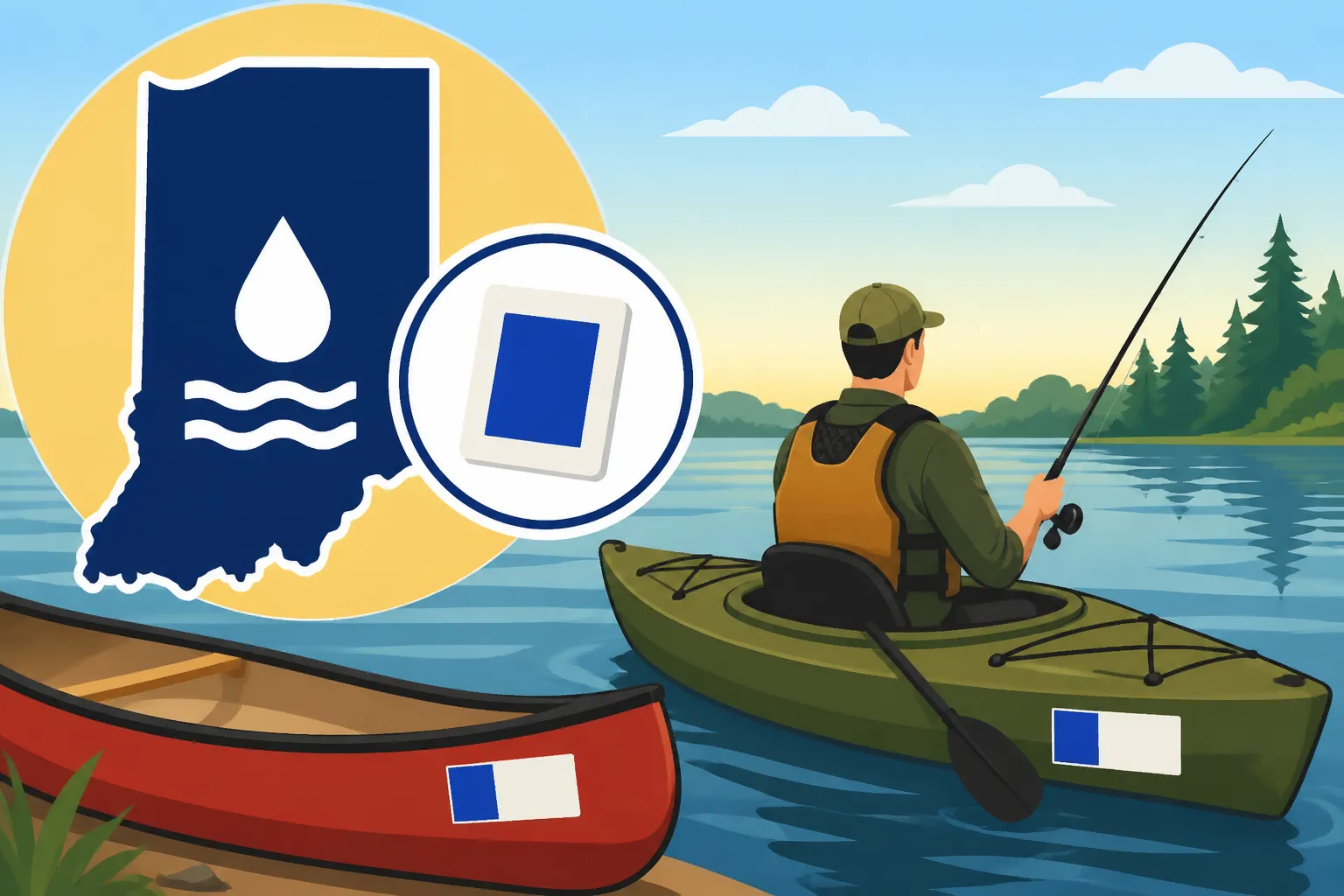
Once your watercraft is registered, you'll receive a registration card, a set of registration numbers, and the annual decal. The decal is typically a small sticker that indicates the current registration year. Proper placement of both the registration number and the decal is critical for compliance. The registration number, which consists of letters and numbers (e.g., IN 1234 AB), must be displayed on both sides of the forward half of your kayak or canoe. The numbers must be block characters, at least three inches high, and in a contrasting color to the hull, making them clearly visible.
The annual decal is usually placed near the registration number, typically within six inches of the last character of the registration number on the port (left) side of the vessel. Make sure it's applied to a clean, dry surface so it adheres properly and doesn't fall off in the water. An incorrectly placed or illegible decal and number can still lead to a citation, so take your time and follow the guidelines precisely. These are often outlined in the information packet you receive from the BMV.
Renewing Your Registration and Decal
Just like your car's license plate tags, your watercraft registration and decal for your motorized kayak or canoe are not permanent. They need to be renewed periodically, typically annually. In Indiana, the registration year for watercraft runs from April 1st to March 31st of the following year. This means you’ll need to renew by April 1st to ensure continuous compliance.
The BMV usually sends out renewal notices as your registration expiration date approaches. You can often renew online, by mail, or in person at a BMV branch, making it a fairly convenient process. Don't let your registration lapse! It's easy to forget, especially if you only use your motorized kayak occasionally, but an expired decal is treated the same as having no registration at all. Setting a reminder on your phone or marking your calendar for March is a simple way to stay on top of this. You can find more information about renewal processes in articles like What Information You Need to Renew an Indiana Fishing License.
Special Scenarios and Exceptions for Paddlers
While the general rule of thumb about motors and decals covers most situations, there are always unique circumstances that can lead to questions. Understanding these special scenarios can prevent confusion and ensure you're compliant no matter where your paddling adventures take you.
Out-of-State Kayaks and Canoes
If you're visiting Indiana from another state and plan to use your motorized kayak or canoe on Hoosier waters, you might be wondering about registration. Generally, Indiana honors valid registrations from other states, provided your vessel is properly registered and numbered in your home state. This means if your motorized kayak is legally registered in, say, Ohio or Michigan, you typically do not need to register it again in Indiana for a temporary visit.
However, there's usually a time limit on this reciprocity. If you plan to use your vessel in Indiana for an extended period, or if you establish residency in Indiana, you will eventually need to register it here. Always carry your home state's registration documentation with you on the water to prove compliance if asked by a conservation officer. It's always a good idea to briefly review Indiana's specific reciprocity rules or check resources like Out-of-State Boat Registration Rules for Indiana Waters if you're planning a long stay.
Tournament Anglers and Special Permits
For those who are serious about kayak fishing and participate in tournaments, the registration rules remain the same: if your kayak has a motor, it needs to be registered and decaled. There aren't typically special exemptions or permits for motorized kayaks just because they're being used in a tournament. The basic watercraft registration covers your vessel for all legal recreational activities, including competitive fishing.
However, tournament organizers themselves might have additional rules or requirements regarding safety equipment, identification, or specific types of motors (e.g., electric only). These are separate from state registration rules. Always check with the tournament director for any event-specific mandates. The key takeaway is that state registration is about the vessel itself, not necessarily the activity you're undertaking with it.
Homemade or Modified Watercraft
Some adventurous paddlers might construct their own kayak or canoe, or significantly modify an existing one, perhaps adding a transom for a motor where there wasn't one before. If your homemade or modified vessel ends up with any form of propulsion that constitutes a "motor," it absolutely needs to be registered. The origin of the boat (store-bought or DIY) doesn't change the motorized rule.
For homemade vessels, the registration process might involve a bit more paperwork, as you'll need to establish proof of ownership and the boat's specifications. This often means providing receipts for materials or having the vessel inspected to assign a hull identification number (HIN) if it doesn't have one. It's crucial not to skip this step, as an un-registered motorized homemade boat is just as non-compliant as an unregistered factory-built one. When in doubt, contact the BMV for guidance on how to properly title and register a custom-built watercraft.
Consequences of Non-Compliance and How to Avoid Them
It’s easy to think of registration rules as mere bureaucratic hurdles, but neglecting them can lead to real and unpleasant consequences. Indiana's conservation officers are on the water regularly, and they are trained to spot unregistered vessels. The aim isn't just to issue tickets, but to ensure safety and responsible use of our natural resources.
The Risks of Fishing Without Proper Registration
Getting caught operating a motorized kayak or canoe without proper registration and decals in Indiana can result in citations, fines, and even the possibility of having your vessel impounded. The exact penalty can vary depending on the severity of the offense, whether it's a first offense, and the discretion of the issuing officer. However, it's safe to say that the cost of a fine will almost certainly exceed the cost of proper registration, making it a penny-wise and pound-foolish decision to skip the process.
Beyond the legal ramifications, an unregistered vessel might also complicate matters in the event of an accident. Insurance claims, if you have coverage, could be impacted if your boat wasn't legally compliant. More importantly, it undermines the system that helps fund waterway maintenance and safety patrols. It's a simple step to ensure you're a responsible and law-abiding member of the Indiana boating community. To learn more about what you might face, check out What Happens if You Boat Without Registration in Indiana?.
Common Mistakes Paddlers Make
Many paddlers who find themselves in violation of registration rules aren't doing it intentionally. It's often due to a few common misunderstandings or oversights:
- Underestimating small motors: The belief that a tiny electric trolling motor doesn't count as a "motor" for registration purposes is perhaps the most prevalent mistake. Remember, any motor means registration.
- Forgetting renewals: Life gets busy, and annual renewals can slip through the cracks. An expired decal is just as problematic as no decal at all.
- Incorrect display: Having the registration numbers or decal in the wrong size, color, or location, or if they're obscured or falling off, can still lead to issues. They must be clearly visible and correctly applied.
- Assuming reciprocity indefinitely: Visitors might mistakenly believe their out-of-state registration is valid forever in Indiana, even after moving or staying for an extended period.
Being aware of these common pitfalls can help you avoid them. A quick double-check of your registration and decal before you head out can save a lot of trouble.
Proactive Steps to Stay Compliant
Staying compliant with Indiana's watercraft decal rules for your motorized kayak or canoe is quite straightforward if you take a few proactive steps:
- Assess your propulsion: Before you even think about hitting the water, honestly evaluate if your kayak or canoe has any motor. If the answer is yes, proceed to registration.
- Gather documents early: Don't wait until the last minute. Collect your bill of sale, MSO, and personal ID well in advance of your BMV visit.
- Understand the display rules: Make sure you know the exact specifications for size, color, and placement of your registration numbers and decal. Don't eyeball it; use a ruler if necessary.
- Set renewal reminders: Put a recurring reminder on your calendar or phone for early March each year to prompt you to renew your registration before the April 1st deadline.
- Educate yourself: Stay informed about boating laws. The Indiana DNR website is an excellent resource for current regulations. You can also explore articles like Indiana Fishing License Requirements Explained for broader regulatory knowledge.
By being proactive, you can ensure your time on the water is stress-free and enjoyable, without any unexpected interruptions from law enforcement.
Beyond the Decal: Other Essential Gear for Kayak and Canoe Safety
While ensuring your motorized kayak or canoe has the correct decal is crucial for legal operation, it’s just one piece of the puzzle for a safe and enjoyable outing. Responsible paddling goes far beyond paperwork. Equipping yourself with the right safety gear is paramount, regardless of whether your vessel is motorized or purely paddle-powered.
Essential Safety Equipment You Can't Forget
Beyond your registration and decal, there’s a whole host of other safety items that are either legally required or highly recommended for any watercraft. These aren't just suggestions; they are vital for your well-being and the safety of those around you. For any boat, including a motorized kayak, you generally need sound-producing devices, such as a whistle or horn, and visual distress signals for night operation. Having a bailing device (like a small bucket or sponge) and a flashlight or lantern on board is also smart, especially if you plan to be out after dusk.
Having a sturdy anchor, particularly for motorized kayaks, can also be a lifesaver if you need to hold position in wind or current. Furthermore, a first-aid kit is always a good idea for minor scrapes and emergencies that might occur far from shore. Many outdoor retailers, like Bass Pro Shops, offer pre-made boating safety kits that contain many of these essentials, making it easy to stock up. Amazon also has a wide selection of individual items if you prefer to build your kit piece by piece. For a deeper dive into what you should carry, refer to Indiana Boater Safety Gear Checklist.
Life Jackets: Not Just a Suggestion
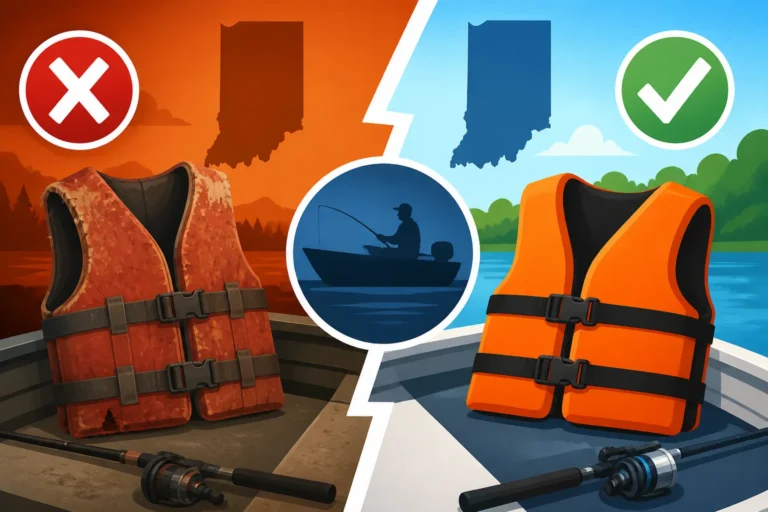
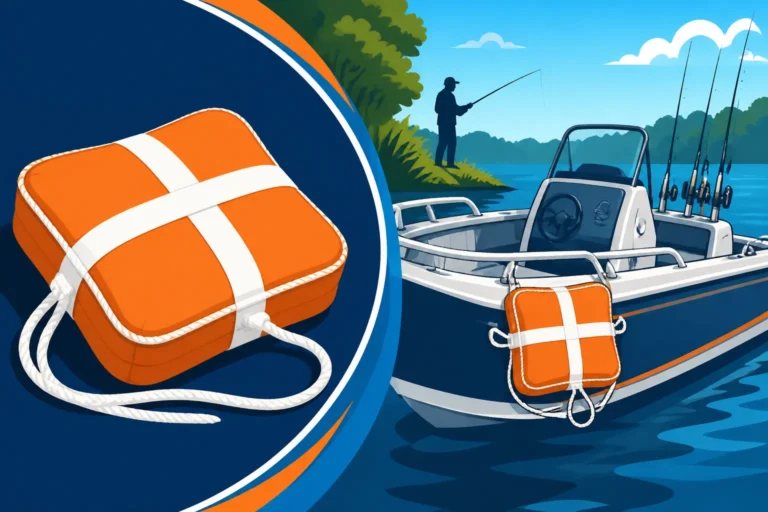
If there's one piece of safety equipment that absolutely cannot be overlooked, it's a life jacket, or Personal Flotation Device (PFD). In Indiana, every vessel, including kayaks and canoes, must have at least one readily accessible U.S. Coast Guard-approved life jacket for each person on board. Children under a certain age (check current regulations, but typically under 13) are required to wear a life jacket at all times while on a moving vessel.
For adults, while wearing it constantly might not be legally mandated in all situations (unless you're on a PWC or being towed), it is always the safest practice, especially in a kayak or canoe where capsizing can happen quickly and unexpectedly. Choose a life jacket that fits comfortably and is appropriate for the type of activity you're doing. There are specific PFDs designed for paddling that allow for greater arm movement. Investing in a good quality life jacket from a reputable brand isn't just about compliance; it's about protecting your life. You can find more specific rules in Indiana Life Jacket Requirements for Every Boater.
Navigation and Communication Tools
While your small kayak or canoe might not have a fancy dashboard, having some basic navigation and communication tools can make a significant difference in your safety and enjoyment, especially on larger lakes or rivers. A waterproof map of the area or a reliable GPS device (even a smartphone with a good mapping app in a waterproof case) can prevent you from getting lost, especially if weather conditions change.
For communication, a fully charged cell phone in a waterproof bag is a minimum. However, for serious anglers venturing further out, especially on Lake Michigan, a VHF marine radio can be a lifesaver, as it often has better range and is monitored by emergency services. Always tell someone your float plan – where you're going, when you expect to be back, and who's with you. These simple steps, combined with proper registration and safety gear, contribute to a truly worry-free day out on the water. For kayak-specific gear advice, take a look at Kayak Fishing Gear for Indiana Waters.
Quick Reference: Indiana Watercraft Decal Rules
Here's a simplified overview to help you quickly determine if your kayak or canoe needs a decal in Indiana:
| Watercraft Type | Motor Present? | Registration/Decal Required? | Key Action Needed |
|---|---|---|---|
| Kayak/Canoe (paddles only) | No | No | Enjoy! |
| Kayak/Canoe (with ANY electric motor) | Yes | Yes | Register at BMV, display numbers and decal, renew annually |
| Kayak/Canoe (with ANY gas motor) | Yes | Yes | Register at BMV, display numbers and decal, renew annually |
| Out-of-State Registered Kayak/Canoe | Yes (registered elsewhere) | No (for temporary visits) | Carry valid home state registration |
| Homemade Kayak/Canoe | Yes (with motor) | Yes | Register at BMV, may need HIN assignment |
This table serves as a general guide. Always consult the Indiana BMV or DNR for the most current and specific regulations.
Disclaimer: This article is for general informational purposes only and does not constitute professional advice. Laws, prices and regulations vary by location and change over time. Consult a qualified professional for guidance on your specific situation.