Lake Michigan Fishing Rules for Indiana Anglers
Oh, Lake Michigan. Just the name alone conjures up images of vast, deep waters and the thrill of battling a chrome-bright salmon or a powerful steelhead. But let's be honest, those big waters also come with a whole different set of rules compared to your local farm pond or even the larger inland lakes here in Indiana. It can be incredibly frustrating trying to figure out what applies where, especially when you're thinking about chasing those incredible Great Lakes species. This comprehensive guide is here to untangle all that confusion, giving you the clear, practical information you need to confidently and legally fish Indiana's magnificent Lake Michigan shoreline.
Why Fishing Lake Michigan is a Different Ballgame
You might be thinking, "Fishing is fishing, right?" And while the basic act of casting a line or setting a trolling spread remains the same, Lake Michigan operates under a unique set of circumstances that necessitate its own distinct regulations. This isn't just about the sheer size of the lake; it's about a complex ecosystem, shared jurisdictions, and species that behave very differently from their freshwater cousins.
Interstate Cooperation and Shared Waters
Imagine trying to agree on rules with four different households, all sharing the same swimming pool. That's a bit like what happens on Lake Michigan. Indiana, Illinois, Michigan, and Wisconsin all share the waters of Lake Michigan, and each state has its own DNR (or equivalent) that manages its portion. However, because fish don't respect imaginary state lines drawn on a map, there's a lot of interstate cooperation and compacts that influence the regulations you see. This means that while Indiana sets its specific rules, those rules are often developed with an eye toward what's happening across the lake in Michigan or Illinois, aiming for a cohesive management strategy for the entire fishery. It's not always simple, and it's certainly not always identical from one state to the next, which is why understanding Lake Michigan Fishing Regulations Are Different From the Rest of the State is so crucial.
Unique Species and Ecosystem Challenges
Forget largemouth bass and bluegill for a moment, because Lake Michigan introduces a whole new cast of characters to the Indiana angler. We're talking about Pacific salmon like Chinook and Coho, and various trout species such as Steelhead (which are rainbow trout that migrate to the lake), Brown Trout, and the native Lake Trout. These cold-water species thrive in the deep, clear waters of Lake Michigan, and their life cycles and migratory patterns are entirely different from warm-water species. This ecosystem also faces unique challenges, including invasive species like zebra mussels and quagga mussels, which profoundly impact water clarity and the food chain. The regulations are designed not just to manage angler harvest but also to protect these delicate populations and the unique environment they inhabit, often reflecting broader Great Lakes management goals.
Indiana Fishing License Requirements for Lake Michigan
Before you even think about dropping a line into the big lake, you need to make absolutely sure your paperwork is in order. Getting caught without the proper licenses and stamps is a surefire way to turn a fantastic day of fishing into a costly headache.
Who Needs a License and When
Just like fishing anywhere else in the state, anyone 18 years of age or older needs a valid Indiana fishing license to fish Lake Michigan. This applies to both residents and nonresidents. For Indiana residents, the annual license is typically valid from April 1st through March 31st of the following year. Nonresidents have options, including annual, 7-day, or 1-day licenses, depending on the length of their stay. It's a common misconception that if you're fishing from a pier or shore, you might not need one, but that's simply not true. If your line is in the water, you need a license. It’s always best to check the current Indiana Fishing License Requirements Explained before heading out, especially if you're unsure about age cutoffs or special circumstances. The costs can vary, so it's also wise to review the Indiana Fishing License Costs for Residents and Nonresidents page to budget accordingly.
A quick table can help clarify the main license types and who they're for:
| License Type | Who It's For | Validity Period | Includes Trout/Salmon Stamp? |
|---|---|---|---|
| Resident Annual | Indiana residents 18-64 | April 1 – March 31 | No, must be added |
| Senior Annual | Indiana residents 65+ | April 1 – March 31 | No, must be added |
| Senior Fish-for-Life | Indiana residents 65+ (one-time purchase) | Lifetime | No, must be added |
| Nonresident Annual | Nonresidents 18+ | April 1 – March 31 | No, must be added |
| Nonresident 7-Day | Nonresidents 18+ (short trips) | 7 consecutive days | No, must be added |
| Nonresident 1-Day | Nonresidents 18+ (very short trips) | 1 calendar day | No, must be added |
| Under 18 | All individuals under 18 | N/A | No license/stamp needed |
Note: Specific costs for each license type are subject to change and should be verified directly with the Indiana DNR.
The Essential Trout and Salmon Stamp
Here’s where many anglers, particularly those new to Lake Michigan, can get tripped up. Fishing for salmon or trout in Lake Michigan – and in any designated trout and salmon streams in Indiana – requires a separate Trout and Salmon Stamp in addition to your regular fishing license. This isn't just a suggestion; it's a mandatory requirement. This stamp funds specific conservation and stocking programs for these prized cold-water species, ensuring their populations remain healthy and robust for future generations of anglers.
Even if you have a valid annual or short-term license, if you intend to target or possess salmon or trout, you absolutely must have this stamp. The cost is generally quite reasonable, and it's easy to add when you purchase your main license online or from a local vendor. Don't risk a citation! Always ensure you have your Indiana Trout and Salmon Stamp Requirements squared away before your trip. Getting caught without it can lead to fines, and nobody wants to deal with that. If you're wondering What Happens If You Fish Without a License in Indiana?, let's just say it's not a pleasant experience, and it can involve significant penalties, so it’s always best to be compliant.
Key Species and Bag Limits on Lake Michigan
The allure of Lake Michigan fishing largely revolves around its magnificent salmon and trout populations. Understanding the specific bag limits and length requirements for each species is paramount for legal and responsible angling. These rules are in place to ensure sustainable fishing for everyone.
Salmon and Trout Bag Limits
This is where the regulations get really specific, and for good reason. Each species of salmon and trout has unique population dynamics, and the limits are carefully set to maintain healthy numbers. Generally, you’ll find a combined daily bag limit for salmon and trout, meaning you can only keep a certain number of fish total from these species, not a separate limit for each type. For example, Indiana often has a daily bag limit of five salmon and trout in combination, with specific rules for individual species within that total. You might be allowed three Chinook, but only two Lake Trout, contributing to your total of five.
It's crucial to check the most current Indiana DNR fishing guide before each trip, as these limits can occasionally be adjusted based on scientific assessments of fish populations. For instance, the general rule might be five combined, but within that, there could be a specific length limit for Chinook Salmon (e.g., no more than 3 fish over 28 inches) or a lower daily limit for Lake Trout. Always review the detailed regulations; they're readily available online and usually at bait shops. When the Fall Salmon Run Fishing on Lake Michigan in Indiana heats up, knowing these limits precisely can make the difference between a legal catch and a regretful one.
Other Notable Catches and Their Limits
While salmon and trout often steal the spotlight, Lake Michigan and its Indiana tributaries offer other exciting fishing opportunities. Yellow Perch are a highly sought-after species, known for their delicious table fare. However, their populations can fluctuate, leading to very specific and sometimes restrictive bag limits. Historically, Indiana has had a daily bag limit for Yellow Perch, and sometimes even closures during certain times of the year, especially along the shoreline. It’s absolutely vital to know the current perch regulations, as they can change more frequently than those for salmon and trout.
Smallmouth Bass are another popular sportfish, particularly in the shallower, rocky areas of Lake Michigan near harbors and breakwaters, as well as in the lower stretches of tributary rivers. These hard-fighting fish have their own set of length and bag limits, which generally align with the statewide bass regulations but should still be verified for Lake Michigan's specific nuances. Remember, even if you’re primarily targeting salmon, if you accidentally catch a perch or a bass, you’re still subject to its regulations for possession.
Specific Gear and Safety for Lake Michigan
Fishing on Lake Michigan isn't like casting into a small pond. The sheer scale of the water, the potential for rapidly changing weather, and the hard-fighting nature of its prized species demand specific gear and a serious approach to safety.
Essential Safety Equipment
Safety isn't just a good idea on Lake Michigan; it's the law, and it's paramount for your well-being. The Indiana Department of Natural Resources (DNR) enforces strict boating safety regulations, and rightfully so. Every boat needs to carry enough U.S. Coast Guard-approved life jackets for every person on board, and they must be readily accessible. For children under 13, wearing a life jacket at all times while underway on any boat is mandatory. Beyond that, having throwable flotation devices, a working fire extinguisher, sound-producing devices (like a horn or whistle), and navigation lights (if operating after sunset or before sunrise) are all non-negotiables.
Many anglers might carry a cheap whistle, but for the vastness of Lake Michigan, consider a marine-grade horn or even a VHF radio for reliable communication in case of an emergency, especially if you're heading out beyond cell service range. Always tell someone your float plan – where you're going, who you're with, and when you expect to return. You can easily find high-quality, comfortable life jackets that meet USCG standards on Amazon, ensuring you comply with How Many Life Jackets Do You Need on an Indiana Boat and stay safe. Double-checking your Indiana Boater Safety Gear Checklist before every trip is just smart seamanship.
Recommended Fishing Tackle
When it comes to tackle for Lake Michigan, you need to think heavy-duty. The salmon and trout here are powerful, and the methods used to catch them often involve specialized gear. Trolling is king for many anglers targeting salmon and steelhead. This means sturdy downriggers to get your lures down to precise depths, planer boards to spread your lines out, and specialized trolling rods that are robust enough to handle the stress of multiple lines in the water and the fight of a large fish.
You'll want reels with excellent drag systems and plenty of line capacity, typically spooled with braided line and a fluorocarbon leader. Lures vary from spoons (like Michigan Stingers or Dreamweaver Super Slims) to artificial flies (often paired with dodgers or flashers). For pier or shore fishing during the Fall Salmon Run Fishing on Lake Michigan in Indiana, heavy spinning or baitcasting setups with long rods capable of casting significant distances are essential. Think about rods in the 8-10 foot range, medium-heavy to heavy power, paired with reels that can hold 200+ yards of 20-30 pound monofilament or braid. You can find a vast selection of these specialized items, from downriggers to the latest trolling spoons, conveniently on Amazon.
Navigating Lake Michigan's Unique Regulations
Understanding the basic license and bag limit rules is a great start, but Lake Michigan often throws in additional complexities that can stump even experienced anglers. Knowing how to interpret length limits, special restrictions, and where to find up-to-the-minute information can save you a lot of grief.
Understanding Length Limits and Slot Sizes
Length limits are a common conservation tool, but on Lake Michigan, they can sometimes be more intricate. For instance, many salmon and trout species will have a minimum length, meaning any fish shorter than that must be immediately released. This protects juvenile fish, allowing them to grow and reproduce. However, sometimes there are "slot limits" or "maximum lengths" implemented for specific species. A slot limit means you can keep fish within a certain size range (e.g., 15-20 inches) but must release anything smaller or larger. A maximum length means you can keep fish up to a certain size, but anything exceeding it must be released.
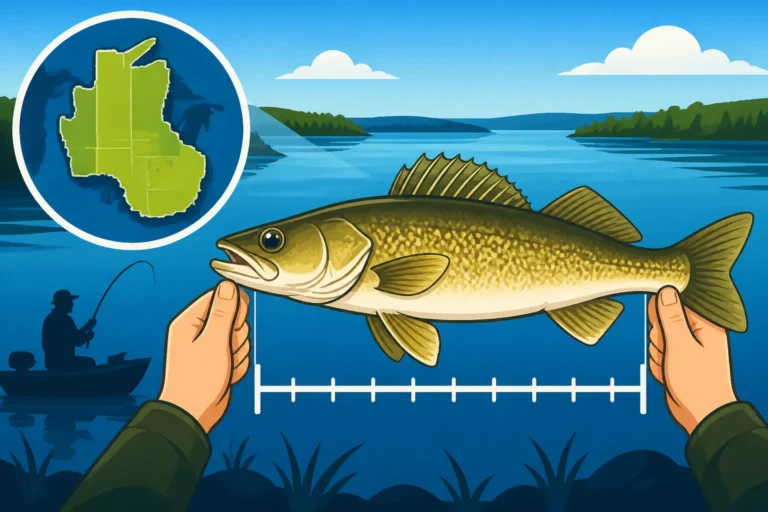
These nuanced regulations are often implemented to protect specific age classes of fish – perhaps a population of larger, older fish that are crucial for spawning, or to encourage the harvest of smaller, more abundant fish to reduce competition. It’s absolutely critical to measure your fish accurately as soon as it’s caught if you intend to keep it. Have a reliable measuring board or tape handy. Ignoring these limits, even by accident, is still a violation and can carry the same penalties as exceeding your bag limit. Always carry a copy of the current regulations or have them easily accessible on your phone.
Checking for Emergency Rule Changes
The Great Lakes fishery is dynamic, influenced by everything from weather patterns and water temperatures to fish diseases and stocking success. Because of this, the Indiana DNR, in coordination with other state agencies and federal bodies like the Great Lakes Fishery Commission, can sometimes implement emergency rule changes. These aren't common, but they do happen, and they can affect bag limits, length limits, or even open/closed seasons for certain species with very little notice.
Imagine planning a big salmon trip only to find out the day before that the limit on Coho has changed! To avoid such disappointments and ensure you're always compliant, make it a habit to check the official Indiana DNR website (fishing regulations section) and their social media channels a day or two before your Lake Michigan trip. Local bait shops and charter captains in areas like Michigan City or Portage are also excellent sources of up-to-date information, as they are often the first to hear about any adjustments to the rules.
Reciprocity and Border Waters on Lake Michigan
One of the most confusing aspects of fishing Lake Michigan for many anglers is the concept of reciprocity – or rather, the lack thereof – when it comes to state lines. It's not like crossing state lines on land; the water is a whole different legal realm.
No Reciprocity on Lake Michigan
This is a critical point that can lead to significant problems if misunderstood: Your Indiana fishing license is generally only valid in the Indiana waters of Lake Michigan. Unlike some smaller border rivers or lakes where Indiana might have reciprocity agreements with neighboring states (like some agreements on the Ohio River with Kentucky, which you can learn about in Indiana Fishing License Reciprocity With Ohio), Lake Michigan operates differently. This means if you launch your boat in Hammond, Indiana, and drift into Illinois waters, you are technically required to have an Illinois fishing license. The same applies if you cross into Michigan.
Many anglers mistakenly believe that if they start in Indiana, their license covers them for the entire lake, especially if they are just a few miles over the invisible state line. This is a common and costly mistake. Always be aware of your location on the water, especially if you're trolling or drifting. Modern GPS-enabled fish finders or even a reliable mapping app on your phone can clearly show you state boundaries on the water, helping you avoid accidental violations. If your fishing plans involve moving between state waters, the safest bet is to purchase nonresident licenses for any states you intend to fish. For those visiting from out of state, the Indiana Nonresident Fishing License Guide is an invaluable resource.
Fishing in Waters Shared with Other States
So, what does it mean to "share" waters, then? It means that while the states work together on conservation efforts and sometimes even coordinate stocking programs, the enforcement of fishing regulations typically falls within each state's defined jurisdiction. On Lake Michigan, these state lines extend out into the lake, not just along the shore. For example, the Indiana-Illinois border cuts straight north from the shoreline.
If you’re charter fishing, your captain should be well aware of these boundaries and possess the necessary licenses for any waters they intend to fish. But for private boaters, the responsibility falls squarely on your shoulders. Anglers operating out of Michigan City or Gary often stick to Indiana waters to avoid the hassle of multiple licenses. However, some might venture north or west if the bite is on in another state’s jurisdiction. If you do this, ensure you have the appropriate nonresident licenses from those states. Remember, ignorance of the law is not an excuse, and game wardens from each state actively patrol their respective waters. It's much simpler and less stressful to stay within your licensed waters or plan ahead for multi-state excursions by getting the necessary permits.
Best Practices for Responsible Lake Michigan Angling
Beyond simply following the rules, being a responsible angler on Lake Michigan involves a commitment to conservation, ethical behavior, and ensuring the health of this incredible fishery for generations to come. It’s about more than just filling your cooler.
Protecting the Fishery
The salmon and trout fishery in Lake Michigan is a managed resource, and responsible angling plays a huge role in its sustainability. This means being mindful of your impact, even when you're doing everything by the book.
For those practicing catch-and-release, especially with larger, spawning-potential fish, it's vital to handle them with extreme care. Minimize their time out of the water, use wet hands when handling to protect their slime coat, and revive them gently before release. Consider using single, barbless hooks, which can reduce harm to fish you intend to release.
Another critical aspect is preventing the spread of aquatic invasive species. Before launching and after retrieving your boat, make sure to "Clean, Drain, Dry."
- Clean: Remove all visible aquatic plants, animals, and mud from your boat, trailer, and gear before leaving the launch area. This includes prop, anchor, and fishing lines.
- Drain: Drain all water from your boat's bilge, livewells, and motor before leaving the ramp. Never transport live bait water from Lake Michigan to another body of water.
- Dry: Allow your boat and gear to thoroughly dry before your next outing. This can take several days for hard-to-reach areas.
These steps are fundamental to protecting not just Lake Michigan but all of Indiana's precious waterways from invasive species that can devastate native populations.
Supporting Conservation Efforts
As anglers, we have a vested interest in the health of Lake Michigan, and there are many ways to actively contribute to its conservation. One of the most direct ways is by adhering to all fishing regulations and encouraging others to do the same. Those bag limits and length restrictions aren't arbitrary; they're based on scientific data to ensure sustainable populations. Respecting them is respecting the future of the fishery.
Beyond compliance, consider getting involved with local conservation groups or joining angling organizations dedicated to Lake Michigan. Groups like the Salmon Unlimited of Indiana (SUI) or other chapters of national organizations often advocate for sound fishery management, participate in stocking efforts, and organize clean-up events. Many of these groups work closely with the Indiana DNR and other state agencies, providing valuable input and support. Even something as simple as purchasing your Indiana Fishing License Costs for Residents and Nonresidents and Indiana Trout and Salmon Stamp Requirements directly contributes to the funds used for fishery management, research, and stocking programs. Your license fees are directly reinvested into the resource you enjoy. Learning about and visiting some of the Best Salmon Fishing Spots on Lake Michigan in Indiana can also connect you more deeply with the local conservation efforts in those specific areas.
Final Thoughts on Lake Michigan Fishing
Fishing Lake Michigan from Indiana is an experience unlike any other in the state. The sheer size of the water, the powerful runs of salmon and trout, and the stunning beauty of the Great Lakes create memories that last a lifetime. But with that grandeur comes a responsibility to understand and respect its unique rules and ecosystem. By ensuring you have the correct licenses and stamps, meticulously checking bag and length limits, understanding border water complexities, and committing to best practices for conservation, you're not just staying legal – you're becoming a steward of this incredible natural resource. Don't let the regulations deter you; arm yourself with knowledge, plan carefully, and get out there to enjoy the unparalleled thrill of Lake Michigan fishing.
Disclaimer
The information provided in this guide is for general informational purposes only and is subject to change. Fishing regulations, license requirements, and safety guidelines can be updated by the Indiana Department of Natural Resources (DNR) at any time. Always consult the most current official Indiana Fishing Guide and DNR resources before engaging in any fishing activities on Lake Michigan or any other Indiana waters.