Indiana Nonresident Fishing License Guide
Heading to Indiana for a fishing adventure can be an incredibly exciting prospect, but navigating a new state's fishing license requirements can feel like trying to untangle a stubborn fishing knot. Many out-of-state anglers find themselves scratching their heads, wondering exactly what kind of license they need, how much it will cost, and where they can even get one without a hassle. This comprehensive guide is here to untangle all those complexities, making sure you're fully prepared and legal to cast your line in the Hoosier State.
Understanding Indiana's Nonresident Fishing License Basics
When you're visiting a new state with fishing on your mind, one of the first things you need to understand is how that state defines "nonresident" and who exactly needs a license. Indiana is no different, and getting this right from the start can save you a lot of headache (and potential fines!) down the road. It’s not just about showing up with a rod and reel; it’s about understanding the legal framework that allows you to enjoy Indiana’s beautiful waterways.
Who Needs a Nonresident License?
Simply put, if you don't permanently reside in Indiana, you're considered a nonresident by the Indiana Department of Natural Resources (DNR). This applies whether you're coming from a neighboring state like Ohio, Illinois, or Michigan, or if you're traveling from across the country. The moment you decide to wet a line in any public waters, from the smallest pond to the vast expanse of Lake Michigan, you'll need the appropriate Indiana Fishing License Requirements Explained. There are very few exceptions, such as during designated free fishing days, but for any other time, a valid license is non-negotiable for anyone 18 years or older. Even if you're just dipping a toe in for a quick afternoon of casual fishing, that license is your ticket to legally participate.
Consider a scenario: you're driving through Indiana on a road trip, see a picturesque lake, and decide to pull over for an hour of fishing. If you're 18 or older and don't have an Indiana driver's license or state ID proving residency, you're firmly in the "nonresident" category. Without the proper license, that spontaneous fishing stop could lead to a less-than-pleasant encounter with a conservation officer. It's always best to assume you need one and clarify rather than risk a violation.
Why the Rules are Different for Out-of-Staters
You might wonder why states bother with different license structures for residents versus nonresidents. It often boils down to funding and conservation. Resident licenses are typically priced to reflect a long-term contribution to the state's natural resources through taxes and other means, while nonresident licenses help offset the cost of maintaining fishing programs, stocking fish, and enforcing regulations for those who don't contribute to the state's tax base year-round. These funds are vital for sustaining healthy fish populations and accessible fishing spots, benefiting everyone who uses them.
Think of it this way: the Indiana DNR uses license fees to manage fisheries, conduct research on fish populations, and maintain public access sites like boat ramps and fishing piers. These are significant investments. Nonresident fees help ensure that those who enjoy these resources contribute fairly to their upkeep, even if their stay is temporary. It’s a way to ensure the Hoosier State’s fantastic fishing opportunities remain viable for generations of anglers, both local and visiting.
Defining "Nonresident" in Indiana Fishing Law
So, what exactly makes someone a "nonresident" according to Indiana law? Generally, it means you do not maintain a domicile or a permanent place of abode within the state. If your primary residence, the place where you live most of the time, is outside Indiana, you are considered a nonresident. This is usually determined by things like your driver's license, voter registration, and the address you use for tax purposes. It's a clear-cut distinction to ensure fairness in the licensing system.
For example, if you own a vacation home in Indiana but your main address and driver's license are from, say, Florida, you are still a nonresident for fishing license purposes. The key is your primary, permanent home. There are strict rules to prevent people from trying to claim temporary residency just to get a cheaper license, and conservation officers are well-versed in verifying residency status. Always be honest about your residency when purchasing your license to avoid any legal complications.
Types of Nonresident Fishing Licenses Available in Indiana
Indiana understands that not every out-of-state angler is looking for a year-long commitment. Some might be visiting for a weekend, while others plan an extended stay or even multiple trips throughout the year. Because of this, the state offers a range of options to suit different fishing schedules and budgets. This flexibility makes it easier for everyone to enjoy Indiana’s waters legally and responsibly.
Annual Nonresident Fishing License
For those who plan to make Indiana a regular fishing destination, perhaps with multiple trips planned throughout the year or an extended stay, the Annual Nonresident Fishing License is often the most cost-effective choice. This license is valid for the entire Indiana fishing license year, which runs from April 1st to March 31st of the following year. It covers all legal fishing activities across the state, with the exception of certain regulated species like trout and salmon, which require an additional stamp.
If you envision yourself coming back to fish the famous bass lakes like Monroe or Patoka, or exploring the northern glacial lakes for walleye and pike, then this annual option provides peace of mind. You won't have to worry about buying a new license every time you cross the state line. For many dedicated anglers who love Indiana's diverse fisheries, the Indiana Nonresident Annual Fishing License Cost is a worthy investment, offering unlimited fishing opportunities for 12 months.
Short-Term Nonresident Options: 1-Day and 7-Day Licenses
Indiana is a popular spot for weekend getaways and short vacations, and the DNR has wisely catered to these shorter visits with convenient short-term nonresident licenses. You have the choice of a 1-Day Nonresident Fishing License or a 7-Day Nonresident Fishing License. These are perfect for those impromptu fishing trips or when you're simply passing through and want to enjoy a day or a week on the water without committing to a full annual license.
The 1-Day license is ideal for a single outing, perhaps if you're camping at an Indiana State Park and decide to try your luck at the lake for an afternoon. For a longer family vacation or a dedicated fishing trip over a long weekend, the 7-Day option provides more flexibility. It's significantly cheaper than the annual pass if you're only going to fish for a limited time, making it accessible for casual anglers. You can easily purchase a Nonresident 1-Day Fishing License Cost in Indiana or a Nonresident 7-Day Fishing License Cost in Indiana online or at various retailers.
The Importance of the Trout/Salmon Stamp
Here’s a crucial detail that often catches nonresident anglers off guard: if your fishing plans include targeting trout or salmon in Indiana's waters, you'll need more than just a standard fishing license. Whether you've purchased an annual, 7-day, or 1-day nonresident license, you must also acquire an Indiana Trout and Salmon Stamp. This stamp is an additional endorsement required to keep these specific species. It’s a separate fee that goes directly to supporting cold-water fisheries management programs.
This applies to fishing Lake Michigan for its famous Chinook and Coho salmon runs, as well as steelhead and brown trout. It also applies to any designated trout streams or lakes where the DNR stocks rainbow or brown trout. Even if you're practicing catch and release for these species, the regulation states that if you are targeting them, you should have the stamp. Make sure to check the Indiana Trout and Salmon Stamp Requirements before you head out, especially if you're making a dedicated trip to the northern parts of the state or the Lake Michigan shoreline. Forgetting this small detail could lead to a fine, even if you have your general fishing license in hand.
How Much Does an Indiana Nonresident Fishing License Cost?
One of the most common questions out-of-state anglers have is, "How much is this going to set me back?" Understanding the costs upfront allows you to budget effectively for your trip and avoid any surprises. The prices for nonresident licenses are different from resident licenses, reflecting the different contribution models we discussed earlier.
Breaking Down the Annual Nonresident Fee
For a full year of fishing freedom in Indiana, the Annual Nonresident Fishing License comes with a specific price tag. The Indiana Nonresident Annual Fishing License Cost is $60. This single fee covers all general fishing activities from April 1st through March 31st of the next year, giving you plenty of time to explore the state's diverse waterways. If you plan on visiting Indiana multiple times within a 12-month period, this option usually proves to be the most economical in the long run.
For example, if you visit for two separate 7-day trips, you'd be looking at $20 per trip, totaling $40. A third trip would push you past the annual cost, making the annual license a better deal. It's always a good idea to weigh your anticipated fishing frequency against the costs of the various license types. Many nonresidents who frequently visit for family, friends, or just because they love Indiana's fishing often find the annual pass to be the smart choice for convenience and savings.
Costs for Short-Term Nonresident Licenses
If your visit to Indiana is brief, or if you're not sure how much fishing you'll actually do, the short-term options are designed to be more budget-friendly. The Nonresident 1-Day Fishing License Cost in Indiana is $9. This is perfect for a quick, spontaneous outing. For a slightly longer excursion, perhaps a long weekend or a week-long vacation, the Nonresident 7-Day Fishing License Cost in Indiana is $20.
These prices are designed to be affordable entry points for visiting anglers. Imagine you're staying at a cabin near Lake Monroe for a week and want to try your hand at bass fishing for a few days. The 7-day license makes perfect sense. Or perhaps you're passing through South Bend and want to try the St. Joseph River for an afternoon; the 1-day license has you covered. Both options offer great flexibility without requiring the full annual commitment.
Adding the Trout/Salmon Stamp to Your Purchase
Remember that crucial Trout and Salmon Stamp? It also comes with its own cost, separate from your general fishing license. The Indiana Trout and Salmon Stamp costs an additional $11 for both residents and nonresidents. So, if you're planning to target trout or salmon, you'll need to factor this into your total expense.
Let's do some quick math:
- Annual Nonresident Fishing License + Trout/Salmon Stamp: $60 (license) + $11 (stamp) = $71 total.
- 7-Day Nonresident Fishing License + Trout/Salmon Stamp: $20 (license) + $11 (stamp) = $31 total.
- 1-Day Nonresident Fishing License + Trout/Salmon Stamp: $9 (license) + $11 (stamp) = $20 total.
It’s important to remember this extra cost if your angling goals include these cold-water species. Forgetting it could result in a citation, so always double-check your plans and ensure you have all the necessary endorsements before heading out to the water.
| License Type | Base Cost (Nonresident) | With Trout/Salmon Stamp | Validity Period |
|---|---|---|---|
| Annual Fishing License | $60 | $71 | April 1st – March 31st |
| 7-Day Fishing License | $20 | $31 | 7 consecutive days |
| 1-Day Fishing License | $9 | $20 | 1 calendar day |
Where and How to Purchase Your Nonresident Fishing License
Modern technology has made purchasing fishing licenses incredibly convenient, and Indiana is no exception. Gone are the days when you absolutely had to find a specific sporting goods store during business hours. Now, you have multiple options to secure your license, whether you prefer the ease of online transactions or the traditional in-person experience.
Buying Online Through the Indiana DNR
The quickest and often most convenient way to obtain your nonresident fishing license is directly through the Indiana DNR's online licensing system. This platform is accessible 24/7, meaning you can purchase your license from the comfort of your home before you even leave for Indiana, or even while sitting at a campsite right before you cast your first line. The process is straightforward, secure, and ensures you have a valid license instantly.
To get started, you'll simply visit the Indiana DNR website and navigate to their license portal. You'll be prompted to create an account or log in if you already have one. From there, you can select the specific nonresident license type you need, add the Trout/Salmon Stamp if necessary, and complete your purchase using a credit or debit card. Once the transaction is complete, you'll receive a confirmation email with a link to print your license or save it digitally to your phone. This makes Buying a Fishing License Online in Indiana incredibly efficient, allowing you to get on the water faster.
Purchasing In-Person at Authorized Retailers
For those who prefer a more traditional approach, or if you find yourself without internet access, Indiana also offers the option to purchase your nonresident fishing license in person. The Indiana DNR partners with numerous authorized license vendors across the state. These typically include bait and tackle shops, sporting goods stores, some county clerks' offices, and even some Wal-Mart or Kmart locations. These retailers have the necessary system to issue official Indiana fishing licenses on the spot.
When you go in person, a friendly store clerk can guide you through the process, which can be helpful if you have questions or need assistance. Many anglers enjoy the experience of visiting a local bait shop, grabbing a license, and picking up some local lures or bait all at once. You can search the Indiana DNR website for a list of authorized license retailers near your planned fishing destination. Just make sure to bring all your necessary identification with you.
What Information You'll Need to Provide
Regardless of whether you purchase your license online or in person, you'll need to provide some basic personal information to complete the transaction. This is standard procedure across all states for identification and record-keeping purposes, helping the DNR manage licenses and enforce regulations.
Typically, you'll need:
- Full Legal Name: As it appears on your official identification.
- Date of Birth: To verify age requirements.
- Physical Address: Your permanent address outside of Indiana, which confirms your nonresident status.
- Proof of Identity: Usually a driver's license or state ID number. If purchasing online, you'll simply input the number. If in person, you'll present the physical ID.
- Email Address and Phone Number: For confirmation and communication purposes.
Having this information readily available will make the purchasing process smooth and quick. It's really no more complicated than buying anything else online or in a store that requires identification.
Key Regulations Nonresident Anglers Must Know
Beyond simply having a license, nonresidents must also be aware of and adhere to Indiana’s fishing regulations, which cover everything from how many fish you can keep to specific rules for certain bodies of water. These rules are put in place to ensure sustainable fishing practices and protect fish populations. Ignoring them can lead to significant penalties, even if you’re just visiting.
Statewide Bag and Size Limits
Indiana, like all states, has specific bag (daily possession) and size (minimum or maximum length) limits for various fish species. These limits are designed to prevent overfishing and allow fish populations to reproduce and grow. It's critical for nonresident anglers to familiarize themselves with these regulations before they start fishing. These limits can vary by species, and sometimes even by specific body of water.
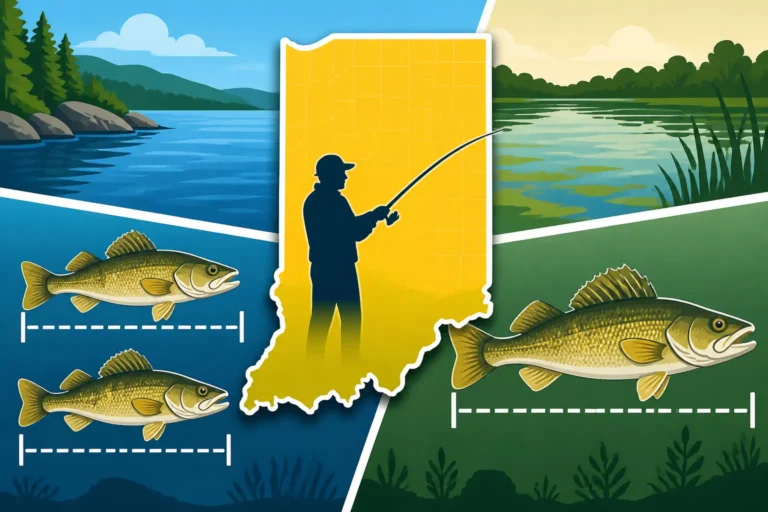
For instance, the statewide daily bag limit for black bass (largemouth, smallmouth, spotted bass combined) is five fish, with a minimum size limit of 14 inches. Walleye also have specific length requirements, often 14 inches or 16 inches, depending on the region. Panfish like bluegill, crappie, and redear sunfish generally have a generous daily limit of 25 per species, which is great for a family fish fry! You can find a complete, up-to-date guide to these limits in the Indiana Fishing Guide, available on the DNR website or at license retailers. Always consult the official guide, as rules can occasionally be updated.
Special Lake Michigan Regulations
Fishing Lake Michigan from Indiana’s shoreline or waters presents a unique set of rules that often differ from the rest of the state. Because Lake Michigan is an interstate and international body of water, its regulations are often harmonized with those of neighboring states and federal guidelines. This means that if you're planning a trip to the northwestern corner of Indiana to fish for salmon, steelhead, or lake trout, you need to pay extra close attention to the specific Lake Michigan Fishing Rules for Indiana Anglers.
These special regulations might include different bag limits, size restrictions, or even specific gear requirements for certain species or times of the year. For example, the bag limits for various salmon and trout species on Lake Michigan are typically more restrictive than for other fish in inland lakes. Always check the dedicated Lake Michigan section of the Indiana Fishing Guide or the DNR website before embarking on a Lake Michigan adventure. It’s easy to get caught out by these differences if you assume they’re the same as inland waters.
Understanding the Fishing License Year
This is a common point of confusion for many anglers, especially those visiting from states with different systems. Indiana's fishing license year runs from April 1st through March 31st of the following year. This is not a calendar year, and it’s not tied to when you purchase the license. So, if you buy an annual nonresident license in, say, September, it will still expire on March 31st of the next year.
This means that if you're planning a fishing trip in early spring, say in April, you'll need to ensure you have a license for the new license year. If you bought a license in July of the previous year, it would have expired on March 31st. Always verify the license year when making your purchase, especially if your trips span across this transition period. This ensures you’re continuously covered and can avoid any unintentional violations.
Reciprocity Agreements with Neighboring States
Fishing along state lines can be particularly confusing, with waters that span two or more jurisdictions. To make things a little easier for anglers, Indiana has established reciprocity agreements with some of its neighboring states. These agreements can simplify the licensing process for those who fish border waters, but it's vital to understand the specifics of each agreement, as they are not universal.
Indiana's Agreements with Ohio and Michigan
Indiana has specific reciprocity agreements with Ohio and Michigan for fishing in shared boundary waters. For instance, if you're fishing the St. Joseph River in Indiana near the Michigan border, or certain common waters with Ohio, your valid resident fishing license from one of those states might be honored in the Indiana portion of those specific waters. However, these agreements are highly specific to designated waters, and they do not grant you the right to fish anywhere else in Indiana with your Ohio or Michigan license.
It’s paramount to understand the precise boundaries covered by these agreements. For example, the Indiana Fishing License Reciprocity With Ohio typically applies to portions of the St. Marys River, while the Indiana Fishing License Reciprocity With Michigan might apply to certain sections of the St. Joseph River that flow through both states. Always consult the latest Indiana Fishing Guide or the Indiana DNR website for the exact maps and conditions of these agreements. Do not assume your home state license covers all of Indiana; it most certainly does not.
Fishing the Border Waters with Illinois and Kentucky
When it comes to border waters shared with Illinois and Kentucky, the reciprocity rules can be a bit different, and often more restrictive, than with Ohio and Michigan. For the Ohio River, which borders Indiana and Kentucky, there's often a general understanding that a valid license from either state allows you to fish the main stem of the river. However, this typically doesn't extend to tributaries flowing into the river within Indiana's boundaries.
Similarly, for waters bordering Illinois, like the Wabash River or specific lakes that straddle the state line, you will likely need to possess the appropriate license for the state whose waters you are actively fishing. The Indiana Fishing License Reciprocity With Illinois and Kentucky are important details to verify. Anglers need to know exactly where the state line is, which can be tricky on a body of water. When in doubt, it’s always safest to purchase an Indiana nonresident license if you plan to fish Indiana's side of the border waters, even if only for a short time, to avoid any issues.
What Reciprocity Doesn't Cover
It’s crucial to highlight what reciprocity agreements do not cover, as this is where many nonresidents make mistakes. These agreements are only for specific, clearly defined border waters. They do not allow an Ohio, Michigan, Illinois, or Kentucky resident to fish any inland lake or river within Indiana with their home state license. For example, an Ohio resident with an Ohio fishing license cannot simply drive to Monroe Lake or Patoka Lake in Indiana and fish there legally. For any fishing outside of the specifically designated reciprocal waters, a valid Indiana nonresident fishing license is always required.
Furthermore, reciprocity agreements usually only cover the general fishing license. If you are targeting species that require special stamps, like trout or salmon, you will likely still need the Indiana Trout and Salmon Stamp, even if your base fishing license is covered by reciprocity. Always read the fine print of any reciprocity agreement and, when in doubt, invest in the appropriate Indiana nonresident license to ensure you’re fully compliant with the law. It’s a small price to pay for peace of mind on the water.
Special Considerations for Nonresident Anglers
Beyond the standard licenses and regulations, there are a few other specific situations and opportunities that nonresident anglers should be aware of when planning their Indiana fishing trips. These include special fishing days and rules regarding youth and tournament participation.
Free Fishing Days for Nonresidents
Indiana generously offers several Free Fishing Days throughout the year. On these designated days, both residents and nonresidents can fish Indiana's public waters without needing a fishing license or a trout/salmon stamp. These days are a fantastic opportunity for families, beginners, or simply those who want to try out fishing in Indiana without the initial financial commitment of a license. It’s a wonderful way to introduce someone to the joy of angling or to explore new waters.
Typically, these days fall in May, June, and sometimes September. The exact dates vary each year, so it's essential to check the Indiana DNR website for the current schedule of Indiana Free Fishing Days: May, June, and September Dates. While you don't need a license on these days, all other fishing regulations, such as bag and size limits, still apply. So, you still need to know what you can legally keep! It’s an ideal chance to scope out potential fishing spots or try a new technique without needing to buy a short-term license.
Youth Nonresidents: When Kids Need a License
One of the best things about fishing in Indiana is how family-friendly it is, especially for the younger generation. In Indiana, resident youth under the age of 18 do not need a fishing license. This policy extends to nonresident youth as well! This means if you're visiting Indiana with your kids, and they are under 18, they can fish without a nonresident license, which is a great perk for family vacations.
This rule applies universally across all Indiana waters. So, whether your child is casting for bluegill in a small pond or trying their hand at salmon fishing on Lake Michigan, if they are under 18, they are exempt from license requirements. This makes fishing a very accessible activity for visiting families and can significantly reduce the overall cost of a fishing trip. You can find more details on this exemption, often summarized as Free Fishing for Indiana Residents Under 18, which applies equally to nonresidents of the same age group.
Tournament Angler Rules for Out-of-State Participants
For serious competitive anglers, participating in a fishing tournament in Indiana requires careful attention to licensing. If you are a nonresident and plan to enter an Indiana-based fishing tournament, you will need to possess a valid Indiana nonresident fishing license, along with any necessary stamps (like the Trout/Salmon stamp if the tournament targets those species). There isn't a separate "tournament angler" license for nonresidents; the standard nonresident licenses apply.
Furthermore, tournament organizers often have specific rules regarding weigh-ins, fish handling, and livewell requirements that might go above and beyond general state regulations. It is the angler's responsibility to understand and comply with both the state's fishing laws and the tournament's specific guidelines. If you are a nonresident planning to fish in a tournament, confirm your licensing needs well in advance with the tournament director and the Indiana DNR to ensure there are no surprises on tournament day. You want to focus on catching fish, not on navigating paperwork!
Making the Most of Your Indiana Fishing Trip
Now that you're well-versed in the licensing requirements, let's talk about how to maximize your enjoyment and success when fishing in Indiana. A little planning and the right gear can make all the difference, transforming a good trip into a memorable one.
Planning Your Trip: When and Where to Go
Indiana boasts a diverse array of fishing opportunities, from large reservoirs and natural lakes to winding rivers and the expansive waters of Lake Michigan. The "best" time and place to go often depend on what species you're targeting and what kind of fishing experience you're after.
- Spring (April-May): This is prime time for crappie and bluegill as they move into the shallows for spawning. Bass fishing also picks up significantly. Trout streams are actively stocked. Many anglers head to places like Patoka Lake for crappie or Monroe Lake for bass.
- Summer (June-August): Warmer waters mean active catfish in rivers like the Wabash and White Rivers, and excellent bass fishing on many of the larger lakes. Lake Michigan offers fantastic opportunities for Chinook and Coho salmon, as well as lake trout.
- Fall (September-November): Many consider fall to be the best time for trophy bass. Walleye fishing picks up in the glacial lakes of northern Indiana. Critically, the salmon and steelhead runs begin on Lake Michigan and its tributaries, drawing anglers from all over.
- Winter (December-March): Ice fishing can be popular on smaller, shallower lakes in northern Indiana, targeting panfish and pike. Deeper lakes and rivers can still offer opportunities for walleye and catfish.
Before you leave home, consider researching specific locations. Are you looking for Best Bass Fishing Lakes in Indiana? Or perhaps you're interested in Best Walleye Fishing in Indiana? The Indiana DNR website is a treasure trove of information, including fishing reports and public access points. A little homework goes a long way in pinpointing your ideal destination.
Essential Gear for Nonresident Anglers
Having the right gear is crucial for a successful and enjoyable fishing trip. While you don't need to break the bank, ensuring you have the basics, tailored to your target species, will enhance your experience.
- Rods and Reels: A medium-action spinning combo is versatile enough for most freshwater species. If you're targeting bigger fish like muskie or Lake Michigan salmon, you'll need heavier tackle. Beginners can find excellent, affordable combos on Amazon, offering great value to get started.
- Tackle Box: Stock it with a variety of lures and baits relevant to your target species. For bass, think crankbaits, soft plastics, and spinnerbaits. For panfish, small jigs, bobbers, and live bait like worms. Catfish anglers will need heavier lines, sinkers, and cut bait.
- Line: Match your line weight to your target species and rod. Monofilament, fluorocarbon, or braided line each have their advantages.
- Nets and Pliers: A good landing net is essential, especially for larger fish, to ensure a safe release if you're practicing catch-and-release. Pliers or forceps are vital for removing hooks safely.
- Life Jackets: If you're on a boat, everyone needs a Coast Guard-approved life jacket. Even shore anglers might want one if fishing near deep or fast-moving water. You can find comfortable, modern life jackets that don't hinder casting at sporting goods stores or online retailers like Amazon.
- First Aid Kit: Always a good idea to have one on hand for minor cuts and scrapes.
- Weather-Appropriate Clothing: Indiana weather can change rapidly. Layers are your friend, along with rain gear and sun protection (hat, sunglasses, sunscreen).
Don't forget the essentials for comfort too – bug spray, water, and snacks can make a long day on the water much more enjoyable.
Respecting Indiana's Waters
Finally, as a nonresident angler, it’s particularly important to practice ethical angling and respect Indiana’s natural resources. This means more than just following the law; it means being a good steward of the environment.
- Leave No Trace: Always pack out everything you pack in, including fishing line, bait containers, and any other trash. Leave the shoreline cleaner than you found it.
- Practice Catch and Release Responsibly: If you’re releasing fish, handle them gently with wet hands, minimize their time out of water, and use proper de-hooking tools. This helps ensure their survival.
- Be Mindful of Others: Share the water peacefully with other anglers, boaters, and wildlife enthusiasts. Give others space, especially if they are already fishing a spot.
- Prevent Invasive Species: Clean, drain, and dry your boat, trailer, and fishing gear before moving between different bodies of water. This is crucial to prevent the spread of aquatic invasive species that can harm Indiana’s ecosystems.
By doing your part, you help ensure that Indiana's fantastic fishing opportunities remain vibrant and healthy for all who visit, now and in the future. Enjoy your time on the water, and may your lines be tight!
Disclaimer
This article is for general informational purposes only and does not constitute professional advice. Laws, prices and regulations vary by location and change over time. Consult a qualified professional for guidance on your specific situation.