How Many Fish Species Live in Indiana Waters?
Ever wondered just how many different kinds of fish are swimming beneath the surface of Indiana's lakes, rivers, and even the mighty Lake Michigan? It's easy to just think of the common bass, bluegill, or catfish, but our state actually boasts an incredibly diverse aquatic population, far richer than many anglers realize. This guide will take you on a fascinating journey to explore the true number of fish species that call Indiana home and delve into the reasons behind this remarkable biodiversity.
The Surprising Diversity of Indiana's Aquatic Life
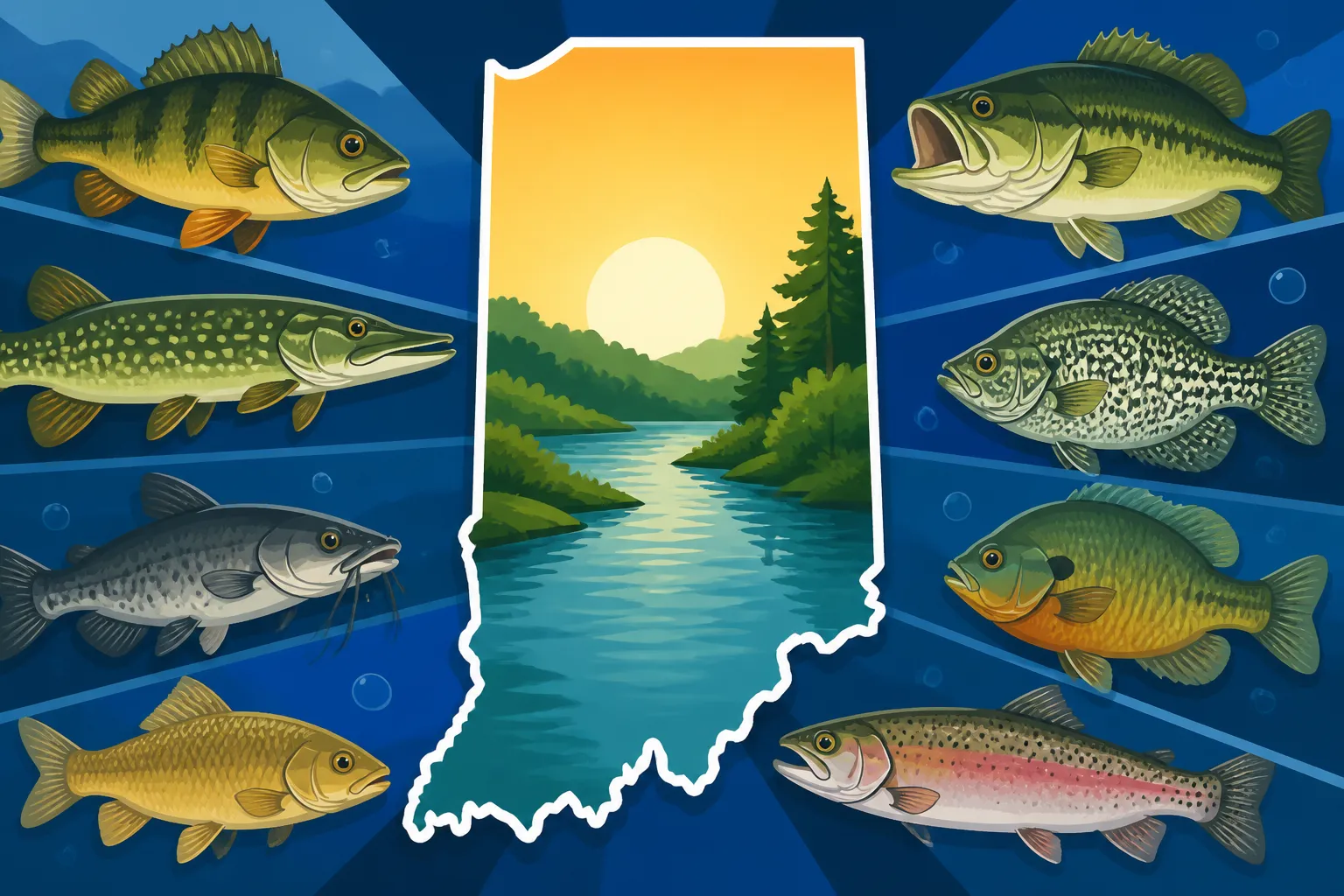
When most of us think about fishing in Indiana, our minds naturally gravitate toward the popular sport fish – the powerful largemouth bass, the tasty crappie, or perhaps the hard-fighting walleye. We might even picture a catfish dinner or a peaceful afternoon catching bluegill with the kids. But if you've ever cast a line into a new body of water and pulled up something unfamiliar, you've probably caught a glimpse of the vast, often unseen, world of Indiana's aquatic inhabitants. The sheer number of species is genuinely astonishing and speaks volumes about the health and variety of our waterways.
More Than Just Bass and Bluegill
While our cherished game fish certainly draw the most attention, they represent only a fraction of the total fish diversity found in the Hoosier State. Beyond the familiar, there's an entire ecosystem of shiners, darters, suckers, and many other species that play crucial roles in maintaining the balance of our aquatic environments. These often-overlooked fish are the unsung heroes of our waters, forming the base of the food chain, controlling insect populations, and contributing to nutrient cycling. Seeing these less common species can be a thrilling experience for the curious angler, opening up a whole new appreciation for our natural heritage. It's a reminder that every living creature, no matter how small or seemingly insignificant, contributes to the grand tapestry of life in our rivers and lakes.
The Official Count: A Rich Aquatic Catalog
So, what's the actual number? Prepare to be impressed: Indiana is home to over 190 different native and introduced fish species. Yes, you read that right – over 190. This figure is a testament to the diverse habitats spread across our state, from the fast-flowing streams of the south to the deep, glacial lakes up north, and, of course, the unique environment of Lake Michigan. Scientists and researchers continually monitor and study these populations, sometimes even discovering new species or reclassifying others. This ongoing effort helps us understand not only how many species we have but also their health, distribution, and what needs to be done to protect them for future generations. For those who love to dive deep into understanding our aquatic ecosystems, this number represents a vibrant and complex world waiting to be explored. You might even want to pick up a detailed 190 Types of Fish: A Beginner's Guide to Local Species Diversity to help you identify some of these amazing creatures.
Indiana's Diverse Waters: A Tapestry of Habitats
The reason Indiana boasts such a rich variety of fish species directly relates to the incredible diversity of its aquatic environments. Unlike states dominated by a single type of waterway, Indiana offers a mosaic of ecological niches, each supporting its own unique collection of fish. From the roaring waters of Lake Michigan to the quiet trickle of a farm pond, every habitat provides a distinct set of conditions that favor certain species while challenging others. Understanding these different habitats is key to appreciating the state's impressive fish diversity and, incidentally, to becoming a more successful angler.
Rivers, Streams, and Creeks: The Flowing Lifeblood
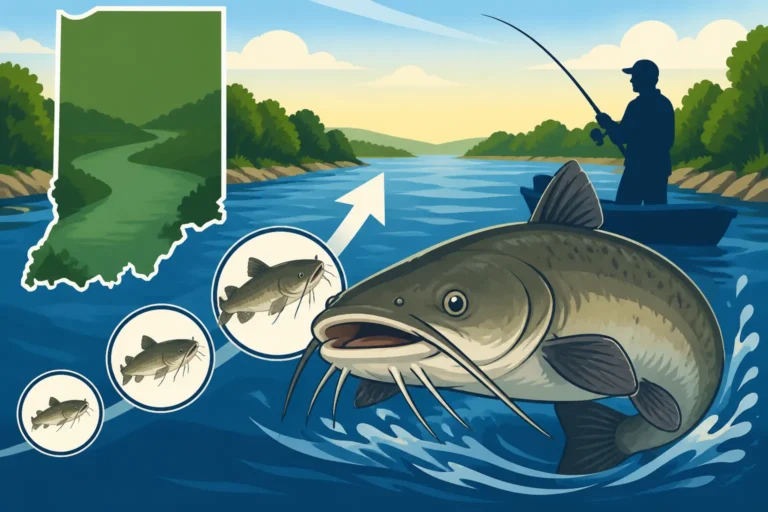
Our state is crisscrossed by thousands of miles of rivers, streams, and creeks, from major waterways like the Wabash River and White River to countless smaller tributaries. These flowing waters create dynamic environments with varying current speeds, depths, and bottom compositions. They provide cooler, oxygen-rich waters in some stretches and slower, warmer pools in others. This variety allows for a remarkable range of fish species to thrive. For example, you'll find hardy channel catfish and flathead catfish in the deeper, slower sections, while smallmouth bass and various species of darters prefer the swift, rocky riffles. These riverine systems also act as vital corridors for fish migration, connecting different populations and ensuring genetic diversity. Anglers who spend time exploring these flowing waters often discover species they might never encounter in still-water lakes.
Lakes, Reservoirs, and Ponds: Stillwater Sanctuaries
Indiana is dotted with hundreds of natural lakes, man-made reservoirs, and countless farm ponds, each offering a different type of stillwater habitat. These bodies of water vary greatly in size, depth, clarity, and nutrient levels, leading to distinct fish communities.
- Glacial Lakes (Northern Indiana): These deep, clear lakes, like those in Kosciusko County, support species that thrive in cooler waters, such as walleye, northern pike, and even muskellunge. Their distinct structures, with sharp drop-offs and varying weed lines, create prime habitat. The Indiana's Glacial Lake District: Home to Muskie, Pike, and Walleye is a prime example of these unique ecosystems.
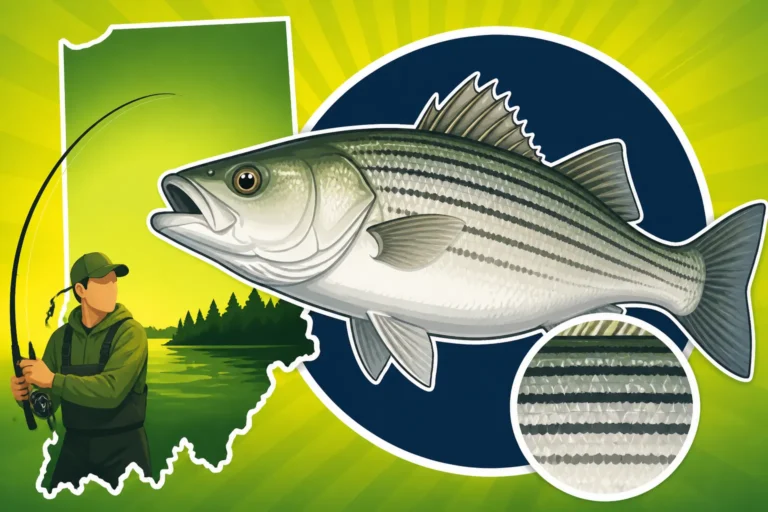
- Large Reservoirs (Central and Southern Indiana): Lakes like Monroe Lake and Patoka Lake are expansive, often with abundant submerged timber and varying depths. They are prime destinations for largemouth bass, crappie, and even hybrid striped bass (wipers), which prefer these larger, open water bodies. When targeting specific species in these larger bodies of water, having the right gear, which can easily be found on Amazon, can make a huge difference.
- Farm Ponds: While often overlooked, these smaller, private ponds are essential for a variety of species, particularly bluegill, largemouth bass, and sometimes channel catfish. They offer easy access for many anglers and are perfect for introducing kids to fishing, often holding abundant populations of Common Fish Species You'll Find in Farm Ponds.
The Great Lake: Lake Michigan's Unique Contributions
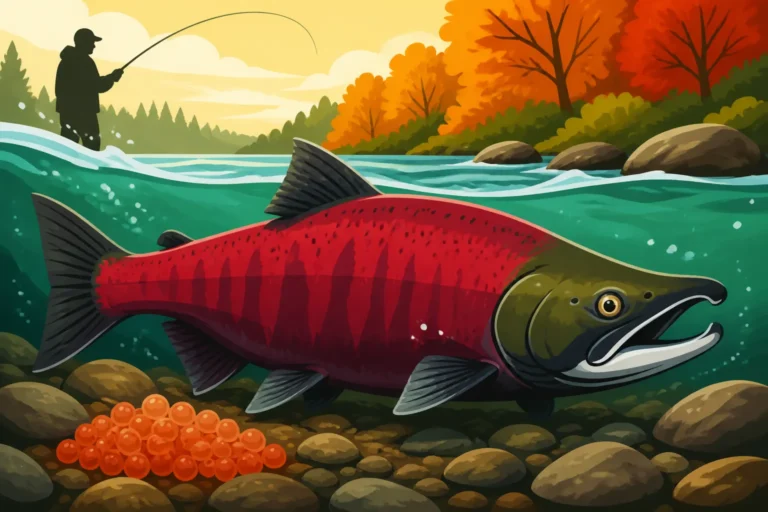
Perhaps the most distinct habitat in Indiana is its small but mighty stretch of Lake Michigan shoreline. This vast freshwater sea is an ecological world unto itself, providing a cold-water fishery unlike anything else in the state. Here, you'll find species that cannot survive in Indiana's warmer inland waters, such as chinook salmon, coho salmon, steelhead (rainbow trout), brown trout, and lake trout. These migratory fish offer a thrilling challenge to anglers and make for an entirely different fishing experience. The deep, cold waters and abundant forage fish, like alewives, support these powerful predators, creating a unique angling destination. It’s important to remember that Lake Michigan Fishing Rules for Indiana Anglers are often different from those governing the rest of the state, reflecting its unique ecosystem and shared management with neighboring states.
Here's a quick look at how Indiana's diverse habitats support different fish populations:
| Habitat Type | Key Characteristics | Representative Fish Species |
|---|---|---|
| Lake Michigan | Deep, cold, vast, open water, strong currents | Chinook Salmon, Coho Salmon, Steelhead, Lake Trout, Perch |
| Large Reservoirs | Man-made, often deep, varied structure (timber) | Largemouth Bass, Crappie, Striped Bass, Catfish |
| Natural Glacial Lakes | Clear, deep, cooler water, natural structure | Walleye, Northern Pike, Muskie, Yellow Perch, Bluegill |
| Major Rivers | Flowing current, varied bottom, depth fluctuations | Channel Catfish, Smallmouth Bass, Flathead Catfish, Drum |
| Smaller Streams/Creeks | Swift current, rocky bottoms, clear, shallow | Darters, Shiners, Smaller Smallmouth Bass, Suckers |
| Farm Ponds | Shallow, often weedy, isolated, warmer | Largemouth Bass, Bluegill, Redear Sunfish, Grass Carp |
Beyond the Hook: Appreciating Indiana's Lesser-Known Species
When we talk about "fish species" in Indiana, it's easy to focus solely on the ones we actively try to catch. However, a truly comprehensive understanding of our aquatic biodiversity goes beyond just the game fish. There are countless other species that, while perhaps not ending up on your dinner plate, are absolutely vital to the health and functioning of our ecosystems. These include a wide array of rough fish, forage fish, and even some species that are so rare they require special protection. Recognizing their importance is a crucial step for any angler who truly cares about the long-term sustainability and richness of Indiana's waters.
Rough Fish and Forage Fish: Their Critical Role in the Ecosystem
"Rough fish" is a term often used to describe species that aren't typically sought after by sport anglers, such as carp, buffalo, and various types of suckers. While they might not be as glamorous as a leaping bass, these fish play incredibly important roles. They are often bottom feeders, helping to clean up detritus and cycle nutrients within the ecosystem. Some, like common carp, can adapt to a wide range of conditions, making them resilient inhabitants of many waters. Then there are the "forage fish" – the vast schools of minnows, shiners, and other small species that form the backbone of the food chain. Without these tiny but abundant fish, the larger predatory species that we love to catch, like bass, walleye, and salmon, simply wouldn't exist. They are the energy transfer agents, converting microscopic organisms into a form that can sustain larger aquatic life. Understanding their role helps us appreciate the intricate web of life underwater.
Endangered and Threatened Species: Protecting Our Aquatic Heritage
Among the nearly 200 fish species in Indiana, some are facing significant challenges and are classified as endangered or threatened. These are species whose populations have declined to dangerously low levels, often due to habitat loss, pollution, or other environmental pressures. Examples might include certain darters or minnows that require very specific, pristine habitat conditions. State agencies work diligently to monitor these populations, protect their critical habitats, and implement conservation strategies to help them recover. As anglers, we have a responsibility to be aware of these sensitive species. Catching and releasing carefully, minimizing our impact on sensitive areas, and reporting unusual sightings can all contribute to their survival. It’s a powerful reminder that our fishing privileges come with an important stewardship obligation.
Identifying Your Catch: Resources for Every Angler
With such an incredible number of species swimming in Indiana's waters, it's inevitable that you'll occasionally reel in something you don't immediately recognize. This is where the fun of discovery truly begins! There are numerous resources available to help you identify your catch and deepen your understanding of Indiana's fish.
- Field Guides: A good waterproof field guide focused on Midwestern or Great Lakes fish species is an invaluable tool to keep in your tackle box. Many excellent options are available, and you can easily find a wide selection on Amazon.
- Online Resources: The Indiana Department of Natural Resources (DNR) website is an excellent starting point, often providing detailed information and identification keys for local species. There are also many reputable fishing forums and online communities where you can post a picture of your catch for identification help.
- Apps and Books: A variety of mobile apps now offer fish identification features, and comprehensive books can provide even more in-depth biological information.
Taking the time to identify your catch, whether it's a common bluegill or a rare darter, connects you more deeply to the natural world. It transforms fishing from just a sport into an ongoing lesson in ecology and conservation. And who knows, maybe that mysterious fish you just caught will inspire you to learn even more about Indiana Fishing License Requirements Explained or perhaps seek out one of the Best Fishing Spots in Indiana known for a particular species!
Disclaimer
This article is for general informational purposes only and does not constitute professional advice. Laws, prices and regulations vary by location and change over time. Consult a qualified professional for guidance on your specific situation.