Rainbow Trout Fishing in Indiana: Where to Go
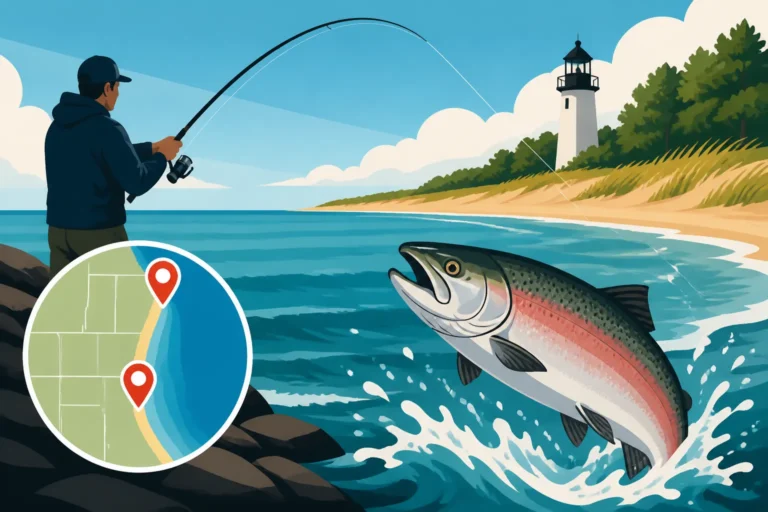
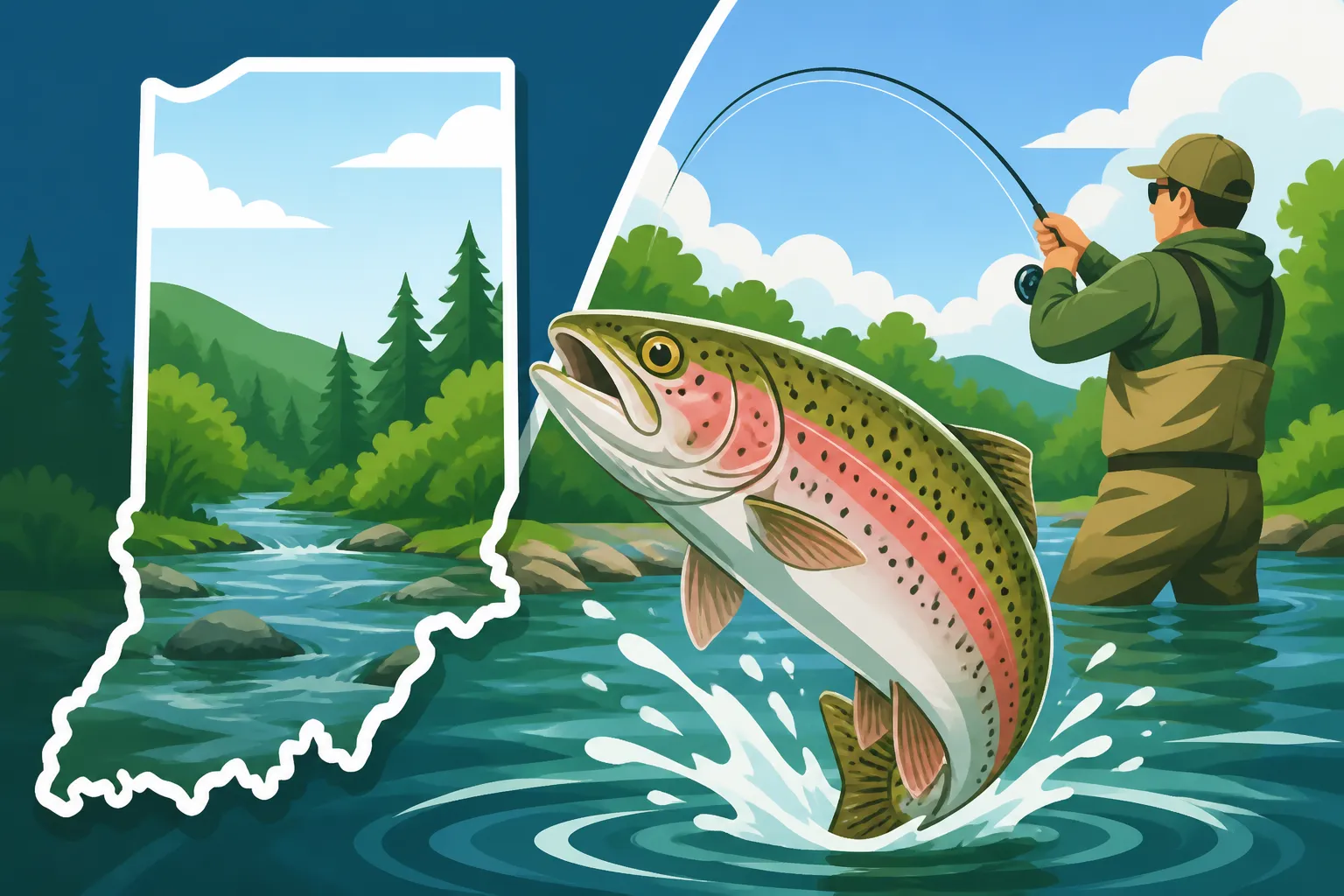
It can feel like a bit of a treasure hunt trying to pinpoint the best spots for rainbow trout fishing here in Indiana. Unlike our abundant bass or crappie, rainbow trout aren't native to most Hoosier waters, which means finding them requires knowing where the Indiana Department of Natural Resources (DNR) does its stocking magic. This guide is going to walk you through exactly where you can cast your line for these beautiful, hard-fighting fish, helping you skip the guesswork and get right to the action.
Understanding Rainbow Trout in Indiana's Waters
When we talk about rainbow trout in Indiana, we're largely talking about a put-and-take fishery. This means the DNR stocks these fish primarily for anglers to catch and keep, providing a unique cold-water fishing opportunity that wouldn't otherwise exist in much of our state. It's a fantastic program that introduces a different kind of angling challenge and allows for some delicious table fare!
Stocked Waters vs. Wild Populations: The Hoosier Reality
Let's be real, Indiana isn't exactly known for its pristine, high-mountain trout streams like some western states. For the most part, if you're catching a rainbow trout in Indiana, it's because the DNR put it there. They stock hundreds of thousands of rainbow trout each year into various lakes, ponds, and streams across the state. These fish are usually hatchery-raised and are often of a catchable size when released. While there might be a few rare instances of natural reproduction in very specific, cold-water spring creeks, these are the exception, not the rule. The vast majority of our rainbow trout fishing opportunities are thanks to these consistent stocking efforts. This is a crucial distinction to remember when you're planning your trip—you're looking for stocked locations.
Ideal Habitats for Rainbow Trout: Seeking Cold and Clear
Rainbow trout thrive in cold, oxygen-rich water. This is why you'll often find them stocked in waters that have good cold-water refuges, such as deeper lakes, tailwaters below dams where cold water is released, or spring-fed streams. When water temperatures start to climb above 70 degrees Fahrenheit, rainbow trout become stressed, and their survival rates drop significantly. This is why stocking efforts are typically concentrated in the cooler months of spring and fall, giving anglers the best chance to target them when they're most active and healthy. Clear water is also a plus for these sight-feeding fish, making smaller, clearer impoundments or river sections prime targets.
Top Public Access Spots for Rainbow Trout Fishing
So, where exactly does the DNR unleash these finned beauties? They focus on areas that offer good public access and can sustain trout for at least a season or two. Knowing these types of locations is key to successful rainbow trout fishing in Indiana.
State Park Lakes and Ponds: Accessible Trout Havens
Many of Indiana's State Parks and public fishing sites are fantastic places to find stocked rainbow trout. These locations are generally well-maintained, offer amenities, and are designed for easy public access, often with designated fishing piers or bank access points. The DNR often targets smaller impoundments and lakes within these parks because they are easier to manage for stocking purposes and provide a more controlled environment for the trout.
For instance, places like Shoals Recreation Area Pond, Olin Lake, or even some of the small lakes in Brookville Lake Tailwater area have seen regular stockings. These spots are usually announced by the DNR, so keeping an eye on their stocking schedule is always a good idea. Picture yourself at a quiet state park pond on a crisp spring morning, the mist rising off the water, and the promise of a trout tugging on your line—it's a real Indiana outdoor experience. Always double-check the specific park regulations, as some may have unique rules regarding bait or fishing methods.
Tailwaters and River Stockings: Dynamic Flowing Water Opportunities
Beyond the still waters of ponds, certain rivers and streams offer excellent, albeit often more challenging, rainbow trout fishing. The most prominent example is the tailwater below Brookville Lake dam on the East Fork of the Whitewater River. This section of river benefits from the cold water released from the bottom of the dam, creating a fantastic cold-water environment where trout can thrive year-round. It's a truly special place for Indiana trout anglers.
Other rivers and streams, particularly in the northern part of the state with spring inputs, also receive stockings. These flowing water environments often require different techniques than pond fishing, as trout in rivers tend to be more active and current-oriented. Anglers targeting these areas might find themselves wading, casting upstream, and drifting baits or lures. The challenge is part of the fun, and the reward of a river-caught rainbow is something else entirely. Remember to also check for specific regulations that apply to these river sections, as they can sometimes differ from lake rules. For instance, sometimes certain artificial lures or flies are required in specific river sections to reduce incidental mortality of smaller fish.
Urban Fishing Programs: Bringing Trout to the Cities
The Indiana DNR also runs urban fishing programs that stock rainbow trout in easily accessible ponds within or very near populated areas. These programs are designed to introduce fishing to more people, especially families and beginners who might not have the opportunity to travel to more remote locations. Imagine being able to cast a line for trout just a short drive from your home in Indianapolis or Fort Wayne!
These urban ponds, while perhaps not offering the wilderness feel of a state park, provide fantastic, convenient opportunities. Lafayette's Fairfield Lakes or Fort Wayne's Koteewi Park often receive stockings. These spots are particularly wonderful for introducing kids to fishing, as the trout are often eager biters shortly after stocking. It's a great way to spend an afternoon without needing to plan an elaborate trip. Just grab your rod, a handful of bait, and head out.
Gear and Techniques for Indiana Rainbow Trout
You don't need a boatload of specialized gear to catch rainbow trout in Indiana, especially for stocked fish. In fact, keeping it simple is often the most effective approach.
Essential Tackle for Stocked Trout
For most stocked rainbow trout situations in Indiana, a lightweight spinning combo is your best friend. Think about a 5 to 6.5-foot ultralight or light action rod paired with a small spinning reel spooled with 4 to 6 lb test monofilament or fluorocarbon line. This setup allows for sensitive feel, delicate presentations, and still has enough backbone to handle a feisty trout. You can find a fantastic array of affordable options on Amazon, making it easy to get started without breaking the bank.
For terminal tackle, you'll want a selection of small hooks (size 8-12), some small split shot weights, and an assortment of bobbers if you prefer fishing with stationary bait. A small tackle box with these basics and a pair of needle-nose pliers for hook removal will serve you well. Consider a small stringer or a cooler with ice if you plan on keeping your catch for dinner.
| Item Type | Recommended Specs | Why It's Useful |
|---|---|---|
| Rod | Ultralight to Light Action, 5'-6.5' | Sensitive, good for small lures/bait, handles fighting fish |
| Reel | Small Spinning Reel (500-1000 size) | Balances well with light rods, smooth retrieve |
| Line | 4-6 lb Monofilament or Fluorocarbon | Low visibility, good casting, sufficient strength |
| Hooks | Size 8-12 Treble or Single | Ideal for trout mouths, good for PowerBait/worms |
| Weights | Small Split Shot | Gets bait down, adjustable for current/depth |
| Bobbers | Small Slip or Clip-on | Indicates bites, controls depth for still fishing |
| Net | Small Landing Net (Rubber preferred) | Safely lands fish, protects fish if releasing |
Common Baits and Lures for Rainbow Trout
Rainbow trout, especially recently stocked ones, aren't usually picky eaters. They're often eager to bite, which is part of the fun! Here are some tried-and-true options:
- PowerBait: This is arguably the most popular and effective bait for stocked rainbow trout. Available in various colors, shapes, and scents, it's designed to mimic hatchery food pellets. Mold a small ball around a small treble hook, let it float a foot or two off the bottom with a split shot, and wait for the bite. Many anglers swear by the bright neon colors.
- Worms: Good old redworms or nightcrawlers are always a classic. A small piece of worm on a small hook, either under a bobber or fished on the bottom, can be incredibly effective.
- Corn: Yes, believe it or not, canned corn can be a trout magnet! The sweetness and bright color attract them. Use a few kernels on a small hook.
- Small Spinners and Spoons: Artificial lures like Mepps, Rooster Tail, or Panther Martin spinners in sizes 0-2, or small Kastmaster or Little Cleo spoons, can be deadly. These mimic small baitfish or insects and appeal to the trout's predatory instincts. Small inline spinners are readily available on Amazon and are a great addition to any trout angler's tackle box.
- Flies: If you're into fly fishing, small nymphs (like Prince Nymphs or Pheasant Tails), dry flies (like Elk Hair Caddis or Adams), or even small streamers can be very productive, especially in river settings.
The key is often presentation. Trout have good eyesight, especially in clear water, so stealth and natural drifts are important. Experiment with different colors and presentations until you find what the fish are keying in on that day.
Best Times to Fish for Rainbow Trout in Indiana
Timing is everything when it comes to stocked trout. The best time to fish is often shortly after a stocking event. The DNR usually announces their stocking schedules, giving anglers a heads-up. These fish are typically hungry and actively feeding as they adjust to their new environment.
Beyond stocking dates, consider the time of year and day:
- Spring and Fall: These are prime seasons for rainbow trout in Indiana. The cooler water temperatures are ideal for their activity levels. As summer progresses and water temperatures rise, trout become less active and can be harder to catch, and their survival rate decreases significantly.
- Morning and Evening: Like many fish, trout are often most active during the cooler parts of the day—dawn and dusk. The low light conditions also make them feel safer to feed. On overcast days, they might bite well throughout the day.
Keep in mind that while the cooler months are best for rainbows, you might still catch them in deep, cold spots during summer, especially in tailwaters. For more specific advice on year-round angling, check out Indiana Fishing Seasons: A Month-by-Month Guide.
Regulations and Conservation: Fishing Responsibly
Before you head out, it's absolutely crucial to understand the rules of the game. Indiana has specific regulations for trout fishing, and knowing them helps ensure you have a legal and enjoyable outing, while also protecting the fishery for everyone.
Indiana Fishing License and Trout Stamp
Yes, you will need an Indiana fishing license to fish for rainbow trout. If you're an Indiana resident or a nonresident, you'll need the appropriate license. On top of that, if you're specifically targeting or keeping trout and salmon, you'll also need to purchase an Indiana Trout and Salmon Stamp. This stamp helps fund the very stocking programs that make rainbow trout fishing possible in our state. It's a small additional cost that goes directly back into improving our cold-water fisheries. You can often purchase both your license and stamp at the same time through the Indiana DNR's website or authorized retailers. To understand the specifics, read Indiana Fishing License Requirements Explained and Do You Need a Trout and Salmon Stamp to Fish for Trout?. You might also be interested in What the Indiana Trout and Salmon Stamp Covers and the Total Cost of an Indiana Fishing License With the Trout Stamp.
Bag and Length Limits for Rainbow Trout
Indiana has daily bag and length limits for rainbow trout to manage the population and ensure sustainable fishing. These limits can vary, so always consult the most current Indiana Fishing Regulations Guide from the DNR. Generally, there's a daily bag limit for trout, meaning you can only keep a certain number of fish per day. There might also be a minimum length limit, meaning any trout you catch below that size must be immediately released unharmed.
For example, a common statewide regulation might be a daily bag limit of five trout, with no minimum size restriction in most put-and-take waters. However, some specific streams or special regulation areas, especially those with potential for natural reproduction or holdover trout, may have different rules. Always check the regulations specific to the body of water you plan to fish. Misunderstanding the rules can lead to hefty fines, so take a moment to be sure. It's also worth noting that these regulations differ for salmon and steelhead in Lake Michigan. For information on these related species, check out Steelhead vs Rainbow Trout: What Sets Them Apart.
Ethical Angling and Releasing Fish
While many stocked trout are meant for harvest, there are times you might want to release a fish, either because it's undersized, you've already filled your limit, or you simply prefer catch and release. If you do release trout, especially in warmer water conditions, minimize handling time, keep the fish in the water as much as possible, and use wet hands to avoid removing their protective slime coat. Barbless hooks can also make releasing fish much easier and cause less stress to the fish. By practicing ethical angling, we help maintain a healthy and enjoyable fishing environment for everyone.
Fishing for rainbow trout in Indiana is a fantastic way to experience a different kind of angling adventure. While it might not be the mountain stream experience, the DNR's stocking programs provide consistent opportunities to hook into these vibrant, acrobatic fish. With the right gear, a bit of know-how about where to go, and an understanding of the regulations, you'll be well on your way to enjoying some memorable days on the water.
Disclaimer
This article is for general informational purposes only and does not constitute professional advice. Laws, prices and regulations vary by location and change over time. Consult a qualified professional for guidance on your specific situation.