Where to Catch Northern Pike in the Glacial Lake District
It can be incredibly frustrating when you're itching to chase a feisty northern pike, but you're not quite sure where to begin your search in Indiana. With so many lakes, it’s hard to narrow down the prime spots for these toothy predators. This guide is here to cut through the confusion and steer you directly to the best northern pike fishing locations within Indiana's famed Glacial Lake District, offering actionable advice to help you land your next big catch.
Understanding Indiana's Glacial Lake District for Northern Pike
Indiana's Glacial Lake District isn't just a pretty name on a map; it's a unique geological region that offers some of the best fishing opportunities in the state, especially for cold-water species like northern pike. If you've ever wondered why certain lakes seem to hold bigger, healthier pike, it often comes back to the geology and hydrology of this special area.
What Makes This Region Special for Pike?
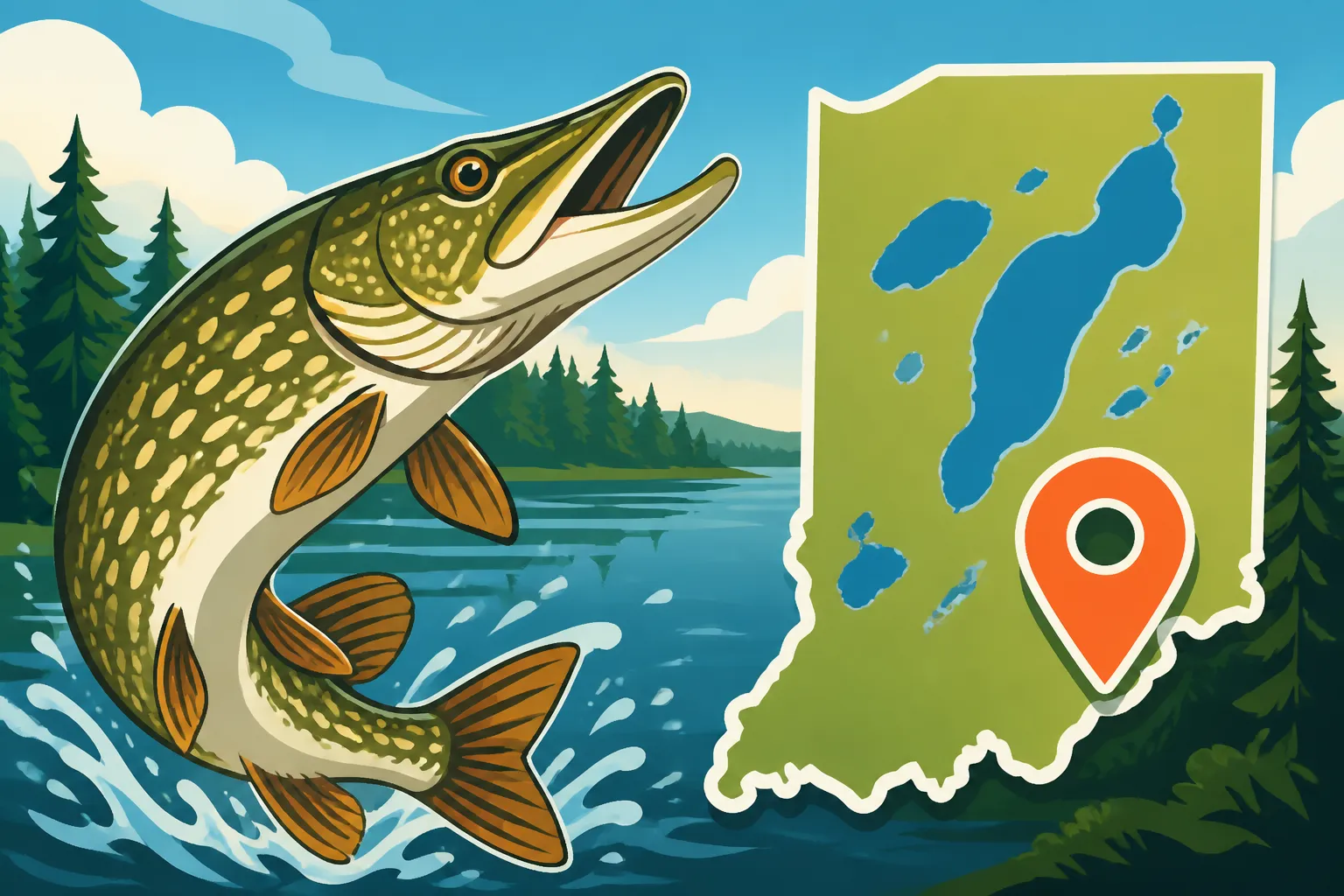
The Glacial Lake District, primarily concentrated in the northeastern part of Indiana, owes its existence and unique characteristics to ancient glaciers that retreated thousands of years ago. As these massive ice sheets melted, they carved out deep basins and left behind a landscape dotted with numerous clear, deep lakes. This isn't your typical shallow, murky Midwest reservoir. Many of these lakes boast significant depths, often exceeding 50 feet, with some dropping well over 100 feet. The colder, oxygen-rich water found in these deeper sections is absolutely crucial for northern pike, which thrive in cooler environments, especially during the warmer months.
Beyond depth, these lakes often feature diverse underwater structures: expansive weed beds that provide ambush points, rocky reefs, sharp drop-offs, and submerged timber. Pike are ambush predators, and these complex environments give them perfect hiding spots to lie in wait for unsuspecting baitfish like perch, shiners, and bluegill. The abundant forage and suitable habitat mean that not only can pike grow to impressive sizes here, but their populations also tend to be healthier and more sustainable. This distinct ecosystem sets the Glacial Lake District apart as a premier destination for pike anglers in Indiana.
Key Counties for Pike Action
When we talk about the Glacial Lake District, we're primarily looking at a handful of counties in the northeastern corner of the state that truly shine for northern pike. These counties are home to the majority of Indiana's larger, deeper, and more productive glacial lakes. Knowing which counties to target can save you a lot of time and help you focus your efforts.
- Kosciusko County: Often referred to as "Indiana's Lake Country," Kosciusko County boasts the highest concentration of natural lakes in the state. Many of these, like Lake Wawasee and Tippecanoe Lake, are large, deep, and prime pike habitat. You'll find a fantastic mix of public access points, bait shops, and angling resources here. It's truly a cornerstone for pike fishing.
- Steuben County: Tucked away in the far northeastern corner, Steuben County is another gem. Lakes such as Crooked Lake and Lake James offer excellent pike fishing, often characterized by clear water and good weed growth. The diverse structure and ample forage in these lakes make them a favorite among experienced pike anglers.
- Noble County: Just west of Steuben, Noble County contributes several notable lakes to the district, including Chain O'Lakes State Park, which offers access to a series of connected natural lakes. While some might be smaller, they still hold healthy populations of pike, particularly in the deeper channels and weed beds.
- LaGrange County: North of Noble, LaGrange County also has its share of glacial lakes. While perhaps not as widely known for trophy pike as Kosciusko or Steuben, it offers quieter waters and solid opportunities for anglers willing to explore.
These counties form the heart of Indiana's best pike waters. Before you head out, it's always a good idea to check specific regulations for each lake, as some may have unique rules regarding length and bag limits, which can be different from the Indiana Fishing Regulations and Bag Limits Guide.
Top Lakes for Northern Pike in Indiana's Glacial Lake District
When you're chasing northern pike in Indiana, the Glacial Lake District is definitely where you want to be. This region is dotted with many fantastic lakes, but a few stand out as consistent producers for these exciting fish. Knowing which ones to focus on can really make a difference in your fishing success.
Lake Wawasee: The Big One
If there's one lake that often comes to mind when talking about northern pike in Indiana's Glacial Lake District, it's Lake Wawasee. As Indiana's largest natural lake, Wawasee offers an expansive and diverse fishery. It covers over 3,000 acres and boasts impressive depths, reaching down to more than 70 feet in some areas. This size and depth are absolutely critical for pike, providing them with plenty of cold, oxygenated water, especially during the heat of summer when they retreat from shallower zones.
Pike in Wawasee love to hang out around the extensive weed beds, especially coontail and cabbage, which provide perfect cover for ambushing baitfish. Look for weed lines that extend into deeper water, points, and channel edges. Areas around the numerous private piers and boat lifts can also hold pike, as these structures offer shade and ambush points. While Wawasee can get busy, especially on weekends, its sheer size means there are always quieter coves and channels to explore. Trolling larger crankbaits or casting big spinnerbaits along weed edges are popular and effective strategies here. Don't forget to check out the deeper flats adjacent to drop-offs, especially in spring and fall. Lake Wawasee: Indiana's Largest Natural Lake is truly a gem for anglers.
James Lake: Trophy Potential
While perhaps not as vast as Wawasee, James Lake in Steuben County holds a legendary reputation among serious pike anglers for its potential to produce trophy-sized fish. James Lake is another deep, clear glacial lake, known for its pristine waters and excellent habitat. What sets James Lake apart is its structure: sharp drop-offs, deep holes, and abundant submerged vegetation create a perfect environment for larger pike to thrive. Many anglers consider it one of Indiana's Best Lakes for Muskie Fishing, and where muskies are, big pike often follow.
Anglers targeting pike on James Lake often focus on the deep breaks, transition zones where weed lines meet open water, and areas with submerged timber. The clear water here means that stealth can be important. Early morning and late evening often yield the best results, especially when casting large jerkbaits, glide baits, or even live bait like large suckers. The pike in James Lake are often cunning and require patience, but the reward of a true trophy fish makes the effort entirely worthwhile. Access points are available, but it’s worth researching local ramps to find the best launch for your boat.
Smaller, Often Overlooked Gems
Beyond the marquee lakes, the Glacial Lake District is peppered with numerous smaller lakes that often get overlooked but can offer fantastic northern pike fishing, especially if you prefer less crowded waters. These lakes might not always produce the absolute giants of Wawasee or James, but they can provide consistent action and a more serene angling experience.
- Webster Lake (Kosciusko County): Known for its excellent muskie fishing, Webster Lake also holds a healthy population of northern pike. Its irregular shoreline, numerous bays, and ample weed growth create ideal pike habitat. Focus on the main basin's deeper edges and the extensive shallow flats with good vegetation. It's a fantastic lake for casting large spoons and spinnerbaits.
- Tippecanoe Lake (Kosciusko County): Indiana's deepest natural lake, Tippecanoe Lake, is another prime location. Its depth (over 120 feet in some spots) and clear water make it suitable for pike to stay active even when other lakes warm up. Target the numerous deep weed lines and steep breaks, particularly on the main lake's western and northern sides. Trolling can be very effective in its open waters, but don't discount casting shorelines with thick cover.
- Crooked Lake (Steuben County): Part of a chain of lakes, Crooked Lake offers diverse fishing opportunities. Its irregular shape, islands, and varied depths provide ample structure for pike. Look for weed edges, sudden depth changes, and points. This lake is often productive throughout the seasons, with good pike numbers found in different areas depending on the water temperature.
Exploring these and other glacial lakes in the region, such as Lake Maxinkuckee (though outside the core glacial district, it shares many characteristics) or Lake Syracuse (connected to Wawasee), can lead to surprising catches. Don't be afraid to study maps, look for public access, and try new spots – sometimes the quietest lakes hold the most exciting surprises.
Essential Techniques and Gear for Glacial Lake Pike
Fishing for northern pike in Indiana's Glacial Lake District requires a blend of specific techniques and appropriate gear to tackle these aggressive, toothy predators effectively. You can't just throw out any old bait and expect success; understanding what makes pike tick, and how to arm yourself for the fight, is key.
Prime Times and Seasonal Patterns
Northern pike are active throughout the year, but certain seasons and times of day will consistently produce better results in the glacial lakes.
- Spring (Post-Spawn): After the ice melts and the water begins to warm, pike become incredibly active. They've just spawned (usually in shallow, vegetated areas in very early spring, often before the general fishing season really kicks off), and they're hungry. This is an excellent time to find them cruising the shallower weed flats and bays, often in 5-15 feet of water, as they recover and feed heavily. Look for areas where sunlight warms the water quickest. Northern Pike Spawn Timing in Indiana is a critical factor here.
- Summer: As water temperatures rise, pike in these clear, deep glacial lakes will often retreat to cooler, deeper water. They'll hug the deep weed lines, suspend over open water near baitfish schools, or hold tight to submerged structure like humps and drop-offs, often in 15-30 feet of water. Early morning, late evening, and even night fishing can be productive as they move shallower to feed.
- Fall: This is arguably the best time for trophy pike. As water temperatures drop, pike become incredibly aggressive, putting on the feedbag for winter. They'll often move back shallower, relating to healthy weed beds, rocky points, and current areas if present. Larger baits and lures are often the most effective. The cool, crisp air and stunning fall foliage make it an incredibly enjoyable time to be on the water.
- Winter (Ice Fishing): Don't pack away your gear when the lakes freeze! Ice fishing for pike is a popular pursuit in the Glacial Lake District. Pike will hold near deep weed edges, points, and drop-offs. Tip-ups set with large live bait (like suckers or shiners) are incredibly effective, as are jigging spoons or larger soft plastics worked aggressively.
Regardless of the season, low light conditions – dawn, dusk, and cloudy days – often trigger the most active feeding frenzies for pike.
Baits, Lures, and Presentation
Pike are opportunistic eaters, but certain presentations will always outperform others.
- Live Bait: For larger pike, especially through the ice or when fishing slower, live bait is tough to beat. Large golden shiners, suckers, or even small bluegill (check local regulations on using panfish as bait) are incredibly effective. Present them under a bobber near weed edges or suspended off the bottom near structure.
- Spoons: Classic metal spoons like Daredevils or Johnson Silver Minnows are pike magnets. Their erratic wobble and flash mimic wounded baitfish. Gold, silver, red/white, and five-of-diamonds patterns are perennial favorites. Cast them out and retrieve with a stop-and-go action, or troll them along weed lines.
- Spinnerbaits: Large spinnerbaits with tandem or single blades (especially willowleaf or Colorado blades) are fantastic for working through and over weed beds. The flash and vibration can trigger aggressive strikes. White, chartreuse, and black/red are popular colors. Many anglers find quality, heavy-duty spinnerbaits on Amazon.
- Jerkbaits & Glide Baits: These lures require a bit more angler input but can be incredibly effective at imitating dying baitfish. Work them with a "twitch, twitch, pause" retrieve to entice strikes from wary pike. Choose models that dive to the depth you're targeting.
- Crankbaits: Large diving crankbaits are excellent for trolling or casting along deep weed lines and drop-offs. Their wobbling action and loud rattles can attract pike from a distance. Look for natural baitfish patterns or bright, aggressive colors.
- Soft Plastics: Big paddle-tail swimbaits or grub-tailed plastics on heavy jig heads can be deadly when retrieved steadily or bounced along the bottom. The realistic profile and action can fool even finicky pike.
Remember, pike have excellent eyesight, especially in the clear glacial lakes, so matching the hatch (using baits that resemble the local forage) can make a big difference. Don't be afraid to experiment with retrieve speeds and patterns until you find what triggers a strike. More tips on Best Bait for Northern Pike in Indiana Lakes can help you fill your tackle box.
Rods, Reels, and Line
Given the aggressive nature and sharp teeth of northern pike, your gear needs to be up to the task.
- Rods: A medium-heavy to heavy power spinning or baitcasting rod, typically 6'6" to 7'6" in length, is ideal. You need a rod with enough backbone to set the hook firmly and muscle a strong pike out of cover, but also with a moderate-fast to fast action to cast larger lures accurately. For example, a St. Croix Legend Tournament rod or a similar heavy-duty model available on Amazon would be a solid choice.
- Reels: For spinning setups, a 3000-4000 series reel with a smooth drag and good line capacity is recommended. For baitcasting, a robust reel with a high gear ratio (7.1:1 or higher) will help you retrieve line quickly and manage large lures. Ensure your reel is built for durability.
- Line: Braided line (30-50 lb test) is a popular choice due to its strength, lack of stretch, and abrasion resistance. Its sensitivity helps detect subtle bites. You'll definitely want to tie on a leader to prevent bite-offs.
- Leaders: This is non-negotiable for pike fishing! Pike have razor-sharp teeth that will easily slice through monofilament or fluorocarbon main lines. Use a steel, fluorocarbon-coated steel, or heavy-duty fluorocarbon leader (60-100 lb test, at least 12-18 inches long). Crimped connections are often preferred over knots for maximum strength. While some anglers prefer tying directly to a heavy fluorocarbon leader, a wire leader is always the safest bet. For detailed guidance on gear, check out Best Heavy Tackle for Pike Fishing in Indiana.
A reliable pair of long-nosed pliers or forceps is also essential for safely unhooking pike, protecting both you and the fish from those formidable teeth.
Navigating and Finding Pike Structure
Finding northern pike in the sprawling glacial lakes of Indiana isn't just about casting randomly; it's about understanding their preferred habitat and using tools to locate it. These fish are creatures of structure and comfort, and once you learn to read the water, you'll find them more consistently.
Locating Key Habitat
Northern pike are ambush predators, meaning they love to hide and wait for their prey to swim by. This dictates the type of structure and habitat you should be focusing on.
- Weed Lines: This is arguably the most crucial habitat for pike. Look for the edges of expansive weed beds, especially those where different types of vegetation meet, or where weeds transition into deeper water. Healthy, green weed beds provide cover, oxygen, and attract baitfish, making them a prime ambush point. Submerged cabbage, coontail, and milfoil are excellent indicators. Focus on the "inside" and "outside" edges of these weed beds, as pike will patrol both.
- Drop-offs and Depth Transitions: Pike often position themselves along steep drop-offs or subtle depth changes, especially where shallower flats suddenly plunge into deeper water. This allows them to quickly move between different depths to feed or find comfort in cooler water. Using your boat's electronics (fish finder, GPS mapping) to identify these contours is invaluable.
- Points: Submerged points or points of land that extend into the lake are natural highways for baitfish, and therefore, excellent ambush points for pike. Fish both sides of the point, paying close attention to any weed lines or rocks present.
- Submerged Timber and Rock Piles: While not as prevalent in all glacial lakes as in some reservoirs, any submerged wood (fallen trees, stumps) or rocky areas can hold pike, especially if they are adjacent to deeper water or weed beds. These provide hard cover and attract baitfish.
- Channels and Inlets/Outlets: If a lake has distinct channels connecting different sections or a flowing inlet or outlet, these areas can concentrate baitfish and oxygen, making them attractive to pike. Fish the slower, deeper edges of these currents.
Modern fish finders and GPS mapping units are your best friends here. They allow you to pinpoint exact depths, map weed lines, mark brush piles, and return to productive spots. Humminbird and Garmin offer excellent units that can drastically improve your ability to locate Indiana's Best Lakes for Walleye Fishing or find pike in the deepest parts of the lake. Learning to read your electronics and interpret the underwater landscape will give you a significant advantage in finding pike.
Boat Access and Shore Fishing Tips
While many of the larger glacial lakes are best fished from a boat, there are still options for shore anglers.
- Public Boat Ramps: Most of the major glacial lakes like Wawasee, James, Webster, and Tippecanoe have public boat ramps maintained by the Indiana Department of Natural Resources (DNR) or local municipalities. These ramps typically offer ample parking and good access to the lake. Be aware that during peak seasons and weekends, these can get very busy, so plan accordingly. Arriving early can help you secure a spot and avoid the rush.
- Shore Fishing Opportunities: For anglers without a boat, shore fishing can still yield pike, though it often requires more scouting. Look for public parks, dedicated fishing piers, or accessible shoreline areas that allow casting into deeper water or near visible weed beds. State parks, like Chain O'Lakes, often have excellent shore access. Docks and bridges can also be productive, especially if they extend over good pike habitat. For shore anglers, long casting rods and lures that cover a lot of water (like spoons and spinnerbaits) are particularly useful. Best Shore Fishing Spots in Indiana can give you more specific ideas.
Before heading out, always consult a current map of the lake (either physical or digital through apps like Navionics or Fishbrain) to identify public access points, depth contours, and potential pike habitat. Knowing where you can launch and where the fish are likely to be hiding is half the battle won.
| Lake Name | County | Primary Pike Habitat | Key Features for Pike | Access Type |
|---|---|---|---|---|
| Lake Wawasee | Kosciusko | Extensive weed lines, deep flats, channels | Largest natural lake, diverse forage, good depth | Multiple boat ramps |
| James Lake | Steuben | Deep breaks, submerged timber, clear water | Known for trophy potential, excellent water clarity | Public boat ramps |
| Webster Lake | Kosciusko | Weed beds, irregular shoreline, bays | Good muskie and pike numbers, varied structure | Public boat ramps |
| Tippecanoe Lake | Kosciusko | Deep weed lines, steep breaks, main basin | Deepest natural lake, colder water holds pike in summer | Public boat ramps |
| Crooked Lake | Steuben | Islands, varied depths, weed edges | Part of a chain, diverse structure, consistent action | Public boat ramps |
| Chain O'Lakes S.P. | Noble | Connected channels, weed beds | Series of smaller lakes, good shore access | Boat ramps, shore |
The Glacial Lake District truly offers a fantastic challenge and reward for anyone looking to tangle with northern pike. With its deep, clear waters and abundant natural structure, it's a premier destination in Indiana. Understanding these unique environments, equipping yourself with the right gear, and focusing on proven techniques will undoubtedly increase your chances of landing one of these aggressive, hard-fighting fish. So, pack your tackle box, grab your rod, and head out to explore the incredible pike fishing opportunities that await you in Indiana's glacial lakes!
Disclaimer
This article is for general informational purposes only and does not constitute professional advice. Laws, prices and regulations vary by location and change over time. Consult a qualified professional for guidance on your specific situation.