How to Fish a Spinnerbait for Bass
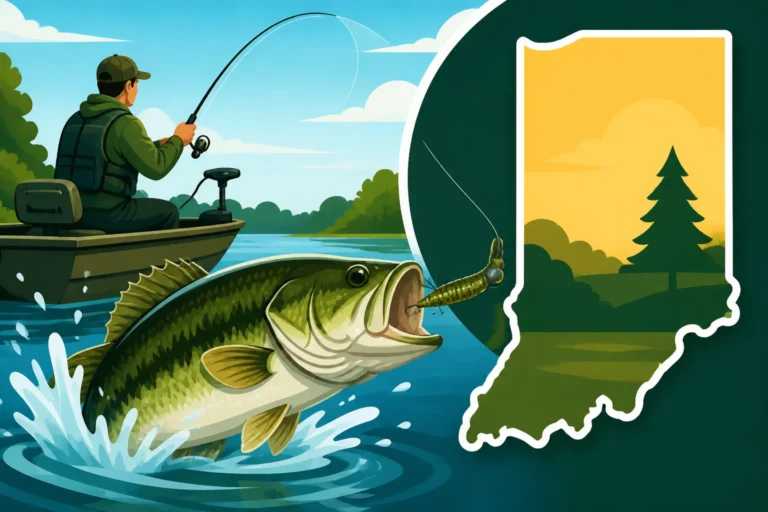
Have you ever found yourself staring at a vast expanse of Indiana water, knowing there are bass lurking but feeling completely overwhelmed by how to get them to bite? Maybe the water is a little stained after a spring rain, or the bass are scattered across various types of cover, and your usual go-to lures just aren't cutting it. It's a common frustration, but what if I told you there's one incredibly versatile lure that can often turn those tough days around? This guide is all about demystifying the spinnerbait, helping you understand its incredible power and how to effectively fish it for bass in our beautiful Hoosier state.
Understanding the Spinnerbait Advantage for Indiana Bass
Spinnerbaits are one of those classic lures that have stood the test of time, and for good reason. They're incredibly effective at drawing strikes from bass, especially when the fish are aggressive, or when you need something that can power through cover without getting constantly snagged. In Indiana's diverse fisheries, from the murky waters of the Wabash River to the clearer glacial lakes up north, a spinnerbait can be your secret weapon.
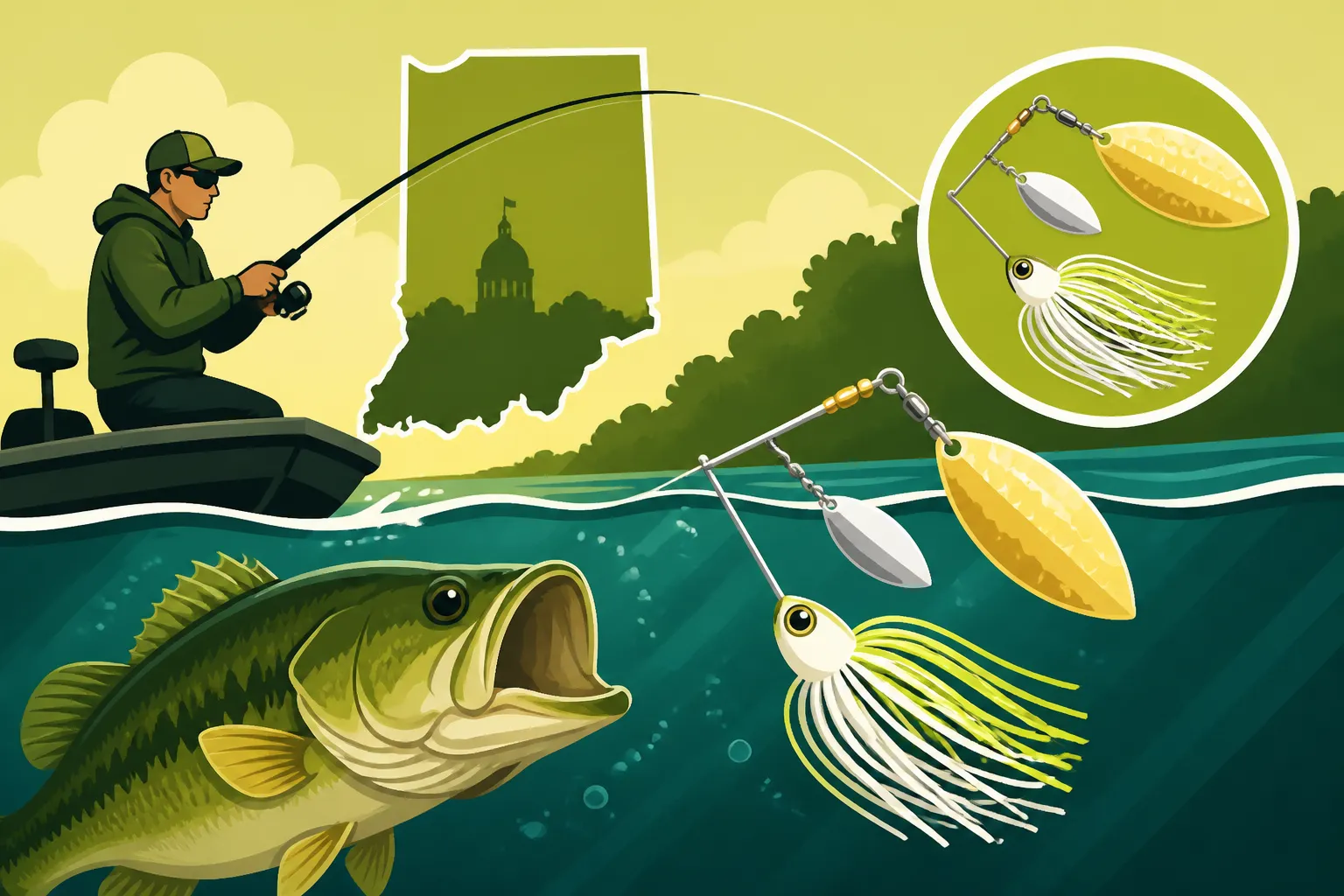
Anatomy of a Spinnerbait
Before we dive into techniques, let's break down what makes a spinnerbait tick. Knowing each component helps you understand how it performs in the water and how to choose the right one for the job.
-
The Head: This is the weighted part of the lure, typically made of lead. Its shape and weight dictate how fast the bait sinks and how it moves through the water. Some heads are designed to mimic baitfish, while others are more compact for better weed penetration. Color often matters here too, with natural colors like white or shad for clearer water, and brighter hues like chartreuse for stained conditions.
-
The Skirt: Attached to the head, the skirt is usually made of silicone or rubber strands that pulsate and flare in the water, creating a larger profile and enticing action. Skirt colors are often chosen to imitate local forage, such as shad, bluegill, or crawfish, or to stand out in low visibility. The way the skirt moves can be a huge trigger for bass, mimicking a swimming baitfish or a struggling creature.
-
The Blades: This is arguably the most defining feature and the primary attraction mechanism of a spinnerbait. Blades spin through the water, creating flash, vibration, and sometimes a distinct "thump" that bass can detect from a distance. You'll primarily encounter three types:
- Colorado Blades: Round and cupped, these blades create the most vibration and "thump." They also lift the bait, making them excellent for slow rolling in deeper water or when you want to keep the lure higher in the water column. They're fantastic in murky water where visibility is low, allowing bass to find the bait by feel.
- Willowleaf Blades: Long and slender, these blades create less vibration but more flash. They cut through the water efficiently, making them ideal for faster retrieves (often called "burning") and for fishing in heavy cover where a compact profile is beneficial. They're great in clearer water where bass can see the flash from a distance.
- Indiana Blades: A hybrid between Colorado and Willowleaf, these blades offer a good balance of flash and vibration. They're often considered a versatile "all-around" choice, performing well in a variety of conditions.
-
The Wire Arm: This V-shaped wire frame connects the head, skirt, and hook to the blades. The strength and flexibility of the wire arm are important for durability and how the lure deflects off cover. A heavier wire is better for bigger fish and heavier cover, while a lighter wire might give the blades more freedom to spin.
Why Spinnerbaits Excel in Indiana Waters
Indiana offers a fantastic variety of fishing environments, and spinnerbaits truly shine across many of them. The unique design of a spinnerbait makes it incredibly effective for bass that are often found near cover or in waters that aren't crystal clear all the time.
One major advantage is their ability to produce visibility in murky or stained water. Think about fishing the lower stretches of the White River or the Wabash after a heavy rain. The water can be chocolate milk, but those spinning blades, especially a big Colorado blade, will displace enough water and create enough flash for a bass to home in on, even if it can't see the lure clearly. The vibrations act like a beacon, signaling "dinner time!" even in low-light conditions or deep water.
Their weedless nature is another huge plus. Many of Indiana's best bass lakes, like Monroe Lake or Patoka Lake, have abundant submerged vegetation, laydowns, and brush piles. Trying to fish a crankbait or a jig through this stuff can be an exercise in frustration, resulting in constant snags. A spinnerbait, with its upward-pointing hook and streamlined profile, is designed to glide over and through obstacles, allowing you to effectively target those fish-holding areas without spending all your time rerigging. This means more casts in the strike zone and less time digging through your tackle box.
Finally, their versatility across different seasons and water conditions makes them indispensable. You can slow-roll a spinnerbait along a deep ledge in early spring, burn it over summer grass beds, or bump it off stumps in the fall. The ability to change blade combinations, skirt colors, and retrieve speeds means you can adapt this one lure to countless scenarios, making it a staple in any serious Indiana bass angler's arsenal.
Essential Gear for Spinnerbait Success
Having the right gear makes a world of difference when you're slinging spinnerbaits. You don't need the most expensive setup on the market, but pairing your rod, reel, and line correctly will greatly enhance your feel for the bait, your casting accuracy, and your ability to land those hard-fighting Indiana bass.
Rod and Reel Pairings
For spinnerbait fishing, you're looking for a setup that offers a good balance of power to handle larger fish and heavier lures, but also enough tip flexibility to absorb strikes and cast efficiently.
- Rod Power and Action: A medium-heavy power rod with a moderate-fast action is generally considered ideal. The "medium-heavy" power gives you the backbone to drive the hook home, steer a big bass away from cover, and cast heavier spinnerbaits. The "moderate-fast" action means the rod bends more towards the tip, which helps with casting distance and accuracy. It also provides a bit more forgiveness during a strike, preventing the bass from pulling the lure out of its mouth before you set the hook. Rod lengths typically range from 6'6" to 7'6". A longer rod (7'+) will offer longer casts and better leverage for fighting fish, especially when fishing from a boat. If you're primarily bank fishing, a slightly shorter rod might be more manageable.
- Reel Type: A baitcasting reel is almost universally preferred for spinnerbait fishing. Their superior casting control, power, and ability to handle heavier lines make them perfect for this technique. When choosing a reel, consider the gear ratio:
- Faster retrieve ratios (7.1:1 or higher) are great if you like to "burn" your spinnerbaits quickly or need to pick up slack line rapidly after a long cast.
- Slower retrieve ratios (6.4:1 or lower) are excellent for slow-rolling techniques, where a consistent, slower retrieve is key to keeping the bait in the strike zone longer, especially in deeper water. Many anglers opt for a versatile mid-range ratio, around 6.5:1 to 7.0:1, which allows for both fast and slow presentations with minor adjustments to handle speed.
- You can find a wide selection of suitable rods and reels on platforms like Amazon, often with detailed reviews from other anglers to help you make an informed choice.
Line Selection and Leaders
Your choice of fishing line is critical as it's the only connection between you and the fish. Each type of line has its pros and cons, and the best choice often depends on the specific conditions you're fishing.
-
Monofilament (Mono): This is a classic choice for spinnerbaits, especially for beginners. Its stretch provides a forgiving buffer when a bass strikes, helping to prevent the hook from tearing out of the fish's mouth. Mono also has some buoyancy, which can be beneficial if you want to keep your spinnerbait slightly higher in the water column. It's generally more affordable and easier to tie knots with. A good starting point is 15-20 lb test mono.
-
Fluorocarbon (Fluoro): Many experienced anglers prefer fluorocarbon for spinnerbaits due to its low stretch, which offers increased sensitivity. You'll feel subtle bites and bumps much more readily. Fluoro also sinks, helping to get your spinnerbait down deeper and stay there, which can be an advantage when slow rolling. It's also nearly invisible underwater, making it a great choice in clearer waters found in some of Indiana's northern lakes like Lake Wawasee. Use 12-17 lb test for most applications.
-
Braided Line (Braid): If you're fishing in really heavy cover – thick weeds, dense laydowns, or standing timber – braided line is an excellent choice. Its incredible strength and zero stretch allow you to rip spinnerbaits free from snags and power big bass out of the thick stuff. The main downside is its high visibility, so many anglers will use a fluorocarbon leader with braid, especially in clearer water. For spinnerbaits, 30-50 lb test braid is common.
-
When to Use a Leader:
- Clear Water: If you're using braid in clear water, a 10-20 foot fluorocarbon leader will make your presentation much more subtle, increasing your chances of getting a bite.
- Abrasion Resistance: Fishing around rocks, docks, or zebra mussels (found in Lake Michigan and some other waters) can fray your line. A fluorocarbon leader provides excellent abrasion resistance, protecting your main line.
- Internal Link: If you're serious about your line setup, you might want to delve into different techniques and how line choices impact them in our guide on how to rig a jig for bass fishing.
Ultimately, experiment with different lines to see what feels best for your fishing style and the conditions you encounter most often in Indiana.
Mastering Spinnerbait Techniques for Indiana Bass
The beauty of a spinnerbait isn't just its fish-catching ability, but its adaptability. There are numerous ways to present this lure, and understanding them will allow you to unlock its full potential, whether you're targeting aggressive fish or trying to coax a bite from a reluctant bass.
The "Burn and Kill" Retrieve
This is an exciting and often highly effective technique, especially when bass are actively feeding or when you need to cover a lot of water quickly to locate fish.
- How it Works: The "burn and kill" involves a fast, aggressive retrieve ("burning") followed by an abrupt pause ("kill"). You reel the spinnerbait in at a brisk pace, keeping the blades spinning rapidly and creating a lot of flash and vibration. This mimics a fleeing baitfish, triggering a chase response from bass. After a few seconds, you suddenly stop reeling, allowing the spinnerbait to flutter and fall. Many strikes occur on this "kill" phase, as the sudden change in action makes the lure appear injured or vulnerable.
- When to Use It: This retrieve is particularly effective in warmer water conditions (late spring, summer, early fall) when bass are more active and willing to chase. It's also excellent when fish are schooling or feeding on open flats. When fishing a reservoir like Monroe Lake or Patoka Lake, casting and burning a spinnerbait over submerged weed lines or around isolated cover can draw vicious strikes from aggressive bass.
- Tips for Success:
- Vary your retrieve speed. Sometimes a slight hesitation during the burn can trigger a follow.
- Experiment with blade combinations. Willowleaf blades are excellent for faster retrieves due to their streamlined design and intense flash.
- Pay close attention during the "kill" phase. Often, the only indication of a bite will be a slight twitch in your line or a feeling of weight when you resume reeling.
- This technique is fantastic for identifying active fish quickly, allowing you to move to more productive areas. If you're trying to figure out the best time of day to catch bass, an aggressive retrieve like this at dawn or dusk can be incredibly effective.
Slow Rolling and Bottom Bouncing
When bass aren't chasing, or when they're holding tight to deeper cover, a slower, more methodical retrieve can be the ticket. This is where "slow rolling" and "bottom bouncing" come into play.
- How it Works:
- Slow Rolling: This involves reeling your spinnerbait just fast enough to keep the blades spinning, allowing it to sink slowly through the water column. The goal is to keep the lure in the strike zone for as long as possible. You'll want to feel the subtle thump of the blades as they turn. This is often done with a Colorado blade or a combination blade (like an Indiana blade) to maximize vibration at slow speeds.
- Bottom Bouncing: As the name suggests, this technique involves allowing the spinnerbait to occasionally contact the bottom or "bounce" off deep structure. This can mimic a crawfish scuttling along the bottom or a baitfish investigating cover. The deflection off structure can often trigger a reaction strike from a wary bass.
- When to Use It: These techniques are phenomenal in colder water conditions (early spring, late fall, or even on warmer winter days) when bass are less active and prefer an easy meal. They're also highly effective when fish are holding deeper on structure like ledges, creek channels, or brush piles in reservoirs like Patoka Lake. If you're trying to target fish on deep points or rocky humps, letting your spinnerbait sink and slow rolling it near the bottom can be incredibly productive.
- Tips for Success:
- Use a heavier spinnerbait (3/4 oz or 1 oz) to help maintain bottom contact in deeper water or current.
- Pay close attention to your line and rod tip. Many bites will feel like a slight "thump" or a feeling of added weight as the bass inhales the lure.
- When bottom bouncing, intentionally let your spinnerbait tick cover. This erratic action often triggers strikes.
- Consider using fluorocarbon line for increased sensitivity to detect those subtle deeper bites.
- Understanding the best time of year to fish in Indiana can help you determine when these slower retrieves will be most effective.
Targeting Specific Cover and Structure
Spinnerbaits truly shine around cover. Their design allows them to penetrate areas where other lures would snag instantly. This is where the majority of Indiana's big bass often hide.
- Laydowns and Submerged Timber: Cast your spinnerbait past the timber and retrieve it so it bumps and deflects off the branches. When it hits, pause briefly to let it flutter, then continue your retrieve. This erratic action mimics a disoriented baitfish, an easy meal for an ambush predator. The key is to keep the retrieve steady enough to maintain blade spin but slow enough to allow deflections.
- Weed Lines: Whether it's hydrilla, coontail, or lily pads, bass love to ambush from the edges of vegetation. Cast your spinnerbait parallel to the weed line, or directly over sparse patches, and retrieve it just above the tops of the weeds. A "burn and kill" or a medium retrieve works well here. The flash and vibration can draw bass out of the thick stuff. Lakes with abundant vegetation, such as James Lake or some of the glacial lakes, are prime spinnerbait territory.
- Docks and Pontoons: Docks provide shade, cover, and ambush points. Skip your spinnerbait under docks, letting it fall into the darkest recesses. Work it slowly along the pilings and undersides of the pontoons. The sudden appearance of the spinnerbait from the shadows can often elicit a strong reaction strike.
- Rock Piles and Riprap: These areas are classic bass haunts, especially where they transition into deeper water. Work your spinnerbait slowly, letting it bump and scrape along the rocks. The deflections can trigger strikes, and the vibration from Colorado blades can call fish out from crevices.
- Internal Link: To truly maximize your success, it's worth exploring the best bass fishing lakes in Indiana and understanding the specific cover and structure present in each.
Advanced Tips and Seasonal Considerations
Once you've got the basics down, there are always ways to refine your spinnerbait game. Adding trailers, choosing the right color, and adapting to the seasons will put even more bass in your boat or on the bank.
Trailer Hooks and Soft Plastic Trailers
Sometimes, bass will "short strike" a spinnerbait, meaning they nip at the tail or blades without fully committing to the main hook. This is where trailer hooks come in handy.
- Trailer Hooks: These are small, extra hooks that attach to the main hook of your spinnerbait, extending its length. They dramatically increase your hook-up ratio when fish are finicky or just swatting at the lure. Simply slide the eye of the trailer hook onto the point of your spinnerbait's main hook, then secure it with a small piece of surgical tubing or a plastic keeper to prevent it from sliding off or fouling. You can find these easily at most tackle shops or online at Amazon.
- Soft Plastic Trailers: Adding a soft plastic trailer can significantly alter the profile, action, and attraction of your spinnerbait.
- Grubs: A simple curly-tail grub (like a single-tail or double-tail grub) adds more swimming action and bulk, mimicking a larger baitfish.
- Swimbaits: Small paddle-tail swimbaits can give your spinnerbait a very realistic baitfish look and a different vibration profile.
- Craws: If you suspect bass are feeding on crawfish, a small crawfish-imitation trailer can be incredibly effective, especially when slow rolling and bumping the bottom.
- Impact on Action: Keep in mind that adding a bulky trailer can slow down the fall rate and slightly dampen the blade vibration. Experiment with different trailers to see what the fish prefer on any given day.
Spinnerbait Color Selection
Color is a critical decision in fishing, and spinnerbaits are no exception. The general rule of thumb is to match the water conditions and the forage.
- Water Clarity:
- Murky or Stained Water: In low-visibility conditions (like many Indiana rivers after a rain, or a heavily churned lake), brighter, more contrasting colors are often best. Chartreuse, white, orange, and firetiger patterns stand out. The bass rely more on vibration, but the visual stimulus from a bright color can certainly help.
- Clear Water: When the water is clear (common in some of Indiana's northern glacial lakes like James Lake or Lake Wawasee), more natural baitfish patterns tend to be more effective. Shad, perch, bluegill, or natural greens and browns blend in better and appear less artificial.
- Forage Base: Always try to "match the hatch." If you know the bass are feeding on shad, choose a silver, white, or light grey spinnerbait. If bluegill are prevalent, a skirt with green, black, and orange hues can be deadly.
- Weather Conditions: On cloudy or overcast days, darker or more contrasting colors can be more visible. On bright, sunny days, lighter, flashier colors or those with more natural tones might be preferred as they reflect sunlight more subtly.
Seasonal Strategies for Indiana Bass
Indiana's distinct seasons mean you'll need to adapt your spinnerbait techniques throughout the year to consistently catch bass.
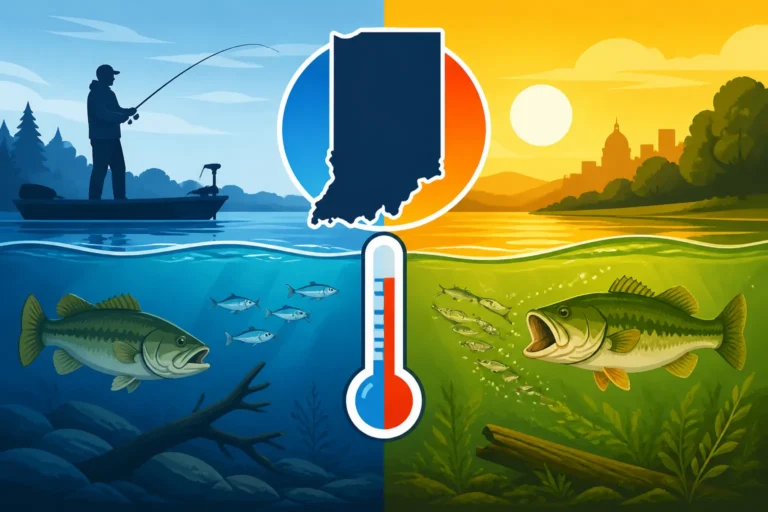
- Spring (Pre-Spawn & Spawn): As water temperatures rise into the 50s and 60s, bass move shallow to stage for spawning. This is a prime time for spinnerbaits. Slow roll them around points, channel swings, and newly emerging weed lines near potential spawning flats. The "thump" of a Colorado blade can be excellent for attracting pre-spawn bass. As bass move onto beds, a spinnerbait can be an irritant, triggering a protective strike. If you're interested in the nuances of this period, check out our guide on Indiana bass spawn timing and pre-spawn patterns.
- Summer (Post-Spawn & Hot Weather): Summer bass can be aggressive! Early mornings and late evenings, or overcast days, are ideal for burning spinnerbaits over submerged grass beds or around offshore humps and ledges. During the heat of the day, bass often retreat to deeper, cooler water or dense cover. In these situations, slow rolling a heavier spinnerbait along drop-offs or through thick brush can be effective. This is also a good time to experiment with the best lures for summer fishing.
- Fall (Feeding Frenzy): As water temperatures drop and bass begin their fall feed, spinnerbaits become a go-to lure. Bass will often move shallow again, gorging themselves on baitfish before winter. Target transition areas where shallow flats meet deeper water, ambush points like creek mouths, or along rocky banks. Aggressive retrieves often work well, mimicking frantic baitfish.
- Winter: Spinnerbaits aren't typically a primary winter lure due to the bass's reduced activity levels. However, on warmer, sunny winter days, especially in southern Indiana reservoirs, you might tempt a sluggish bass with an extremely slow-rolled, deep presentation, using a heavier spinnerbait with a large Colorado blade to maximize vibration. Focus on the deepest, most stable cover you can find.
Troubleshooting Common Spinnerbait Issues
Even the most seasoned angler encounters issues, and spinnerbaits, for all their effectiveness, can present a few common challenges. Knowing how to address them quickly will keep your lure in the water and your confidence high.
Dealing with Line Twist
Line twist is probably the most common headache associated with spinnerbaits, especially if you're new to using them. It's frustrating to constantly have to cut and re-tie, and severe line twist can weaken your line and impact casting performance.
- Why It Happens: The primary culprit is often a spinnerbait blade that isn't spinning freely. If a blade gets fouled with debris, bent, or if the swivel connecting it becomes stiff, the entire lure can begin to rotate around the line as you retrieve it. This rotational energy transfers to your fishing line, creating twists. Over time, this leads to coils, tangles, and a less natural presentation.
- Prevention and Solutions:
- Check Your Blades: Before every cast (and especially if you notice anything off during your retrieve), visually inspect your spinnerbait. Ensure all blades are perfectly straight and spinning smoothly on their wire or clevis. If a blade is bent, gently straighten it with pliers.
- Inspect Swivels: The small swivel that attaches the blade(s) to the wire arm needs to be free-moving. If it's sticky, a drop of lubricant or a thorough cleaning can help. If it's rusted or permanently seized, it might be time for a new spinnerbait.
- Add a Swivel (Sometimes): While most modern spinnerbaits are designed to minimize line twist, adding a high-quality barrel or ball-bearing swivel a foot or two above your lure can sometimes help, especially if you're consistently experiencing issues with a particular bait or fishing in current. However, too many swivels can complicate knot tying and gather weeds, so use this sparingly.
- Periodically Let Your Line Out: If you're using monofilament or fluorocarbon, a simple trick to alleviate line twist is to let out a long section of line (without a lure attached) behind your boat while moving slowly, or let it drift downstream in a river. The water current will help untwist the line.
- Internal Link: For more in-depth advice on line care and setup, our guide on best rods and reels for Indiana largemouth bass also touches on optimal line choices for various presentations.
Avoiding Snags and Fouling
While spinnerbaits are hailed for their weedless design, they aren't completely snag-proof. Fishing them effectively means knowing how to minimize hang-ups and retrieve your lure when they do occur.
- Understanding the "Weedless" Design: The upright single hook of a spinnerbait, combined with the wire arm that deflects cover, makes it incredibly efficient at sliding over and through snags. However, the blades themselves can sometimes catch on thin branches, and if the main hook finds a solid piece of timber, you're in for a fight.
- Techniques to Minimize Snags:
- Maintain Contact: When retrieving through cover, try to maintain light contact with obstacles. Don't pull away too quickly. A slow, steady retrieve often allows the lure to "walk" over snags.
- Deflection is Key: Intentionally deflecting your spinnerbait off cover is a huge strike trigger, but it also helps prevent snags. When you feel the lure hit a branch or rock, briefly pause or give a slight twitch of the rod tip. This changes the lure's direction and often helps it bounce free.
- Rod Position: Keep your rod tip high when retrieving over shallow weeds or brush. This helps keep the spinnerbait riding higher, reducing the chance of blades or the hook getting caught.
- Line Choice: Braided line, with its strength and ability to cut through vegetation, can be a lifesaver in heavy cover. If you do get snagged, a strong pull with braid can often free the lure where mono or fluoro would break.
- Retrieving a Snagged Lure:
- Slack Line: Often, if you stop reeling and give the line a little slack, the spinnerbait will float up or fall back, freeing itself.
- "Bow String" Method: Point your rod directly at the snag. Reel down until your line is taut, then pull back on the line with your non-dominant hand as if you're drawing a bow. Release the line. This "snap" can sometimes dislodge the lure.
- Change Angles: If possible, move to a different angle relative to the snag and try to pull the lure free. What's stuck from one direction might come free from another.
- Lure Retriever: For stubborn snags in deeper water, a simple lure retriever can be a worthwhile investment. These devices slide down your line and use chains or weights to push/pull the lure free.
By paying attention to your gear and refining your techniques, spinnerbaits can become one of the most reliable and enjoyable lures in your Indiana bass fishing arsenal.
| Blade Type | Primary Action | Best for Water Clarity | Best for Retrieve Speed | Key Advantage | Common Uses |
|---|---|---|---|---|---|
| Colorado | Max Vibration, Lift | Murky/Stained | Slow | Strong thump, high vibration for low vis | Slow rolling, deep water, night fishing |
| Willowleaf | Max Flash, Less Vibration | Clear | Fast | Streamlined, cuts water, intense flash | Burning over weeds, open water, active bass |
| Indiana | Balanced Vibration/Flash | Varied | Medium | Versatile, good all-rounder | All-purpose, adapting to changing conditions |
Disclaimer
Fishing regulations, safety guidelines, and local conditions can change. Always consult the official Indiana Department of Natural Resources (IDNR) website for the most current rules and ensure you have the appropriate Indiana fishing license requirements explained before heading out on the water. Fishing involves inherent risks; always prioritize your safety and the safety of others.