Does Indiana’s License Year Affect Fall Fishing Trips?
It’s a common scenario: you’re gearing up for a fantastic fall fishing trip, maybe planning to hit the crisp waters of Lake Michigan for salmon or casting for bass in one of Indiana’s beautiful reservoirs, and suddenly, a thought pops into your head – "Is my fishing license still good?" This moment of uncertainty can put a damper on your excitement, making you second-guess your plans. This guide is here to clear up all that confusion, helping you understand precisely how Indiana's fishing license year works and what that means for your autumn angling adventures.
Understanding Indiana's Fishing License Year Cycle
One of the biggest misunderstandings I hear from fellow anglers, especially those new to the Hoosier State or folks who only fish occasionally, revolves around when their fishing license actually expires. It’s easy to assume it runs for a calendar year, from January to December, but Indiana does things a little differently. This unique cycle has significant implications for anyone planning a fall fishing excursion.
When Does the Indiana Fishing License Year Actually Run?
Here's the deal: an Indiana fishing license operates on a fiscal year, not a calendar year. Specifically, it starts on April 1st of one year and remains valid all the way through March 31st of the following year. So, if you purchased your annual fishing license on, say, April 15th, 2024, it would be good until March 31st, 2025. This means that if you bought your license sometime in the spring or summer, it's absolutely still good for your fall fishing trips. There's no need to panic and rush out for a new one just because the leaves are changing color.
This particular timeline is a real lifesaver for those of us who love to hit the water as soon as spring arrives. It ensures that a single annual purchase covers the entirety of prime fishing seasons, from the spring spawn through the hot summer days and right into the often-productive fall bite. Knowing this key date—April 1st—is essential for any angler in Indiana, whether you're chasing panfish in a local pond or battling big salmon on the Great Lakes. For a more detailed look at the full cycle, check out our guide on the Indiana Fishing License Year Explained.
The Annual Renewal Cycle and What It Means for Fall Fishing
Because the license year resets on April 1st, it means that any annual license you purchased between April 1st and March 31st will cover you for that entire period. So, for fall fishing, as long as you obtained your annual license after the previous April 1st, you are all set. This is incredibly convenient for anglers who fish year-round. You make one purchase in the spring, and you're covered for every season, including the fantastic opportunities that autumn brings.
However, this also means that if you haven't fished since the previous fall or winter, and your license expired on March 31st, you would definitely need to get a new one before heading out. It's easy to forget if you took a break, but fishing without a current license is not a good idea. Many experienced anglers make it a habit to renew their license right around the April 1st mark, almost like a spring ritual, ensuring they're always compliant. Remember, Indiana Anglers Need a New License Every April 1 to stay legal on the water.
Planning Your Fall Fishing Trip with License in Mind
Fall fishing in Indiana offers some of the most beautiful and productive opportunities of the entire year. The cooler temperatures, vibrant foliage, and active fish make it a prime time to be on the water. But before you grab your tackle box and head out, it’s always wise to double-check your license situation to avoid any unwanted surprises.
Checking Your Current License Status
It’s surprisingly easy to forget when exactly you bought your last fishing license. Maybe you picked it up quickly at a bait shop, or perhaps you renewed it online months ago. The good news is that Indiana’s Department of Natural Resources (DNR) makes it simple to verify your current license status. You can usually do this by visiting the Indiana DNR's online licensing system. You'll typically need your customer ID, date of birth, or even just your driver's license number to pull up your records.
Having this information readily available can save you a lot of headache. Imagine driving an hour to your favorite fishing spot, only to realize you’re not sure if your license is valid. A quick check online before you leave the house can give you peace of mind. I always recommend keeping a digital copy of your license on your phone, or a laminated physical copy in your tackle box. This way, if a conservation officer asks, you have proof right there. For those looking to buy or renew, our guide on Buying a Fishing License Online in Indiana can walk you through the process.
What If Your License Expired Before Fall?
If you check your license and realize it expired on the previous March 31st, don't fret! Getting a new license is a straightforward process. You have several convenient options available to you. The easiest and quickest way for most people is to purchase or renew their license online through the Indiana DNR website. This allows you to print a temporary license immediately and get out on the water without delay. It's super convenient, especially if you're planning a last-minute trip.
Beyond online, you can also visit various authorized license vendors throughout the state. These often include bait and tackle shops, sporting goods stores, and even some county clerk offices. Just be sure to check their operating hours before you go. Renewing your license, whether online or in person, ensures you’re contributing to Indiana’s conservation efforts and keeping our fisheries healthy. If you're specifically looking to renew, our detailed guide on Renewing an Indiana Fishing License Online offers step-by-step instructions.
Specific Fall Fishing Scenarios and License Considerations
Fall fishing isn't just about enjoying the scenery; it's about targeting some of the most exciting species in Indiana as they become more active. But depending on what you're chasing, there might be additional license considerations beyond just your general annual permit.
Fall Salmon and Steelhead Runs in Lake Michigan
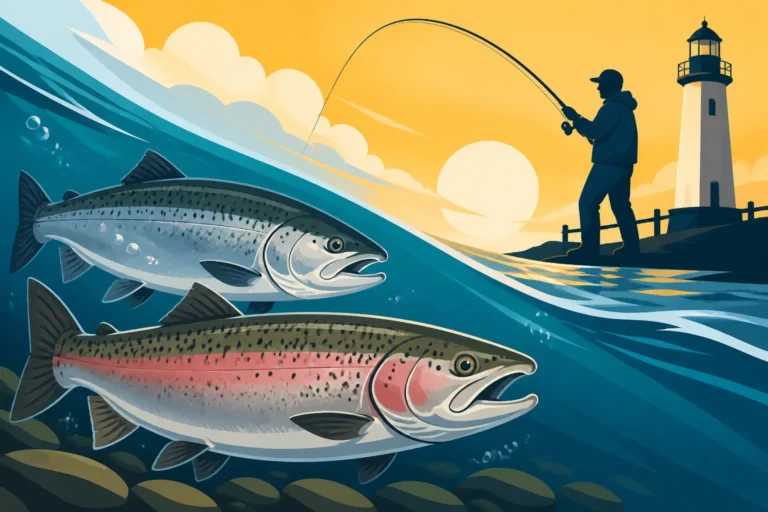
For many anglers, fall means one thing: the incredible salmon and steelhead runs on Lake Michigan and its tributaries. As water temperatures drop, these powerful fish begin their migration, offering some truly exhilarating fishing opportunities along Indiana's shoreline, especially around Michigan City and Portage. If you're targeting these specific species, a general Indiana fishing license isn't quite enough.
You’ll also need to purchase an Indiana Trout and Salmon Stamp. This stamp is an additional endorsement on your license, specifically required for taking trout and salmon from Indiana waters, including Lake Michigan and its tributaries. It’s a small extra cost, but it directly funds programs that support these magnificent fisheries. So, when planning your fall trip to the big lake, make sure you have both your valid annual fishing license and the trout and salmon stamp in hand. Our guide on Indiana Trout and Salmon Stamp Requirements can clarify everything you need to know. You can often find specialized gear for these runs, like strong braided lines or specific lures, on platforms like Amazon. For more insights into this exciting time of year, check out Fall Salmon Run Fishing on Lake Michigan in Indiana.
Autumn Bass, Walleye, and Panfish Opportunities
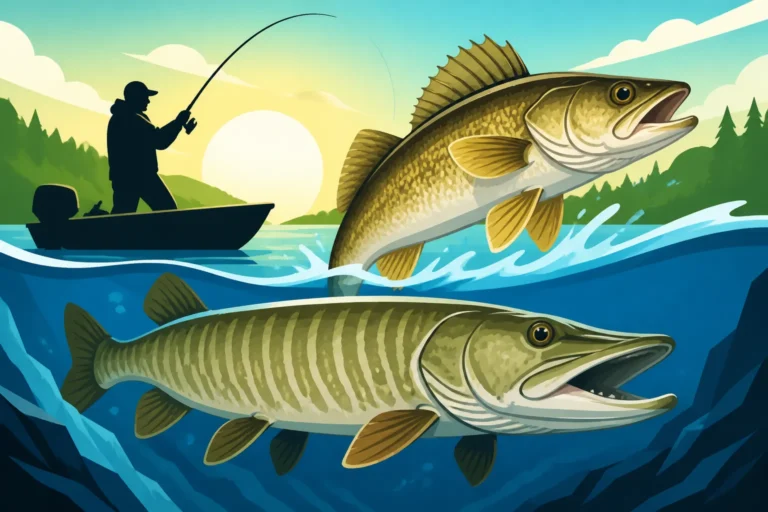
While the salmon and steelhead get a lot of attention, fall is also a fantastic time for other popular species across Indiana. Largemouth and smallmouth bass often feed aggressively as they prepare for winter, making them easier to target. Walleye in many of Indiana's glacial lakes, like Lake Wawasee or James Lake, become more active in cooler waters, offering some fantastic jigging or trolling opportunities. Even panfish like bluegill and crappie can be found schooling up in deeper water, providing consistent action.
For these species, your standard Indiana annual fishing license is all you need. No additional stamps or permits are typically required. The key is simply ensuring that your annual license is current, as established by that April 1st to March 31st cycle. Cooler weather also means you might need some extra layers or good rain gear for those unpredictable autumn days, which you can easily find on Amazon to keep you comfortable during your trip. Knowing the Best Bait and Lures for Fall Fishing can also significantly improve your success.
Avoiding Common Pitfalls and Ensuring Compliance
Nobody wants their peaceful fishing trip interrupted by a citation, but it happens. Understanding the rules and being proactive about your license can prevent unnecessary stress and potential fines.
The Risks of Fishing Without a Valid License
Fishing without a valid license, or without the necessary stamps for specific species like trout and salmon, is a clear violation of Indiana law. Conservation officers regularly patrol lakes, rivers, and access points, especially during popular seasons like fall. If you're caught fishing illegally, the consequences can range from a warning to a significant fine, and in some cases, even confiscation of your gear. The exact penalty can vary depending on the county and whether it’s a first offense, but it’s always an unpleasant experience.
Beyond the legal ramifications, fishing without a license also means you're not contributing your fair share to the vital conservation efforts that maintain and improve Indiana’s fisheries. License fees directly fund fish stocking programs, habitat restoration, and enforcement that ensures sustainable fishing for everyone. It’s a small price to pay for the privilege of enjoying Indiana’s abundant waterways. To understand more about the potential repercussions, you can read about the Penalties and Fines for Fishing Without a License.
Why Proactive License Management Matters
Being proactive about your fishing license status is really just good common sense. It’s much easier to renew your license from the comfort of your home or office than to scramble at the last minute or, worse, risk a fine on the water. Many anglers set a reminder on their phone for early April, ensuring they’re always covered for the upcoming year. This simple habit eliminates any doubt about whether you’re legal to fish, leaving you free to focus on what matters most: enjoying your time outdoors and catching some fish!
For seniors, there are even specific options that can simplify this process long-term. For example, the Indiana Senior Fish-for-Life License Cost: $23 One-Time is a fantastic option that covers seniors for life. It's worth exploring these options if they apply to you. And for every angler, having a reliable gear bag, perhaps a sturdy tackle backpack from Amazon, makes it easier to carry your license, tackle, and other essentials comfortably.
Here's a quick summary of Indiana's general fishing license requirements:
| License Type | Cost (Resident Annual) | Cost (Nonresident Annual) | Duration | Key Requirement |
|---|---|---|---|---|
| Annual Fishing License | $23 | $60 | April 1 – Mar 31 | General fishing in Indiana (ages 18-64) |
| Trout/Salmon Stamp | $11 | $11 | April 1 – Mar 31 | Required for taking trout/salmon from Indiana waters |
| Senior Annual License | $3 | N/A | April 1 – Mar 31 | Residents 65+ |
| Senior Fish-for-Life | $23 (one-time) | N/A | Lifetime | Residents 65+, one-time purchase |
| Kids Under 18 | FREE | FREE | N/A | No license needed for residents under 18 |
Note: Prices are subject to change by the Indiana DNR. For a full overview, consult the Indiana Fishing License Requirements Explained.
Disclaimer
The information provided in this guide is for general informational purposes only and does not constitute legal advice. Fishing regulations and license requirements in Indiana can change, and it is always the angler's responsibility to verify the most current rules and regulations with the Indiana Department of Natural Resources (DNR) before fishing. Always consult the official Indiana DNR website or their current fishing guide for the most accurate and up-to-date information.