Indiana Fishing License Year Start Date
Oh, the age-old question that has probably stumped more Indiana anglers than a tangled line in thick weeds! It’s totally understandable to get confused about when your fishing license actually starts and ends, especially when so many other annual subscriptions or memberships run on a simple calendar year. That little bit of uncertainty can lead to unexpected frustration or, even worse, finding yourself out on the water without a valid license. This comprehensive guide is here to clear up all the confusion, explaining the official start date for Indiana fishing licenses and what that means for your angling adventures.
When Does the Indiana Fishing License Year Actually Begin?
Let's cut right to the chase because we've all been there, wondering if that license we bought last fall is still good or if we need to scramble for a new one. The good news is that once you know the official date, it becomes much easier to remember and plan your fishing trips accordingly.
The Official Start Date
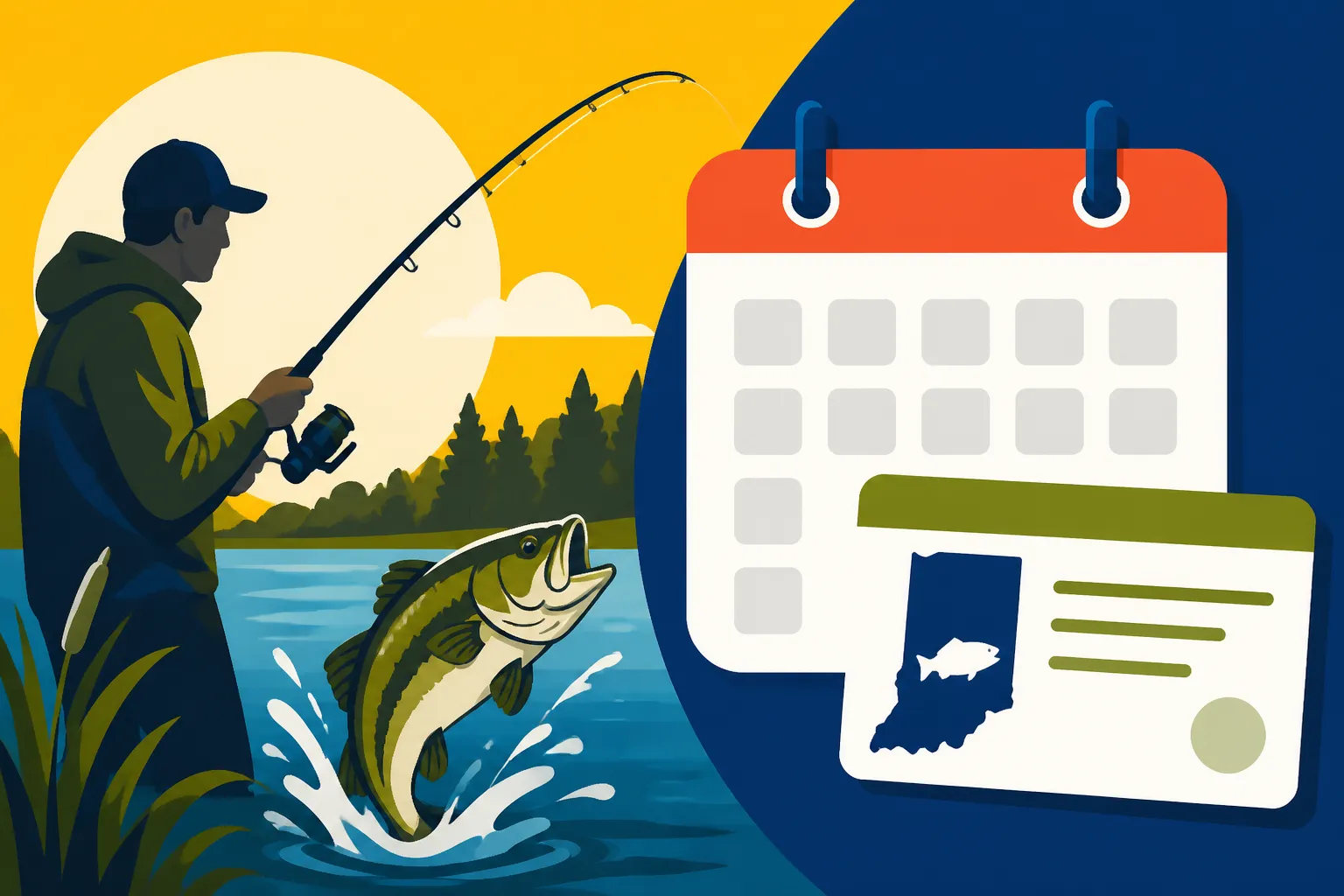
For all you wonderful Hoosier anglers, and our friends visiting from out of state, the official start date for the Indiana fishing license year is April 1st. That's right, every single year, without fail, a new license year begins on the first day of April. This means that no matter when you purchase your annual license within a given year, it will always expire on March 31st of the following year. So, if you bought your license on July 15th, 2024, it won't be valid until July 15th, 2025. Instead, it will expire on March 31st, 2025. It's a common misconception that a license lasts for 365 days from the date of purchase, but in Indiana, that's just not how it works for most annual licenses. This specific timing is key to understanding your fishing privileges throughout the year, ensuring you're always legal when you cast a line. For a full breakdown, check out our guide on Indiana Anglers Need a New License Every April 1
Why April 1st?
You might be asking yourself, "Why April 1st? Why not January 1st like everything else?" And that's a perfectly valid question. The Indiana Department of Natural Resources (DNR) aligns the fishing license year with what makes the most sense from a biological and management perspective for our state's fisheries. April marks the true beginning of the spring fishing season in Indiana. The ice is typically gone, water temperatures are starting to rise, and fish species like bass, crappie, and bluegill are becoming increasingly active, often moving into shallower waters for their spawning rituals. This timing also coordinates well with trout stockings that often begin in early spring, and other fisheries management activities. By having a consistent April 1st start, the DNR simplifies administrative processes and provides a clear, predictable cycle for both anglers and wildlife officials. It's designed to streamline the management of our natural resources, ensuring that programs and funding are aligned with the peak activity periods for both fish and fishermen.
Navigating the Annual Renewal Process
Understanding the April 1st start date is only half the battle. The other half is knowing how to make the most of your license purchase and avoid those frustrating moments where you realize your license expired last week!
Understanding Your License's Expiration
Since the license year runs from April 1st to March 31st, it's crucial to grasp that the validity of your annual license is tied to that specific period, not to your purchase date. Imagine this: you're planning a last-minute fishing trip in mid-February, say February 15th, and you decide to buy your annual license then. While it's great you're licensed, that particular license will only be valid for a little over a month and a half, expiring on March 31st of the same year. If you plan to fish in April, you'll need a brand-new license. This can feel a bit unfair if you're used to a 12-month validity from purchase, but it's the system Indiana uses.
To avoid any unwelcome surprises, always check the expiration date printed on your physical license or displayed on your digital license. It's easy to overlook, especially if you're a sporadic angler, but a quick glance can save you from a potential citation. This is a common point of confusion, and it’s why many anglers find themselves buying a new license every spring, regardless of when they bought their previous one.
Planning Your Purchase for Maximum Value
Knowing the April 1st start date allows you to be strategic about when you buy your license to get the most "bang for your buck."
If you plan to fish consistently throughout the year, the absolute best time to purchase your annual Indiana fishing license is right around April 1st. This ensures you have a full year of fishing opportunities ahead of you, from the exciting spring spawn to the tranquil ice fishing days of winter, all under one license.
However, if you only plan a quick trip in, say, September, and then don't expect to fish again until the following summer, you might consider a short-term license if you're a nonresident. But for residents, an annual license bought in September will still expire the following March 31st, giving you only about seven months of validity. There's no pro-rated option for annual licenses, so timing your purchase is key to maximizing its value.
Let's look at a quick table to illustrate how different purchase dates impact your license's effective duration:
| Purchase Date (Example) | Expiration Date | Effective Duration | Notes |
|---|---|---|---|
| April 1st | March 31st (next year) | ~365 days (full year) | Ideal for year-round anglers. |
| July 1st | March 31st (next year) | ~270 days (9 months) | Valid through prime summer, fall, and winter. |
| October 1st | March 31st (next year) | ~180 days (6 months) | Covers fall fishing, winter, and early spring. |
| January 1st | March 31st (same year) | ~90 days (3 months) | Limited duration; a new license needed for the upcoming April 1st. |
| March 15th | March 31st (same year) | ~15 days (2 weeks) | Very short validity; consider waiting for the new license year. |
As you can see, the closer you buy your annual license to April 1st, the more fishing days you get out of it. This might seem obvious, but it’s a detail many anglers forget in the excitement of a spontaneous fishing trip.
Impact on Different License Types and Seasons
The April 1st start date isn't just a quirky administrative detail; it has real implications for the various types of licenses available and how you plan your fishing throughout Indiana's diverse seasons.
How the April 1st Start Affects Annual Licenses
The standard annual fishing licenses, whether you're an Indiana resident or visiting from out of state, all adhere to this April 1st to March 31st cycle. This includes your typical Indiana Resident Annual Fishing License Cost and the Indiana Nonresident Annual Fishing License Cost. If you're planning on fishing year-round or even for several months, these annual options are usually your most cost-effective choice, especially if purchased close to the start of the license year.
It also applies to specific endorsements, like the Indiana Trout and Salmon Stamp Requirements. If you're targeting those beautiful salmon and steelhead in Lake Michigan or enjoying the stocked trout streams, you'll need this stamp in addition to your regular license. The stamp also runs on the same April 1st to March 31st schedule. So, if you're making your annual fishing purchase, remember that the trout and salmon stamp needs to be renewed annually as well, right alongside your main license. Many anglers heading to the northwest corner of the state often budget for the total cost of an Indiana fishing license with the trout stamp, understanding both will align with the April renewal. For questions like Do You Need a Trout and Salmon Stamp to Fish for Trout?, the answer usually depends on your fishing goals and if you're specifically targeting those species in designated waters.
Short-Term and Specialty Licenses
While annual licenses stick to the April 1st cycle, it's important to note that short-term nonresident licenses are an exception. If you're visiting Indiana for a quick angling getaway, you might opt for a Nonresident 1-Day Fishing License Cost in Indiana or a Nonresident 7-Day Fishing License Cost in Indiana. These licenses are valid for the specific number of consecutive days from the date of purchase, regardless of the statewide April 1st start. This flexibility is fantastic for visiting anglers who aren't tied to a full year of fishing in Indiana and simply need coverage for a shorter trip.
Then there's the special case of The Senior Fish-for-Life License, Indiana's One-Time Option. This is a unique, one-time purchase option for qualifying senior residents, and as its name implies, it lasts for the life of the angler. It's not subject to the annual April 1st renewal cycle, offering incredible value and convenience for those who qualify. It’s a fantastic program that removes the annual renewal burden entirely for many of our seasoned anglers.
Tips for a Smooth Transition and Avoiding Violations
Nobody wants to be caught off guard, especially when it comes to something as simple as renewing a fishing license. A little planning can go a long way in ensuring your fishing season starts smoothly every year.
Setting Reminders and Renewing Early
The easiest way to avoid accidentally fishing without a valid license once April rolls around is to set yourself a reminder. Many anglers make it a habit to mark their calendars or set a recurring reminder on their phones for mid-March. This gives them ample time to purchase their new license before the old one expires on March 31st.
The Indiana DNR has made the renewal process incredibly convenient. You can easily purchase or Renewing an Indiana Fishing License Online from the comfort of your home, often in just a few minutes. They even send out email reminders to those who've provided their address during a previous purchase. It's worth signing up for these notifications! Taking a few minutes to renew online means you'll have your license, either printed or on your phone, ready for that first glorious cast of the new season. Trust me, it's much better than the stress of realizing you're illegal while already out on the water, which can lead to hefty fines and penalties if you're caught fishing without a license in Indiana. Our article on What Happens If You Fish Without a License in Indiana? details exactly what those consequences can be, and it's definitely something you want to avoid.
Combining License Purchase with Spring Fishing Plans
The April 1st start date for the Indiana fishing license year perfectly aligns with the awakening of spring fishing across the state. As the weather warms, anglers are naturally eager to get out on the water, and fish species like largemouth bass, crappie, and bluegill become much more active. For many, the purchase of a new fishing license on or around April 1st becomes an exciting ritual that officially kicks off their fishing year.
This timing is also excellent for preparing your gear. While you're renewing your license online, it's a great time to check your tackle box, spool new line on your reels, and perhaps even browse for new lures or bait. Many local sporting goods stores and even online retailers like Amazon see a surge in fishing gear sales during this period, as anglers gear up for the season. Thinking about the new fishing year in conjunction with your license renewal helps ensure you're not only legal but also fully equipped and ready to take advantage of the prime spring fishing opportunities. From early Indiana Bass Spawn Timing and Pre-Spawn Patterns to the general surge in activity, April is truly a fantastic month to be an angler in Indiana, making the license renewal a natural part of your springtime preparations. If you're looking for broader seasonal advice, our Best Time of Year to Fish in Indiana guide can provide more insights into planning your angling adventures throughout the year.
Disclaimer
Please remember that fishing regulations and license requirements can change. While we strive to provide the most accurate and up-to-date information, it is always your responsibility to verify current regulations with the official Indiana Department of Natural Resources (DNR) before heading out to fish. This guide is for informational purposes only and should not be considered legal advice.