How Water Temperature Triggers the Fall Salmon Push Toward Shore
There’s nothing quite like the anticipation of Indiana’s fall salmon run. That feeling when the leaves start to turn, and you know those big Chinook and Coho salmon are making their way back to the streams and rivers that feed into Lake Michigan. But let's be honest, figuring out the exact moment they decide to push from the deep, cool lake waters toward the shore can feel like trying to solve a puzzle with missing pieces. It's a common frustration for many anglers, but understanding the critical role water temperature plays in this annual migration can significantly improve your chances of being in the right place at the right time. This guide is all about demystifying that crucial connection, helping you predict when those powerful fish will be within reach of shore anglers and boaters alike.
Understanding the Salmon's Journey: Why Temperature Matters So Much
Salmon are incredible creatures driven by an ancient, unwavering instinct to return to their natal or stocked waters to spawn. This journey isn't a casual stroll; it's a monumental effort that requires precise environmental cues to trigger each stage. And when it comes to the fall run on Lake Michigan, especially along Indiana’s stretch of coastline and its tributaries, water temperature is arguably the most dominant of these cues.
Salmon's Life Cycle and Spawning Instinct
To truly grasp why temperature is so pivotal, it helps to understand the life cycle of these magnificent fish. Chinook (King) and Coho (Silver) salmon spend most of their adult lives in the vast, deep, and relatively stable waters of Lake Michigan, feeding and growing to impressive sizes. But as summer wanes and autumn approaches, a profound biological clock starts ticking. This clock tells them it's time to reproduce. For most Pacific salmon species, including those introduced into the Great Lakes, this means a one-way trip back to shallower waters and then up rivers and streams. They cease feeding aggressively once the spawning urge takes over, and their bodies undergo dramatic physical changes.
The challenge for anglers is that the vastness of Lake Michigan means salmon don't just flip a switch and move en masse. Their migration is a gradual process, heavily influenced by external factors, with water temperature acting as the primary conductor of this grand symphony. They're essentially waiting for the lake's nearshore waters to cool to a comfortable, familiar range that signals the start of their final journey, ensuring their eggs and milt have the best chance of survival.
The Biological Cue of Cooling Waters
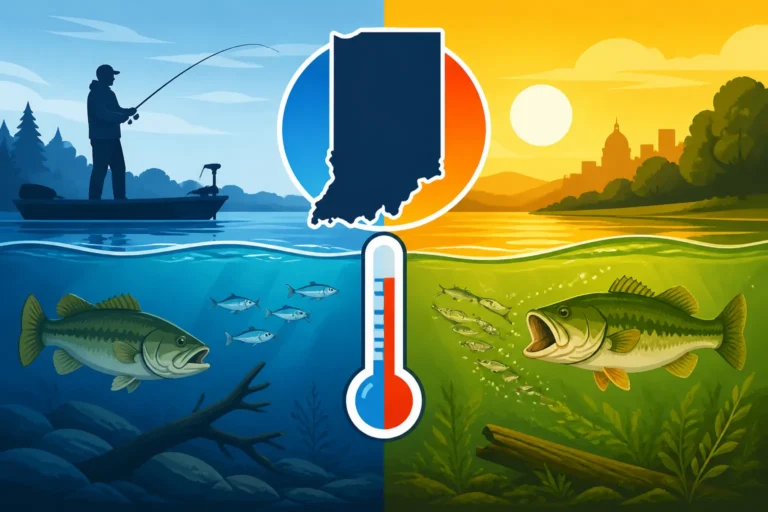
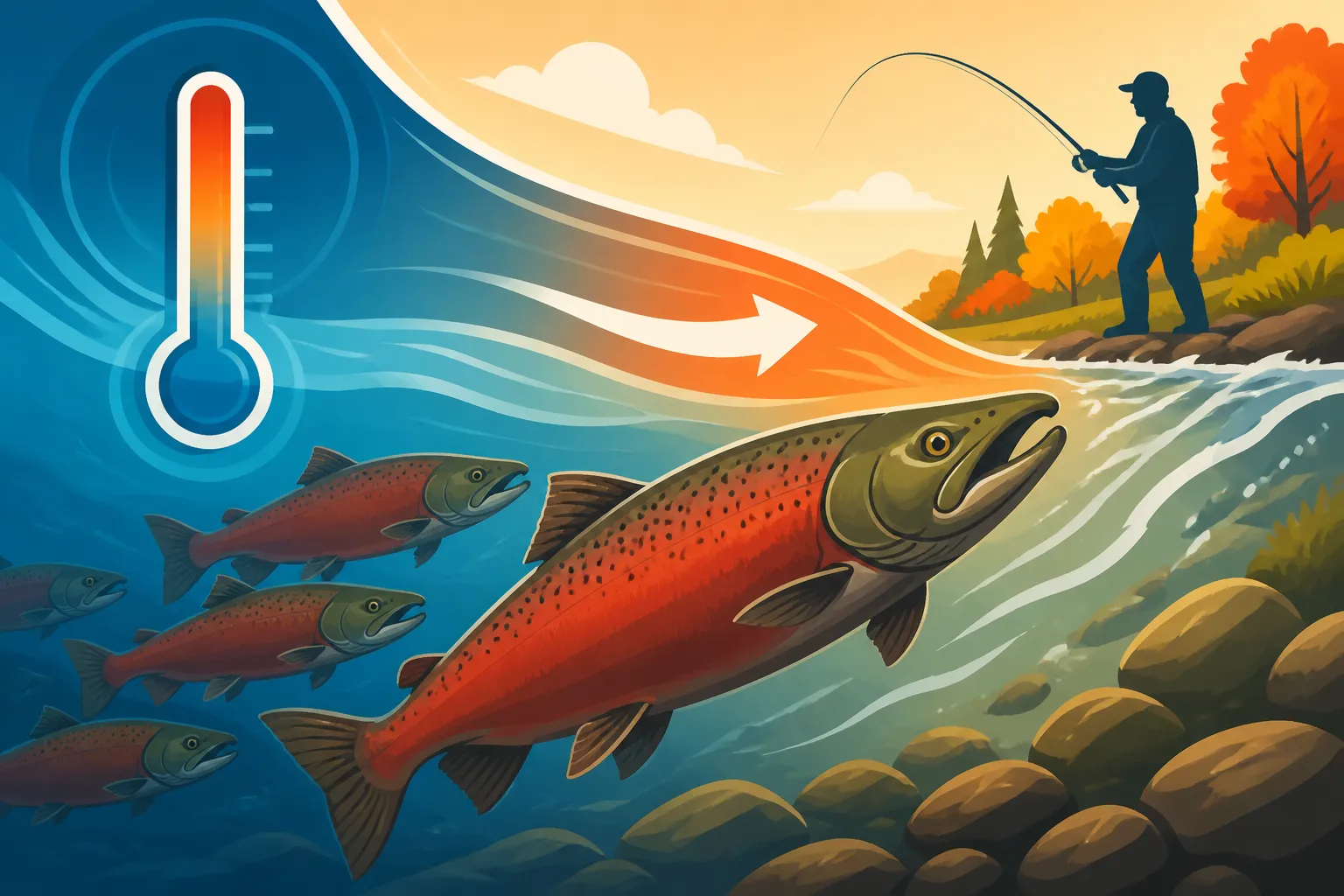
Think about it from a salmon's perspective. They've spent months, even years, in the cool, stable depths. Suddenly, the shallower waters near shore, and the mouths of rivers, start to cool down. This isn't just a preference; it's a deep-seated biological trigger. As surface temperatures drop, it creates a thermocline — a distinct boundary between warmer surface water and cooler deep water — that eventually breaks down or pushes closer to shore. This cooling trend, combined with shorter daylight hours, signals to the salmon that their time has come.
For the fall salmon push, the cooling water not only makes the nearshore environment more comfortable for them, but it also helps prepare their bodies for the physiological demands of spawning. It influences everything from their metabolism to the development of their eggs and milt. If the water stays too warm for too long, they'll hold offshore, sometimes in deeper pockets or out past the visible range of shore anglers. But once that temperature sweet spot hits, it's like an invisible floodgate opens, and the salmon start to stage and then move with incredible purpose. Understanding this instinct is your first step to a successful Fall Salmon Run Timing on Lake Michigan in Indiana adventure.
Key Temperature Ranges for the Indiana Salmon Run
So, what are these magical numbers? While nature is rarely an exact science, there are general temperature ranges that seasoned anglers on Lake Michigan and its tributaries, like the St. Joseph River in South Bend or Trail Creek in Michigan City, have learned to watch for. These ranges aren't just for comfortable swimming; they represent the prime conditions for salmon activity and movement towards the shore.
Ideal Temperatures for Staging Near Shore
For Chinook salmon, the true "kings" of the Great Lakes, the ideal water temperature for them to begin staging nearshore and moving into river mouths typically falls between 48°F and 58°F (9°C to 14°C). Within this window, their metabolism is slowing, and they're becoming increasingly focused on their reproductive journey. When the nearshore lake temperatures dip into this range, you'll start to see more activity, both from boats trolling the deeper edges and from shore anglers casting from piers and breakwalls. This is often when the biggest push begins, especially for the powerful Chinook.
Coho salmon, while also driven by cooling temperatures, can sometimes tolerate slightly warmer water initially, often starting their push when temperatures are in the 50°F to 60°F (10°C to 15°C) range. They tend to follow the Chinook, but their runs can be a bit more prolonged, with waves of fish moving in at different times. As the season progresses and temperatures continue to fall, both species will seek out these cooler conditions as they draw closer to the actual spawning grounds in the rivers. If you're wondering What to Bring for Indiana's Fall Salmon Run you'll want to pack a reliable thermometer!
| Salmon Species | Ideal Nearshore Staging Temp | River Entry Temp | Primary Location |
|---|---|---|---|
| Chinook Salmon | 48°F – 58°F (9°C – 14°C) | 40°F – 50°F (4°C – 10°C) | Lake Michigan Shore/Tributary Mouths |
| Coho Salmon | 50°F – 60°F (10°C – 15°C) | 40°F – 55°F (4°C – 13°C) | Lake Michigan Shore/Tributary Mouths |
| Steelhead/Rainbow Trout | 45°F – 55°F (7°C – 13°C) | 38°F – 50°F (3°C – 10°C) | Lake Michigan Shore/Tributaries (later runs) |
Note: These are general guidelines; local conditions and specific fish behavior can always vary.
The "Too Warm" and "Too Cold" Scenarios
It’s not just about hitting the ideal range; it’s also about avoiding the extremes. If the Lake Michigan nearshore waters remain too warm, say consistently above 60°F well into September, the salmon will often hold farther offshore in deeper, cooler water. This means frustrating days for shore anglers, as the fish are simply not yet making that committed push. Warm spells in early fall can put a temporary halt to the action, making boat fishing the only viable option for many. They might be out there, but they're just not "on the bank."
Conversely, if an early, harsh cold front pushes water temperatures down too quickly, especially into the low 40s or even upper 30s, it can shock the fish or accelerate their run. While cold water is ultimately what they're seeking for spawning, a sudden, dramatic drop can sometimes cause them to bypass traditional staging areas or become less active for a short period. This is when Reading Water Clarity to Find Chinook Salmon in Fall becomes an even more important skill, as colder water might mean clearer water, requiring a more subtle approach. They'll still move, but perhaps not with the same vigor or in the same predictable patterns you'd see during the sweet spot.
Reading the Water: Tools and Tactics for Temperature Tracking
Knowing the ideal temperatures is one thing; actually figuring out the temperature of the water you're fishing is another. Thankfully, modern technology and a bit of old-school observation can help immensely. Gone are the days of just guessing based on air temperature.
Using Thermometers and Fish Finders
For serious anglers, a reliable thermometer is an essential piece of gear. You can find simple, inexpensive models on platforms like Amazon that clip onto your line or a retrieveable weighted unit. These are fantastic for checking surface temperatures from a pier or boat. For boat anglers, your fish finder is often your best friend. Most modern fish finders, especially those from brands like Humminbird or Garmin, will display surface water temperature, which gives you an immediate, real-time reading as you move across the lake. Some even offer deeper temperature readings with specialized transducers.
If you’re fishing a river mouth or a shallow tributary, a simple handheld thermometer dipped into the current can tell you a lot. Pay attention to temperature differences between the lake and the river – often, a colder river flowing into a warmer lake will create a thermal plume that salmon will stage in, waiting for the lake to match their preferred temperature. Knowing these subtle differences is key for maximizing your chances when you hit up the Best Salmon Fishing Spots on Lake Michigan in Indiana.
Monitoring Local Reports and Conditions
Beyond your own gear, staying connected to local fishing reports is invaluable. Charter captains, local bait shops (like ones you might find during the Best Bait Shops to Visit During Salmon Season), and online forums are goldmines of real-time information. Many seasoned anglers will share their temperature readings, allowing you to gauge the overall trend. You can also monitor buoy data from the National Oceanic and Atmospheric Administration (NOAA) for Lake Michigan, which often provides current surface temperatures at various points across the lake. While not hyper-local, these buoys give you a general idea of the deeper lake conditions influencing the nearshore.
Keep an eye on weather forecasts too. Prolonged periods of north or northeast winds can push warmer surface water offshore, bringing cooler, deeper water closer to the coast – a phenomenon known as "upwelling" that can trigger an early run. Conversely, south or southwest winds can push warm surface water back to shore, delaying the push. It’s all interconnected, and the more data points you have, the better your predictions will be.
Strategic Fishing Based on Water Temperature
Once you understand the temperature triggers, you can start to adjust your fishing strategy. This isn't just about showing up; it's about adapting your techniques and targeting the right areas as conditions evolve through the fall season.
Adjusting Your Approach as Temperatures Change
When water temperatures are just starting to cool and are still on the warmer side of the ideal range (say, 55-60°F), salmon might be a bit more scattered and actively feeding. This is often a good time for trolling spoons or plugs farther offshore, looking for schools of baitfish. As the temperature drops into the prime 48-55°F range, the fish start to congregate more tightly, often staging just outside the river mouths or along major current breaks near shore. This is when casting spoons, crankbaits, or even drifting spawn sacs can become highly effective for shore anglers. Boat anglers might switch to tighter trolling patterns or vertical jigging if fish are holding deep in specific areas.
If the temperatures get colder, closer to the lower end of the range or even dipping below (40-48°F), the salmon are usually fully committed to their spawning run and might be less interested in feeding. Your presentation might need to be slower, more subtle. Drifting egg imitations or small clusters of eggs can be key in the rivers, and even in the lake, a slower retrieve on a spoon or plug might entice a territorial strike rather than a feeding bite. For boat anglers, consider slowing your troll, perhaps using a Trolling Gear Setup for Indiana's Lake Michigan Salmon with downriggers to target specific depths where fish are holding.
Best Spots and Times When Salmon Are Pushing In
The great thing about the fall salmon run is that once the water temperature is right, the fish will naturally gravitate towards key areas. River mouths, like those of Trail Creek in Michigan City, the Little Calumet River, or the St. Joseph River, are obvious hotspots. Piers and breakwalls, such as those in Michigan City, Portage Lakefront, or East Chicago, become prime real estate for shore anglers, as these structures often create current breaks and deeper water access that salmon use as staging points. These can be some of the Best Public Fishing Access Points in Indiana during the fall run.
The "best time" often coincides with periods of low light – dawn and dusk – but when the fish are truly pushing hard due to optimal temperatures, they can be active throughout the day. Overcast days, or days with a steady, favorable wind, can also prolong the action. It's crucial to remember that these fish are strong, and if you're lucky enough to hook one, be prepared for a fight! They really are one of the most exciting species to target in Indiana. Always be mindful of the Lake Michigan Fishing Rules for Indiana Anglers and local regulations, as they can differ from other parts of the state.
Disclaimer
Please note that fishing conditions, regulations, and fish behavior can change. Always consult the latest Indiana Department of Natural Resources (DNR) fishing guide for the most current rules and regulations before heading out on the water. This information is intended for educational purposes only and should not be considered legal advice.