How to Rig a Jig for Bass Fishing
Stepping onto the bank or launching your boat, ready to chase those Indiana bass, there's nothing more frustrating than feeling like your presentation isn't quite right. You know jigs catch big fish, but getting everything rigged just so can feel like a puzzle. If you've ever found yourself wondering if your jig's trailer is perfectly aligned or if you're using the right knot, this guide is for you. We're going to break down how to rig a jig for bass fishing, ensuring your offering looks irresistible every time.
Understanding the Bass Jig
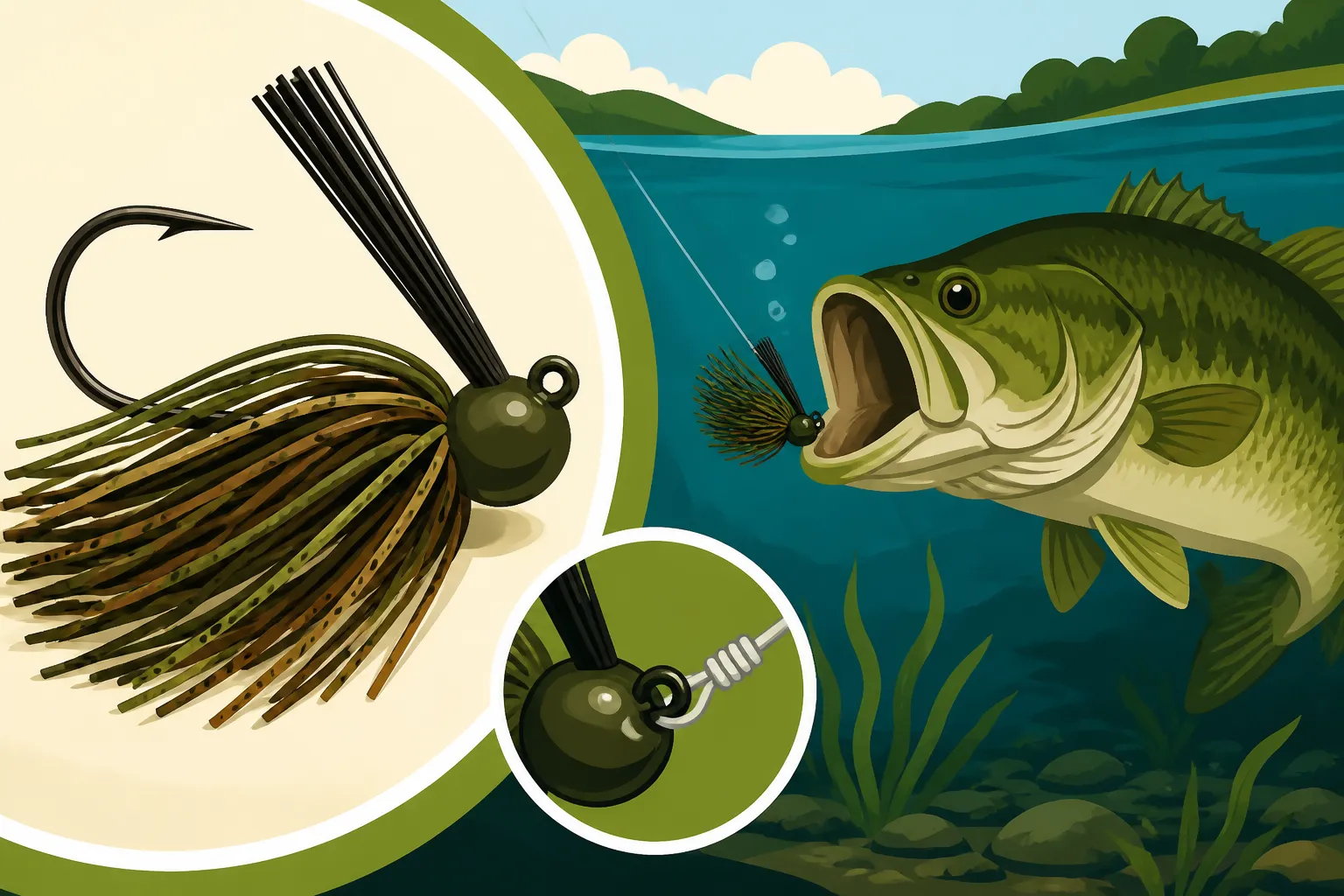
The bass jig isn't just another lure; it's a foundational tool in any serious bass angler's tackle box. It's incredibly versatile, mimicking everything from crawfish to baitfish, and its unique design allows it to navigate heavy cover where big bass often hide. But unlocking its full potential starts with a solid understanding of what makes a jig tick.
The Allure of the Jig: Why Bass Love Them
Think about it: bass are opportunistic predators. A jig, especially when rigged properly, presents a slow, easy meal that's hard for them to resist. The combination of a heavy head, a pulsating skirt, and a realistic trailer creates a lifelike illusion that triggers predatory instincts. Whether it's the thumping action of a crawfish scurrying along the bottom, the subtle shimmy of a baitfish, or even just a wounded prey trying to escape, a well-presented jig tells a story that bass are always keen to hear. This lure category really shines when fish are tucked into thick cover, like submerged timber in Monroe Lake or brush piles in Patoka Lake, where other lures might get snagged instantly. Its weed guard allows it to penetrate these areas, getting right into the fish's living room.
Types of Jig Heads and Their Purpose
Not all jig heads are created equal, and understanding their individual strengths is crucial for effective rigging. Each design serves a specific purpose, designed to excel in different environments or elicit particular actions.
- Football Jigs: These have a football-shaped head that's perfect for dragging along rocky bottoms. The wide contact area helps prevent snags by allowing the jig to roll over rocks rather than wedge between them. They’re fantastic for deeper water, making them a go-to for many anglers fishing for Walleye Minimum Length North of State Road 26, though they're excellent for bass too.
- Flipping/Pitching Jigs: Characterized by a compact, often pointed head, these jigs are designed to slip through dense cover like lily pads, heavy grass, or thick brush. Their streamlined profile minimizes resistance, making precise presentations into tight spots much easier. These often have a stout hook and a heavy weed guard to handle aggressive strikes in heavy cover.
- Swimming Jigs: These usually have a more hydrodynamic head, often shaped like a bullet or a wedge, allowing them to glide smoothly through the water column. They're designed to be retrieved steadily, mimicking a swimming baitfish, and often feature lighter weed guards.
- Stand-Up Jigs: These jigs are designed with a flat bottom or a specific angle that makes them "stand up" when they hit the bottom. This allows the trailer to wave enticingly off the bottom, imitating a feeding crawfish or a defensive baitfish. They're excellent for subtly presenting a lure on clear, hard bottoms.
Built-in Skirts vs. Standalone Skirts
Most bass jigs you buy off the shelf come with a skirt already attached, usually made of silicone or rubber. These are convenient and come in a vast array of colors and patterns. However, some anglers prefer to customize their jigs by adding standalone skirts. This allows for incredible versatility, letting you mix and match colors, materials (like natural hair for a different look), and even layer multiple skirts for unique profiles. Whether you’re experimenting with new combinations you saw online or just trying to perfectly match the local forage in a particular Indiana lake, building your own jig skirt can make all the difference. Many anglers find great deals on bulk skirt material on Amazon to fuel their creativity.
Essential Components of a Bass Jig Rig
Beyond just the jig head and skirt, several other elements come together to create a complete and irresistible bass jig rig. Each piece plays a vital role in how your jig looks, moves, and ultimately, how many bites you get. Understanding these components is the first step toward mastering jig fishing.
Jig Head Selection: Weight, Hook Size, Weed Guard
Choosing the right jig head is paramount. It’s not just about the shape, but also the weight, the hook, and the weed guard.
- Weight: This is dictated by depth, cover, and desired fall rate. In shallow, open water, a lighter 1/4 or 3/8 ounce jig might be perfect for a slow, subtle fall. For punching through thick mats of vegetation or fishing deep ledges in reservoirs like Brookville Lake, you might need a 1/2 ounce, 3/4 ounce, or even a full ounce jig to get down quickly and maintain contact with the bottom. Generally, you want the lightest jig you can get away with while still feeling the bottom and controlling your presentation.
- Hook Size: Jig hooks are typically heavy-duty to handle powerful bass and the heavy cover they often inhabit. Common sizes range from 3/0 to 5/0, but some larger flipping jigs can go up to 6/0 or even 7/0. A good rule of thumb is to match your hook size to the size of your trailer and the overall profile you're trying to achieve. A bigger trailer usually means a bigger hook.
- Weed Guard: This is the cluster of plastic or fiber strands extending from the jig head, designed to deflect snags. The stiffness and density of the weed guard vary. A dense, stiff guard is excellent for heavy cover but can sometimes hinder hook sets if it’s too rigid. Lighter weed guards offer better hook penetration but less snag protection. Many anglers will trim their weed guard slightly to balance protection with better hookup ratios.
Skirt Material and Action: Silicone, Rubber, Natural Hair
The skirt is the pulsing, breathing heart of your jig, providing much of its visual appeal and action. The material choice significantly impacts how it moves in the water.
- Silicone Skirts: These are by far the most common due to their vibrant colors, durability, and lively action. Silicone strands undulate beautifully with even the slightest movement, creating a lifelike puls. You can find these skirts in virtually any color combination, from natural greens and browns to bright chartreuse and blue, perfect for mimicking local baitfish or crawfish.
- Rubber Skirts: Sometimes called "living rubber" skirts, these offer a more subtle, natural movement than silicone. They tend to have a slower fall rate and a more fluid, organic look in the water. They are excellent for cold water or when bass are finicky, preferring a more understated presentation. However, rubber can be less durable than silicone over time.
- Natural Hair Skirts: Often found on older or specialized "hair jigs," these skirts, typically made from deer, squirrel, or even rabbit hair, offer a completely different action. They breathe incredibly well in the water, creating a very natural, translucent profile. They're especially effective in cold, clear water where bass are wary and a subtle, realistic presentation is key. Many anglers consider these a secret weapon when standard silicone jigs aren't producing.
Trailer Options: Craws, Chunks, Worms, Paddle Tails
The trailer is what truly brings your jig to life, adding bulk, profile, and action. Choosing the right trailer can make or break your jig fishing success.
- Crawfish Imitations (Craws): These are perhaps the most popular jig trailers, as crawfish are a primary food source for bass in many Indiana lakes. They feature prominent claws that kick and flap on the retrieve or during a fall, perfectly mimicking a fleeing craw. Brands like Zoom and Strike King offer excellent craw trailers that can be found on Amazon and local tackle shops.
- Soft Plastic Chunks (Jig Chunks): These are simple, compact pieces of plastic with two appendages that flap on the fall and retrieve. They add bulk and a subtle kicking action without overpowering the jig's skirt. They're particularly effective when bass want a compact, subtle offering, often in colder water.
- Small Worms or Grubs: Straight-tail worms or small grubs can be excellent trailers, especially for swimming jigs or when you want a more baitfish-like profile. They offer a subtle, wiggling action that can be incredibly enticing.
- Paddle Tail Swimmers: These trailers have a paddle-shaped tail that creates a strong thumping action and vibration when retrieved. They're fantastic for swimming jigs, creating a more aggressive baitfish imitation, especially in stained water where vibration helps bass locate the lure.
| Jig Head Type | Primary Use Case | Ideal Cover/Structure | Action Profile | Common Weights (oz) |
|---|---|---|---|---|
| Football Jig | Dragging on hard bottoms, ledges | Rocks, gravel, offshore humps | Rolls over cover, stands up, crawfish imitation | 3/8, 1/2, 3/4 |
| Flipping/Pitching | Penetrating heavy cover, targeted casts | Mats, lily pads, brush piles, docks | Streamlined, quick fall, vertical presentation | 3/8, 1/2, 3/4, 1 |
| Swimming Jig | Retrieving through open water, shallow cover | Grass lines, sparse cover, open water | Glides, wiggles, baitfish imitation | 1/4, 3/8, 1/2 |
| Stand-Up Jig | Bottom fishing, subtle presentation | Clear bottoms, sparse grass, sand | Stands trailer upright, subtle tail action, crawfish | 1/4, 3/8, 1/2 |
Step-by-Step Jig Rigging Techniques
Alright, now that you know all the components, let’s get down to the actual rigging. This isn't just about sticking a piece of plastic on a hook; it's about creating a cohesive unit that moves naturally and effectively through the water. A poorly rigged jig can spin, tangle, or simply not present correctly, leading to missed opportunities.
Standard Texas Rigging a Jig Trailer
This is the most common and versatile way to rig a soft plastic trailer on a jig. It provides a weedless presentation and ensures the trailer follows the jig head perfectly.
- Prepare the Trailer: If your trailer has a solid head, sometimes it helps to nip off a tiny bit of the plastic to create a flat surface for a snug fit against the jig head. You can also slightly thin the plastic near where the hook will enter for easier penetration.
- Insert the Hook Point: Take your jig, and insert the hook point into the very center of the trailer's head (the part that will butt up against the jig).
- Thread the Trailer On: Push the trailer onto the hook shank until the eye of the hook is almost entirely buried in the plastic. You want the trailer to be straight and snug against the jig head, ensuring no gaps. This creates a seamless, natural profile.
- Rotate and Secure: Once the trailer is threaded up, rotate it so the hook point is facing the belly of the plastic. Measure where the hook point will naturally exit the plastic, ensuring the trailer lies straight. Push the hook point through the body of the plastic, usually out the back or top.
- Skin-Hook for Weedlessness: For maximum weedlessness, slightly pull the trailer forward and re-insert the hook point just beneath the plastic's surface. This "skin-hooks" the point, keeping it hidden but ready to pop out on a strike. This method is incredibly effective when you are flipping into dense cover where bass might be hiding, such as those found on the Wabash River.
Threading a Trailer for a Streamlined Profile
Sometimes, especially with flipping jigs or when you want a very streamlined presentation, you might want to thread the trailer differently. This method is great for dense cover penetration and minimizes water resistance.
- Start from the Bottom: Instead of entering the head, push the hook point into the belly of the trailer, a short distance from the head. The exact distance depends on the trailer and jig, but usually about 1/4 to 1/2 inch from the end that will meet the jig head.
- Thread it Up: Thread the trailer up the hook shank, much like you would a traditional Texas rig, until the trailer's head meets the jig head. The hook point should exit the top or back of the trailer.
- Secure the Head (Optional): Some anglers will use a drop of super glue on the top of the jig head before sliding the trailer on, ensuring a super tight, long-lasting connection. This is particularly useful when fishing very heavy cover where repeated impacts might cause the trailer to slide down.
Securely Attaching the Skirt (if not pre-attached)
If you're using standalone skirts or customizing your jig, you'll need to know how to attach them properly.
- Choose Your Collar: Most standalone skirts come with a rubber band or a wire tie. If not, you'll need small, durable rubber bands (often available on Amazon for DIY jig building) or thin wire.
- Position the Skirt: Gather your desired skirt material (silicone strands, rubber, or hair) and position it around the collar of the jig head, just behind the lead. Make sure it's evenly distributed for a balanced look and action.
- Secure with a Band/Wire: Tightly wrap a rubber band or wire tie around the gathered skirt material, cinching it down firmly against the jig head. For rubber bands, a double wrap is usually sufficient. For wire, twist it tight and snip off any excess. You want it secure enough that it won't slip down or fall off, but not so tight that it crushes the skirt and inhibits its action. Many bass anglers love to customize their jigs this way, especially when trying to perfectly imitate local forage or match the conditions of Indiana's lakes.
Choosing the Right Jig for Conditions
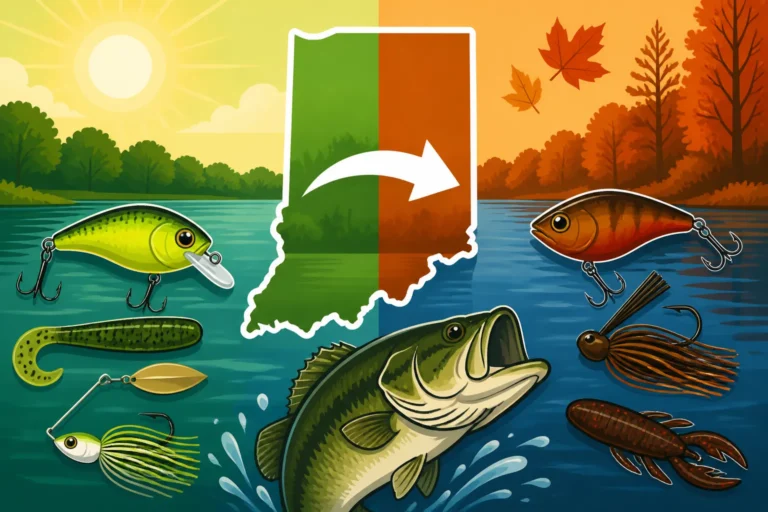
Fishing jigs isn't just about rigging them correctly; it's about selecting the right jig for the specific conditions you're facing. Indiana's diverse waterways, from the clear glacial lakes to the murky rivers, demand thoughtful jig selection. Understanding how water clarity, depth, structure, and even the season impact your choice will dramatically increase your success.
Matching Water Clarity and Forage: Color and Size
This is where the art of jig fishing truly comes into play. You want your jig to look as natural as possible, mimicking the local diet of bass in that particular body of water.
- Clear Water: In clear lakes like some of those found in Steuben County, bass rely heavily on sight. Opt for more natural, subtle colors like greens, browns, and black/blue combinations. These mimic crawfish, bluegill, or other baitfish without looking unnatural. Smaller profile jigs, often 1/4 or 3/8 ounce, with compact trailers are usually best. Think natural shades like "green pumpkin" or "watermelon red" for both skirt and trailer.
- Stained/Murky Water: When the water has a bit of a tint, or even when it's quite muddy after heavy rain, bass rely more on vibration and profile. This is where bolder colors come into their own. Black and blue is a classic for a reason – it provides a strong silhouette against the stained water. Green pumpkin with chartreuse or black with red are also fantastic choices. Larger profile jigs, often 1/2 ounce or heavier, with bulkier trailers (like those with paddle tails) can create more disturbance, making it easier for bass to find them. The "Best Bait for Largemouth Bass in Indiana Lakes" often includes jig-and-trailer combos in these darker colors for less-than-clear water.
Depth and Structure Considerations: Jig Weight and Type
The water column and what's on the bottom dictate much of your jig choice.
- Shallow Cover (0-8 feet): For flipping docks, lily pads, or sparse grass in shallower areas, lighter jigs (1/4 to 3/8 ounce) are generally preferred. A flipping or pitching jig head is ideal for navigating this cover without snagging. The lighter weight allows for a slower, more controlled fall, giving bass more time to react.
- Deep Ledges and Structure (8+ feet): When bass are holding tight to deep ledges, brush piles, or rock humps, you need to get your lure down to them quickly and keep it there. This is where heavier jigs (1/2 ounce to 1 ounce or more) shine. Football jigs are excellent for dragging along rocky contours, while a heavy flipping jig can punch through thicker submerged cover. The extra weight also helps maintain bottom contact, which is crucial for feeling subtle bites in deeper water.
- Open Water/Suspended Fish: While jigs are primarily bottom-contact lures, swimming jigs excel in open water or for targeting suspended bass. Lighter weights (1/4 to 1/2 ounce) are typically used for a steady, horizontal retrieve, mimicking a baitfish.
Seasonal Adjustments for Jig Selection: Pre-spawn, Summer, Fall
Bass behavior changes dramatically with the seasons, and your jig selection should follow suit. This is key to understanding "Indiana Fishing Seasons: A Month-by-Month Guide" and applying it to your jigging strategy.
- Pre-spawn (Early Spring): Bass are moving up, looking for big meals to fuel the spawn. They're often aggressive and looking for crawfish. Larger profile jigs (3/8 to 1/2 ounce) in crawfish colors (greens, browns, oranges) with bulky craw trailers are highly effective. Focus on transitional areas, like points and secondary ledges leading to spawning flats.
- Summer: Bass can be found in deep cover seeking cooler water, or in heavy shallow cover during low-light conditions. Heavy flipping jigs (1/2 to 1 ounce) are essential for punching through thick mats. In deeper water, football jigs dragged on offshore humps can be deadly. Colors can vary, but natural tones and black/blue remain reliable.
- Fall: As water temperatures drop, bass become more active and start feeding heavily to prepare for winter. They often move to shallower depths and feed aggressively on baitfish and crawfish. Both football jigs (for structure) and swimming jigs (for cover edges) can be very effective. Vary your retrieve and experiment with both natural and more vibrant colors. This is a great time to hit spots known for their bass, like Monroe Lake's trophy areas, or target Bass Lake Walleye Length Limit Is Different From the Rest of the State.
Selecting the Perfect Trailer
The trailer isn't just an afterthought; it's the second half of the dynamic duo that makes a jig so effective. It adds bulk, changes the profile, and most importantly, provides action that can trigger a strike. Choosing wisely can elevate your jig game.
Mimicking Prey: Crayfish, Baitfish, Worms
The primary goal of a trailer is to imitate what bass are already eating.
- Crayfish Imitations: As mentioned, craws are king. When bass are keying in on crawfish, a jig with a craw trailer in a matching color is almost unbeatable. The flapping claws and segmented body of a good craw trailer accurately replicate a scurrying crustacean. Think about the size of craws in your local waters. Sometimes a smaller, more subtle craw is better, while other times a large, bulky one is the ticket.
- Baitfish Imitations: For a more baitfish-like profile, especially with swimming jigs, consider trailers like paddle-tail swimbaits or larger grub-style trailers. These mimic the profile and swimming action of shad, minnows, or sunfish, which are common forage in many Indiana reservoirs and rivers. Colors should generally be silvers, whites, light greens, or bluegill patterns.
- Worm/Creature Imitations: Sometimes, a subtle worm or creature bait rigged as a trailer can provide a unique action that bass haven't seen. These might not mimic a specific prey as directly but offer a subtle, undulating movement that can be very effective, particularly in pressured waters or when bass are finicky.
Enhancing Action and Profile: Paddles, Appendages
Beyond just mimicking prey, trailers can dramatically enhance the action and profile of your jig.
- Paddle Tails: Trailers with paddle tails create a strong thumping action and vibration when retrieved, especially with swimming jigs. This added turbulence can attract bass in stained or murky water where visibility is limited. It also creates a larger profile, making the jig appear as a more substantial meal.
- Flapping Appendages: Many craw or creature baits have multiple appendages that flutter, wiggle, and kick with every movement of the jig. This "breathing" action can be incredibly enticing, especially when the jig is sitting still on the bottom or being gently hopped. The more water the trailer displaces, the more attention it will draw.
- Floating Trailers: Some soft plastics are designed to float. When used as a jig trailer, these can cause the claws or tail of the trailer to stand up off the bottom when the jig is at rest. This creates a very realistic defensive posture for a crawfish or a feeding posture for a baitfish, often triggering strikes from curious bass.
Color Coordination with the Skirt: Matching or Contrasting
The color of your trailer is just as important as the color of your skirt, and how they interact can be critical.
- Matching Colors: The most common approach is to match your trailer color closely to your jig skirt. For example, a green pumpkin jig with a green pumpkin craw trailer, or a black and blue jig with a black and blue chunk. This creates a cohesive, natural-looking presentation that mimics a single prey item. This is usually the best starting point, especially in clear water.
- Contrasting Colors: Sometimes, a contrasting color can create a "pop" that draws attention. For instance, a green pumpkin jig with a chartreuse-tipped craw trailer, or a black and blue jig with a red or orange craw trailer. The bright accent can simulate pincers or a flash of color from a fleeing baitfish, grabbing the bass's eye. This is particularly effective in stained water or when you need to provoke a reaction strike.
- Subtle Accents: Even subtle contrasts can make a difference. A green pumpkin jig with a clear trailer that has some purple or blue flakes in it can add just enough difference to make the jig stand out without looking unnatural. Experimentation is key here; what works in one lake (like the clear waters of Lake Wawasee) might be different from another (like the more turbid areas of the White River).
Advanced Jig Fishing Tips and Tricks
You've mastered the rigging and the selection, but there's always more to learn. Advanced techniques and an understanding of common pitfalls can truly elevate your jig fishing, making you more consistent and capable of landing those trophy Indiana bass.
Understanding Jig Presentation and Retrieve: Hopping, Dragging, Swimming
How you work your jig is just as critical as how you rig it. Each retrieve style tells a different story to the bass.
- Hopping: This involves lifting the rod tip sharply a foot or two, letting the jig hop off the bottom, then allowing it to fall back on a slack or semi-slack line. The fall is when most bites occur, as the jig's skirt and trailer "breathe" and collapse, mimicking a dying or fleeing prey. This is particularly effective with football jigs on rocky bottoms or flipping jigs around cover. Vary the height of your hops and the pause time between them.
- Dragging: This is a subtle retrieve where you simply drag the jig along the bottom with your rod tip, occasionally pausing. It's excellent for fishing soft bottoms, sand, or when bass are lethargic. It mimics a crawfish slowly crawling along. Keep your rod tip low and slowly sweep it to the side, then reel up slack before repeating. This is a very natural presentation and often used for deeper water, or when fish are less active during the colder months, especially after a cold front.
- Swimming: This retrieve is primarily for swimming jigs. Cast your jig out and retrieve it steadily, much like a spinnerbait or crankbait. You can vary the speed, add subtle twitches, or let it fall occasionally. The key is to keep the jig moving through the mid-water column or just above cover, mimicking a cruising baitfish. This can be deadly over grass beds or around submerged timber.
Reading Bites and Setting the Hook: Subtle Takes vs. Aggressive Strikes
Jig bites can range from a violent thump that nearly pulls the rod from your hands to a subtle "tick" or simply feeling "mushy" slack in your line. Learning to distinguish these is vital.
- The "Thump": This is the classic, aggressive bite. You'll feel a distinct thump or thunk on your line. When this happens, set the hook immediately and hard.
- The "Tick": Often, especially in deeper water or colder conditions, a bass will just "tick" the line. It's a quick, light bump. Don't hesitate; set the hook!
- Heavy or Mushy Slack: Sometimes your line will just go slack, or feel unusually heavy. This usually means a bass has picked up the jig and is swimming towards you, or it's simply "mouthed" the bait. Reel down quickly to take up the slack until you feel tension, then set the hook with authority.
- Movement of Line: Keep a close eye on your line where it enters the water. Any twitch, jump, or sideways movement of the line can indicate a bite. Even if you don't feel anything, if your line does something unnatural, set the hook. This keen observation is crucial when "How to Find Walleye in Deep Water" for instance, and equally important for bass.
When you feel a bite, the hook set needs to be decisive. Sweep the rod hard and horizontally, not straight up, to ensure good penetration, especially with the heavy hooks common on bass jigs.
Common Jig Fishing Mistakes to Avoid: Over-fishing, Wrong Gear
Even seasoned anglers can fall into common traps when jig fishing. Being aware of these can save you a lot of frustration.
- Over-fishing a Spot: Jigs are often about triggering reaction strikes. If you make too many casts to the same exact spot without a bite, you might be burning the fish out or they've simply moved on. Try a few precise casts, work the area thoroughly, and if nothing happens, move on to the next promising spot.
- Using the Wrong Line: Jigs are best fished with fluorocarbon or braided line. Fluorocarbon offers excellent sensitivity and low stretch for powerful hook sets, and it's nearly invisible underwater. Braid offers incredible strength and zero stretch, perfect for punching through heavy cover, but it can be more visible. Avoid monofilament as your primary line for jig fishing due to its stretch and lower sensitivity. Consider a braided mainline with a fluorocarbon leader for a good balance.
- Too Light of a Rod: Jigs require stout rods, typically medium-heavy to heavy power, with a fast or extra-fast action. This provides the backbone needed to drive a large hook into a bass's jaw, especially through a weed guard. "Best Rods and Reels for Indiana Largemouth Bass" often highlights these powerful setups.
- Not Feeling the Bottom: If you can't feel your jig making contact with the bottom or ticking off cover, you're using too light of a jig for the depth/current, or your line is too slack. You need to feel what your jig is doing to present it effectively and detect those subtle bites.
- Ignoring Trailer Action: Don't just slap any trailer on there. Observe how your chosen trailer moves in the water. Does it kick correctly? Does it foul? Is it the right size for the jig? A good trailer enhances the jig's action, not detracts from it.
By taking the time to understand each component, rigging your jigs with precision, adapting to conditions, and refining your presentation, you'll be well on your way to becoming a more successful bass angler in Indiana's waters.
Disclaimer
Please remember that fishing regulations, including those related to specific techniques or gear, can change. Always consult the latest Indiana Department of Natural Resources (IDNR) regulations before heading out on the water. This guide is for informational purposes only and should not replace official guidelines.