Best Fishing Spots to Catch Trophy Bass in Indiana
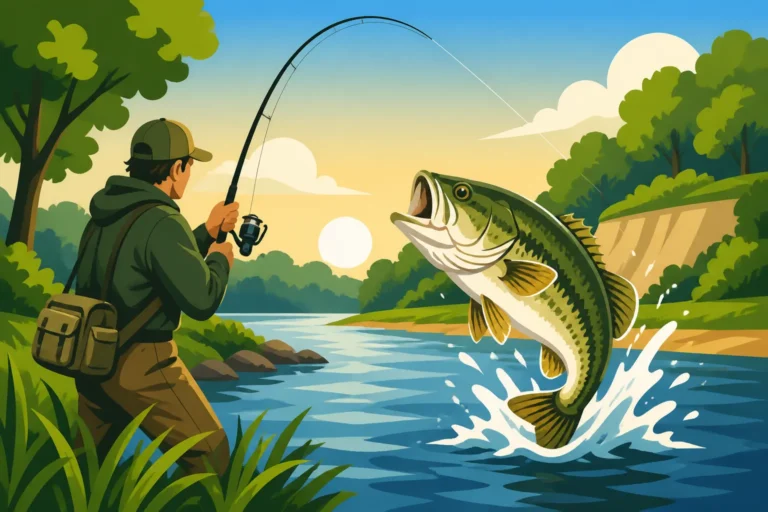
Finding that elusive, truly massive largemouth bass in Indiana can feel like a lifelong quest for many anglers. It’s a special kind of frustration to spend countless hours casting, trying every lure in your tackle box, only to consistently pull in smaller fish when you know there are genuine giants lurking beneath the surface. This guide is crafted to cut through the guesswork and direct you to the prime Indiana fishing spots where your chances of landing a brag-worthy, trophy-sized bass are significantly higher.
Monroe Lake: Indiana's Premier Destination for Giant Largemouth
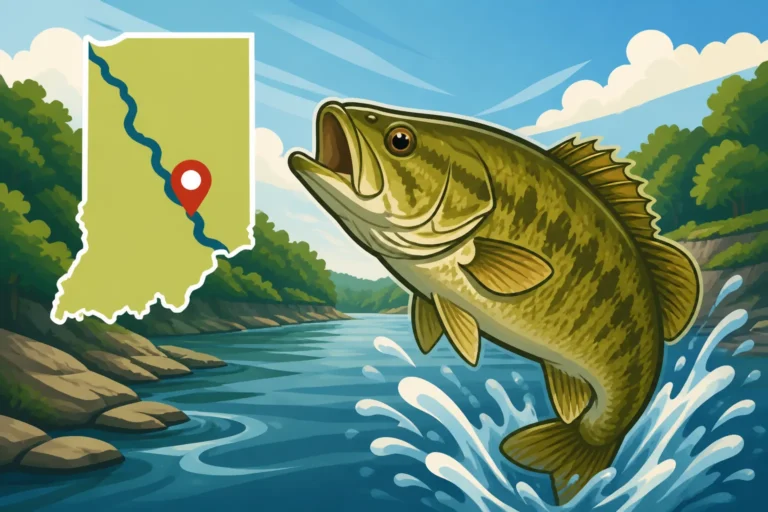
Monroe Lake, sprawling across Monroe and Brown counties, isn't just Indiana's largest inland lake; it's a true legend among bass anglers. Its sheer size and diverse habitat create an ideal environment for largemouth bass to grow to impressive proportions, making it a perennial favorite for those chasing a true lunker. If you're looking for Monroe Lake: Indiana's Largest Lake for Bass Fishing, you're also looking for trophy potential.
Why Monroe Holds Giants
What makes Monroe Lake such a consistent producer of trophy bass? It starts with the habitat. The lake boasts an incredible variety of structure: vast expanses of standing timber, particularly in the deeper creek channels and old timbered bottoms, provide cover and ambush points. There are also expansive submerged weed lines, rock piles, drop-offs, and numerous coves and points that offer perfect transitional zones for bass. This intricate underwater landscape gives big bass plenty of places to hide, hunt, and thrive. Coupled with an abundant forage base primarily consisting of gizzard shad, minnows, and crawfish, these bass have all the protein they need to pack on the pounds and reach impressive sizes. The sheer biomass of baitfish means fewer, larger bass can dominate the food chain.
Key Areas and Seasons for Trophy Bass
If you’re targeting trophy largemouth on Monroe, timing and location are everything. The spring pre-spawn period, roughly from March through May, is absolutely crucial. As water temperatures climb into the 50s and 60s, these big female bass move shallower, staging on points and secondary creek channels before heading into spawning coves. This is when they are at their heaviest and most aggressive, gorging themselves before the rigors of spawning. Focus on the main lake points, especially those with access to deeper water, and the mouths of larger coves like the North Fork or Salt Creek arm.
During these times, slow-rolling large spinnerbaits (1/2 oz or heavier with big blades) can be deadly, imitating vulnerable baitfish. Deep-diving crankbaits that can crash into submerged timber or scrape the bottom of creek channels will also entice reaction strikes from territorial bass. Don't overlook larger swimbaits, especially around defined structure, as they mimic the biggest forage items. As the season progresses into late fall, when water temperatures drop, bass will again become aggressive, feeding heavily before winter. They often move to deeper main lake points and humps where they can be targeted with jigs and spoons. Consider exploring areas near the causeway or the Paynetown State Recreation Area for various access points. For the optimal experience, knowing the Best Time to Fish Monroe Lake for Bass in Indiana can dramatically increase your success.
Patoka Lake: Southern Indiana's Trophy Bass Haven
Head south, and you'll find another jewel in Indiana's trophy bass crown: Patoka Lake. Located in Dubois, Orange, and Crawford counties, Patoka is a massive reservoir renowned for its clear waters and exceptional bass fishing. It offers a different, yet equally rewarding, experience for those intent on catching a lunker. Many anglers consider Patoka a must-visit when seeking Best Bass Fishing Lakes in Indiana.
Patoka's Structure and Forage Base
Patoka Lake is a sprawling body of water, characterized by its deep timber, ledges, and extensive, healthy weed beds. Unlike some murkier reservoirs, Patoka's generally clearer water can sometimes make the bass more wary, but it also allows for excellent sight fishing opportunities in certain conditions. This clarity often means bass rely heavily on visual cues, making natural-colored baits a wise choice. The lake bottom features a mix of rock, gravel, and submerged timber, providing diverse ambush points for predatory bass. Like Monroe, Patoka has a strong gizzard shad population, which is the cornerstone of its trophy bass fishery. The abundant shad ensure that the bass have a consistent, high-calorie food source, leading to impressive growth rates. Additionally, the presence of smaller panfish and crawfish adds variety to the bass's diet, contributing to their overall health and size.
Strategies for Landing Lunkers on Patoka
Successfully targeting trophy bass on Patoka requires a patient and strategic approach. In the spring, just like Monroe, the pre-spawn bite is phenomenal. Focus on transition areas leading into spawning flats, such as submerged points, brush piles, and shallow humps in the 5-15 foot range. Large jigs, Texas-rigged worms, and creature baits pitched into timber and brush are highly effective. The clearer water often demands a slower presentation, allowing the bass more time to inspect the bait.
During the hot summer months, trophy bass often retreat to deeper, cooler waters, concentrating around main lake ledges, deep points, and submerged timber lines, sometimes as deep as 20-30 feet. Here, football jigs, deep crankbaits, or even vertical jigging spoons can tempt them. Night fishing on Patoka can also be incredibly productive for big bass, as they become bolder under the cover of darkness. Try throwing large bladed jigs, topwater lures, or big plastic worms along weed edges and structure. If you’re looking to explore the lake with a guide, a service listed on FishingBooker might be invaluable for unlocking Patoka’s deeper secrets, especially around specific areas like the Little Patoka arm or Painters Creek. For a deeper dive into the lake's offerings, check out our Patoka Lake Fishing Guide for Bass and Crappie.
Lake Wawasee and the Glacial Lake Region: Northern Indiana's Trophy Potential
Venturing into Northern Indiana brings us to a different class of trophy bass waters: the glacial lakes. Among them, Lake Wawasee stands out as Indiana's largest natural lake, offering a unique challenge and incredible rewards for the dedicated trophy bass angler. While often overshadowed by its Muskie and Walleye reputations, Wawasee holds some truly exceptional largemouth.
Northern Indiana's Clear Water Challenge and Reward
Lake Wawasee, situated in Kosciusko County, boasts remarkably clear water, distinct depths, and an abundance of aquatic vegetation. This clarity means bass are often more wary and sight-oriented, requiring subtle presentations and longer casts. However, the healthy ecosystem, rich in baitfish like perch, bluegill, and various minnows, provides an excellent foundation for bass growth. The lake's irregular bottom contours, including numerous humps, deep weed lines, and rock structures left by ancient glaciers, create a complex and diverse habitat. These features allow bass to reach impressive sizes by ambushing prey from dense cover or deeper holding areas. Unlike the vast open water of reservoirs, Wawasee’s bass often relate tightly to specific types of cover, making precise lure placement crucial. Beyond just bass, Wawasee is also a well-known spot, as highlighted in Lake Wawasee: Indiana's Largest Natural Lake.
Specialized Tactics for Wawasee's Big Bass
Catching trophy bass on Lake Wawasee often requires finesse and a willingness to adapt. In spring, when the bass move shallow for the Best Time to Bass Spawn in Indiana, focus on flipping and pitching heavy cover like docks, lily pads, and thick submerged weeds with jigs or Texas-rigged creature baits. Due to the clear water, darker, more natural colors like green pumpkin or black and blue tend to be most effective. Stealth is key; approach quietly and make accurate casts.
During summer, as bass retreat to deeper water, drop-shotting a natural-colored worm or small finesse jig around deep weed edges (10-20 feet) or along steep breaks can be highly productive. Look for isolated clumps of cabbage or coontail grass that hold fish. Early mornings and late evenings during the summer can also produce explosive topwater action, especially over weed flats or around shallow docks. Larger walking baits or poppers can tempt a big bass to strike aggressively. For anglers seeking an edge, exploring the region's diverse lakes, and understanding the Growing Up Fast: Largemouth Bass Size Expectations in Indiana can help you refine your approach.
Other Promising Indiana Waters for Trophy Bass
While Monroe, Patoka, and Wawasee are certainly headliners, Indiana has many other excellent spots where you can hook into a trophy largemouth. The key often lies in understanding the local dynamics and tailoring your approach.
Brookville Lake and Beyond
Brookville Lake, located in southeastern Indiana near the Ohio border, is another fantastic option for trophy bass, especially for robust smallmouth bass, though it certainly holds its share of largemouth too. This reservoir, known for its clear water and steep rocky banks, offers a different challenge. Largemouth here often relate to rocky points, submerged timber, and deep creek channels. Focusing on areas with good cover and access to deeper water, particularly during the pre-spawn and fall, can yield excellent results.
Beyond these major lakes, don't overlook smaller, often quieter, public lakes and even larger private ponds throughout the state. Lakes managed by the Indiana Department of Natural Resources (IDNR) frequently receive attention, with stocking and habitat improvement programs. Places like Hardy Lake, Raccoon Lake (Cecil M. Harden Lake), and Lake Maxinkuckee all have solid reputations for bass fishing and the potential for larger fish. Sometimes, the best trophy spot is the one less traveled, a hidden gem you might discover through local intel or by booking a trip with a local guide who knows the secret spots. You can even browse local guides on FishingBooker who specialize in these techniques and could lead you to an overlooked Honey Hole.
Understanding Seasonal Patterns for Bigger Bites
Regardless of where you fish in Indiana, understanding the seasonal patterns of largemouth bass is critical for consistently catching bigger fish. Generally, the most opportune times for trophy hunting are:
- Spring (Pre-Spawn): This is arguably the best time. Big females are heavy with eggs and aggressive as they prepare to spawn. They'll be shallower, gorging themselves on available forage. Focus on transition areas, points, and coves. Refer to Bass Fishing Techniques for Pre-Spawn and Post-Spawn for a detailed breakdown.
- Fall: As water temperatures begin to drop, bass go on another feeding frenzy, bulking up for winter. They will chase baitfish actively, making power fishing techniques like crankbaits, spinnerbaits, and even topwater effective, especially around baitfish schools.
- Summer (Early Morning/Late Evening): During the heat of summer, big bass often become nocturnal or crepuscular, meaning they are most active during dawn, dusk, or even at night. During the day, they will retreat to deeper, cooler water or dense, shaded cover.
Being observant of water temperature, forage activity, and weather patterns will always give you an edge. Whether you're booking a trip through FishingBooker or heading out solo, combining knowledge of these prime locations with an understanding of seasonal bass behavior is your winning formula for a trophy catch.
| Lake | Primary Bass Species | Avg. Trophy Size (lbs) | Key Habitat | Best Season for Trophies | Notable Forage |
|---|---|---|---|---|---|
| Monroe Lake | Largemouth Bass | 5-8+ | Standing timber, weed lines | Spring, Fall | Gizzard Shad |
| Patoka Lake | Largemouth Bass | 4-7+ | Submerged timber, ledges | Spring, Fall, Summer (Night) | Gizzard Shad |
| Lake Wawasee | Largemouth Bass | 4-6+ | Deep weed lines, docks | Spring, Early Summer | Perch, Bluegill |
| Brookville Lake | Largemouth/Smallmouth | 3-5+ | Rocky banks, steep breaks | Spring, Fall | Shad, Crawfish |
Before you head out, make sure you're geared up with the right tackle. For trophy bass, this often means stronger rods, heavier line, and larger baits designed to entice a reaction from a big fish. Checking out what's available through FishingBooker might just land you on a new personal best lake with a guide who specializes in exactly the techniques and areas you need for that lunker. Remember, sometimes that biggest fish is just a cast away, especially when you're targeting the right waters. Make sure you check out Best Bait for Largemouth Bass in Indiana Lakes for more tips.
Disclaimer
The information provided in this guide is for general informational purposes only and does not constitute legal advice or guarantee fishing success. Fishing regulations and conditions in Indiana can change, so always check the latest rules and safety guidelines from the Indiana Department of Natural Resources (IDNR) before heading out.