Best Shore Fishing Spots in Indiana
Many anglers in Indiana find themselves in a bit of a bind if they don't own a boat, often assuming that the truly prime fishing locations are exclusively out in the middle of the lake. This can be a real frustration, making you feel like you're missing out on all the action and big catches just because you're stuck on the bank or a pier. But I'm here to tell you that Indiana offers an incredible wealth of fantastic shore fishing opportunities, proving you don't need a fancy rig to enjoy a successful and memorable day on the water. This guide will walk you through some of the best shore fishing spots across our beautiful state, ensuring you can cast a line from solid ground with confidence.
Northern Indiana's Diverse Shoreline Fishing
Up north, Indiana's proximity to Lake Michigan and its unique glacial lakes offer some truly special shore fishing experiences. You might think these waters are exclusively for boaters, but with a little local knowledge, you can find some fantastic bank and pier access points that put you right on the fish. It's all about knowing where to look and understanding the local nuances of each spot.
Lake Michigan Piers and Harbors
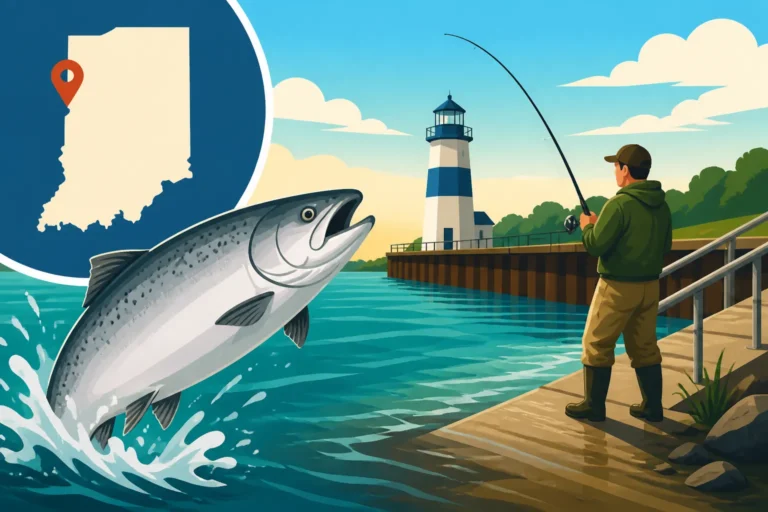
When it comes to big water and trophy fish from shore, it's hard to beat the piers and harbor areas along Indiana's Lake Michigan shoreline. Many anglers flock here, especially during the spring and fall runs, and for good reason. You can target species like Chinook and Coho salmon, steelhead (rainbow trout), brown trout, and even yellow perch right from the concrete. The Michigan City pier is legendary, drawing crowds with its deep water access and proximity to the main lake currents. Early mornings and late evenings are often the best times to avoid the biggest crowds and tie into some truly hard-fighting fish.
Another excellent option is the Portage Lakefront Park and Riverwalk, which offers access to the Burns Waterway. This area provides diverse opportunities, from fishing the deeper channels for migrating salmon and steelhead to casting into shallower areas for bass and panfish. Remember, the Lake Michigan Fishing Rules for Indiana Anglers are a bit different than the state's inland waters, so always double-check those regulations before you head out. Fishing these areas can be incredibly productive, but it also requires patience and a willingness to brave the elements, as the lake can kick up quickly.
East Chicago Marina and Hammond Lakefront Park also offer solid pier and breakwater access. These spots are fantastic for trying your luck with different techniques. Many anglers here use heavy spinning gear, casting spoons, body baits, or live bait under a bobber. The deep water available from these structures means you're often fishing the same depths as boaters, giving you a legitimate shot at some true lunkers. If you're looking for a thrill, few things beat hooking into a powerful King Salmon from a pier with waves crashing around you.
Inland Glacial Lakes Access
Indiana's glacial lakes, particularly in the northeastern part of the state, are renowned for their clear waters and diverse fish populations, including walleye, northern pike, and even muskie. While many of these lakes are dominated by private residential access, there are still some fantastic public shore fishing spots if you know where to find them. Lake Wawasee, Indiana's largest natural lake, has some limited public access points, though finding productive shore fishing here often requires some exploring to find public parks or roadsides that allow bank fishing. These can be goldmines for panfish and even bass if you hit the right spot.
Further east, in counties like Steuben and Noble, you'll find numerous smaller lakes with public access via state parks or DNR fishing sites. Pokagon State Park, for example, offers great shore fishing opportunities on Lake James and Snow Lake. These locations provide access to clear water where you can target bass, bluegill, and crappie, especially around weed lines and submerged structures. It’s a completely different experience from Lake Michigan, offering a more peaceful setting. If you’re visiting the area and want to explore more options, sometimes looking at platforms like FishingBooker can offer insights into popular local spots or even guides who might share tips on public access points you hadn't considered.
These glacial lakes are often prime territory for panfish, making them excellent choices for family outings. Casting a simple worm under a bobber near docks or lily pads can yield a steady stream of bluegill and redear sunfish. For the more adventurous, some lakes also offer decent pike and walleye opportunities from shore, particularly during twilight hours or specific seasonal movements. Think about fishing natural points, public beaches during off-hours, or any designated fishing piers. The clearer water often means you need to be a bit stealthier, using lighter lines and natural baits.
River Mouths and Tributary Access
Where rivers flow into larger bodies of water, or even in the slower stretches of the rivers themselves, shore anglers can find some phenomenal action. The St. Joseph River, especially around the South Bend area, is a prime example. This river is famous for its salmon and steelhead runs, and while boats certainly dominate, there are many public parks and access points along its banks where you can intercept these migratory fish. Casting spinners, spoons, or drifting spawn bags can be highly effective. During other times of the year, the St. Joe also offers excellent smallmouth bass and walleye fishing from shore.
Other significant river systems, like the Tippecanoe River, also provide numerous public access points. While often thought of as a canoe or kayak river, many sections have public parks or bridges that allow for bank fishing. Here, you'll find strong populations of smallmouth bass, rock bass, and channel catfish. Focusing on eddies, fallen timber, and current breaks can be highly productive. These spots often require a bit of walking to reach the best fishing holes, but the reward of a hard-fighting smallmouth in a river current is well worth the effort.
Even smaller creeks and streams that feed into larger lakes or rivers can be fantastic, though often overlooked, shore fishing spots. These tributaries often attract fish looking for warmer water, spawning grounds, or simply a break from strong currents. They’re excellent for exploring with ultralight gear for panfish or casting small jigs for opportunistic bass. Remember that while public bridges often offer access, always be mindful of private property signs and respect landowners' rights. When targeting these river systems, using a sturdy pair of waders can sometimes open up even more productive water, allowing you to reach areas inaccessible from the immediate bank.
Central Indiana's Reservoir and River Bank Access
Central Indiana might not have Lake Michigan, but what it lacks in massive Great Lake access, it makes up for with sprawling reservoirs and extensive river systems that offer superb shore fishing. These areas are often more accessible and less intimidating than the northern waters, making them perfect for a quick trip or a full day out.
Large Reservoir Shorelines
Central Indiana is home to some truly massive reservoirs, and while many anglers prefer to fish them by boat, there are plenty of spots where you can effectively fish from shore. Monroe Lake, the largest inland lake in Indiana, is a prime example. While its vastness can be daunting, areas within Paynetown State Recreation Area and Fairfax State Recreation Area offer excellent shoreline access. You can find coves and points that hold largemouth bass, crappie, bluegill, and even some catfish. Fishing near standing timber or around rip-rap can be particularly productive. Many anglers will target these areas with crankbaits, jigs, or live minnows under a bobber.
Eagle Creek Reservoir, just west of Indianapolis, is another fantastic option. With numerous public parks and access points around its perimeter, it's a great spot for urban anglers. You can find everything from largemouth bass and crappie to bluegill and channel catfish. The areas around the boat ramps and public docks can be excellent, especially in the early morning or late evening. It's an ideal place for families, as the abundance of smaller panfish keeps the action steady, preventing those "I'm bored" moments that sometimes happen with kids.
When fishing these large reservoirs from shore, don't be afraid to walk and explore. The more ground you cover, the more likely you are to find where the fish are holding. Pay attention to changes in depth, submerged cover, and areas where creeks or drains enter the main lake. Sometimes, platforms like FishingBooker, while primarily for guided trips, can offer insights from local captains about general areas that hold fish, which can then be adapted for shore fishing strategies. Understanding the Best Time of Year to Fish in Indiana for specific species will also greatly increase your chances of success from the bank.
White River and Tributary Opportunities
The White River, flowing through the heart of Indiana, provides extensive bank fishing opportunities, especially around the Indianapolis metropolitan area. While portions of it are heavily urbanized, numerous public parks, greenways, and access points along its banks offer surprisingly good fishing for smallmouth bass, channel catfish, and various panfish. Riverside Park and Broad Ripple Park in Indianapolis are popular spots, providing easy access to the river's flow. Focus on current seams, eddies behind submerged structures, and areas with deeper pockets.
Fishing the White River requires a different approach than still water. Current is your friend, as it positions the fish and carries food. Using heavier jigs, Texas-rigged worms, or bottom rigs with cut bait can be very effective for catfish. For smallmouth, casting small crankbaits or tubes around rocky areas and current breaks can yield some exciting fights. The urban sections of the river have seen significant cleanup efforts over the years, leading to a healthier fishery. Just remember to practice catch-and-release, especially for bass, to help maintain these populations.
Beyond the main stem of the White River, its numerous tributaries, like Fall Creek and Eagle Creek, also offer smaller-scale, intimate shore fishing experiences. These creeks are often overlooked but can hold surprisingly good numbers of panfish, rock bass, and even some smaller bass. Access is often easier, with bridges and roadside pull-offs providing entry. These smaller waters are fantastic for ultralight gear and exploring new spots, giving you a chance to discover your own little honey holes away from the crowds.
Local Park Ponds and Smaller Lakes
For many Hoosiers, the most accessible and often overlooked shore fishing gems are the local park ponds and smaller community lakes. Nearly every city and town in Central Indiana has at least one, if not several, public ponds that are regularly stocked and maintained by the Indiana Department of Natural Resources (DNR). These bodies of water are typically managed for a variety of species, including largemouth bass, bluegill, crappie, and often channel catfish. They are perfect for beginners, kids, or anyone just looking for a quick and convenient fishing fix.
Morse Reservoir and Geist Reservoir, while popular for boating, also have public parks and access areas that provide excellent shore fishing. These areas can be very productive for crappie, especially in the spring when they move into shallower water to spawn. Casting small jigs or minnows under a bobber near docks, fallen trees, or brush piles can lead to fast action. These smaller, more contained environments are ideal for honing your skills before tackling larger, more complex bodies of water.
The beauty of these smaller waters is their predictability and ease of access. You don't need a lot of fancy gear; a simple spinning rod, a few hooks, bobbers, and worms are often all it takes. Many of these ponds are part of city or county park systems, meaning amenities like restrooms, picnic areas, and playgrounds are readily available, making them perfect for a family fishing outing. Check your local park's regulations, as some may have specific rules regarding bait or catch limits. Fishing for Panfish Daily Limit in Indiana: 25 per Species is a common and enjoyable pursuit in these community waters.
Southern Indiana's Scenic Shore Fishing Spots
Southern Indiana, with its rolling hills, deep forests, and impressive reservoirs, offers some of the most picturesque and productive shore fishing in the state. The landscape changes dramatically here, and so do some of the fishing opportunities, making it a truly unique region for bank anglers.
Patoka Lake and Brookville Lake Access
Southern Indiana's crown jewels for fishing are undoubtedly its massive reservoirs, and Patoka Lake and Brookville Lake stand out as prime destinations. Patoka Lake, near French Lick, is Indiana's second-largest reservoir and boasts extensive public access points, campgrounds, and designated fishing areas within its state recreation area. Shore anglers can target largemouth bass, crappie, bluegill, and even some striped bass and wipers from the banks. Look for areas with rip-rap, standing timber, or rocky points that extend into the water. The Little Patoka River arm and the main lake's coves offer varied habitats.
Brookville Lake, nestled in the scenic hills of eastern Indiana, is another powerhouse fishery. While known for its excellent smallmouth bass and walleye fishing by boat, there are plenty of shore access points, especially within the Mounds State Recreation Area and the Brookville Lake Tailwater below the dam. The tailwater is particularly famous for its trout fishing, as the DNR regularly stocks it, offering a unique opportunity to catch trout from the bank in Indiana. Anglers often use PowerBait, corn, or small spinners here. Up on the main lake, numerous picnic areas and campgrounds offer shoreline access to hunt for bass, crappie, and catfish.
Fishing these large southern reservoirs from shore requires patience and a willingness to explore. The sheer size of these lakes means fish can be spread out, but by focusing on structure, changes in depth, and points of interest, you can significantly increase your chances. For crappie, try fishing around submerged brush piles or fallen trees with a small jig or minnow. For bass, casting spinnerbaits, crankbaits, or soft plastics along shorelines with cover is often productive. The Best Fishing Spots in Indiana often include these large reservoirs for their diversity and potential for trophy catches, even from shore.
Ohio River Tributaries and Backwaters
The mighty Ohio River forms Indiana's southern border, and while direct shore fishing on the main river can be challenging due to navigation and steep banks, its numerous tributaries and backwater areas offer incredible opportunities. Creeks like Tanner's Creek, Laughery Creek, and Big Indian Creek, which feed into the Ohio, can be fantastic for smallmouth bass, rock bass, and a variety of panfish. During periods of higher water or fish migrations, even larger species like sauger and striped bass might venture up these tributaries.
These creek systems often have public bridges or small parks that offer bank access. The fishing here is often about covering ground and identifying current breaks, deep holes, and rocky sections. Using small jigs, inline spinners, or natural baits like worms can be very effective. The backwaters and oxbows formed by the Ohio River's meandering course also create unique habitats. These calmer areas can be excellent for largemouth bass, crappie, and particularly for Best Catfish Fishing Spots in Indiana, where bottom rigs with cut bait or stink baits can yield some impressive catches.
Remember that fishing the Ohio River and its tributaries often means dealing with variable water levels and currents. Always check water conditions before you go, and be aware of potential hazards. The landscape around these creeks is often rugged and beautiful, making for a truly immersive outdoor experience. These spots are often less crowded than the major reservoirs, offering a more serene fishing trip for those willing to venture a little off the beaten path.
State Parks and Recreation Areas with Shoreline
Beyond the major reservoirs, many of Indiana's state parks and recreation areas in the south feature smaller lakes and ponds that are ideal for shore fishing. These locations are often meticulously maintained, providing easy access, amenities, and often stocked fish populations. Hardy Lake, for instance, offers fantastic opportunities for bass, bluegill, and crappie from its numerous accessible banks and fishing piers. It's a great spot for families, with plenty of room to spread out and enjoy nature.
O'Bannon Woods State Park, located along the Ohio River, has several ponds and access to the river itself, offering a mix of stillwater and flowing water fishing. These smaller park lakes are often less pressured than the main reservoirs, leading to more consistent action. They are particularly good for panfish, offering a steady stream of bites for anglers of all ages. Casting a simple worm or a small artificial bait near vegetation or structure can keep you busy all day.
The beauty of fishing in state parks and recreation areas is the combination of great fishing with other outdoor activities. You can easily make a day of it, combining fishing with hiking, picnicking, or wildlife viewing. These areas are also usually well-signed, making it easy to find parking and designated fishing zones. Always ensure you have your Indiana Fishing License Requirements Explained handled before heading out, as park rangers often check. These areas prove that some of the best fishing experiences are not about how remote or wild a spot is, but how well-maintained and accessible it is for everyone.
| Location Category | Example Spot | Primary Species Targeted | Best Access Type | Notes |
|---|---|---|---|---|
| Northern Lakes | Michigan City Pier (Lake Michigan) | Salmon, Steelhead, Brown Trout | Pier, Breakwater | Fall/Spring runs are key. Heavy current. |
| Northern Glacial Lakes | Pokagon State Park (Lake James) | Bass, Bluegill, Crappie | Bank, Docks, State Park Shores | Clear water, family-friendly. |
| Central Reservoirs | Paynetown SRA (Monroe Lake) | Bass, Crappie, Catfish | Bank, Designated Fishing Areas | Largest inland lake, can be vast. |
| Central Rivers | Riverside Park (White River, Indy) | Smallmouth Bass, Catfish | Bank, Greenway Access | Urban setting, current seams, structure. |
| Southern Reservoirs | Brookville Lake Tailwater | Trout, Walleye | Bank Below Dam | Regularly stocked, cold water. |
| Southern Rivers/Creeks | Tanner's Creek (Ohio River Tributary) | Smallmouth Bass, Panfish, Catfish | Bank, Bridge Access | Varies with Ohio River levels, less crowded. |
| Community Ponds | Local City Parks | Bass, Bluegill, Crappie, Catfish | Bank, Piers | Easy access, often stocked, great for kids. |
Essential Gear and Smart Techniques for Shore Anglers
Being a successful shore angler isn't just about finding the right spots; it's also about having the right gear and knowing how to adapt your techniques. Since you don't have the mobility of a boat, making smart choices with your tackle and approach becomes even more critical.
Must-Have Tackle for Bank Fishing
When you're fishing from the bank, portability and versatility are key. You can't carry a dozen different rod and reel combos like you might in a boat. A good medium-action spinning rod (6-7 feet) paired with a reliable 2500-3000 size reel spooled with 8-12 lb monofilament or fluorocarbon is a great all-around setup. This will handle everything from panfish to decent-sized bass and catfish. Having a second, lighter ultralight setup can be a game-changer for panfish, especially if the bites on your main rod are slow. Don't forget to review your options for Best Rods and Reels for Freshwater Fishing to ensure you're well-equipped.
Your tackle box should be compact but comprehensive. Focus on a variety of baits that can be cast a good distance, as you often need to reach fish holding away from the immediate bank. This includes an assortment of crankbaits, spinnerbaits, soft plastics (worms, creature baits), jigs, and spoons. For live bait, worms, minnows, or chicken liver are always solid choices. Make sure you have a good selection of hooks (various sizes), sinkers (split shot, bullet weights, egg sinkers), bobbers, and swivels. A pair of pliers for hook removal, a small pair of line cutters, and a stringer or cooler for keeping your catch fresh are also essential.
Beyond the fishing essentials, don't overlook personal comfort and safety. A comfortable backpack to carry your gear, bug spray, sunscreen, a hat, and polarized sunglasses are all must-haves. A small folding chair or bucket to sit on can make a long day on the bank much more enjoyable. And remember, especially if you're fishing near water with current or deeper banks, a personal flotation device (PFD) or at least a throwable cushion is a wise addition, even if you’re just on shore.
Adapting Techniques for Shore Success
Since you're stationary, your casting ability becomes a primary tool. Practice different casting techniques to reach various distances and angles. Fan casting – casting to different spots in a fan-like pattern around your position – is a fundamental shore fishing technique that allows you to cover a lot of water without moving. This helps you locate active fish or identify potential holding areas. Pay attention to the wind direction; casting with the wind can significantly increase your distance.
When targeting areas with current, like rivers or tailwaters, understanding how to use the current to your advantage is crucial. Instead of casting directly upstream or downstream, try casting slightly upstream and across the current, allowing your bait to drift naturally downstream through a productive zone. For still water, focus on working your bait slowly, mimicking natural prey. Don't be afraid to try different retrieval speeds and pauses to entice a bite. For example, a slow retrieve with a Texas-rigged worm can be deadly for bass tucked into cover.
Bottom fishing is another highly effective technique for shore anglers, especially when targeting catfish, carp, or even some walleye and sauger in rivers. Using a slip-sinker rig or a Carolina rig allows your bait to stay on the bottom where these fish often feed. For panfish, a simple bobber rig with a worm or small jig near cover is almost always a winner. Remember that fish are often found near cover – fallen trees, rocks, weed lines, or even shadows from bridges and docks. Casting accurately to these spots is paramount. For more detailed insights, check out a Seasonal Bait and Lure Guide for Indiana Anglers to match your offerings to the time of year.
Comfort, Safety, and Ethical Angling
Being comfortable on the bank means you'll fish longer and enjoy it more. Dress in layers, as weather can change quickly in Indiana. Sturdy, waterproof footwear is a game-changer, especially if you're exploring uneven terrain or muddy banks. Proper hydration is also crucial, so always carry enough water, especially during warmer months. Remember that sun exposure can be intense, even on cloudy days, so don't skimp on sunscreen.
Safety is paramount. Always tell someone where you're going and when you expect to return, especially if you're exploring remote areas. Be aware of your surroundings: slippery banks, swift currents, venomous snakes, and stinging insects are all potential hazards. If fishing at night, a headlamp is essential for visibility and safety. Avoid fishing during thunderstorms, and be mindful of other users of public access points, such as hikers or kayakers.
Finally, practice ethical angling. Always pack out what you pack in, leaving no trace of your visit. Properly dispose of fishing line, hooks, and other trash. Respect private property and only fish in areas with clear public access. Understand and adhere to all Indiana Fishing Regulations and Bag Limits Guide for the species you're targeting. Release fish gently if you're not planning to keep them, especially larger breeding stock. By being a responsible angler, you help preserve these amazing shore fishing opportunities for everyone.
Planning Your Indiana Shore Fishing Adventure
A little planning goes a long way in making your shore fishing trip a success. Knowing the rules, understanding the best times, and doing a bit of scouting can turn a good day into a great one.
Understanding Regulations and Licenses
Before you even think about casting a line, ensure you're properly licensed. In Indiana, most anglers aged 18 and older need a valid fishing license. There are different options available, from annual licenses for residents and non-residents to short-term licenses for those just visiting. Understanding the specific Indiana Fishing License Requirements Explained is your first step. These licenses are easily purchased online through the Indiana DNR website, over the phone, or at various authorized retailers across the state, like Walmart or local bait shops.
Beyond the license, it's absolutely critical to be familiar with the statewide and specific regulations for the waters you plan to fish. This includes bag limits, length limits, and season dates for various species. For example, the Indiana's Statewide Bass Daily Bag Limit is 5 fish combined, but specific lakes might have different rules. Panfish, like bluegill and crappie, typically have a Panfish Daily Limit in Indiana: 25 per Species, but again, check for local exceptions. Ignorance of the law is no excuse, and conservation officers do patrol, so it's always best to be informed to avoid costly fines.
Some areas might also have specific bait restrictions or gear limitations, particularly in urban ponds or sensitive ecosystems. Always check the Indiana DNR Fishing Guide, available online or at license vendors, for the most up-to-date information. If you're planning a guided trip or looking for local expertise, services like FishingBooker can sometimes offer resources on local regulations or connect you with guides who are well-versed in the specifics for any given body of water.
Best Times and Seasons for Shore Fishing
Just like with boat fishing, timing is everything for shore anglers. The "best" time can vary wildly depending on the species you're targeting and the specific location. Generally, spring and fall are prime seasons for many species in Indiana. In spring, fish move closer to shore for spawning, making them more accessible to bank anglers. Bass, crappie, and bluegill are often caught in shallower waters during this period. Fall sees many species, especially predatory fish like bass and walleye, feeding aggressively in preparation for winter, and salmon and steelhead make their migratory runs up Lake Michigan tributaries.
Summer can be challenging during the middle of the day due to heat, but early mornings and late evenings (dusk and dawn) often provide excellent action as fish move into shallower, cooler waters to feed. Night fishing can also be incredibly productive for species like catfish and walleye, especially during the hot summer months. Winter, while cold, offers unique ice fishing opportunities on many frozen lakes, but for open-water shore fishing, it's generally slower, with fish moving to deeper, more stable temperatures. Still, warm-water discharges or deeper river bends can hold fish. For a comprehensive overview, consult the Best Time of Year to Fish in Indiana for detailed seasonal breakdowns.
Tides and moon phases play a minor role in Indiana's inland fishing, but weather patterns are huge. A front moving in can often trigger a bite, while a strong cold front can shut it down. Watch the barometer, and aim for stable weather patterns or just before a front arrives. Wind can also be your friend or foe; a light chop on the water can make fish less wary, but strong winds can make casting difficult and fishing unpleasant.
Scouting and Local Knowledge
One of the greatest advantages a shore angler can cultivate is local knowledge. While guides like this provide general areas, finding the absolute best spots often comes down to personal exploration and tapping into local wisdom. Don't be afraid to visit a potential spot even if you're not planning to fish, just to observe. Look for obvious signs of fish activity, like jumping fish or baitfish schools. Identify public access points, observe where other anglers are fishing, and note any promising cover or structure along the bank.
Local bait shops are goldmines of information. The folks working there often have their finger on the pulse of what's biting, where, and on what. They can provide invaluable tips on specific techniques, current conditions, and even point you to lesser-known access points. Don't just go in and buy bait; strike up a conversation! Online fishing forums and local fishing groups on social media can also connect you with experienced anglers willing to share their knowledge. Remember, most anglers are passionate about their sport and love to talk about it.
Finally, remember that the most productive shore fishing spots are often those that require a bit of effort to reach. While city park ponds are easily accessible, the remote stretch of a river or a distant point on a reservoir might hold less pressured, bigger fish. Be prepared to walk, wear comfortable shoes, and embrace the adventure of exploring. The satisfaction of finding a honey hole all on your own, right from the bank, is one of the greatest rewards in fishing.
Disclaimer
Please note that fishing regulations, conditions, and access points can change. Always check the most current Indiana Department of Natural Resources (DNR) regulations before heading out. Fishing involves inherent risks, so please prioritize safety by wearing appropriate gear, being aware of your surroundings, and informing others of your plans. This guide is for informational purposes only and does not guarantee fishing success.