Lake Wawasee: Indiana’s Largest Natural Lake
For anglers in Indiana, the sheer size and complexity of our larger natural lakes can feel a bit overwhelming, making it tough to figure out where to even begin your fishing adventure. It’s a common frustration, really, when you're faced with miles of water and don't know the local secrets. This guide dives deep into Lake Wawasee, Indiana’s largest natural lake, offering a comprehensive look at its prime fishing spots, target species, and the best techniques to help you conquer this magnificent body of water.
Getting to Know Lake Wawasee's Unique Character
Lake Wawasee isn't just a big lake; it's a living, breathing ecosystem with a rich history and distinct features that make it a premier fishing destination. Understanding its background and physical layout is the first step to unlocking its angling potential. You can’t just show up and expect to stumble upon the best spots; knowing the lake's quirks gives you a real edge.
Historical Significance and Formation
Long before powerboats and lakeside cottages, Lake Wawasee was carved out by the massive glaciers that once covered much of Indiana. This glacial origin is precisely what gives Wawasee its unique shape, depths, and bottom structure, setting it apart from the man-made reservoirs common throughout the state. It wasn't "built" for flood control or power generation; it's a natural wonder, formed over millennia, resulting in a complex topography that holds a diverse array of fish. For generations, this lake has been a central hub for recreation and, more importantly for us, fantastic fishing. The historical context helps you appreciate that the fish here have evolved with this particular environment, influencing their behavior and where you’ll find them.
Overview of Size, Depth, and Structure
Lake Wawasee spans an impressive 3,060 acres, making it a truly expansive body of water that can feel daunting to new anglers. It’s part of a chain of interconnected lakes, including Syracuse Lake, which adds to the overall complexity of the fishery. Depths can plunge to over 20 feet in some areas, but it also boasts extensive shallow flats, weed beds, and numerous channels. This variety in structure is precisely why it supports such a diverse fish population, from shallow-water panfish to deep-dwelling walleye. You’ll find everything from sandy bottoms to rocky points and dense submerged vegetation, each attracting different species at different times of the year. Knowing these contours is key to patterning fish, which is why a good fish finder is invaluable here.
This varied terrain also means that anglers need to be adaptable. What works on a shallow, weedy bay in the morning might not work on a deeper, rocky drop-off in the afternoon. It’s a lake that rewards those who put in the time to explore and understand its nuances. The sheer scale also means there’s always a new corner to discover, making every trip an adventure.
Popular Access Points and Marinas
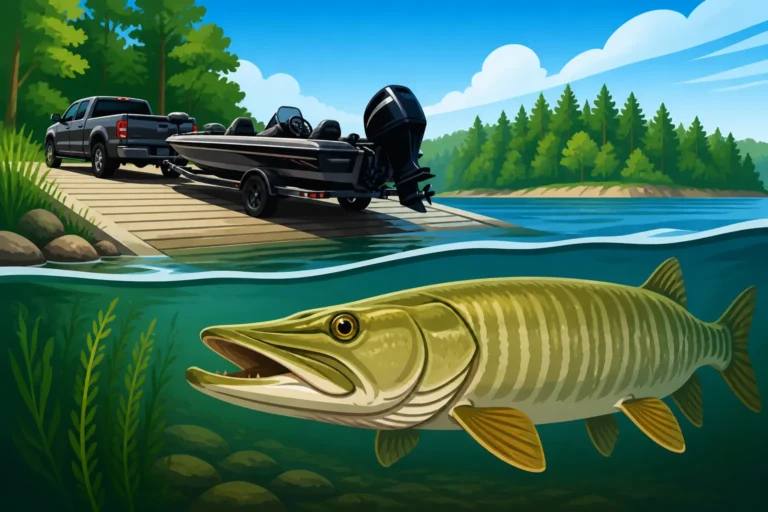
Given its size and popularity, Lake Wawasee offers numerous access points, both public and private, making it relatively easy to get your boat in the water. The Indiana Department of Natural Resources (DNR) maintains several public boat ramps that are well-maintained and provide ample parking, though they can get busy on peak summer weekends. For example, the public access site on the lake's south side is a popular choice for larger boats, offering easy launching. There are also several private marinas around the lake, such as Wawasee Boat Company or Griffith’s Wawasee Marina, which offer not only boat launching services but also bait, tackle, fuel, and even boat rentals. These spots can be great resources, especially if you’re visiting for the first time.
Beyond boat ramps, there are also various spots for shore fishing, though they might be less numerous than on smaller, public-access lakes. Public parks or specific designated fishing piers offer opportunities for those without a boat. Always check local signage, as some areas are private or have restrictions. If you’re planning a trip and need a guide or just want to explore boat rental options, platforms like FishingBooker can be incredibly helpful for seeing what's available and connecting with local experts who know the best ways to access the lake and what current conditions are like.
Prime Fishing Opportunities on Lake Wawasee
Lake Wawasee is a true multi-species fishery, offering fantastic angling for a wide array of fish. Whether you're chasing the thrill of a hard-fighting bass, the elusive walleye, or simply looking to fill a stringer with tasty panfish, Wawasee delivers. It’s not a one-trick pony; the variety is what keeps anglers coming back year after year.
Largemouth and Smallmouth Bass Hotspots
Bass fishing on Lake Wawasee is phenomenal, with both largemouth and smallmouth thriving in its diverse habitats. For largemouth, you'll want to focus on the extensive weed lines, lily pad fields, and docks that line the shore. Areas like Johnson's Bay, Conklin Bay, and the various coves around the lake are classic largemouth haunts, especially during the spring and early summer. Flipping jigs, pitching Texas-rigged plastics, or running shallow crankbaits parallel to docks can be incredibly effective. The largemouth here grow to impressive sizes, offering anglers a real challenge and the chance at a trophy fish.
Smallmouth bass, on the other hand, tend to prefer the deeper, clearer water, especially around rocky points, humps, and submerged structure. The main basin of Wawasee, particularly where it drops off into deeper water, can be excellent for smallmouth. Drop-shotting, Ned rigs, and small swimbaits are go-to presentations for these bronze beauties. They’re known for their powerful fights, often jumping clear of the water, making them a favorite sport fish. Exploring areas with contour changes on your fish finder will often reveal their preferred ambush points.
Targeting Walleye and Northern Pike
Walleye fishing on Lake Wawasee can be a bit more challenging but incredibly rewarding. These elusive predators prefer deeper, cooler water, often congregating around submerged humps, rock piles, and points that extend into the main lake basin. Early morning and late evening are prime times, as walleye are light-sensitive. Trolling with crankbaits, especially those that mimic baitfish like shiners or perch, can be very effective, especially at depths of 10-20 feet. Jigging with live bait, such as nightcrawlers or minnows, also works well when fished slowly along the bottom structure. Patience is key when targeting walleye, but the reward of their delicious fillets is worth the effort. For more specific access points, check out Lake Wawasee Walleye Fishing Access Points.
Northern pike are another exciting species to target in Wawasee, known for their aggressive strikes and sharp teeth. They ambush prey from dense weed beds and submerged timber, so look for them in shallower bays with heavy cover. Spinnerbaits, large spoons, and jerkbaits are excellent choices for enticing a strike. Focus on areas with healthy aquatic vegetation, particularly where there are slight breaks or edges. The thrill of a pike hitting your lure is unforgettable, and Wawasee offers plenty of opportunities for anglers seeking these toothy predators. You can learn more with a Lake Wawasee Northern Pike Fishing Guide.
Crappie and Panfish Havens
For a more relaxed but equally productive day on the water, Lake Wawasee's crappie and other panfish populations are abundant. Black crappie are particularly sought after, schooling around submerged brush piles, bridge pilings, and the deeper edges of weed beds. In the spring, they move into shallower water to spawn, making them easier to target near docks and fallen timber. Small jigs tipped with a minnow or a soft plastic, fished under a bobber, are deadly effective. Many anglers find success by slowly drifting over known crappie haunts or by spider rigging multiple rods. Learn more about prime locations at Lake Wawasee Crappie Fishing Spots.
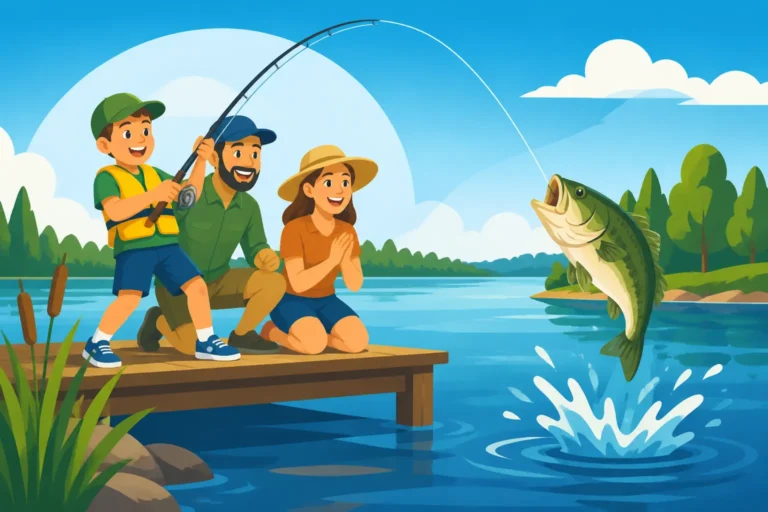
Bluegill, redear sunfish, and yellow perch are also plentiful, making Wawasee a fantastic destination for family fishing trips or for beginners. These panfish are often found in shallower water near docks, lily pads, and weed edges. A simple setup with a small hook, a piece of a nightcrawler or wax worm, and a bobber is often all it takes to catch a mess of these tasty fish. They provide consistent action and are perfect for introducing kids to the joys of fishing. Wawasee really shines as a Family Fishing Spots on Indiana's Largest Natural Lake.
Essential Gear and Techniques for Wawasee Success
Having the right gear and knowing how to use it effectively can make all the difference between a frustrating day and a fantastic one on Lake Wawasee. Because of the lake's diverse species and habitats, a versatile approach to tackle is often best. Don't be that angler showing up with just one rod and expecting to catch everything!
Recommended Rods, Reels, and Line for Specific Species
For largemouth bass, a medium-heavy to heavy power casting rod (6'6" to 7'6") paired with a baitcasting reel is ideal. Spool it with 15-20 lb fluorocarbon or 30-50 lb braided line, especially if you're punching through thick cover. This setup gives you the power to pull big bass out of heavy weeds and handle aggressive strikes.
When targeting smallmouth bass, a medium-light to medium power spinning rod (6' to 7') with a fast action tip is perfect for detecting subtle bites. Pair it with a 2500 or 3000 series spinning reel spooled with 8-12 lb fluorocarbon or braided line with a fluorocarbon leader. This lighter setup allows for longer casts with smaller lures and provides better sensitivity.
For walleye and northern pike, you'll want a medium to medium-heavy power rod, typically 6'6" to 7'6", whether spinning or baitcasting, depending on your preferred technique. For walleye, 10-15 lb fluorocarbon or monofilament is common for trolling. For pike, stepping up to a 17-20 lb fluorocarbon or a heavier braid with a wire leader is crucial due to their razor-sharp teeth. Don't skimp on the wire leader for pike, or you'll be donating a lot of lures to the lake!
Crappie and panfish require much lighter tackle. An ultralight or light power spinning rod (5' to 6'6") with a small 1000 or 2000 series reel spooled with 4-6 lb monofilament or fluorocarbon is ideal. This delicate setup allows for excellent presentation of tiny jigs and baits, making the fight even more enjoyable.
Best Baits and Lures for Lake Wawasee
Lake Wawasee's fish respond well to a variety of baits and lures, but having a few staples in your tackle box will definitely increase your odds.
For bass:
- Soft Plastics: Senkos, creature baits (like the Gary Yamamoto Senko or Zoom Brush Hog), and plastic worms rigged Texas-style or Carolina-style are indispensable for pitching into cover or around docks.
- Crankbaits: Squarebill crankbaits for shallow cover, and deeper-diving crankbaits for covering open water points and humps. Brands like Strike King and Rapala offer excellent options.
- Jigs: Flipping jigs, swim jigs, and football jigs are all effective for different situations, often tipped with a craw-style trailer.
- Topwater Lures: Frogs, poppers, and walking baits (e.g., Heddon Super Spook) can be explosive during low light conditions or over shallow grass.
For walleye:
- Crankbaits: Jointed Rapalas, deep-diving Shad Raps, and Berkley Flicker Shads in natural baitfish colors or bright perch patterns work well for trolling.
- Jigs: Finesse jigs tipped with a minnow or Gulp! Alive! minnow imitation, fished slowly along the bottom, can be deadly.
- Live Bait: Nightcrawlers on a worm harness and live minnows on a slip bobber or jig head are classic walleye producers.
For northern pike:
- Spinnerbaits: Large inline spinnerbaits with flashy blades (e.g., Mepps Aglia or Bucher Tail) are excellent for covering water.
- Spoons: Red & white Dardevles or silver/gold spoons are traditional pike catchers.
- Jerkbaits: Large suspending jerkbaits can draw vicious strikes when twitched aggressively.
- Wire Leaders: Again, don’t forget these. Pike will bite through standard mono or fluoro in an instant.
For crappie and panfish:
- Small Jigs: 1/32 oz to 1/16 oz jigs in black, white, chartreuse, or pink, often tipped with a tiny soft plastic grub or tube.
- Live Bait: Crappie minnows, wax worms, red worms, or small pieces of nightcrawler fished under a bobber.
- Tiny Spinners: Micro spinners can also entice panfish, especially bluegill and perch.
Navigational and Sonar Tips for This Large Lake
Navigating a large lake like Wawasee requires more than just a map; a good understanding of its underwater topography is essential for finding fish. A reliable fish finder with GPS and mapping capabilities is almost a necessity. This will allow you to:
- Identify Structure: Pinpoint those crucial submerged humps, rock piles, old creek channels, and weed lines that attract fish. Look for sudden depth changes or hard bottom readings.
- Mark Waypoints: Once you find a productive area, mark it on your GPS. This allows you to return to the exact spot on future trips, which is invaluable on such a vast lake.
- Locate Baitfish: Fish finders show schools of baitfish, which are often surrounded by predatory game fish. If you see a lot of activity, it's worth dropping a line.
- Observe Thermoclines: In deeper sections, the fish finder can reveal temperature layers (thermoclines), which often concentrate fish.
Beyond sonar, always pay attention to navigational markers and buoys. Wawasee has a lot of boat traffic, especially in summer, so respecting speed limits in marked areas and being aware of other boaters is crucial for safety. The channels connecting different parts of the lake can be shallow, so proceed with caution, especially if you're unfamiliar with the area. Learning the Best Fish Finders for Indiana Lake Fishing can really boost your success rate on a lake this size.
Seasonal Fishing Strategies for Lake Wawasee
Fish behavior changes dramatically with the seasons, influenced by water temperature, available food, and spawning cycles. To consistently catch fish on Lake Wawasee, you need to adapt your strategies throughout the year. What works in April certainly won't cut it in August.
Spring Spawn Frenzy
Spring is arguably one of the most exciting times to fish Lake Wawasee, as many species become highly active with warming water temperatures. As the ice recedes and water temperatures climb into the 40s and 50s Fahrenheit, fish begin to move into shallower areas, driven by their instinct to spawn.
- Bass: Largemouth bass will stage in pre-spawn areas, often just outside of their spawning flats, feeding heavily before moving onto beds when water temperatures hit the mid-50s to low 60s. Smallmouth will follow similar patterns, often favoring rocky shorelines and points. Shallow crankbaits, spinnerbaits, and slow-rolled jigs can be very effective in these pre-spawn periods. Once on beds, sight fishing with soft plastics or jigs can be productive, but remember to practice catch and release to protect the future of the fishery.
- Crappie: Crappie move into incredibly shallow water during their spring spawn, often found around docks, submerged brush, and fallen trees. This is a fantastic time for tight-lining small jigs or minnows under a bobber. Focus on sheltered coves and canals where the water warms up faster.
- Walleye: While walleye spawn much earlier, often right after ice-out, they remain active in spring, feeding aggressively to recover. They can be found near rocky areas and current breaks, making early spring a good time for jigging or slow-trolling.
The spring on Wawasee is a period of high energy, and the fish are often aggressive. It's a great time to be on the water, but always be mindful of spawning fish and handle them with care. The Best Time of Year to Fish in Indiana will give you a broader context for all seasons.
Summer Patterns and Night Fishing
As summer heat sets in and water temperatures soar into the 70s and 80s, fish on Lake Wawasee often move deeper to find cooler, more oxygenated water or retreat into dense cover. This can make daytime fishing more challenging, but it also opens up exciting opportunities, especially for night fishing.
- Bass: Largemouth will relate heavily to dense weed beds, shaded docks, and deeper structure during the day. Punching jigs or heavy Texas rigs through matted vegetation can be effective, as can deep crankbaits or Carolina rigs fished on main lake points. As the sun sets, bass often move into shallower water to feed, making topwater lures incredibly exciting after dark. Smallmouth will stick to deep rock piles and humps.
- Walleye: During the day, walleye will hold to deep humps and ledges. Trolling deep-diving crankbaits or jigging spoons can tempt them. However, walleye are notorious for becoming much more active after dark, especially on calm, moonlit nights. Trolling stickbaits or casting shallow-running crankbaits in areas adjacent to deep water can be lights out.
- Catfish: Summer nights are prime for catfish on Wawasee. Look for them in deeper holes or along the bottom of channels. Cut bait, worms, or stink baits fished on the bottom are highly effective.
Summer fishing often means early mornings, late evenings, or even full-on night excursions. The boat traffic can be intense during the day, so these low-light periods also offer a much more peaceful experience.
Fall Feeding Blitz and Winter Ice Fishing Potential
Fall brings cooler temperatures, less boat traffic, and a renewed feeding frenzy as fish prepare for winter. The turnover of the lake's water column can initially scatter fish, but once it stabilizes, fishing can be exceptional.
- Bass: Both largemouth and smallmouth bass gorge themselves on baitfish during the fall. They often school up and chase bait in open water or along prominent points and humps. Crankbaits, spinnerbaits, and jerkbaits are excellent for covering water and triggering strikes. Look for schooling baitfish on your sonar, and the bass won't be far behind.
- Walleye and Northern Pike: Fall is a fantastic time for larger walleye and pike. They become incredibly aggressive, chasing larger baitfish. Trolling large crankbaits or casting big jerkbaits and swimbaits can entice trophy-sized fish. Focus on main lake points, sharp drop-offs, and areas with submerged timber.
- Panfish: Crappie, bluegill, and perch will also congregate in deeper schools as water temperatures drop, often near structure. Vertical jigging small spoons or jigs can be very productive.
When winter descends and Lake Wawasee freezes over, it transforms into an ice fishing paradise. Always prioritize safety and check ice thickness before venturing out. Once safe, ice fishing offers unique opportunities. Perch and bluegill are often caught through the ice, and patient anglers can even tempt walleye or pike with tip-ups or jigging spoons. Fishing through the ice on a serene winter day is an experience all its own, offering a peaceful solitude rarely found during other seasons.
Lake Wawasee's Ecosystem and Conservation
Understanding the natural environment of Lake Wawasee goes beyond just knowing where the fish are; it involves appreciating the delicate balance of its ecosystem and doing our part to protect it. A healthy lake means healthy fish for years to come.
Understanding Aquatic Vegetation and Fish Habitats
Lake Wawasee boasts a significant amount of natural aquatic vegetation, and this isn't just "weeds" to be avoided; it's the lifeblood of the lake's ecosystem. Healthy weed beds, including various species like coontail, pondweed, and lily pads, provide crucial habitat for baitfish, insects, and juvenile game fish. They offer shelter from predators, spawning grounds, and a rich feeding environment.
- Importance of Weeds: For bass, crappie, and pike, these weed lines are ambush points. Learning to fish the edges, pockets, and lanes within these weed beds is a fundamental skill on Wawasee. Don't be afraid to fish right in them, using weedless presentations. They oxygenate the water and filter out pollutants, maintaining water clarity and quality.
- Man-made Structure: Beyond natural vegetation, man-made structures like docks, boat lifts, and even old submerged Christmas trees (often placed by local conservation groups to enhance fish habitat) provide additional cover. These can be incredible magnets for crappie, bluegill, and even bass.
- Bottom Composition: The lake's glacial origins mean a varied bottom, from soft muck in shallow bays to hard sand and rocky areas in deeper parts. Understanding how different fish species relate to these bottom compositions is key. Walleye, for instance, often prefer harder, rocky bottoms, while largemouth might be found over softer, vegetated areas.
Local lake associations and the Indiana DNR actively manage aquatic vegetation, sometimes through controlled harvesting or herbicide application, to maintain boat access while preserving essential fish habitat. It's a constant balancing act to ensure both recreation and ecological health.
Local Regulations and Sustainable Fishing Practices
Fishing on Lake Wawasee, like any body of water in Indiana, requires adherence to state-wide fishing regulations. This includes having a valid Indiana Fishing License Requirements Explained, respecting size and bag limits for various species, and knowing any specific rules that might apply to Wawasee itself. Always double-check the current Indiana DNR fishing guide before heading out, as regulations can change.
Table: Common Fish Species and General Regulations on Lake Wawasee (Always Check Current DNR Guide)
| Species | Minimum Length | Daily Bag Limit | Notes |
|---|---|---|---|
| Largemouth Bass | 14 inches | 5 combined | State-wide, includes smallmouth. |
| Smallmouth Bass | 14 inches | 5 combined | State-wide, includes largemouth. |
| Walleye | 14 inches | 6 | Some lakes may have special regulations; check local rules. |
| Northern Pike | 24 inches | 3 | |
| Crappie (Black) | No minimum | 25 | |
| Bluegill | No minimum | 25 | Also applies to Redear Sunfish. |
Sustainable fishing practices are crucial for ensuring that Lake Wawasee remains a thriving fishery for future generations.
- Catch and Release: Consider practicing catch and release, especially for larger breeding fish, or for species you don't intend to eat. Proper handling, minimizing time out of water, and using de-hooking tools are vital.
- Respect Bag Limits: Only keep what you need and what is legally allowed. These limits are in place to protect fish populations.
- Litter Prevention: Pack out everything you pack in. No one wants to fish in a litter-strewn lake. Monofilament fishing line is particularly dangerous to wildlife.
- Boater Education: If you’re operating a motorboat, consider taking an Indiana Boater Education Course Requirements to ensure you understand safe boating practices, which also contribute to a healthy, enjoyable lake environment for everyone.
- Clean, Drain, Dry: To prevent the spread of invasive species, always clean your boat, trailer, and fishing gear, drain all water, and allow everything to dry thoroughly before moving to a different body of water. This simple act helps protect Wawasee's delicate ecosystem.
By understanding the lake's unique features, adapting your techniques to the seasons, and practicing responsible angling, you can ensure that your Lake Wawasee fishing adventures are not only successful but also contribute to the long-term health of this incredible natural resource. If you're looking to plan a trip, or even book a local guide who knows all the ins and outs, resources like FishingBooker can help you find options for an unforgettable experience on Indiana's largest natural lake.
Disclaimer
The information provided in this guide is for general informational purposes only and is subject to change. Always consult the official Indiana Department of Natural Resources (DNR) regulations and local authorities for the most current rules and guidelines before fishing. Fishing conditions, fish populations, and access points can vary.