Monroe Lake: Indiana’s Largest Lake for Bass Fishing
You know that feeling, right? You've got that itch to chase some serious largemouth bass, but finding a spot in Indiana that consistently delivers trophy potential and diverse fishing can feel like searching for a needle in a haystack. Well, I'm here to tell you that Indiana's largest inland lake, Monroe Lake, is exactly what you've been looking for, and this guide is going to walk you through everything you need to know to make your next bass fishing trip a smashing success.
Why Monroe Lake Reigns Supreme for Bass Anglers in Indiana
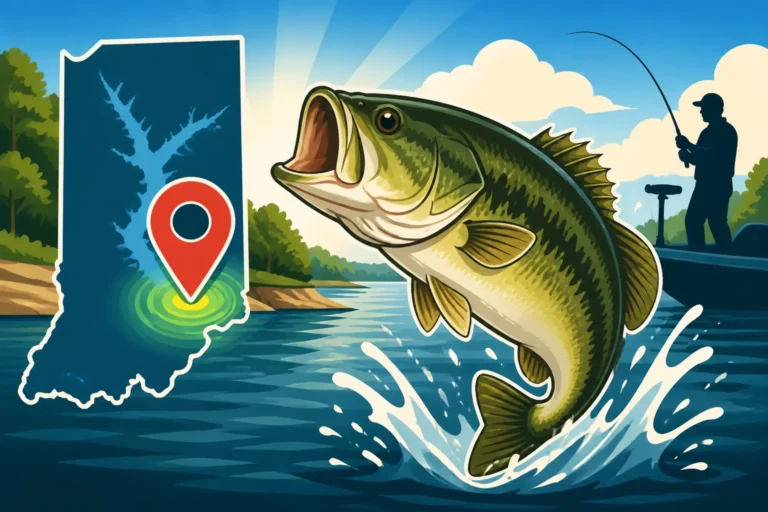
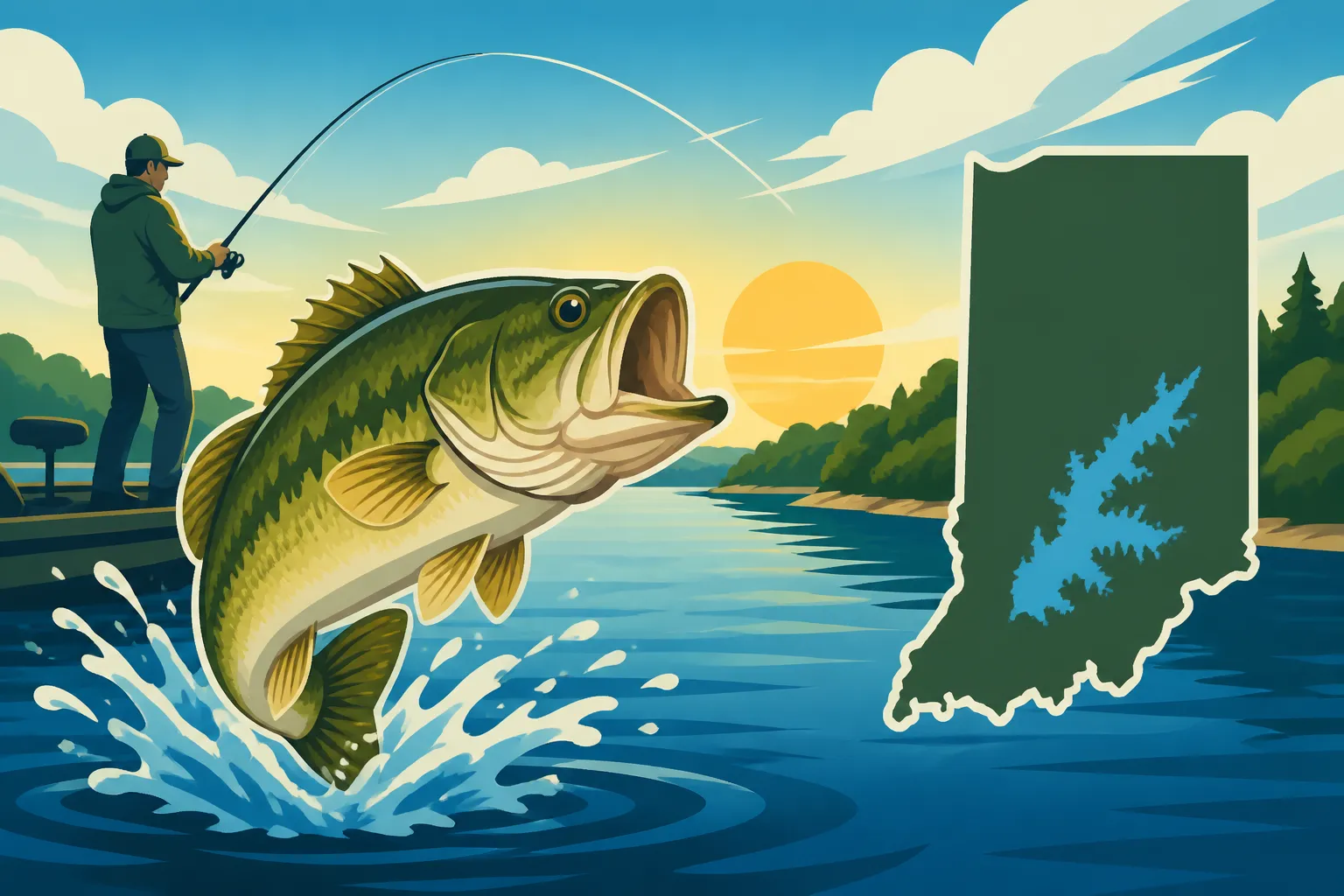
Monroe Lake, sprawling across more than 10,750 acres near Bloomington, isn't just a big puddle; it's a true bass factory. Its sheer size and complex underwater topography create an ideal environment for largemouth bass to thrive, offering anglers endless opportunities to explore and discover their next favorite honey hole. It’s no wonder it consistently ranks high when people talk about the Best Bass Fishing Lakes in Indiana.
Unmatched Size and Diverse Habitat
What really sets Monroe Lake apart is its incredible diversity of habitat. We're not talking about a simple bowl-shaped reservoir here. Monroe is a maze of flooded timber, stump fields, creek channels, rocky points, and expansive flats. This variety means that no matter the season, no matter the water level, there's always a productive pattern to be found. The bass have so many places to hide, ambush prey, and spawn, making it a truly dynamic fishery.
Think about it: one day you might be flipping jigs into dense flooded hardwoods on the north end, and the next you could be slow-rolling a spinnerbait along a deep rock ledge near the dam. This ever-changing landscape keeps things exciting and demands a versatile approach from anglers. It’s this intricate ecosystem that supports such a robust bass population, allowing them to grow big and strong.
The sheer volume of water also helps stabilize water temperatures and oxygen levels, even during the hottest summer months. This resilience ensures a healthy environment for bass year-round, contributing to their impressive growth rates and overall vitality. It truly feels like a wild fishery, despite being a man-made reservoir.
Thriving Largemouth Population and Trophy Potential
Monroe Lake isn't just about catching a lot of bass; it's about catching big bass. The lake is renowned for its healthy population of largemouth, with many anglers routinely reporting catches in the 3-5 pound range, and genuine trophies over 7 pounds making appearances every season. The nutrient-rich waters and abundant forage base, including shad, bluegill, and various minnows, fuel this impressive growth.
The Indiana Department of Natural Resources (DNR) actively manages the fishery, ensuring sustainable practices and maintaining a robust population. You’ll often hear stories from local guides and tournament anglers about the consistent quality of the bass here, which is a testament to both the lake's natural productivity and careful management. If you're serious about figuring out Where to Catch Trophy Bass on Monroe Lake, you'll want to spend some serious time mapping out the deeper creek channels and vast timber stands.
There’s a real sense of accomplishment when you land a Monroe Lake largemouth. They fight hard, jump high, and truly test your angling skills. Whether you're a seasoned pro chasing that personal best or a weekend warrior looking for some exciting action, Monroe Lake consistently delivers on its promise of excellent bass fishing.
Key Bass Fishing Spots and Structures on Monroe Lake
Navigating Monroe Lake's vastness can be a little overwhelming at first, but once you understand the key types of structures and areas that hold bass, you’ll start to unlock its secrets. Bass, like us, appreciate good cover and a convenient food source, and Monroe has both in spades. Knowing where to focus your efforts will significantly increase your chances of success.
Productive Coves and Creek Channels
Many of Monroe Lake's most productive bass fishing spots are found within its numerous coves and the submerged creek channels that wind through them. These areas offer protection from wind, shallower water that warms faster in spring, and plenty of cover in the form of laydowns and brush. The old creek channels, now submerged, act as highways for bass, especially during seasonal migrations.
In spring, these coves become critical spawning grounds. As water temperatures climb into the 50s and 60s, bass move into these shallower, protected areas to build nests. Look for signs of activity around submerged trees, stumps, and even rocky banks. Later in the season, these same coves provide shade and ambush points as bass chase schools of baitfish. A good map with contour lines is invaluable for identifying these old creek beds, which often have steeper drops and deeper holes nearby that hold bass year-round.
Fishing the mouths of these coves, especially where the creek channel narrows or intersects with main lake points, can be extremely productive. Bass will stage here before moving in to spawn or feed, and then retreat to deeper water when conditions dictate. These areas are also fantastic places to explore during early mornings or late evenings when bass are more actively feeding.
Submerged Timber and Brush Piles
If there’s one characteristic that defines Monroe Lake bass fishing, it’s the incredible amount of submerged timber. When the lake was impounded, vast forests were flooded, leaving countless trees and stumps beneath the surface. This timber provides unparalleled cover for bass, offering shade, protection from predators, and prime ambush points for unsuspecting prey.
Flipping and pitching jigs or Texas-rigged plastics into this dense cover is a classic Monroe Lake technique. It’s not for the faint of heart, as snags are inevitable, but the rewards can be substantial. Bass will often bury themselves deep within these submerged forests, especially during bright sunny days or when seeking refuge from boating traffic. Focus on the edges of the timber lines, especially where they drop off into deeper water, or isolated clumps of trees that stand out.
Beyond the natural timber, many anglers and local conservation groups have added artificial brush piles and fish attractors over the years. These man-made structures are often strategically placed along creek channels or on flats, creating additional habitat that concentrates bass. If you can locate a few of these, perhaps by chatting with a local bait shop or guide, you’ll likely find consistent action. Just be prepared to lose some tackle – it's the price of fishing where the big ones live!
Main Lake Points and Deep Water Access
While coves and timber are great, don’t overlook the main lake points and areas with quick access to deeper water. These spots become especially important during summer and winter, or when bass are chasing pelagic baitfish. Main lake points often extend into deeper water, providing bass with easy access to both shallow feeding grounds and cooler, more stable depths.
Look for points with rocky bottoms, gravel patches, or scattered timber. Bass will often relate to the deepest part of the point, moving up onto the shallower shoulders to feed during low light conditions or periods of increased activity. These areas are excellent for throwing crankbaits, spoons, or even dragging a football jig. Using your fish finder to identify transitions from rock to mud, or submerged irregularities on these points, can be key.
During the warmer months, when surface temperatures rise, bass will seek refuge in the cooler, oxygenated waters found deeper. Focus on steep drops, channel swings, and areas where the main lake basin connects to productive structures. Trolling deep-diving crankbaits or using drop-shot rigs can be very effective in these deeper zones. These deeper main lake areas also provide essential refuge during periods of high pressure, allowing bass to remain comfortable and accessible to anglers willing to explore.
Essential Techniques and Baits for Monroe Lake Bass
Monroe Lake demands a versatile angler. What works in one season or even one part of the lake might be completely ineffective elsewhere. Having a solid understanding of seasonal patterns and a diverse tackle box will give you a significant edge when targeting Monroe’s impressive bass.
Springtime Strategies for Spawning Bass
Spring is arguably the most anticipated time for bass fishing on Monroe Lake. As the water warms, bass move from their deeper winter haunts into shallower coves and creek arm pockets, preparing for the spawn. This pre-spawn period is when bass are often at their heaviest, gorging themselves before the rigors of reproduction.
During the pre-spawn, focus on the mouths of coves and protected flats where bass will stage. Crankbaits in crawfish patterns, lipless crankbaits, and jerkbaits can be incredibly effective as bass are actively chasing bait. As the water temperature creeps into the mid-50s, you’ll want to start looking for bedding fish in the shallowest, warmest areas. Sight fishing can be productive if the water clarity allows, but flipping jigs or soft plastics into visible cover is a more common approach. The Best Bass Fishing Techniques for Pre-Spawn often involve slow, deliberate presentations near cover.
Once bass are actively spawning, they become very protective of their nests. Presenting a creature bait or a wacky-rigged Senko right on the bed can often provoke a strike, even if it’s more out of aggression than hunger. Remember to practice catch-and-release with spawning bass to help preserve the fishery. After the spawn, bass will often move to slightly deeper cover in the same areas, recovering and looking for an easy meal. Spinnerbaits and chatterbaits can be excellent for these post-spawn fish.
Summer Patterns and Deep Water Tactics
When summer temperatures really heat up, Monroe Lake bass often shift to deeper water, seeking cooler temperatures and stable oxygen levels. This doesn't mean the fishing shuts down; it just means you need to adjust your tactics. Early mornings and late evenings can still offer shallow water opportunities, but during the bright, hot parts of the day, the fish will be deep.
Focus on offshore humps, deep points, main lake channel swings, and submerged timber in 15-30 feet of water. Electronics are crucial for locating these deeper structures and identifying schools of baitfish or concentrations of bass. Carolina rigs, football jigs, and deep-diving crankbaits are prime choices for covering these deeper areas. Don’t be afraid to experiment with different retrieve speeds and bait colors, as bass can be finicky in summer. Understanding the Best Lures for Summer Fishing on Monroe will make a huge difference.
Another excellent summer tactic is "dock fishing." Monroe Lake has many private docks, and the pilings and shade they provide can be magnets for bass. Skipping jigs or soft plastics far under these docks can lead to some exciting bites. Furthermore, night fishing becomes a popular and highly productive option during the peak of summer, as bass move shallower to feed under the cover of darkness. Topwater baits, spinnerbaits, and swim jigs worked around lighted docks or shallow flats can provide some memorable action after the sun goes down.
Fall Transition and Aggressive Feeding
Fall on Monroe Lake is a period of transition, but it can also offer some of the most exhilarating bass fishing of the year. As water temperatures begin to cool, bass become incredibly active, feeding aggressively in preparation for winter. This "fall bite" is something every bass angler looks forward to.
Initially, bass will follow baitfish into the backs of creek arms and coves as the forage moves shallower. Crankbaits, spinnerbaits, and Chatterbaits are excellent choices for covering water and mimicking baitfish. Look for schooling activity on the surface, especially during low light conditions – where there are feeding baitfish, there are usually hungry bass not far behind. Jerkbaits also become incredibly effective as the water cools, mimicking injured baitfish that bass can't resist.
As fall progresses and water temperatures drop further, bass will start to move out of the shallow creek arms and stage on main lake points and channel swings. Vertical jigging spoons, drop-shot rigs, and football jigs can be highly productive on these deeper structures. The bass will often hold tight to cover, so precise presentations are key. This period can also be a fantastic time to land a true trophy, as bass are focused on putting on weight. Remember that your Indiana Fishing License Year Explained starts April 1st, so make sure your license is current for these amazing fall trips!
| Season | Typical Water Temp Range | Prime Locations | Recommended Baits/Techniques |
|---|---|---|---|
| Spring | 50-65°F (10-18°C) | Spawning Coves, Creek Mouths, Flats | Jigs, Soft Plastics (Texas/Wacky Rig), Crankbaits, Jerkbaits |
| Summer | 70-85°F (21-29°C) | Deep Points, Offshore Humps, Submerged Timber, Docks | Carolina Rigs, Football Jigs, Deep Cranks, Drop Shots, Topwater (night) |
| Fall | 55-70°F (13-21°C) | Creek Arm Backs, Main Lake Points, Channel Swings | Crankbaits, Spinnerbaits, Jerkbaits, Jigs, Spoons |
| Winter | 35-45°F (2-7°C) | Deep Channels, Warm Water Discharges, Vertical Drops | Finesse Jigs, Blade Baits, Spoons, Slow Rolling Jigs |
Navigating Monroe Lake: Ramps, Access, and Boating Tips
Monroe Lake's size is a huge asset for fishing, but it also means you need to be prepared for navigation and access. With so many acres of water, knowing where to launch and how to safely traverse the lake is essential for a productive and enjoyable trip.
Best Boat Ramps for Bass Anglers
Monroe Lake offers several excellent public boat ramps, each providing access to different sections of the lake. Choosing the right ramp can often put you closer to your preferred fishing grounds, saving you valuable time on the water. For bass anglers, certain ramps offer quicker access to key areas.
One of the most popular and well-maintained ramps is the Paynetown State Recreation Area ramp. Located on the north side of the lake, it provides easy access to some of the sprawling shallow flats and timber-filled coves that are bass magnets, especially in spring. It has multiple lanes and ample parking, making it a favorite for tournament anglers. Another great option is the Cutright SRA ramp, further west, which puts you in proximity to more extensive flooded timber and channel swings, excellent for summer and fall fishing. If you want to check out the specifics, we have a detailed guide on the Best Boat Ramps on Monroe Lake in Indiana.
The Fairfax SRA ramp is also a solid choice, offering access to the central part of the lake and its deeper channels. No matter which ramp you choose, always check the current lake levels, especially during periods of drought or heavy rain, as some ramps can become difficult to use if the water is extremely high or low. Most ramps have courtesy docks, but during peak season, they can get busy, so be patient and courteous to other boaters.
Shore Fishing Opportunities and Kayak Access
Not everyone has a fancy bass boat, and that's perfectly okay! Monroe Lake still offers some fantastic opportunities for shore anglers and kayak enthusiasts. While shore access is more limited than boat access due to the lake's topography and surrounding state recreation areas, there are still productive spots to cast a line.
Paynetown SRA and Fairfax SRA both offer designated shore fishing areas, sometimes with piers or accessible banks. These spots are often near brush piles or natural points that extend into the lake, providing decent casting range. These locations are particularly popular during the spring and fall when bass are shallower and more accessible from shore. If you're planning a trip focusing on bankside angling, checking out Monroe Lake Shore Fishing Access Points can give you a head start.
For kayak and canoe anglers, Monroe Lake is a dream. The ability to silently paddle into tight coves and shallow timber, areas inaccessible to larger boats, gives you a distinct advantage. Launching from any of the main ramps is easy, but you can also find smaller, less developed access points that are perfect for non-motorized crafts, often along county roads that dead-end at the water. Always wear your life jacket, as even calm waters can become choppy quickly on a lake of this size.
Boating Safety and Navigational Hazards
Monroe Lake is a large body of water, and while it's generally safe, it's crucial to practice good boating safety. The main hazard, especially for those unfamiliar with the lake, is the extensive submerged timber. These stumps and trees are everywhere, particularly outside the marked main channels, and can cause significant damage to props and lower units if you're not careful.
Always respect the navigation markers and buoy lines. If you're venturing into unfamiliar territory, slow down and keep an eye on your depth finder. Investing in a good GPS map unit with detailed lake contours and hazard markings is highly recommended. Pay attention to weather forecasts; sudden thunderstorms can whip up quickly on large lakes, creating dangerous conditions with high waves. High winds can make boating challenging and even hazardous.
Another consideration is the presence of other boaters. Monroe Lake is popular for all kinds of water sports, from pleasure boating to jet skiing. Be mindful of personal watercraft and other boaters, especially during weekends and holidays. Always maintain a safe distance, observe "no wake" zones, and carry all required safety gear, including enough life jackets for everyone on board, a fire extinguisher, and a whistle or horn. It's a vast and beautiful lake, but respecting its power and other users ensures everyone has a great time.
Planning Your Ultimate Bass Trip to Monroe Lake
A successful fishing trip is often born from good planning. While Monroe Lake offers fantastic bass fishing, understanding the best times to go, considering professional help, and ensuring you have the right gear will elevate your experience from good to absolutely phenomenal.
Best Times to Visit for Peak Bass Action
While you can catch bass on Monroe Lake year-round, certain seasons offer peak action. As we've discussed, spring (April-May) is prime for pre-spawn and spawning bass in the shallower coves. This is when many anglers target their biggest fish of the year. The early summer (June) can also be excellent as bass recover from the spawn and move into their aggressive post-spawn patterns.
Fall (September-October) provides another incredible window of opportunity. As water temperatures cool, bass feed heavily, often school up, and can be caught using a variety of aggressive tactics. This is often described as the "second spring" for bass fishing, offering consistent action. If you're trying to figure out the exact sweet spot, you should check out the Best Time to Fish Monroe Lake for Bass in Indiana.
Mid-summer (July-August) can be challenging during the heat of the day, pushing bass deeper or making them nocturnal. However, early morning, late evening, and night fishing can still be highly productive. Winter fishing (December-March) is often slower but can yield some truly massive bass for those willing to brave the cold and employ finesse tactics in deep water. In short, there's always an opportunity, but spring and fall are generally the most consistent for numbers and size.
Hiring a Local Guide or Charter
For anglers who are new to Monroe Lake, or those looking to quickly learn its nuances and increase their chances of success, hiring a local fishing guide is an invaluable investment. A professional guide lives and breathes Monroe Lake bass fishing; they know the current patterns, the best spots, and the most effective techniques. They also have the specialized equipment and knowledge to navigate the lake safely and efficiently.
A guide can put you on fish faster than you could on your own, help you understand the lake's unique characteristics, and even teach you new techniques. It’s a fantastic way to accelerate your learning curve and make the most of your limited time on the water. Many guides offer half-day or full-day trips, catering to all skill levels, from beginners to experienced tournament anglers.
To find a reputable guide, you might start by asking at local tackle shops in Bloomington or Nashville, Indiana. Word-of-mouth is often the best recommendation. You can also use online platforms like FishingBooker, which allows you to browse local charters, read reviews, and book directly. This ensures you're getting a licensed and experienced professional who is dedicated to giving you a great experience. They often know where the fish are hiding even before you get to the ramp.
Essential Gear and Licenses You'll Need
Before you even think about casting a line, make sure you have all the necessary gear and, crucially, your Indiana fishing license. Skipping the license can lead to fines, so don't risk it! Indiana offers various license options, including annual resident and nonresident licenses, as well as short-term nonresident options. You can easily purchase your license online through the Indiana DNR website or at many local bait and tackle shops. You'll want to review the full Indiana Fishing License Requirements Explained before heading out.
For bass fishing on Monroe Lake, a good selection of rods and reels is essential. You'll likely want at least one medium-heavy casting setup for flipping jigs into heavy cover and throwing larger crankbaits, and a medium-action spinning setup for finesse techniques like drop-shotting or wacky rigs. Having a variety of lures, including jigs (football, skipping, swim), Texas-rigged plastics (worms, creature baits), crankbaits (shallow to deep-diving), spinnerbaits, and topwater lures, will ensure you're ready for any situation. Don't forget a good selection of hooks, weights, and plenty of extra line.
Beyond fishing tackle, consider other essentials like polarized sunglasses (crucial for spotting fish and structure), a hat, sunscreen, plenty of water, and a cooler for snacks and drinks. A quality fish finder and a reliable GPS unit are also highly recommended for navigating the lake and locating bass-holding structure. Always double-check the Indiana Fishing Regulations and Bag Limits Guide before you go, especially regarding the Indiana's Largemouth and Smallmouth Bass Daily Limit: 5 Fish Combined for bass. Being prepared means you can focus on the fishing, not the logistics!
Disclaimer
Please remember that fishing regulations, conditions, and fish populations can change. Always consult the official Indiana Department of Natural Resources (DNR) website for the most current regulations, license requirements, and any advisories before heading out on the water. Fishing responsibly helps ensure healthy fisheries for future generations.