Smallmouth Bass Daily Limit in Indiana Rivers
It can be really frustrating trying to keep all the fishing regulations straight, especially when you're targeting a specific species like smallmouth bass in Indiana's beautiful rivers. You just want to enjoy your time on the water without constantly worrying if you're breaking a rule. This guide is here to clear up exactly what you need to know about the smallmouth bass daily limit in Indiana rivers, so you can cast with confidence and stay within the law.
Understanding Indiana's Smallmouth Bass Regulations
When it comes to smallmouth bass in Indiana, the rules are pretty straightforward for most of our rivers, but it's crucial to understand them fully. The Indiana Department of Natural Resources (IDNR) sets these regulations to ensure healthy fish populations for everyone to enjoy, both now and in the future.
Statewide Daily Bag Limit for Smallmouth Bass
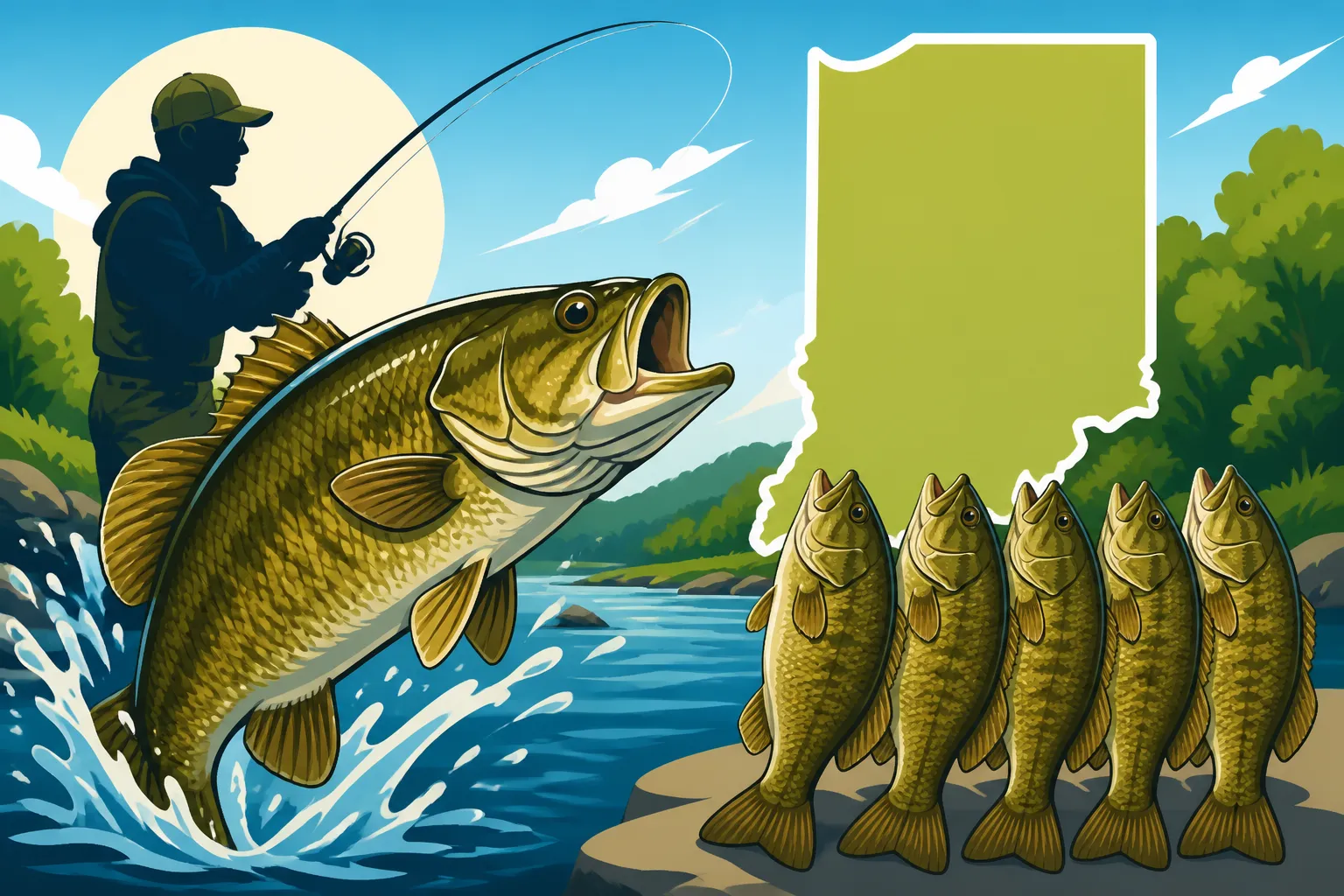
Here's the deal: in Indiana, smallmouth bass are included in a combined daily bag limit with largemouth bass. This means you can't just count smallmouth separately; they're lumped together with their green-backed cousins. The statewide daily limit for black bass (which includes largemouth, smallmouth, and spotted bass) is a total of five fish per day, combined. This applies to most bodies of water across the state, including our fantastic river systems.
Think of it this way: if you catch three largemouth bass and two smallmouth bass, you've hit your combined limit of five. You can't then go on to keep more smallmouth. This regulation is put in place to manage the overall bass population and prevent overfishing, especially for popular sport fish like smallmouth. It ensures that anglers targeting either species contribute to the same conservation goal. You can find more comprehensive details in the official Indiana Fishing Regulations and Bag Limits Guide.
Specific River Exceptions and Considerations
While the five-fish combined limit is the general rule, it's always wise to remember that fishing can have localized nuances. However, for smallmouth bass specifically in Indiana rivers, there aren't typically widespread exceptions to the statewide combined bass limit. Unlike some walleye regulations that vary by lake, the bass limit tends to be more consistent across the board.
For instance, whether you're fishing the rock-strewn currents of the Fishing the Tippecanoe River in Indiana or the broader stretches of the White River, that five-fish combined daily limit for bass is what you'll be adhering to. The key takeaway here is that while the limit is generally consistent, it's always good practice to quickly double-check the latest IDNR guide if you're venturing to a new river or if you haven't fished in a while. They occasionally update rules, and a quick glance can save you a headache.
Why These Limits Matter for River Ecosystems
These seemingly simple numbers aren't just arbitrary rules; they're vital for the ecological balance of Indiana's rivers. Smallmouth bass thrive in specific river habitats – often preferring clearer, cooler water with rocky bottoms and good current. They are apex predators in these environments, and their health is a strong indicator of the overall river ecosystem's well-being.
By adhering to the daily bag limits, anglers directly contribute to sustainable fishing practices. It helps prevent localized depletion of fish stocks, especially for a species that can be slower growing in certain river environments. Maintaining healthy smallmouth populations means more opportunities for all of us to enjoy their spirited fights for years to come, preserving these precious Best Rivers for Fishing in Indiana for future generations of anglers.
Identifying Smallmouth Bass in Indiana Rivers
Before you can confidently keep track of your daily limit, you absolutely need to be able to tell a smallmouth from a largemouth, especially since they count towards the same combined limit. It's a common mix-up, but with a few pointers, you'll be a pro at identification in no time.
Key Physical Characteristics
Smallmouth bass (Micropterus dolomieu) have distinct features that set them apart. Their overall coloration tends to be more brown or bronze, often with dark vertical bars or blotches along their sides, giving them a "tiger" striped appearance, particularly when they're fresh out of the water. This contrasts with the more prominent horizontal band you often see on largemouth bass.
The most reliable way to tell them apart, however, is by looking at their mouth. For a smallmouth, when its mouth is closed, the upper jaw (maxilla) does not extend past the back of its eye. In contrast, a largemouth's jaw extends well beyond the eye. Additionally, smallmouth bass have a dorsal fin that appears continuously connected, unlike the deeply notched or almost separated dorsal fin of a largemouth. If you're still unsure, check out this guide on Largemouth Bass vs Smallmouth Bass: Key Differences.
Habitat Preferences in Rivers
Knowing where smallmouth bass like to hang out in rivers can also help you identify them by location. Smallmouth are true river warriors. They prefer cool, clear, flowing water, often associating with rocky bottoms, gravel, and submerged timber. You'll frequently find them near current breaks, eddies, and around boulders or ledges where they can ambush prey. They are less tolerant of silty or turbid waters compared to largemouth bass, which often prefer weed beds and slower, warmer water.
So, if you're fishing a clear, rocky riffle or a stretch with a good current, and you hook into a bass, there's a good chance it's a smallmouth. Conversely, if you're in a slow-moving, brushy backwater, you're more likely to encounter a largemouth. This understanding of their preferred environment can be a useful tool in your identification arsenal before you even get a good look at the fish.
Best Practices for Sustainable Smallmouth Bass Fishing
Responsible angling goes beyond just following the daily limit. It's about ensuring the health and longevity of the fish populations we cherish. Especially with a popular sport fish like smallmouth bass, how we handle our catch makes a huge difference.
Catch and Release Strategies
Many smallmouth bass anglers practice catch and release, especially for larger, trophy-sized fish. If you plan to release a fish, minimizing stress and injury is paramount. Here are a few tips:
- Handle with Care: Always wet your hands before touching the fish to protect its slime coat, which is its primary defense against disease. Avoid squeezing the fish, especially around the gills or belly.
- Use the Right Tools: Keep a pair of needle-nose pliers or a de-hooking tool handy. These allow you to quickly remove hooks without excessive handling. You can find some great options on Amazon.
- Minimize Air Exposure: Try to keep the fish in the water as much as possible, especially during hook removal and photography. Their gills are not designed for air breathing, and even short periods out of water can be very stressful.
- Revive, Don't Just Release: If a fish seems sluggish after the fight, hold it gently in the water, facing into the current, until it regains its strength and swims away on its own.
Practicing careful catch and release, particularly for those bigger breeders, ensures they can continue to contribute to the next generation of smallmouth bass in our rivers.
Knowing When to Keep and When to Release
While the daily limit of five combined bass gives you the legal right to keep fish, it doesn't mean you have to keep every legal fish you catch. Many anglers choose to keep only what they plan to eat, releasing the rest. Smallmouth bass are delicious, but moderation is key.
Consider the size of the fish you're catching. While Indiana doesn't currently have a statewide minimum length limit for bass (some specific lakes or tournaments might, but for rivers, it's generally open), releasing larger, older fish can significantly benefit the population's genetics and spawning success. Smaller "eater" fish, typically in the 12-15 inch range, are often excellent table fare and are more numerous, making them a good choice for keeping. Always think about your needs and the health of the fishery. If you're wondering about other species, you might be interested in Indiana's Largemouth and Smallmouth Bass Daily Limit: 5 Fish Combined.
Acquiring Your Indiana Fishing License
Before you even think about the daily limits for smallmouth bass or any other species, the first and most critical step is ensuring you have a valid Indiana fishing license. Fishing without one is a surefire way to turn a relaxing day into a costly one, and nobody wants that.
License Requirements for Residents and Nonresidents
In Indiana, almost everyone age 18 and older needs a fishing license to cast a line. This applies whether you're an Indiana resident or just visiting our beautiful state. There are various license options available, from annual licenses to shorter-term permits, designed to fit different needs. For instance, nonresidents often choose a 1-day or 7-day license if they're only visiting for a short trip. Kids fish free in Indiana until they turn 18, which is a fantastic program to get the next generation hooked on fishing. You can learn more about the specifics in our Indiana Fishing License Requirements Explained guide.
Easy Ways to Purchase a License
The Indiana DNR has made it incredibly easy to get your fishing license, so there's really no excuse to fish without one. Here are the most convenient ways:
- Online: This is by far the quickest and easiest method. You can purchase your license from the comfort of your home, anytime, day or night. Just visit the Indiana DNR's online license system. It's user-friendly, and you can usually print your license right away or save a digital copy on your phone.
- In-Person: Many bait shops, sporting goods stores (like some larger retail chains you might find on Amazon's vendor list), and county clerk offices are authorized license vendors. This is a great option if you prefer to chat with someone and grab some last-minute bait or tackle.
- By Phone: You can also purchase a license over the phone through the IDNR's designated license sales number.
Remember, having your license on you while fishing is mandatory. Whether it's a physical copy or a digital one on your smartphone, make sure it's accessible. Getting caught without one can lead to a citation and fines, which nobody wants to deal with. If you're looking for an easy route, consider Buying a Fishing License Online in Indiana.
Indiana Smallmouth Bass Regulations At a Glance
To make things easy to remember, here's a quick summary of the smallmouth bass regulations in Indiana's rivers:
| Regulation Type | Detail | Notes |
|---|---|---|
| Daily Bag Limit | 5 fish combined | Applies to Largemouth, Smallmouth, and Spotted Bass (all "black bass") combined. |
| Minimum Length Limit | No statewide minimum length | Check specific lake or tournament rules, but generally open for rivers. |
| Location Applicability | Most Indiana rivers | Always verify current regulations for your specific body of water if unsure. |
| License Required | Yes, for ages 18+ | Ensure you have a valid Indiana fishing license. |
Disclaimer
Please note that fishing regulations can change. While this guide provides the most current and accurate information available at the time of writing, it is always your responsibility to consult the official Indiana Department of Natural Resources (IDNR) fishing guide or website before heading out. This ensures you are fully aware of and compliant with all applicable laws and regulations.