Tournament Angler License Requirements
It can be incredibly confusing trying to figure out if you need a special license just for fishing tournaments in Indiana. Many anglers, especially those new to competitive fishing or visiting from out of state, worry about accidentally breaking the rules and facing fines. This comprehensive guide will clear up all the mystery surrounding tournament angler license requirements and other crucial regulations you need to know to fish legally and competitively in Indiana.
Demystifying the "Tournament Angler License" in Indiana
Let's tackle the biggest question right off the bat: Is there a specific "tournament angler license" you need to purchase in Indiana? The simple, straightforward answer might surprise you, especially if you're coming from another state where such a thing exists.
The Reality: No Special License, Just Standard Requirements
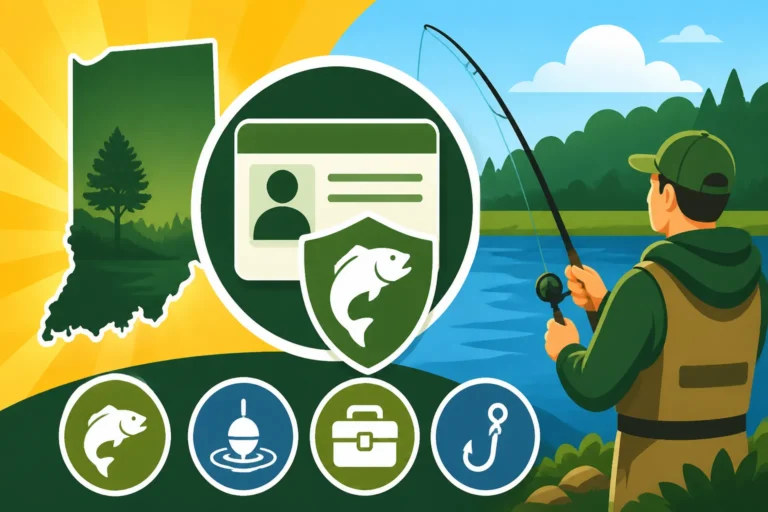
Unlike some other states or specialized events, the Indiana Department of Natural Resources (DNR) does not issue a separate, distinct "tournament angler license." This is a common misconception that can cause a lot of unnecessary stress for competitive anglers. Instead, if you're participating in a fishing tournament in Indiana, you are generally required to possess the same valid Indiana fishing license that any recreational angler would need. This means you’ll need either an annual resident or nonresident license, or a short-term license if you're visiting for a specific period. The key is to have a valid fishing license, not a special tournament one. So, if you've already got your yearly license, you're likely good to go on the licensing front for most tournaments.
For instance, if you're an Indiana resident planning to fish the Cabela's Big Bass Tour on Monroe Lake, you simply need your standard annual Indiana resident fishing license. There's no extra step to "convert" it into a tournament license or buy a separate endorsement for competitive fishing. The focus is on ensuring you're legally allowed to fish in Indiana waters, regardless of whether you're doing it recreationally or competitively. This simplified approach helps keep things consistent for the vast majority of anglers, whether they're casually drowning a worm or intensely sight-fishing for trophy bass.
Why the Confusion Exists Around Tournament Licenses
It's completely understandable why anglers get confused about this. Competitive fishing, by its very nature, involves a different set of rules and often higher stakes than a casual outing. Many other states have various endorsements or special permits for specific activities, and some even have dedicated tournament director permits or angler registrations. Plus, tournament organizers themselves often have a specific set of rules that go above and beyond the state's general fishing regulations, which can add to the perception that something "special" is required for tournament participation.
For example, a tournament on Patoka Lake might have specific rules about boat checks, livewell capacity, or fish handling protocols that aren't typically enforced for a casual fishing trip. These additional rules, while crucial for fair play and fish conservation in a competitive setting, can sometimes be mistaken for state-mandated licensing requirements. Another source of confusion can stem from events that require a special event registration fee or membership to an organization (like B.A.S.S. or FLW), which is distinct from a state-issued fishing license. While these organizations might have their own requirements, they don't replace the fundamental need for a state fishing license. It's always best practice to check both the Indiana DNR regulations and the specific tournament's rulebook to ensure full compliance.
Essential Fishing Licenses for Indiana Tournament Anglers
Since there isn't a special "tournament angler license," the focus shifts to ensuring you have the correct standard Indiana fishing license for your specific situation. This largely depends on whether you are an Indiana resident or a nonresident and the duration of your fishing trip.
Indiana Resident Fishing License Essentials
If you're lucky enough to call the Hoosier State home, getting your fishing license for tournament play is pretty straightforward. Most Indiana resident anglers opt for an annual fishing license, which covers them from April 1st through March 31st of the following year. This is the most common and cost-effective option for anyone planning to fish multiple times a year, whether in tournaments or just for fun.
The Indiana Resident Annual Fishing License Cost is quite reasonable, making it an accessible option for many. For senior residents, there are even more affordable options, like the Indiana Senior Annual Fishing License Cost or the unique Indiana Senior Fish-for-Life License Cost: $23 One-Time, which is an incredible deal if you plan on fishing for many years to come. Regardless of your age, the process to How to Get an Indiana Fishing License is simple, often taking just a few minutes to complete online through the DNR's website. You'll need to provide some basic personal information, and then you can print your license or save it digitally to your phone. It's always a good idea to have it easily accessible, especially when participating in a tournament where officials might ask to see it. Remember, these licenses are designed to cover all legal fishing activities within the state, competitive or otherwise.
Nonresident Anglers: Understanding Your License Options
For our friends visiting Indiana from out of state to compete in a tournament, the licensing rules are a bit different, but still follow the same principle: no specific "tournament" license, just a standard nonresident fishing license. Indiana offers several options for nonresidents, depending on how long you plan to stay and fish.
The most popular choice for out-of-state tournament anglers is usually the Nonresident Annual Fishing License Cost: $60, which covers you for a full year. However, if you're just coming for a single tournament weekend or a short trip, a short-term license might be more economical. You can choose a Nonresident 1-Day Fishing License Price: $9 if your tournament wraps up quickly, or a Nonresident 7-Day Fishing License Price: $20 for longer events or if you plan to do some pre-fishing before the big day. These options provide flexibility and ensure you're only paying for the coverage you truly need. It's critical for nonresidents to understand these differences, as showing up without the proper license can lead to citations, which can put a damper on your tournament experience. You can find more details in our Indiana Nonresident Fishing License Guide. Keep in mind that while these licenses cover general fishing, they do not grant any special privileges or exemptions from tournament-specific rules set by the event organizers.
Additional Stamps for Specific Species
Sometimes, a basic fishing license isn't quite enough, especially if your tournament is targeting certain fish species. This is particularly true if you're competing in an event that might involve fishing for trout or salmon.
In Indiana, if you plan to fish for salmon or trout in specific designated trout and salmon waters, or in Lake Michigan and its tributaries, you'll need to purchase an additional Indiana Trout and Salmon Stamp Cost: $11 alongside your regular fishing license. This stamp is not optional if you intend to pursue these species, even in a tournament setting. Imagine you're in a salmon tournament on Lake Michigan; having your annual fishing license but no Trout/Salmon Stamp means you're not legally allowed to target or possess those fish. It’s a small extra cost but a crucial one for compliance. This stamp helps fund trout and salmon stocking programs and conservation efforts, ensuring these exciting fisheries continue to thrive. You can learn more about whether Do You Need a Trout and Salmon Stamp to Fish for Trout? in our detailed guide. Always check the tournament rules to see if trout or salmon are potential target species, or if the tournament waters are designated as trout/salmon waters, to determine if this stamp is necessary for your competitive outing.
Tournament-Specific Regulations Beyond the License
While the license requirements are straightforward, competitive fishing brings with it a unique set of rules that go well beyond simply having a piece of paper. These regulations are often designed to promote fair competition, ensure the health and safety of the fish, and maintain the integrity of the sport.
Livewells, Culling, and Fish Care Regulations
Tournament angling places a huge emphasis on bringing your catch to the weigh-in alive and healthy. This often means specialized equipment and practices. For example, most tournaments require participants to have a functioning livewell system capable of keeping fish alive for the duration of the event. These aren't just for show; they're vital for fish survival. Anglers often invest in high-quality livewell aerators, oxygenation tablets, and even specific livewell additives to minimize stress on the fish. You can find many of these specialized fish care products on platforms like Amazon, ensuring your catch remains in prime condition for release.
Culling, which is the practice of replacing a smaller fish in your livewell with a larger one caught later, is also heavily regulated. Many tournaments will have specific culling rules, such as prohibiting the culling of dead fish or requiring immediate release of culled fish. The Indiana DNR also has general rules regarding the transportation of live fish, and these often apply to tournament situations. For instance, you generally cannot transport live fish across state lines without specific permits. Furthermore, fish handling at the boat and during weigh-in is critical. Anglers are often encouraged to use fish-friendly weigh bags, avoid excessive handling, and ensure fish are returned to the water quickly and gently after being weighed. These practices not only align with conservation ethics but also ensure the tournament's catch-and-release success rates remain high, especially for popular species like bass and walleye.
Tournament Rules vs. State Regulations: What Takes Precedence
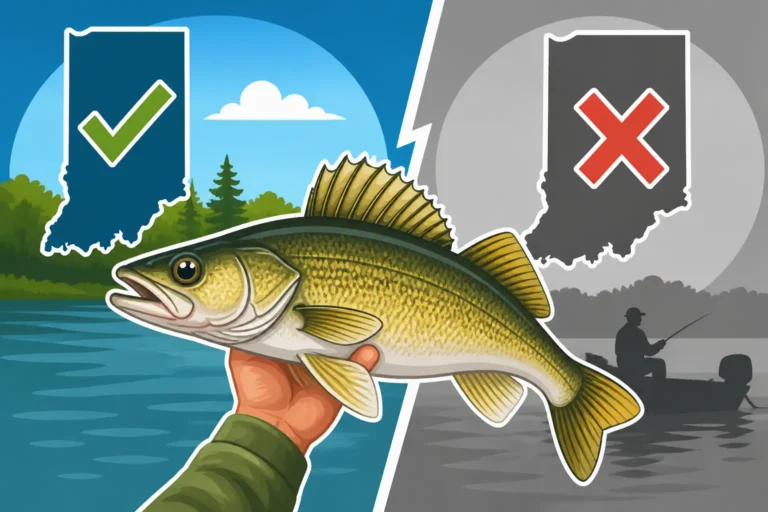
This is a critical point of understanding for any tournament angler: State fishing regulations always take precedence over tournament rules if there is a conflict. Tournament organizers cannot grant exceptions to Indiana's state fishing laws. This includes bag limits, length limits, and season closures.
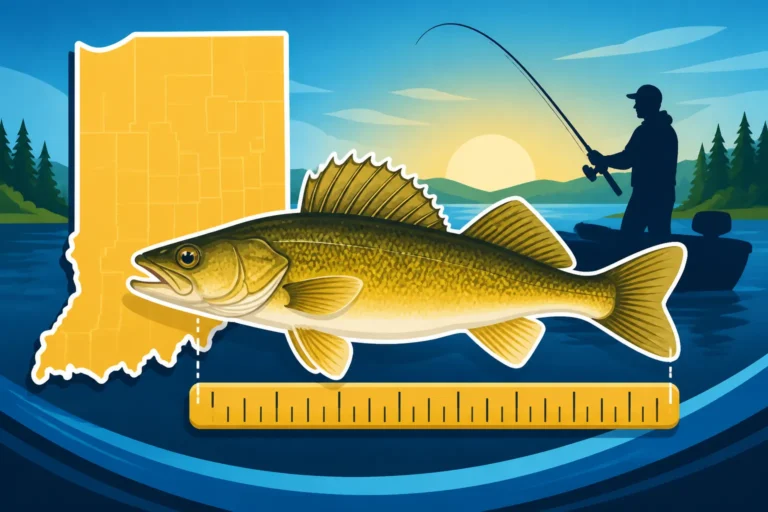
For example, if a tournament's rules state a 12-inch minimum length for bass, but Indiana's statewide bass regulation for the specific body of water is a 14-inch minimum, you must adhere to the 14-inch state regulation. Catching and keeping a 12-inch bass, even if the tournament allows it, would be a violation of state law. Similarly, if the Indiana's Statewide Bass Daily Bag Limit is five fish, a tournament cannot allow you to keep more than five. Tournament rules are designed to be more restrictive than state regulations, never less. They often add layers of competition-specific parameters (e.g., "only artificial lures," "single hook only," "no trolling") but they cannot override core conservation laws. Always cross-reference the tournament rulebook with the latest Indiana Fishing Regulations and Bag Limits Guide published by the DNR. Ignorance of state law is not a valid defense, and tournament officials are generally not responsible for ensuring your compliance with state licenses or bag limits; that responsibility falls squarely on the angler.
Reporting Requirements and Weigh-In Procedures
Beyond the catch itself, tournaments often have strict reporting and weigh-in procedures. This is to ensure fairness, accuracy, and proper record-keeping for the event. Before a tournament, anglers might be required to check in, receive specific identification numbers, or have their livewells inspected. During the event, especially for bass tournaments, fish are often brought to a central weigh-in station. Here, specific protocols are followed: fish are typically transferred from the boat's livewell to a weigh bag, weighed quickly by an official, and then immediately returned to the water, often with the assistance of volunteers to help with release.
Some tournaments, particularly those focusing on conservation or specific research, may also have reporting requirements for species not being weighed in, or even ask for details about lures used or GPS coordinates of catches. In certain larger events, weigh-in might involve a public stage, which adds to the excitement but also requires anglers to handle their fish with care under public scrutiny. Understanding these procedures beforehand, including designated weigh-in times and locations, is crucial for a smooth tournament experience. Many tournament directors provide detailed rulebooks or online briefings, which you can often download or review on their websites, sometimes even linking to useful gear or resources on platforms like Amazon to prepare adequately.
Ensuring Compliance and Avoiding Penalties
Fishing in a tournament should be an exciting and rewarding experience, not one clouded by worry about legal infractions. Understanding and adhering to all regulations, both state and tournament-specific, is paramount.
Consequences of Fishing Without a Proper License
Fishing without a valid Indiana fishing license, whether you're in a tournament or just out for a casual afternoon, is a serious offense. The consequences can range from hefty fines to the confiscation of your fishing gear, and even the potential loss of your vehicle or boat in extreme or repeat cases. Penalties and Fines for Fishing Without a License can vary, often depending on whether it's a first offense or a repeat violation, and the discretion of the conservation officer.
Imagine spending months preparing for a major bass tournament on Monroe Lake, only to be stopped by a DNR officer and cited for not having your license. Not only would you be disqualified from the tournament, but you'd also face a fine and potentially have your day on the water ruined. It’s a completely avoidable situation. Always double-check that your license is current before heading out. This is why many anglers opt to store a digital copy on their phone or even carry a laminated physical copy in their tackle box or boat. Even if you're fishing a free fishing day in Indiana, like those mentioned in our Indiana Free Fishing Days Guide, a tournament angler still needs to be aware of how those days apply to competitive fishing, as certain competitive rules may still apply.
Staying Informed About Indiana Fishing Regulations
The world of fishing regulations isn't static; rules can and do change. The Indiana DNR periodically updates its fishing guides, bag limits, and other regulations to reflect current conservation needs, biological data, and management goals. For a tournament angler, staying up-to-date is even more critical than for a recreational angler, as competitive events often push the boundaries of bag limits or target specific species and sizes.
The best way to stay informed is to regularly check the official Indiana DNR website, download their latest fishing guide, or pick up a physical copy wherever licenses are sold. Many local bait shops also carry the most current information. Additionally, reputable tournament organizations usually provide updates on rule changes that might impact their events. Consider subscribing to the Indiana DNR's newsletters or following their social media channels for real-time updates. Familiarizing yourself with resources like the comprehensive Indiana Fishing License Requirements Explained ensures you're always operating within the law. A quick online search for "Indiana fishing regulations" before each season or major tournament is a habit worth cultivating. By staying vigilant, you can focus on the thrill of the competition and the joy of fishing, rather than worrying about regulatory missteps.
Disclaimer
The information provided in this guide is for general informational purposes only and is not intended to be legal advice. Fishing regulations can change, and it is the angler's sole responsibility to consult the most current Indiana Department of Natural Resources (DNR) rules and specific tournament regulations before engaging in any fishing activity. Always verify all license requirements, bag limits, and local rules to ensure full compliance.