Indiana Fishing License Sign-Up Takes Just a Few Minutes Online
For many folks, the thought of getting a fishing license can feel like gearing up for a wrestling match with bureaucracy. You might imagine endless forms, long queues at a government office, or getting lost in a labyrinth of regulations. But I'm here to tell you that in Indiana, getting your fishing license has never been easier, especially if you go the online route. This guide will walk you through exactly how to sign up for your Indiana fishing license online, proving it truly takes just a few minutes.
Why Online is the Easiest Way to Get Your Indiana Fishing License
Let's be real: time is precious. When you're itching to hit the water, the last thing you want to do is spend a chunk of your day on administrative tasks. The Indiana Department of Natural Resources (DNR) understands this, which is why their online licensing system is designed for maximum convenience. Forget rushing before closing hours or waiting for a weekend trip to a bait shop. The internet has made the process incredibly streamlined, putting the power right in your hands.
Convenience at Your Fingertips
One of the biggest advantages of signing up online is the sheer convenience. You can purchase your Indiana fishing license from the comfort of your couch, at your kitchen table, or even during a lunch break at work. All you need is a device with internet access – your smartphone, tablet, or computer will do the trick. This 24/7 accessibility means you can purchase your license anytime, day or night, fitting it into your schedule rather than reorganizing your day around office hours.
Moreover, the online system is user-friendly, designed to guide you through each step without confusion. No need to decipher complex jargon or fill out physical forms with a pen. The digital interface is clear, making the process straightforward even for those who aren't tech-savvy. This ease of access ensures that more people can enjoy the Hoosier state's fantastic fishing opportunities without unnecessary hurdles.
Instant Access and Proof of Purchase
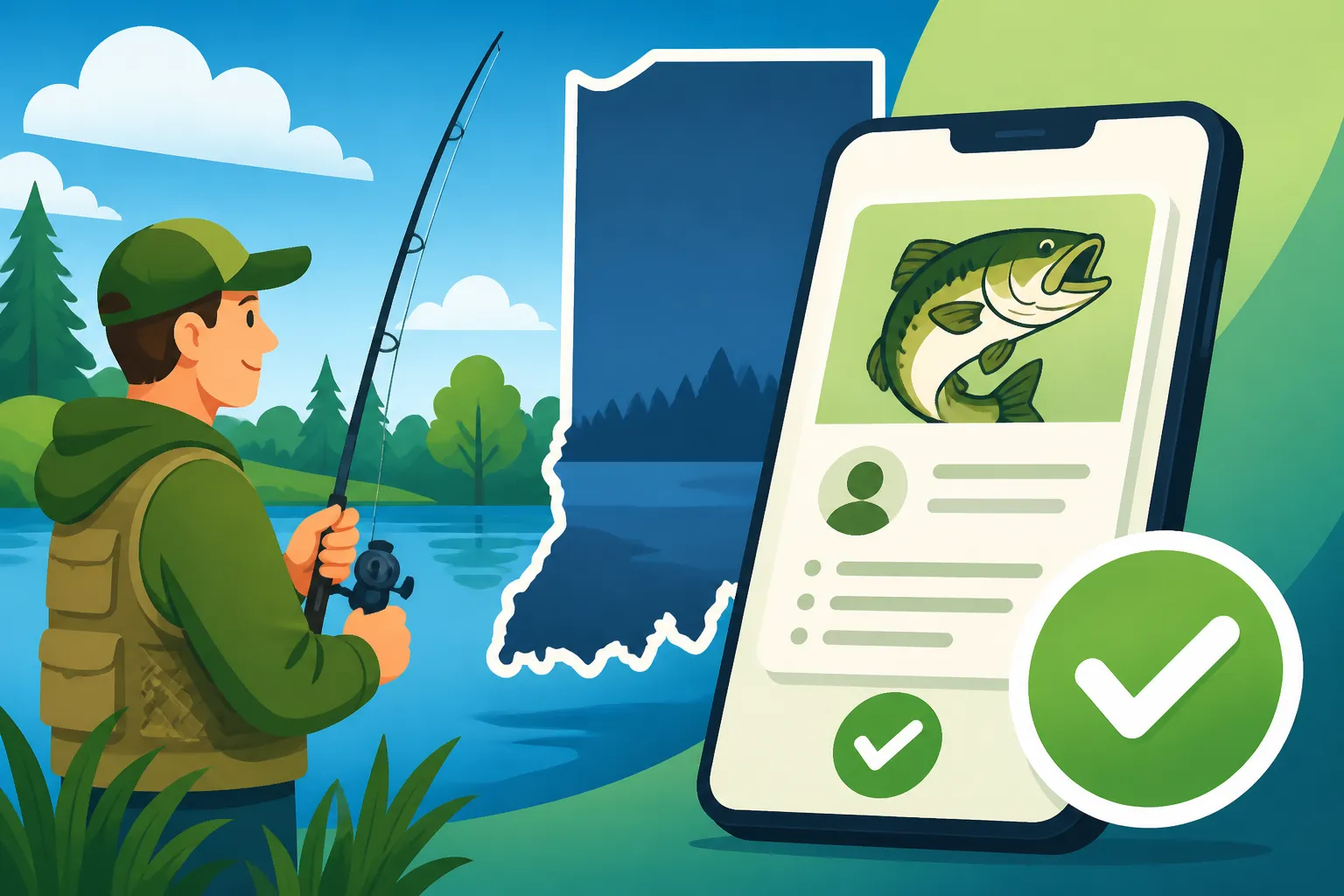
Perhaps the most reassuring aspect of an online license purchase is the instant gratification. The moment your payment is processed, you receive immediate proof of your purchase, usually in the form of a digital license that you can print right away or save to your phone. This means no waiting for a physical license to arrive in the mail, which can be a real game-changer if you suddenly decide to go fishing on a whim.
Having instant proof on hand is crucial. Should a conservation officer check your license, you can simply pull it up on your smartphone or present a printed copy. This eliminates any potential stress or penalties associated with not having a valid license, making your fishing trip much more enjoyable and worry-free. It's a quick, efficient, and legally sound way to ensure you're always prepared for your next angling adventure. You can even find waterproof phone cases on retailers like Amazon to keep your digital license safe and dry while out on the water.
Step-by-Step Guide to Signing Up Online for Your Indiana Fishing License
Alright, let's get down to the nitty-gritty. The process is surprisingly simple, but a little preparation goes a long way. Knowing what to expect will help you breeze through the sign-up and get you closer to casting your line into one of Indiana's beautiful lakes or rivers. Remember, this applies whether you're a long-time resident or a visiting angler. If you're looking for a general overview, check out our guide on how to get an Indiana fishing license.
Gathering Your Essential Information
Before you even click over to the Indiana DNR website, gather some key pieces of information. This proactive step will prevent you from having to stop midway through the process to dig for details, saving you time and frustration. Having everything ready means you can complete the transaction in just a few clicks.
You'll need your full legal name, current address, date of birth, and a valid form of identification, such as your Indiana driver's license number or state ID number. For nonresidents, you'll use your home state's driver's license or ID. Additionally, have your credit or debit card handy for payment. The system typically accepts major credit cards like Visa, MasterCard, Discover, and American Express. Ensuring your card information is up-to-date and correct will help avoid any payment processing hiccups. For a detailed breakdown of costs, you can read our article on Indiana Fishing License Costs for Residents and Nonresidents.
Here's a quick rundown of what you'll typically need:
| Information Needed | Details |
|---|---|
| Full Legal Name | As it appears on your official ID. |
| Current Address | Residential address for mailing purposes. |
| Date of Birth | To verify age and eligibility for certain license types (e.g., senior). |
| Identification Number | Driver's License or State ID number (Indiana or home state for non-residents). |
| Contact Information | Valid email address and phone number. |
| Payment Method | Credit/Debit Card (Visa, MasterCard, Discover, Amex). |
Navigating the Indiana DNR Licensing System
Once you have your information ready, head over to the official Indiana DNR website. You'll typically find a prominent link for "Licenses" or "Buy a License" right on the homepage. Click on that, and you'll be directed to the online licensing portal. If you're a returning user, you might have an existing account; otherwise, you'll create one by providing your email and setting up a password. This account will be useful for future renewals and accessing past licenses.
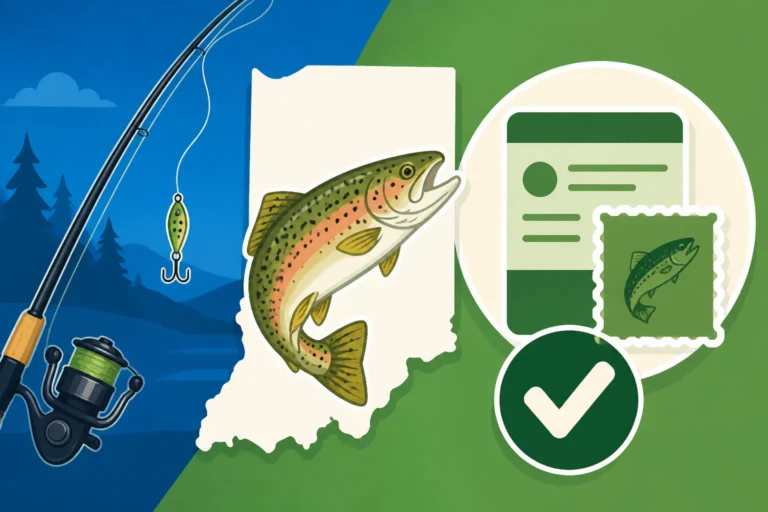
The system will then prompt you to select the type of license you need. Options range from annual resident licenses to short-term nonresident licenses, and specialized stamps like the Indiana Trout and Salmon Stamp. Carefully review the options to ensure you're selecting the correct license for your needs. For instance, if you're planning a trip to Lake Michigan to chase coho salmon, you'll absolutely need that trout and salmon stamp in addition to your regular fishing license.
Completing Your Purchase and Printing Your License
After selecting your desired license type and entering all your personal information, you'll be taken to a summary page. This is your chance to double-check everything for accuracy. Make sure your name, address, and license selection are correct before proceeding to payment. Any errors here could lead to issues later on, so a quick review is always a good idea. Once you're satisfied, enter your payment information and confirm your purchase.
Within moments, you should receive a confirmation email, often containing a link to download and print your official license. It's a good practice to print a physical copy and also save a digital version to your smartphone or email. This way, you have multiple forms of proof. Keep the printed license in a secure, waterproof spot in your tackle box or wallet. Consider a small, clear plastic sleeve to protect it from moisture and wear and tear. You can even find these protective sleeves easily on Amazon.
What to Do After You've Purchased Your License
Getting your license online is just the first step. To ensure you're fully prepared and compliant, there are a few important things to keep in mind once that digital document is in your possession. You don't want to run into any unexpected issues while you're out enjoying the tranquility of Indiana's waters.
Storing and Displaying Your License Properly
While having a digital copy on your phone is convenient, it's always wise to carry a physical, printed copy of your license. Electronic devices can run out of battery, get wet, or simply malfunction when you least expect it. A laminated or waterproofed paper copy tucked away in your wallet or tackle box provides a reliable backup. Many anglers use a small, clear plastic sleeve or even get their license professionally laminated to protect it from the elements.
When approached by a conservation officer, you'll need to present your license upon request. Having it readily accessible, whether on your phone or in hand, demonstrates your compliance and makes the interaction smooth and quick. Failure to produce a valid license can lead to unnecessary delays or, worse, penalties and fines for fishing without a license. It's always better to be over-prepared than under-prepared when it comes to official documents.
Understanding Your License Details and Season
Take a moment to carefully read over your purchased license. It contains important details such as the effective dates, the type of license (e.g., resident annual, nonresident 7-day), and any additional stamps you've purchased. Pay particular attention to the expiration date. In Indiana, the standard fishing license year runs from April 1st through March 31st of the following year. This means that if you buy a license in July, it will still expire on March 31st.
Understanding the license year is crucial for planning your trips, especially if you fish across different calendar years. You don't want to find yourself on the water in early April only to realize your license from the previous year has expired! For a full breakdown of how the season works, check out our guide on the Indiana Fishing License Year Explained. Knowing these specifics will save you from accidental violations and ensure you're always fishing legally.
Common Questions and Troubleshooting for Online License Purchases
Even with the most user-friendly systems, questions and minor issues can pop up. Don't worry, most common problems have simple solutions. The Indiana DNR has resources in place to help you navigate any snags you might encounter during or after your online license purchase.
Dealing with Technical Issues or Payment Problems
Occasionally, technology can be a little finicky. You might experience a slow website, a payment processing error, or a forgotten password for your online account. If the website is slow or unresponsive, try clearing your browser's cache and cookies, or switch to a different browser (Chrome, Firefox, Edge). Sometimes, a simple refresh of the page can resolve minor glitches. If your payment is declined, first double-check that you've entered your card number, expiration date, and security code correctly. Ensure there are sufficient funds or credit available. If the problem persists, contact your bank or credit card provider to inquire about any potential holds or issues on their end.
If you encounter a more persistent technical problem or a payment issue that you can't resolve, don't hesitate to reach out to the Indiana DNR's licensing support. Their contact information is usually available on the DNR website, often under a "Contact Us" or "Help" section. They can provide direct assistance and walk you through any difficulties. It's much better to get clarification than to proceed with an unresolved issue that could impact your license validity.
Lost Licenses and How to Replace Them
We've all been there – things get lost or damaged. Whether your dog ate your license, it went through the wash, or you simply can't find it, a lost fishing license doesn't mean your fishing season is over. Fortunately, replacing your Indiana fishing license is just as easy as purchasing it initially. Since you bought it online and created an account, you can typically log back into the Indiana DNR licensing portal using your existing credentials.
Once logged in, you should have access to your purchase history and the ability to reprint your valid license. This makes it incredibly convenient to get a new copy whenever you need one. You might even find a digital copy waiting in your email archives if you saved the original confirmation. The ability to quickly reprint a lost license is another major benefit of using the online system, ensuring that a minor mishap doesn't derail your fishing plans. You can also visit a local license vendor if you prefer, for which you can find details in our guide on Where to Buy a Fishing License Near You.
Disclaimer
Please note that while this guide provides comprehensive information, fishing regulations and licensing requirements can change. Always consult the official Indiana Department of Natural Resources (DNR) website or their current fishing guide for the most up-to-date and accurate information before heading out on the water.