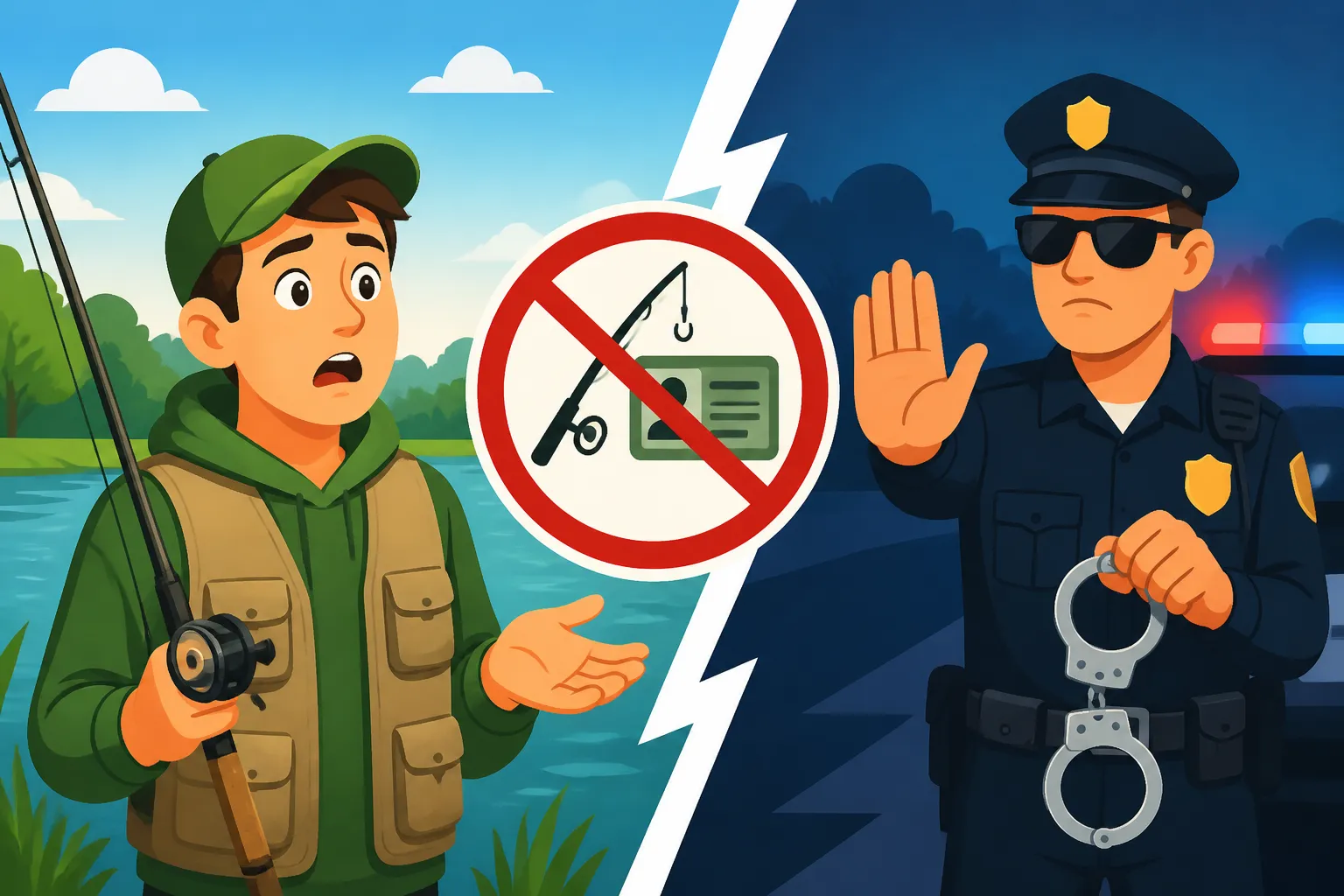
What Happens If You Fish Without a License in Indiana?
It’s a scenario many Indiana anglers dread, or perhaps one that some don't even consider until it's too late: casting a line into one of our beautiful lakes or rivers without the proper fishing license. Whether it’s an honest mistake, you simply forgot to renew, or you thought you could sneak in a quick fishing session, the repercussions can be far more serious and costly than many Hoosiers realize. This comprehensive guide will walk you through exactly what happens if you're caught fishing without a license in Indiana, the penalties you face, and how to ensure you're always on the right side of the law.
The Immediate Fallout: What Happens When You're Caught
Picture this: you're enjoying a peaceful afternoon by the water, the sun is shining, and you're just relaxing. Suddenly, a conservation officer approaches. Your heart might sink a little, even if you think you're doing everything right. For those without a license, this moment can quickly escalate from a serene day to a stressful encounter with legal consequences.
The Conservation Officer Encounter
Indiana conservation officers are highly trained professionals who serve as the primary enforcement arm for the Indiana Department of Natural Resources (IDNR). Their job isn't just to hand out tickets; it's to protect Indiana's natural resources, enforce wildlife laws, and ensure the safety of outdoor enthusiasts. When an officer approaches an angler, they are typically observing, and if they suspect a violation, they will initiate contact.
They'll introduce themselves, explain why they're making contact, and then usually ask to see your fishing license and identification. This is a routine check, and it’s important to be cooperative and polite. Trying to evade or argue won't help your situation; in fact, it could lead to additional charges. They have various ways to verify licenses on the spot, so claiming you "left it at home" or "bought it online but haven't printed it" might not hold up if it can't be immediately confirmed through their system. They are trained to handle a wide range of situations, from honest mistakes to deliberate violations, and their primary goal is upholding conservation laws.
The Instant Ticket and What It Means
If you're found fishing without a valid Indiana fishing license, the officer will issue you a citation, often referred to as a ticket. This isn't just a warning that you can ignore; it’s a legal document. In Indiana, fishing without a license is generally classified as a Class C misdemeanor. While it might not sound as severe as some other crimes, a misdemeanor is still a criminal offense, not just a simple infraction.
The ticket will specify the charge, the relevant Indiana code section you violated, and often a court date or instructions on how to pay the fine. It's crucial to understand that receiving this ticket means you are being charged with a crime. You'll need to decide whether to plead guilty and pay the fine or contest the charge in court. Many anglers, especially those on a first offense, opt to pay the fine, but it’s still important to understand the full weight of the charge. The officer will explain the violation and the next steps, but ultimately, it’s your responsibility to follow through with the instructions on the citation.
Diving Deeper into the Penalties: Fines, Court Costs, and More
When you get that ticket, the initial shock might be about the immediate fine. But the financial implications of fishing without a license in Indiana often go much deeper than just the base penalty. There are court costs, administrative fees, and potential for even steeper fines, especially if it’s not your first time getting caught.
Understanding the Fines for Unlicensed Fishing
The base fine for fishing without a license in Indiana can vary, but it's typically set by the county where the violation occurred, often starting around $100 to $150 for a first offense. However, this is rarely the total amount you'll pay. Many jurisdictions also impose additional state surcharges and judicial fees. For instance, a Class C misdemeanor might carry a maximum fine of $500, though actual assessed fines are often lower for a simple license violation.
These fines are intended to deter illegal activity and contribute to the funds that support the very conservation efforts your license fees would have gone towards. It's a double whammy: you're penalized for not contributing to the system and for breaking the law. Even if you meant to buy a license from a retailer or online, like many people do on Amazon for their outdoor gear, having the physical or digital proof before you cast your line is paramount. A quick search for Indiana Fishing License Costs for Residents and Nonresidents will show you just how affordable a license is compared to the cost of a citation.
Court Costs and Administrative Fees
Beyond the base fine, you'll almost certainly be hit with court costs and administrative fees. These can add another $150 to $200, sometimes even more, depending on the county and the specific court system involved. These fees cover the processing of your case, whether you pay the fine or go to court. They fund the clerks, judges, and other staff who manage the legal system.
So, while the fine itself might seem manageable, when you factor in these additional charges, a single violation for fishing without a license can easily climb to $250, $300, or even more. This suddenly makes that $23 annual resident fishing license look like an incredible bargain, doesn't it? Don't forget that these costs are non-negotiable once the ticket is issued, regardless of your intent or explanation.
Potential Jail Time and Repeat Offenses
While it's uncommon for a first-time offender fishing without a license to face jail time in Indiana, it is legally possible because it’s a Class C misdemeanor, which carries a maximum penalty of 60 days in jail. For most minor, single violations, a fine and court costs are the standard outcome. However, the situation changes dramatically for repeat offenders.
If you are caught fishing without a license multiple times, the penalties become increasingly severe. Subsequent offenses can lead to higher fines, a greater likelihood of having to appear in court, and a much realer possibility of jail time. Law enforcement and the courts take repeat violations more seriously, as it demonstrates a pattern of disregard for the law and conservation efforts. To understand the full range of legal consequences, you can look into information about Penalties and Fines for Fishing Without a License.
Here's a simplified look at how the costs can stack up:
| Offense Type | Base Fine (Estimated) | Court/Admin Fees (Estimated) | Total Estimated Cost | Potential Other Consequences |
|---|---|---|---|---|
| First Offense | $100 – $150 | $150 – $200 | $250 – $350+ | Criminal record entry (misdemeanor) |
| Repeat Offense | $200 – $500+ | $200 – $300+ | $400 – $800+ | Increased likelihood of court appearance, license suspension, possible jail time, equipment confiscation |
| Commercial/Serious Violation | Significantly Higher | Significantly Higher | $1,000s | Felony charges, substantial jail time, extensive confiscation, long-term license revocation |
Note: These are estimates and actual costs can vary significantly by county and judicial discretion.
Beyond the Fine: Other Potential Repercussions
The financial penalties are just one aspect of being caught without a fishing license. There are other, sometimes less obvious, consequences that can have a lasting impact on your ability to enjoy the outdoors and even on your personal record. These aren't just minor inconveniences; they can affect your life in various ways.
License Revocation and Future Fishing Privileges
One of the most significant long-term consequences, especially for passionate anglers, is the potential for license revocation or denial of future licenses. The IDNR maintains records of all violations. If you're cited for fishing without a license, this violation will be recorded. For repeated offenses, or in cases involving more serious wildlife violations, the IDNR has the authority to suspend or revoke your existing fishing, hunting, and trapping licenses.
Furthermore, they can deny you the ability to purchase new licenses for a period, which could range from one year to several years, or even permanently in extreme cases. This means that even if you're willing to pay for a license down the road, you might not be allowed to get one. This can be a crushing blow for those who cherish their time on the water. It’s a direct consequence of not adhering to the Indiana Fishing License Requirements Explained.
Equipment Confiscation and Property Seizure
While rare for a simple first-time violation, conservation officers do have the authority to confiscate fishing equipment that was used in the commission of a violation. This could include your rod, reel, tackle box, or even your boat if it was integral to a serious offense. For a typical "no license" ticket, this is unlikely, but it's a possibility, especially if the violation is part of a larger pattern of illegal activity or if other rules, like bag limits, were also violated.
In more egregious cases, particularly those involving commercial poaching or multiple, serious violations, the state can pursue forfeiture of property, including vehicles or boats. Imagine losing that expensive bass boat you just got from Amazon, or the specialized gear you painstakingly acquired, all because you neglected to get a simple license. It’s a stark reminder that these rules are taken seriously.
The Impact on Your Record
Remember, fishing without a license is a Class C misdemeanor in Indiana. This means it goes on your criminal record. Unlike a traffic infraction, which is typically a civil matter, a misdemeanor can have broader implications. It will show up on background checks for employment, housing, or even certain volunteer positions.
While a single misdemeanor for fishing without a license might not be a deal-breaker for every job, it's still a mark on your record that could raise questions. It's an unnecessary complication in your life that is easily avoidable. Maintaining a clean record is important, and simply purchasing a license is a small price to pay to avoid such a blot. This highlights the importance of understanding the law and adhering to the Indiana Fishing Regulations and Bag Limits Guide as well.
How to Avoid the Headache: Getting Your Indiana Fishing License
The good news is that avoiding all these penalties and potential headaches is incredibly simple: get your fishing license! Indiana has made it remarkably easy to purchase a license, whether you prefer to do it from the comfort of your home or while picking up some last-minute bait.
Easy Ways to Get Your License
The Indiana Department of Natural Resources (IDNR) offers several convenient ways to purchase your fishing license, ensuring there's an option for everyone:
- Online: This is by far the easiest and most popular method. You can visit the official IDNR website at any time, day or night, and purchase your license in just a few minutes. You'll receive a digital copy immediately, which you can save to your phone or print out. This is perfect for those last-minute fishing trips or if you're already buying other outdoor essentials online, maybe even stocking up on new lures from Amazon. For detailed steps, check out Buying a Fishing License Online in Indiana.
- In-Person: If you prefer a tangible license or want to support local businesses, you can purchase a license from numerous authorized retailers across the state. This includes most Walmart stores, many bait and tackle shops, sporting goods stores, and IDNR properties like state park offices. The staff at these locations can often answer basic questions you might have about different license types. This is a great option if you're heading out to Best Fishing Spots Near Indianapolis, Indiana and need to grab a license and some bait on the way.
- By Phone: You can also call the IDNR at 317-232-4000 to purchase a license over the phone. This is a convenient alternative if you don't have internet access or prefer to speak with a representative.
Regardless of how you buy it, make sure you have it on your person, either digitally or physically, whenever you are fishing.
Understanding Indiana's License Requirements
Not everyone needs a fishing license in Indiana, but most adults do. Here’s a quick rundown of the general requirements:
- Age: All Indiana residents 18 years of age or older need a fishing license. Non-residents also need a license if they are 18 or older. However, children under the age of 18 are allowed to fish without a license. This is fantastic news for families, and you can learn more about it in Kids Fish Free Until Age 18 in Indiana.
- Residency: There are different licenses and costs for residents and non-residents. Make sure you purchase the correct type. Information on Indiana Fishing License Costs for Residents and Nonresidents can clarify this for you.
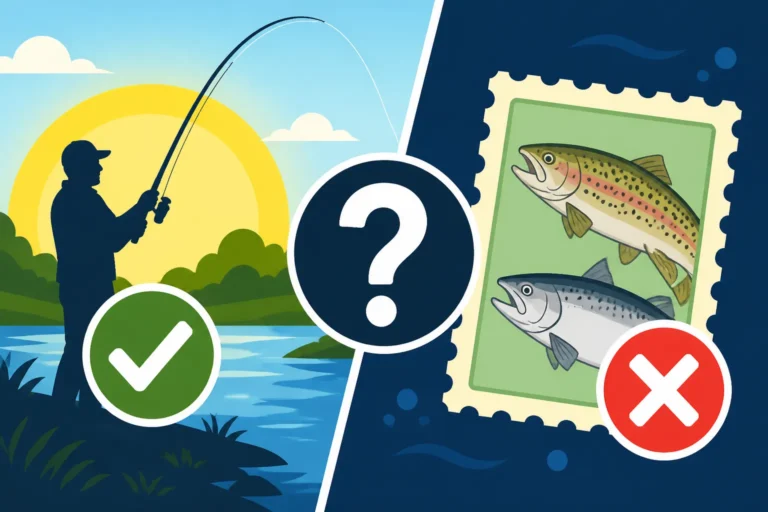
- Special Stamps: If you plan on fishing for trout or salmon, you'll also need to purchase an additional Trout/Salmon Stamp. This is a separate endorsement on your license. Even if you think you might accidentally catch one, it's safer to have the stamp. Read up on Do You Need a Trout and Salmon Stamp to Fish for Trout? for full details.
- License Year: Indiana's fishing licenses run from April 1st through March 31st of the following year. This is a common point of confusion for anglers used to calendar year licenses. Always double-check the expiration date on your license, especially if you're fishing in late winter or early spring. Understanding the Indiana Fishing License Year Explained can save you a lot of grief.
By taking a few minutes to understand these requirements and purchasing your license, you're not only complying with the law but also contributing directly to the conservation and management of Indiana's fish populations and aquatic habitats. It's a small investment for a much more enjoyable, worry-free time on the water, whether you're fishing in the Lake Michigan Fishing Rules for Indiana Anglers area or a quiet local pond.
Disclaimer
This article is for general informational purposes only and does not constitute professional advice. Laws, prices and regulations vary by location and change over time. Consult a qualified professional for guidance on your specific situation.