Why the Fishing License Year Isn’t a Calendar Year
It’s a tale as old as time for Indiana anglers: you’re geared up, tackle box stocked, and ready to hit the water, only to realize your fishing license expired a few months ago. Or maybe you just bought a license in the middle of summer, expecting it to last until December 31st, only to find out it runs out much sooner than you thought. This common confusion stems from a simple fact: Indiana's fishing license year doesn't follow the calendar year, and understanding why can save you a lot of hassle and potential fines. This guide will walk you through the reasons behind Indiana's unique license cycle and offer practical advice for navigating it like a pro.
Understanding Indiana's Fishing License Year Cycle
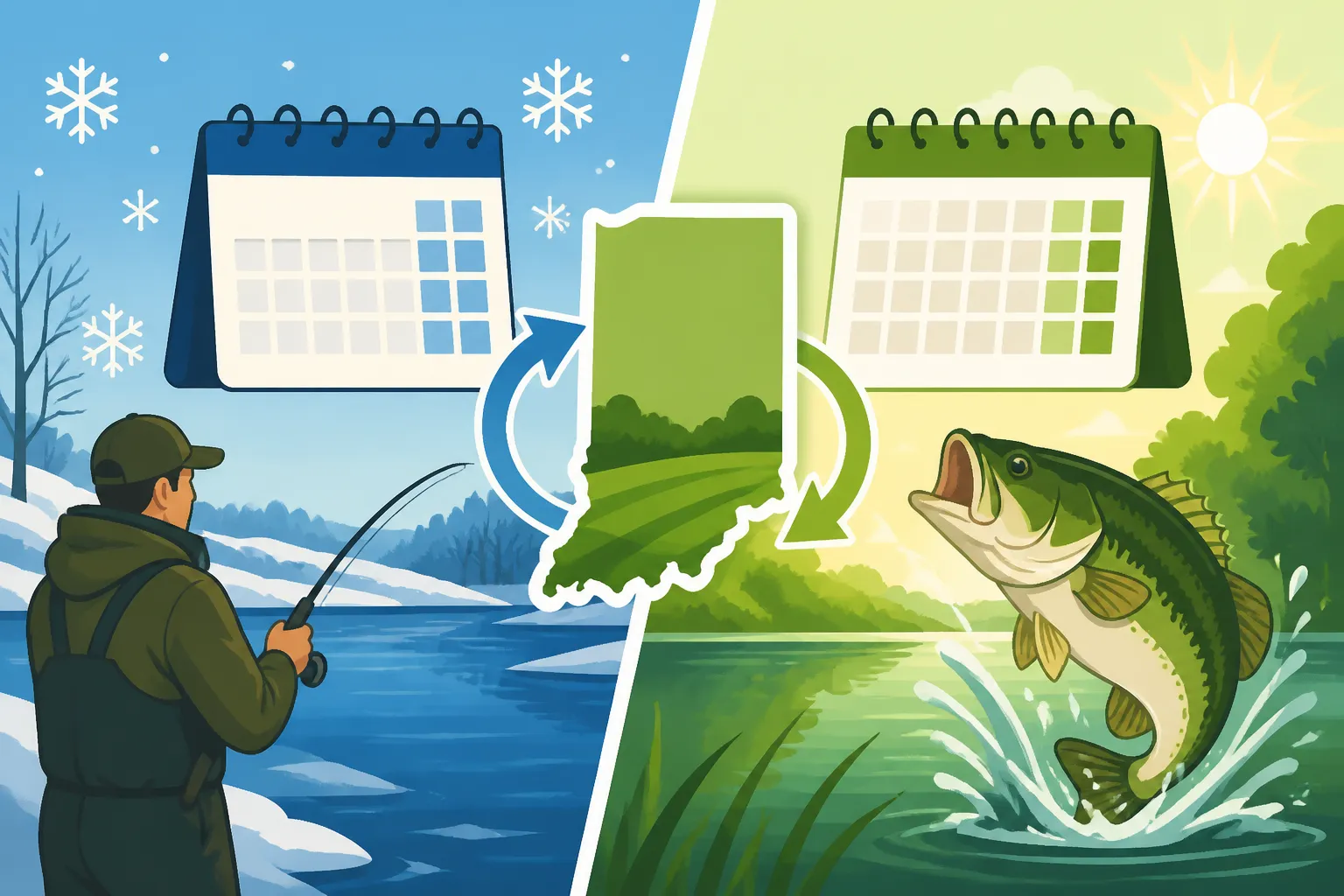
Let's cut right to the chase: Indiana's annual fishing licenses are valid from April 1st through March 31st of the following year. This means that no matter when you purchase your annual license, it will always expire on March 31st. If you buy a license on April 1st, you get a full 12 months. If you buy it on September 1st, you get about seven months. If you buy it on March 1st, you're only covered for a single month. This can certainly feel a bit counter-intuitive when most other annual subscriptions and permits follow a standard January-December cycle.
The frustration is real when you think you're covered for a full year from your purchase date, only to be surprised by an early expiration. Imagine buying a license in October, thinking you're good until next October, but then discovering it's actually expiring the following March. It’s a common pitfall, and one that has caught many an unsuspecting angler off guard. Knowing these dates is the first step in avoiding that sinking feeling of being unlicensed on the water.
The Specific Start and End Dates
The fixed period from April 1st to March 31st is the backbone of Indiana's licensing system. Every single annual fishing license sold for a given year will begin on April 1st and conclude on March 31st. This consistency, while initially confusing to some, is actually designed to align with several natural and administrative cycles. It creates a predictable window for the Indiana Department of Natural Resources (DNR) to manage licenses, enforce regulations, and plan conservation efforts.
So, when you see a new license become available in late March or early April, it's for the upcoming license year. For instance, a 2024-2025 license would be valid from April 1, 2024, to March 31, 2025. It’s not just a random date; it's a strategically chosen period that impacts everything from fish management to state revenue. Making sure you're aware of these dates, especially if you're planning your first spring trip, can make all the difference. Check out our guide on When Does Indiana's Fishing License Year Start? for more details on these critical dates.
Comparison to Other States and Calendar Year Licenses
While Indiana's April-to-March cycle might seem unique, it's actually not uncommon for states to deviate from a strict calendar year for their fishing and hunting licenses. Many states opt for cycles that better align with biological seasons, budget periods, or even historical precedents. For example, some states might use a fiscal year, or perhaps a year that begins with a major hunting season.
The primary difference with a calendar year license is its simplicity: bought in January, expires in December. Indiana's system requires a bit more foresight. It means that if you're a sporadic angler who only goes out a few times a year, the timing of your purchase becomes crucial to maximize the value of your license. If you only fish in May and June, buying your license in February for the new license year makes more sense than buying one in August that only covers the tail end of the current one. This distinction is vital for both resident and nonresident anglers alike, as the Indiana Fishing License Costs for Residents and Nonresidents remain the same regardless of when within the cycle you purchase.
Why April 1st Makes Perfect Sense for Anglers and the State
You might be wondering, "Why April 1st? Why not January 1st like everything else?" The answer lies in a combination of biological cycles, administrative efficiency, and historical practices that have shaped Indiana's conservation efforts over the years. This seemingly arbitrary date actually aligns quite well with the rhythms of nature and the practical needs of managing the state's fisheries.
Aligning with Spring Fishing Opener and Fish Spawning
April 1st isn't just a random date; it closely coincides with the real "start" of the serious fishing season for many species in Indiana. As the ice melts and water temperatures begin to rise, fish activity kicks into high gear. This is when many species, especially panfish and bass, start moving into shallower waters for their pre-spawn and spawning activities. The Indiana Bass Spawn Timing and Pre-Spawn Patterns often begins around this period, signaling a new burst of activity.
By having the license year start on April 1st, the DNR ensures that anglers are properly licensed during this crucial period of increased fishing pressure. It’s a natural reset button that aligns with the awakening of Indiana's aquatic ecosystems. Imagine the administrative nightmare if licenses expired mid-spawn! This timing also helps the DNR gather accurate data on angler participation and harvest during the peak spring and summer months, which is essential for effective fishery management. It ensures that the funds collected from licenses are immediately available as the busiest fishing season begins, ready to support stocking programs, habitat improvements, and enforcement efforts.
Budgeting and Administrative Efficiency for the DNR
From the state's perspective, the April 1st start date often aligns with the DNR's fiscal year or at least provides a consistent and predictable revenue stream at the beginning of its busiest operational period. Managing millions of licenses and their associated revenue requires a stable cycle. If licenses expired sporadically throughout the year, it would be much harder to forecast revenue and allocate resources efficiently for critical programs like fish stocking, habitat restoration, and enforcement.
By consolidating the license renewal period around a single start date, the DNR can streamline its administrative processes. This means more resources can be dedicated to boots-on-the-ground conservation work rather than endless administrative renewals. It allows for clearer reporting and better long-term planning for Indiana’s diverse fisheries, from the large reservoirs like Monroe Lake to the winding rivers like the Wabash. This organized approach ultimately benefits all anglers by contributing to healthier fish populations and well-maintained public access points, helping the DNR follow the overall Indiana Fishing Regulations and Bag Limits Guide.
Practical Implications for Your Fishing Schedule and Budget
Understanding Indiana's unique license year isn't just about avoiding a fine; it’s about smart planning for your fishing adventures and your wallet. Knowing when your license truly expires can impact when you buy new gear, when you plan your trips, and how you budget for your passion.
When to Buy and Renew Your License
Given the April 1st start date, the best time to purchase your annual Indiana fishing license is right around April 1st or shortly thereafter. This ensures you get the full 12 months of validity. If you buy it later in the year, you’re essentially paying for a shorter period of coverage. For example, if you grab your license in August, it will still expire on March 31st of the following year, giving you only about eight months of fishing time.
Many anglers make it a habit to renew their license as part of their spring fishing preparations. It’s a good time to check all your gear, organize your tackle box (maybe with some new lures you ordered from Amazon), and make sure your paperwork is in order. You can easily get your new license online through the DNR website, making the process quick and painless. Read our guide on Buying a Fishing License Online in Indiana for simple step-by-step instructions. You can also visit authorized retailers across the state, like many bait and tackle shops, sporting goods stores, and even some county clerks' offices. Just don't wait until you're already at the boat ramp!
| License Year | Start Date | End Date | Optimal Purchase Time | Reason |
|---|---|---|---|---|
| Annual | April 1st | March 31st | March/April | Maximizes 12 months of validity |
| Daily/7-Day | Purchase Date | Fixed Duration | As Needed | Short-term, designed for flexibility |
Maximizing Value for Different Angler Types
How the April 1st to March 31st cycle affects you depends largely on your fishing habits:
- Year-Round Anglers: For those who hit the water whenever possible, regardless of the season, buying your license right around April 1st is a no-brainer. This gives you the maximum time on the water for your investment, covering everything from spring crappie to winter ice fishing. You'll be covered for the entire Indiana Fishing Seasons: A Month-by-Month Guide.
- Seasonal Anglers: If you only fish during specific times of the year, say, primarily in the summer months or during the fall salmon run on Lake Michigan, you need to be a bit more strategic.
- If your primary fishing window is from May to September, buying in April still makes sense.
- However, if you mainly fish in late fall or winter, purchasing an annual license in, say, November, might only give you a few months of use before it expires in March. In such cases, carefully consider if a shorter-term license, like a 1-day or 7-day nonresident license, might be more cost-effective, especially if you're visiting from out of state.
- New Anglers/Beginners: For those just dipping their toes in the water, understanding this cycle is paramount. It’s easy to assume a calendar year, leading to frustration. This knowledge helps you make an informed decision and avoid the unpleasant surprise of an expired license when you’re out trying to enjoy a peaceful day on the lake. Don't forget that kids under 18 can often fish for free, and there are Indiana Free Fishing Days Guide where no license is required for anyone, resident or nonresident!
Always keep an eye on the expiration date printed on your license. Better yet, set a reminder on your phone or mark your calendar for March to ensure you renew promptly. This simple step will ensure you’re always legally prepared for your next fishing adventure in Indiana. You can also find information on Renewing an Indiana Fishing License Online to make the process even easier each year.
Tips for Navigating the Non-Calendar Fishing Year
Dealing with a fishing license year that doesn't follow the traditional January to December cycle can be a minor annoyance, but with a few simple strategies, you can navigate it like a seasoned pro. It’s all about planning ahead and integrating this key date into your annual angling routine.
Setting Up Reminders and Digital Alerts
One of the easiest ways to avoid an expired license is to set up a robust reminder system. Don't rely on memory alone!
- Calendar Alerts: Use your digital calendar (Google Calendar, Apple Calendar, Outlook) to set a recurring reminder for mid-March each year. Title it something clear like "Renew Indiana Fishing License!" and set it to notify you a few weeks in advance. This gives you plenty of time to purchase the new license before the April 1st start date.
- Email Reminders: The Indiana DNR actually offers email reminders for license renewals if you opt into their communication. This is a fantastic, hands-off way to get a nudge when it’s time to re-up. Make sure your contact information is up to date when you How to Get an Indiana Fishing License.
- Physical Reminders: If you're old-school, write it on your physical calendar, or even put a sticky note on your fishing gear, perhaps on that new tackle box you just got from Amazon. The goal is to make sure you see it before it's too late.
By proactively setting these reminders, you'll eliminate the stress of scrambling last minute or, worse, being caught on the water without a valid license.
Integrating License Renewal into Your Spring Routine
Think of your fishing license renewal as a vital part of your annual spring fishing preparation, just like checking your lines or sharpening your hooks.
- Gear Check & License Check: When you pull out all your rods, reels, and tackle to clean and organize them for the spring season, make a point to also check your current fishing license. Is it valid past March 31st? If not, it's time to renew. This can be a perfect opportunity to inventory your lures, and maybe pick up some new soft plastics from Amazon for the upcoming season.
- Plan Your First Trip: As you start planning your first spring fishing trips – perhaps targeting early season crappie or pre-spawn bass – confirm your license is current. This is especially important for those enthusiastic anglers who love to be out on the water right on April 1st. You don't want to miss the initial bite because of a paperwork oversight.
- Family Licensing: If you’re responsible for licenses for your entire family, create a checklist. While Kids Fish Free Until Age 18 in Indiana, any adult anglers will need their own. Adding "check licenses" to your family's spring outdoor checklist ensures everyone is covered.
By making license renewal a natural step in your pre-season ritual, it becomes much harder to forget. This proactive approach ensures you’re always ready to cast a line legally and responsibly, contributing to the health and sustainability of Indiana's fantastic fishing opportunities.
Leveraging Short-Term License Options
For anglers who don't fish year-round or who are only visiting Indiana for a short trip, understanding the short-term license options is key to making the non-calendar year work for you. Don't feel pressured to buy an annual license if it doesn't fit your needs.
- 1-Day and 7-Day Licenses: Indiana offers specific 1-day and 7-day fishing licenses, particularly popular with nonresidents. These licenses are valid for the specific duration from the date of purchase. For instance, a Nonresident 1-Day Fishing License Price: $9 is ideal for a quick weekend trip, while a Nonresident 7-Day Fishing License Cost in Indiana gives you a full week on the water. These are perfect for those visiting family or taking a short vacation to explore some of Indiana's beautiful lakes, like Patoka Lake or Lake Wawasee.
- Cost-Benefit Analysis: If you know you'll only be fishing, say, two weekends in the summer, buying two 1-day licenses might be cheaper than purchasing an annual license that expires on March 31st and doesn't cover all the months you need. Always do a quick calculation based on your anticipated fishing days to see which option offers the best value. This is especially true if you are an Ohio resident fishing in Indiana under Indiana Fishing License Reciprocity With Ohio, or any other neighboring state.
- Flexibility for Seasonal Anglers: Even resident anglers who only fish for a specific season might find these short-term options useful. If you only target panfish during the late spring or catfish in the dead of summer, a 7-day license might cover your needs without the commitment of an annual one, especially if your prime fishing window doesn't align well with the April-March annual cycle.
These flexible options are a great way for both residents and nonresidents to enjoy Indiana's waters without overspending or being caught off guard by an early annual license expiration. It’s all about choosing the right tool for the job – or in this case, the right license for your fishing plans.
Disclaimer
Please note that fishing regulations, license requirements, and costs can change. Always consult the official Indiana Department of Natural Resources (DNR) website or their current fishing guide for the most up-to-date and accurate information before heading out on your fishing adventures.