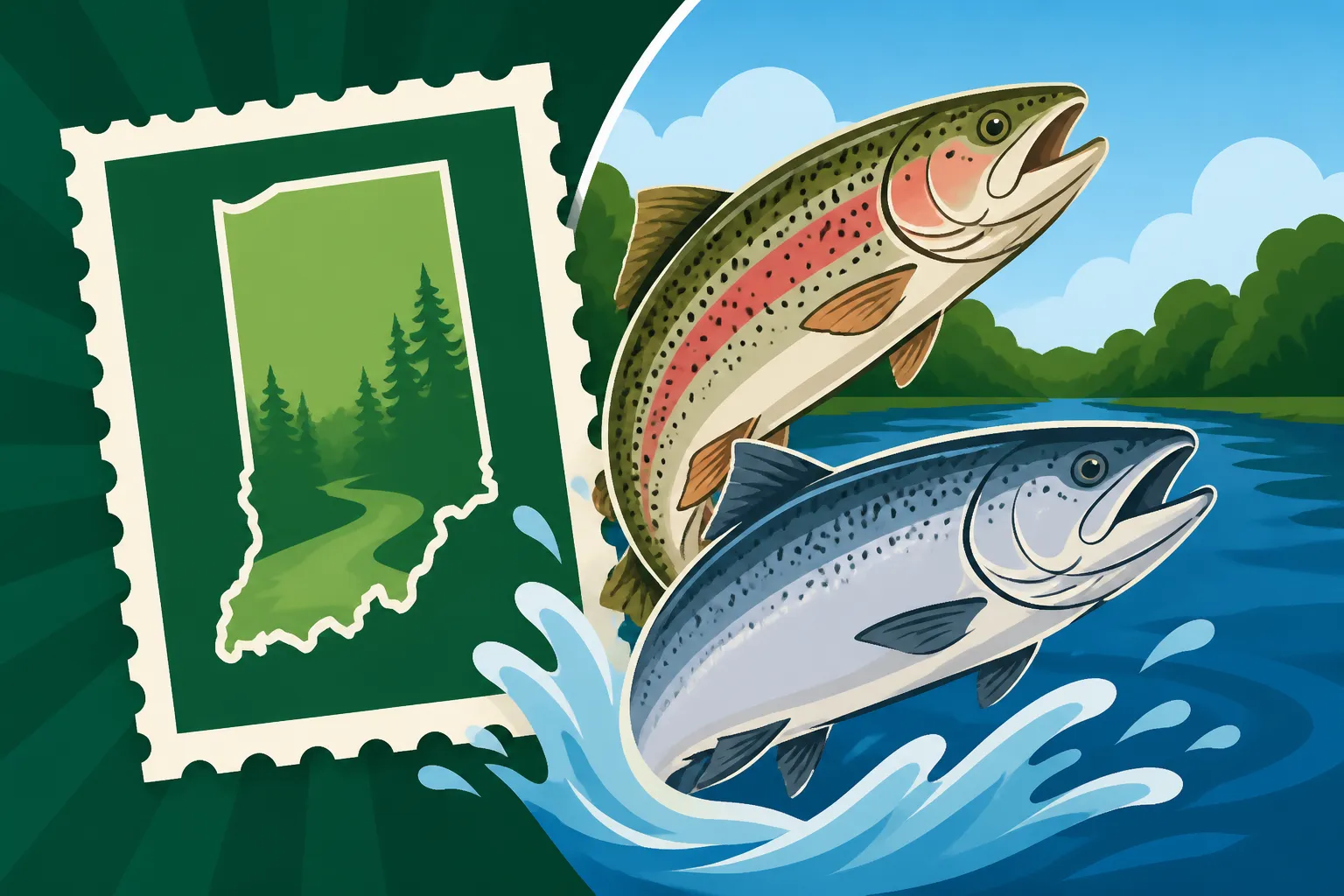
Indiana Trout and Salmon Stamp Cost: $11
If you've ever stood at the bait shop counter, trying to figure out which fishing license you actually need, you know the feeling. It's not always as simple as "one license for all fish." Especially when you're dreaming of reeling in a shimmering steelhead from a Lake Michigan tributary or casting for a feisty rainbow trout in a clear stream, a specific question often pops up: do I need an extra stamp for that? This guide is here to clear up all the confusion surrounding the Indiana Trout and Salmon Stamp, detailing exactly what it costs and when you absolutely need it to stay on the right side of the law.
The Specifics: What is the Indiana Trout and Salmon Stamp?
Let's cut right to the chase because nobody wants to get a citation while enjoying a peaceful day on the water. The Indiana Trout and Salmon Stamp isn't a standalone fishing license; think of it more like a specialized endorsement you add to your regular Indiana fishing license. It's an additional requirement for anglers aged 18 and older who intend to catch or possess trout or salmon in Indiana waters. This might sound a bit like bureaucratic overkill to some, but it serves a vital purpose in managing and conserving these specific cold-water fisheries that require unique habitats and stocking efforts.
The Indiana Department of Natural Resources (DNR) uses the funds generated from these stamps to support various programs. These include stocking trout and salmon in Lake Michigan, its tributaries, and various inland streams and lakes across the state. They also go towards habitat improvement projects, research, and enforcement efforts that ensure these challenging-to-maintain fisheries remain healthy and accessible for future generations of anglers. Without these dedicated funds, maintaining a vibrant trout and salmon population would be a much tougher, if not impossible, task. So, while it's an extra cost, it's directly reinvested into the very fishing opportunities you're pursuing. Many anglers, myself included, see it as a small contribution to keep these exciting fisheries thriving.
You might be wondering, "But I already bought my regular fishing license; doesn't that cover everything?" Unfortunately, no. The standard fishing license grants you permission to catch most other fish species found throughout Indiana, from largemouth bass to crappie and catfish. However, trout and salmon are unique. They are often stocked, require specific environmental conditions, and are highly sought-after sport fish. Because of this, the state has determined that a separate stamp is necessary to ensure these particular programs are adequately funded. It's similar to how some states require specific permits for deer tags or turkey tags; it's an additional layer of regulation for a specialized activity.
How Much Does the Indiana Trout and Salmon Stamp Cost?
This is the straightforward part, thankfully! The Indiana Trout and Salmon Stamp has a fixed price that makes budgeting for your fishing adventures a little easier. For the current license year, the Indiana Trout and Salmon Stamp costs $11. Yes, that's it – a flat eleven bucks. It's a relatively small investment when you consider the thrill of fighting a chrome-bright steelhead or the satisfaction of catching a colorful brook trout.
It's important to understand that this $11 stamp is an annual purchase, meaning it's valid for the same duration as your base fishing license. Indiana's fishing license year runs from April 1st through March 31st of the following year. So, if you purchase your stamp in, say, October, it will still expire on March 31st. There are no prorated rates, and no options for a 1-day or 7-day trout and salmon stamp; it's just the one annual fee that aligns with your main license. This makes planning a bit simpler; you buy it once for the season and you're good to go.
To put this cost into perspective, let's consider it alongside the typical annual fishing license fees. This will help you understand the Total Cost of an Indiana Fishing License With the Trout Stamp if you're planning on chasing these specific species.
| License Type | Base Annual Cost | Trout/Salmon Stamp Cost | Total Cost (with stamp) |
|---|---|---|---|
| Indiana Resident Annual | $23 | $11 | $34 |
| Indiana Nonresident Annual | $60 | $11 | $71 |
| Indiana Resident Senior (65+) | $3 | $11 | $14 |
| Nonresident 7-Day | $20 | $11 | $31 |
| Nonresident 1-Day | $9 | $11 | $20 |
As you can see from the table, while the base license costs vary significantly between residents and nonresidents, the Trout and Salmon Stamp remains a consistent $11 for everyone who needs it. This consistent fee simplifies planning, whether you're a local angler or visiting from out of state for a Fall Salmon Run Fishing on Lake Michigan in Indiana.
When you consider the costs, it's pretty clear that this stamp adds a modest amount to your overall fishing expenses. Think about what you spend on bait, tackle, gas for the boat, or even a nice new fishing hat you found on Amazon. That $11 is a small price to pay for the opportunity to legally pursue some of Indiana's most exciting fish. It's often purchased at the same time as your main license, making it a seamless addition to your annual fishing prep.
Who Needs This Stamp and When Is It Required?
Understanding when and who needs the Indiana Trout and Salmon Stamp is crucial, because nobody wants a surprise conversation with a conservation officer. The rule is pretty straightforward: if you are 18 years of age or older and you are actively fishing for, or intend to possess, trout or salmon in Indiana waters, you need this stamp. This requirement applies whether you're a resident or a nonresident.
Let's break down some common scenarios to clarify this further:
Actively Fishing for Trout or Salmon
This is where the intent comes in. If you're out on a designated trout stream, using specific lures or baits known to attract trout, or targeting areas where salmon are known to stage, then you definitely need the stamp. This includes:
- Lake Michigan and its tributaries: This is perhaps the most famous trout and salmon fishery in Indiana. Anglers casting spoons, drifting spawn, or trolling for Chinook, Coho, Steelhead, or Brown Trout in Lake Michigan or its feeder streams like Trail Creek or Salt Creek will need the stamp. The Lake Michigan Fishing Rules for Indiana Anglers are unique, and the stamp is a core part of that.
- Designated Inland Trout Streams: Indiana has several streams that are stocked with trout, particularly rainbow trout. These streams often have specific regulations and are clearly marked. If you're fishing these waters, especially during stocking periods, the stamp is a must.
- Inland Lakes with Trout/Salmon: Some inland lakes also receive trout stockings. If you're targeting these fish in those specific locations, the stamp applies.
Possessing Trout or Salmon
Even if your intention wasn't specifically to catch a trout or salmon, but you end up keeping one, you must have the stamp. This means if you're fishing a lake that has both bass and stocked trout, and you decide to keep a trout you caught, you better have that stamp. The law is designed to cover both intent and outcome when it comes to possession.
Who is Exempt from the Stamp?
There are a few key exceptions to the Trout and Salmon Stamp requirement:
- Anglers under 18: Just like with the general fishing license, kids and young adults under the age of 18 do not need to purchase the Trout and Salmon Stamp. This is a fantastic way to encourage youth participation in fishing, making it easier for families to introduce their children to the joys of the sport. You can learn more about this in "Do Indiana Residents Under 18 Need a Fishing License?"
- Free Fishing Days: Indiana offers several Indiana Free Fishing Days Guide throughout the year. On these designated days, residents and nonresidents alike can fish Indiana's public waters without needing a fishing license or the Trout and Salmon Stamp. It's a perfect opportunity to try trout or salmon fishing without the upfront cost. However, remember that all other fishing regulations, such as bag limits and size restrictions, still apply.
- Not Targeting, Not Possessing: If you are fishing in waters that contain trout or salmon, but you are specifically targeting other species (like panfish or bass) and you immediately release any trout or salmon you might accidentally catch, then you technically don't need the stamp. However, this is a gray area and can lead to misunderstandings with conservation officers if you're not careful. It's always safest to err on the side of caution. If you're using tackle and techniques that could catch a trout or salmon, even if it's not your primary target, it's wise to have the stamp. As the saying goes, "better safe than sorry."
It's also worth noting that the Indiana Fishing License Requirements Explained are part of a larger regulatory framework, and the stamp is just one piece of that puzzle. Always check the current Indiana DNR fishing guide for the most up-to-date information before you head out, as rules can occasionally change.
Where to Purchase Your Indiana Trout and Salmon Stamp
Getting your Indiana Trout and Salmon Stamp is a straightforward process, designed to be convenient for anglers. You have several options, whether you prefer the ease of online purchasing or a more traditional in-person experience.
Buying Online: Quick and Easy
The quickest and most common way to purchase your Trout and Salmon Stamp is online through the Indiana Department of Natural Resources (DNR) licensing system. This is an efficient way to get your Indiana Fishing License Requirements Explained and add the stamp from the comfort of your home.
Here's how it generally works:
- Visit the Indiana DNR Website: Head over to the official Indiana DNR licensing portal.
- Select Your License: You'll first select your annual resident or nonresident fishing license, or renew an existing one.
- Add the Stamp: During the purchase process, you'll be given the option to add specialized stamps, including the "Trout/Salmon Stamp." Simply check that box.
- Complete Transaction: Pay with a credit card, and you'll receive a confirmation email with a printable version of your license and stamp. You can also save a digital copy to your phone.
This online method is incredibly convenient, especially if you suddenly decide on a whim to head to a trout stream or realize the salmon are running in Lake Michigan. You can literally be sitting by the water, realize you forgot your stamp, and purchase it on your phone within minutes. Just make sure your phone has enough battery and reception! Many anglers rely on this method because of its speed and accessibility, allowing them to focus more on their fishing and less on paperwork.
In-Person Purchases: Supporting Local Shops
For those who prefer a more traditional approach or want to support local businesses, you can also purchase your Indiana Trout and Salmon Stamp in person.
- Authorized License Vendors: Across Indiana, many bait and tackle shops, sporting goods stores, and even some county clerk offices are authorized to sell fishing licenses and stamps. These vendors are usually well-versed in the local regulations and can often provide valuable fishing tips for the area. This is a great opportunity to pick up some last-minute bait or tackle for your trip. Places like Bass Pro Shops or even some smaller, independent hardware stores often carry licenses.
- State Parks and Reservoirs: Some Indiana State Parks or properties around major reservoirs with fishing opportunities might also have facilities to issue licenses and stamps. It's always a good idea to call ahead to confirm availability, especially for smaller locations.
When purchasing in person, you'll typically need to provide some basic personal information, such as your name, address, and date of birth. They'll print out your license and stamp right there, giving you a physical copy to carry with you. While many anglers now rely on digital proof on their phones, having a physical copy can be reassuring, especially if you're in an area with spotty cell service or if your phone battery dies.
Regardless of how you buy it, ensure you have proof of your valid Indiana fishing license AND the Trout and Salmon Stamp with you whenever you are fishing for or possessing these species. A conservation officer may ask to see it, and having it readily available can save you a lot of hassle. Whether it's a paper printout tucked into your tackle box or a digital image on your smartphone, make sure it's accessible. Remember, the goal is to enjoy your fishing trip, not to worry about legal technicalities. And you can always find useful gear on Amazon to help you organize your license and stamps, like a waterproof document holder.
What the Indiana Trout and Salmon Stamp Covers
When you spend your $11 on the Indiana Trout and Salmon Stamp, you're not just buying a piece of paper or a digital file; you're securing your legal right to participate in a specific and often thrilling segment of Indiana's angling opportunities. It's important to understand exactly What the Indiana Trout and Salmon Stamp Covers and, just as importantly, what it doesn't.
Access to Specialized Fisheries
The primary thing your stamp covers is your permission to target and keep trout and salmon species found in Indiana waters. This primarily includes:
- Lake Michigan Salmon: This is a huge draw for many anglers. Chinook (King) Salmon and Coho (Silver) Salmon offer powerful fights and are a prized catch, especially during the spring and fall runs. These fish spend most of their lives in Lake Michigan but migrate into Indiana tributaries to spawn.
- Lake Michigan Trout: Beyond salmon, Lake Michigan also hosts fantastic opportunities for Brown Trout, Steelhead (rainbow trout that migrate to the lake), and Lake Trout. Each offers a unique angling challenge, from the elusive nature of brown trout to the acrobatic jumps of a steelhead. For instance, knowing the Best Salmon Fishing Spots on Lake Michigan in Indiana is only half the battle; having the stamp is the other.
- Inland Stocked Trout: The Indiana DNR actively stocks various inland streams and lakes with trout, predominantly Rainbow Trout, to create put-and-take fisheries and some year-round opportunities. These typically smaller, scenic waters offer a different kind of trout fishing experience compared to the vastness of Lake Michigan. These stockings provide consistent action and are often a great way to introduce new anglers to trout fishing.
Essentially, the stamp unlocks these specific fisheries for you. Without it, you could be cited even if you accidentally catch and release one of these species, depending on the interpretation of "targeting." So, if there's any chance you might encounter one, and especially if you're using tackle suited for them, getting the stamp is simply the smartest move.
Funding Conservation Efforts
Beyond legal access, the $11 you pay goes directly into the programs that sustain these valuable fisheries. The money helps fund:
- Fish Stocking Programs: Trout and salmon are not naturally abundant in many Indiana waters, especially inland. The DNR operates hatcheries and conducts regular stocking efforts to maintain healthy populations, ensuring there are fish for you to catch. This is a continuous, costly effort, and your stamp directly contributes to it.
- Habitat Improvement: Protecting and enhancing the cold, clear water habitats that trout and salmon need is critical. Funds from the stamp can go towards stream bank stabilization, planting riparian vegetation, and other projects that improve water quality and create better conditions for these sensitive species.
- Research and Management: Understanding fish populations, migration patterns, and disease prevention is vital for effective management. Your stamp helps fund scientific studies that inform the DNR's decisions, ensuring sustainable fishing for generations to come.
- Enforcement: Conservation officers rely on these funds to patrol fishing areas, educate anglers, and enforce regulations, which helps prevent overfishing and protects the resource from illegal activities.
In essence, the Indiana Trout and Salmon Stamp is your ticket to legally pursue these exciting cold-water species, and it's also a direct contribution to their ongoing existence and management in Indiana. It helps ensure that when you plan your next trip, whether it's for the Indiana Walleye Length Limits by Lake or for a shot at a trophy King Salmon, the fish will be there.
Common Questions and Considerations
Even with the basic cost and requirements laid out, anglers often have additional questions. Let's tackle some of these to ensure you're fully prepared for your next trout and salmon fishing adventure in Indiana.
Does the Senior Fish-for-Life License Include the Trout Stamp?
This is a fantastic question, and one that trips up many senior anglers in Indiana. The Senior Fish-for-Life License, Indiana's One-Time Option is an incredible value for residents aged 65 and over, offering a lifetime of fishing for a single, low fee of $23. However, it's crucial to understand that the Fish-for-Life license does NOT include the Trout and Salmon Stamp.
If you are a senior angler with a Fish-for-Life license and you plan to fish for or possess trout or salmon, you will still need to purchase the annual $11 Trout and Salmon Stamp separately. This is a common oversight, so make sure to double-check your paperwork. It's a small annual addition to an otherwise permanent license, but it's a necessary one if you want to target these specific fish. Many senior anglers find it’s still an incredible deal, even with the annual stamp add-on.
What Happens if I Fish for Trout or Salmon Without the Stamp?
Fishing without the required Trout and Salmon Stamp, when you are legally obligated to have one, is treated similarly to fishing without a general fishing license. It's a violation of Indiana state law. While I can't give specific legal advice or guarantee outcomes, generally, here's what you might expect:
- Fines: You could be issued a citation and face fines. The exact amount can vary depending on the county, the discretion of the conservation officer, and whether it's a first offense or a repeat violation. These fines are often significantly more than the $11 cost of the stamp.
- Confiscation of Equipment: In some cases, a conservation officer might have the authority to confiscate your fishing equipment or your catch, especially if there are other violations involved.
- Future Impact: Repeat offenses could lead to more severe penalties or even the suspension of your fishing privileges.
The bottom line is that it's simply not worth the risk. For just $11, you ensure you're compliant with the law and avoid potential legal trouble that could ruin your day on the water. Conservation officers are out there to protect the state's natural resources and ensure everyone is following the rules, so it’s always best to be prepared. Before heading out, make sure to review the Indiana Fishing Regulations and Bag Limits Guide to avoid any other potential issues.
Are There Any Reciprocity Agreements for the Trout and Salmon Stamp with Neighboring States?
Indiana has some limited fishing license reciprocity agreements with neighboring states for certain border waters, particularly along the Ohio River or specific shared lakes. However, these agreements typically apply only to the general fishing license and usually do not extend to specialized stamps like the Indiana Trout and Salmon Stamp.
For example, if you're an Ohio resident fishing the Ohio River under a reciprocity agreement, you might be covered for most fish with your Ohio license. But if you then decide to come up to Lake Michigan's tributaries in Indiana to target salmon, you would still need to purchase an Indiana Nonresident Fishing License and the Indiana Trout and Salmon Stamp.
Always assume that specialized stamps are state-specific. If you're visiting Indiana from Michigan, Illinois, Ohio, or Kentucky, and you plan on targeting trout or salmon, you will need to get the Indiana Trout and Salmon Stamp in addition to your Indiana Nonresident Fishing License Guide. It's always best to check the Indiana DNR regulations specifically if you plan to fish border waters or cross state lines for your fishing trip. Don't rely on assumptions; a quick check can save you a lot of headache.
The Indiana Trout and Salmon Stamp is a modest investment that directly supports the health and future of these exciting fisheries. For just $11, you gain legal access to some of Indiana's most thrilling angling experiences and contribute to the vital conservation efforts that keep those experiences alive.
Disclaimer
Please note that fishing regulations, license costs, and requirements can change. While every effort has been made to provide accurate and up-to-date information, it is the angler's responsibility to verify the current regulations with the Indiana Department of Natural Resources (DNR) before fishing. This guide is for informational purposes only and should not be considered legal advice.