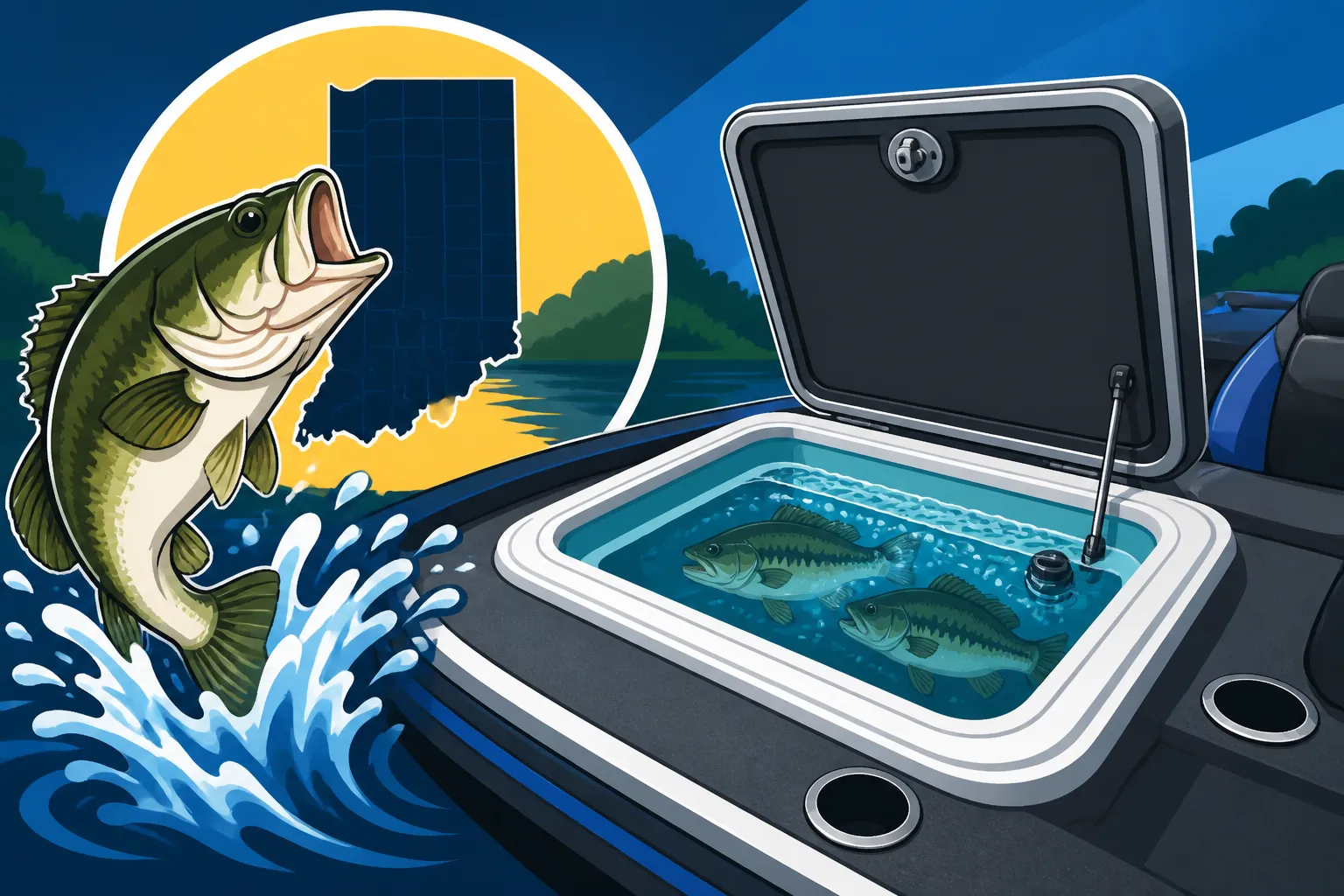
Best Livewells for Bass Boats
There’s nothing quite as gut-wrenching as reeling in that perfect Indiana largemouth bass, carefully placing it in your livewell, and then, hours later, opening the lid to find it looking… less than lively. For any dedicated bass angler, especially those who participate in tournaments or simply care deeply about the health of the fish they catch and release, a reliable livewell system isn't just a convenience; it's an absolute necessity. This guide dives deep into what makes a livewell truly effective, what features you absolutely need, and how to keep your prized catches happy and healthy until weigh-in or release in Indiana's diverse fishing waters.
Why a Quality Livewell is Crucial for Bass Anglers in Indiana
Fishing in Indiana offers incredible opportunities for bass anglers, from the sprawling waters of Monroe Lake to the quieter coves of Patoka Lake. But whether you're chasing that elusive trophy or competing for prize money, the health of the fish you catch often hinges on the quality of your livewell. It's more than just a big bucket of water; it's a mobile habitat designed to minimize stress and maximize survival.
Keeping Your Catch Healthy for Tournaments
Imagine you've spent all day on Best Bass Fishing Lakes in Indiana, meticulously working through your favorite spots, and finally, you've landed your limit of healthy bass. You head back to the weigh-in, heart pounding, only to be hit with a penalty because one of your fish didn't make it. It's a frustrating, heartbreaking scenario that tournament anglers know all too well. Dead fish penalties are standard in virtually every bass tournament, and for good reason: they encourage responsible handling and emphasize conservation. A properly functioning livewell dramatically increases the chances that your bass will survive the journey from hook to weigh-in, allowing them to be safely released to fight another day and ensuring you don't lose precious points. This isn't just about winning; it's about respecting the fish and the sport.
Protecting Your Investment in Catch-and-Release
Even if you're not a tournament angler, the principle of a healthy catch remains vital. Many of us practice catch-and-release, not just because regulations like Indiana's Statewide Bass Daily Bag Limit encourage it, but because we genuinely care about the future of our fisheries. When you carefully land a beautiful bass, you want it to swim away strong and vibrant, not sluggish and prone to post-release mortality. A good livewell acts as a temporary recovery room, allowing the fish to de-stress, regain its equilibrium, and recover from the fight before being gently returned to the water. This commitment to conservation ensures that Indiana's waterways continue to offer fantastic Largemouth Bass Fishing in Indiana: The Complete Guide for generations to come. It’s about being a good steward of the natural resources we cherish.
Key Features to Look for in a Bass Boat Livewell System
When you're outfitting your bass boat, the livewell system might not get the same glamour as a new trolling motor or fish finder, but its importance cannot be overstated. Understanding the core components and what makes them effective is key to ensuring your livewell performs when it matters most.
Aeration and Oxygenation Systems
The heart of any good livewell is its ability to provide a constant supply of fresh, oxygenated water. Fish need oxygen to survive, just like us, and stale water quickly becomes a death trap. Modern livewells employ several methods to achieve this. Recirculating pumps keep the existing water moving, often drawing it through a filter and then spraying it back into the tank, creating surface agitation that helps introduce oxygen. Fresh water exchange systems are even better, constantly bringing in new water from the lake and flushing out old, deoxygenated water. Many high-end systems combine these, using a fresh water intake while also recirculating and aerating the water already in the tank. Some also incorporate air injectors or diffusers, which bubble compressed air directly into the water, providing a direct boost of dissolved oxygen. Redundancy, having multiple pumps or systems, is a huge advantage, as a single pump failure can quickly lead to disaster on a hot day.
Insulation and Temperature Control
Indiana's weather can be unpredictable, with scorching summer days and surprisingly chilly spring mornings. Fish, particularly bass, are sensitive to sudden changes in water temperature. A well-insulated livewell is critical for maintaining a stable environment. High-quality marine-grade insulation in the walls and lid of the livewell helps prevent rapid temperature fluctuations, protecting your fish from thermal shock. During warmer months, you might need to add frozen water bottles or a small amount of ice (use treated lake water ice, not chlorinated tap water) to gradually cool the water. Conversely, on colder days, some anglers might add a small amount of slightly warmer water to prevent the livewell from becoming too cold. Maintaining the ambient lake temperature as closely as possible is always the goal, and good insulation makes this job much easier.
Size, Shape, and Capacity
The physical design of the livewell plays a significant role in fish comfort and health. While larger is generally better, the actual volume needed depends on the size and number of fish you anticipate keeping. Most tournament circuits have limits on how many bass you can keep, often around Combined Bass Limit for Indiana Lakes and Rivers, so ensure your livewell can comfortably hold your legal limit without overcrowding.
Beyond sheer size, look for features like rounded corners and a smooth, non-abrasive interior. Sharp angles can bruise fish, and rough surfaces can scrape off their protective slime coat, making them susceptible to disease. Baffles or dividers are also incredibly useful, preventing fish from sloshing around violently during transit, especially in rough water. Proper drainage and overflow systems are essential to prevent overfilling and ensure water quality can be managed effectively.
Filtration and Water Quality
Even with excellent aeration and temperature control, water quality can degrade rapidly if not managed. Fish excrete waste, shed scales, and release slime, all of which contribute to ammonia buildup and declining water quality. A good filtration system can make a world of difference. This can range from simple screens over intake and outflow ports to more sophisticated cartridge filters that remove particulate matter. Some anglers even add chemical additives designed to neutralize ammonia, reduce stress, and replace electrolytes. Regularly flushing and exchanging water, especially if you have multiple fish in the livewell for an extended period, is your best defense against deteriorating water quality.
Common Livewell Issues and How to Troubleshoot Them on Indiana Waters
Even the best livewell systems can encounter problems. Knowing how to diagnose and address common issues quickly can be the difference between a healthy catch and a disheartening loss. Being prepared for typical scenarios will serve you well on Indiana's varied fishing spots.
Low Oxygen Levels and Stressed Fish
This is arguably the most common and critical livewell problem. Signs of low oxygen and stressed fish include gulping at the surface, listing on their side, rapid gill movement, and erratic swimming. If you see these signs, act fast. First, check your aeration pumps. Are they running? Is water circulating effectively? Sometimes, a clogged intake screen or a faulty fuse is the culprit. Carry spare fuses and check wiring connections regularly.
If the pumps are fine, consider the water temperature. Warm water holds less oxygen. Adding frozen water bottles or a small amount of ice (again, lake water ice) to gradually cool the water can help. Oxygen additives, readily available at sporting goods stores like Bass Pro Shops, can provide an immediate boost. If you're near a dock or safe area, consider exchanging a significant portion of the livewell water with fresh lake water. The key is to react quickly and methodically.
Temperature Swings and Fish Shock
Sudden temperature changes are highly detrimental to fish. This often happens when you move from cool, deep water to warmer, shallow areas, or when the air temperature drastically changes throughout the day. Fish shock can weaken fish, making them susceptible to illness and less likely to survive release.
To manage temperature, always be mindful of the ambient lake conditions. If it's a hot summer day, utilize your livewell's insulation. Periodically check the water temperature with a thermometer. Gradually adding ice can lower the temperature, but do it slowly to avoid shocking the fish further. Keep the livewell lid closed as much as possible to prevent heat transfer from the sun. If your boat has a shade cover, deploy it to keep direct sunlight off the livewell area. On colder days, ensure your recirculating pump is working to prevent ice formation if temperatures drop unexpectedly.
Pump Failures and Clogs
Mechanical failures are an unfortunate reality of boating. Livewell pumps can clog with weeds, debris, or even fish scales, leading to reduced flow or complete stoppage. Always inspect your livewell intake screens before and during your fishing trip. If you notice reduced flow, try to clear any visible obstructions.
Carrying a spare pump, especially for key components like the main fill or recirculating pump, can be a lifesaver. Tools for basic repairs, like a screwdriver and spare fuses, should always be in your tackle box. If a pump fails completely and you don't have a spare, your options are limited: try to exchange water manually with a bucket if possible, add oxygen additives, or head immediately to the nearest weigh-in or release point. Regular pre-trip checks of all livewell components are the best preventative measure.
Top Considerations When Choosing a Livewell System for Your Indiana Bass Boat
Deciding on the right livewell for your bass boat involves more than just picking the biggest tank. You need to weigh the benefits of integrated systems against aftermarket options, consider your budget, and always keep an eye on tournament compliance.
Integrated vs. Aftermarket Livewells
Most dedicated bass boats, like those often seen in Indiana tournaments on lakes like Monroe or Patoka, come equipped with integrated livewell systems from the factory. These are typically designed to be highly efficient, with insulated tanks, multiple pumps, and well-thought-out plumbing. They blend seamlessly into the boat's design and offer maximum capacity and performance. For serious anglers or those buying a new boat specifically for bass fishing, an integrated system is usually the way to go.
However, if you have an older boat, a multi-species boat, or a smaller craft, aftermarket livewells can be an excellent solution. These can range from simple portable insulated coolers with added aerators to more complex custom-installed systems. You can find robust portable aerator kits and even complete portable livewell systems on retailers like Amazon or at Bass Pro Shops. While they might not offer the same level of seamless integration or capacity as a built-in system, they provide flexibility and can be surprisingly effective if chosen and set up correctly. Think about your specific needs: how many fish do you typically keep, what size are they, and how long will they be in the livewell?
Budget and Maintenance
The cost of a livewell system can vary wildly, from a few hundred dollars for a basic portable setup to thousands for a high-end integrated system with all the bells and whistles. When budgeting, consider not just the upfront purchase price but also ongoing maintenance costs. Pumps, aerators, and filters will eventually need to be replaced. Power consumption also needs to be factored in, especially if you plan extended trips and rely on your boat's battery system.
Regular maintenance, regardless of the system type, is crucial. This includes flushing the system with a mild bleach solution periodically to prevent algae and bacterial growth, checking all hose connections for leaks, and ensuring pump impellers are clear of debris. Keeping spare parts on hand, such as fuses, small sections of hose, and even a backup aerator pump, can save a trip if something goes wrong. Always refer to your livewell system's manual for specific maintenance recommendations.
Compliance with Tournament Rules and Regulations
For competitive anglers, livewell compliance is non-negotiable. Most major bass tournaments, and even many local Indiana fishing clubs, have specific rules regarding livewell capacity, aeration, and functionality. Some might require certain types of aerators, specific capacities, or even prohibit certain additives. Before you head out for a tournament, always review the official rules and regulations. Ensuring your livewell system meets these requirements will prevent disqualification and give you peace of mind. While most modern bass boats come with tournament-compliant livewells, it's always wise to double-check. For general information on local rules, you can always consult resources like Indiana Fishing Regulations and Bag Limits Guide to understand overall state expectations for fish care and handling.
Here's a quick comparison of common livewell components and their primary functions:
| Component | Primary Function | Key Benefits | Considerations |
|---|---|---|---|
| Aeration Pump | Circulates water and creates surface agitation | Adds dissolved oxygen; removes stale water | Can be noisy; requires power; prone to clogging |
| Oxygen Injector | Directly bubbles air into the water | Provides maximum oxygen saturation | More complex installation; requires separate pump |
| Recirculating Pump | Keeps existing water moving and aerated | Maintains oxygen levels without constant fresh water | Doesn't remove toxins; needs filtration |
| Fresh Water Intake | Brings new lake water into the livewell | Replenishes oxygen; flushes out waste | Requires constant monitoring; can introduce debris |
| Insulation | Prevents rapid temperature changes | Protects fish from thermal shock; reduces stress | Adds weight and bulk; quality varies |
| Filtration System | Removes debris, scales, and toxins from water | Improves water clarity; reduces ammonia buildup | Requires regular cleaning/replacement of filters |
| Livewell Additives | Neutralizes toxins; reduces stress; replaces electrolytes | Enhances fish health and survival | Must be used correctly; check tournament rules |
Choosing the best livewell for your bass boat is a personal decision that depends on your fishing style, budget, and commitment to fish health. Whether you're upgrading an existing setup or buying a new boat, prioritizing a robust and reliable livewell system is an investment in successful fishing trips on Indiana's fantastic waters. From Best Bass Fishing Techniques for Pre-Spawn to keeping your prize healthy on a hot summer day, your livewell is your fish's best friend.
Disclaimer
This article is for general informational purposes only and does not constitute professional advice. Laws, prices and regulations vary by location and change over time. Consult a qualified professional for guidance on your specific situation.