Best Sunglasses for Sight Fishing on the Water
It's incredibly frustrating when you're out on a beautiful Indiana lake or river, the sun is shining, and you know there are fish around, but you just can't quite see them lurking beneath the surface. That glare reflecting off the water's surface can turn what should be a crystal-clear view into an impenetrable mirror, causing you to miss subtle takes or completely overlook fish holding in prime structure. This guide is all about cutting through that watery veil, helping you understand how to choose the best sunglasses specifically designed for sight fishing, so you can spot those fish and increase your chances of a successful day on the water.
The Frustration of Surface Glare and Why It Matters for Anglers
Let's face it, we've all been there. You pull up to a promising lily pad field on a quiet pond, or you're slowly drifting over a submerged rock pile on Monroe Lake, and you're squinting, cupping your hands over your eyes, trying desperately to peer into the depths. All you see is a shimmering, blinding reflection. It's not just annoying; it's a huge disadvantage when you're trying to fish. Missing that subtle flash of a bass moving towards your lure, or failing to spot the dark outline of a crappie school near a dock, means missed opportunities.
Sight fishing, whether you're stalking cruising bass in clear water, picking out wary walleye on a bright day, or even just watching panfish nibble at your bait, is one of the most exciting and effective ways to fish. It gives you an edge, allowing you to present your lure directly to fish you've located, observe their reactions, and adjust your retrieve or bait presentation in real-time. But without the right gear, specifically a quality pair of polarized sunglasses, that advantage vanishes. You're essentially fishing blind, relying purely on feel and guesswork. Many anglers underestimate just how much a good pair of shades can transform their experience, not just for comfort, but for actual fish-catching ability. It’s like trying to hit a target with your eyes closed – you might get lucky, but consistent success comes from seeing what you're aiming at.
The Science Behind Glare: Why Water Reflects So Much Light
To truly appreciate why special sunglasses are so important, it helps to understand what's actually happening when light hits the water. Sunlight contains light waves that vibrate in all directions. When these light waves hit a flat surface, like the surface of a lake or a river, some of them become polarized. This means they start vibrating predominantly on a horizontal plane. It's this horizontally vibrating light that creates the intense, blinding glare we experience. This glare essentially acts like a curtain, blocking your vision into the water and making it impossible to see anything below.
Think about it like this: imagine trying to look through a window that has a bright spotlight shining directly on it from the outside. You'd see mostly the reflection of the spotlight, not what's beyond the window. The water's surface is similar, but instead of a single spotlight, it's the sun's full intensity bouncing off a vast, shimmering expanse. Regular sunglasses might dim the overall light, making things a bit more comfortable, but they don't specifically target and eliminate that horizontally polarized glare. This is where the magic of polarized lenses comes into play, which we'll dive into next.
The Non-Negotiable Feature: Polarization for Cutting Through Water Glare
If there's one single feature that elevates a pair of sunglasses from "nice to have" to "absolutely essential" for sight fishing, it's polarization. There's simply no substitute. Without polarized lenses, you are fighting an uphill battle against the sun's reflections, and you'll miss out on countless fish. This isn't just a marketing gimmick; it's a fundamental technology that makes a profound difference in your ability to see fish, structure, and changes in water depth.
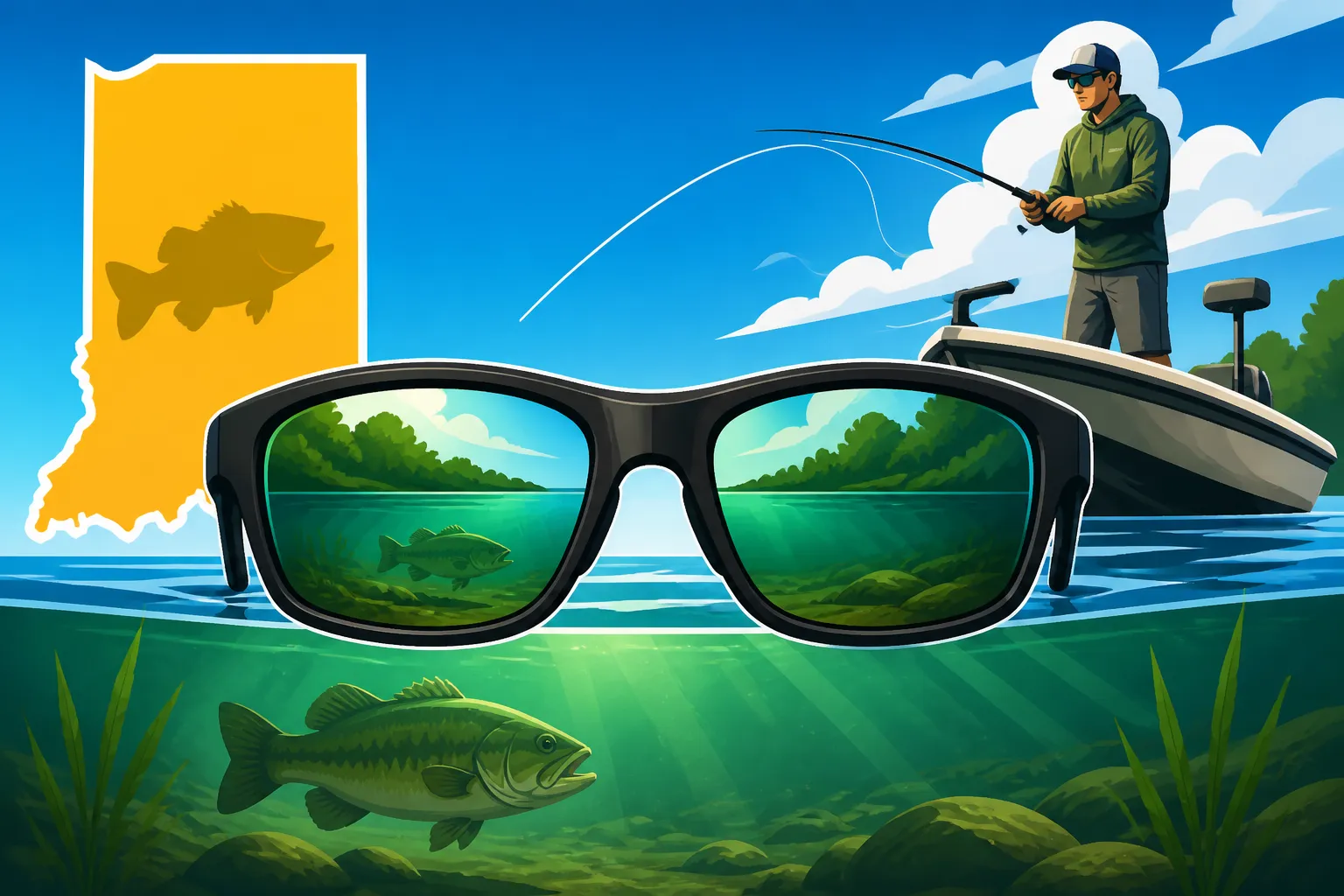
A good pair of polarized sunglasses has a special filter embedded within the lens that specifically blocks those horizontally vibrating light waves that cause glare. It's like having tiny, microscopic venetian blinds built into your lenses, oriented to only let vertical light waves pass through. The result? That blinding surface glare is dramatically reduced, allowing your eyes to penetrate the water's surface and see what's happening underneath. You'll be amazed at the details that suddenly become visible – the subtle sway of weeds, the dark shadow of a log, or the unmistakable profile of a cruising bass. This ability to see deeper into the water directly translates to more fish caught because you're more aware of your surroundings and can react quicker to fish activity. When considering your next pair, whether browsing options at Bass Pro Shops or searching online, always confirm they are truly polarized.
How Polarized Lenses Work Their Magic
The science behind polarization is fascinating but simple. The filter in polarized lenses is made up of vertically aligned molecules. When horizontal light waves (glare) hit this filter, they are absorbed or blocked. Vertical light waves, which carry useful visual information, are allowed to pass through. This isn't just about making things darker; it's about selectively filtering out the bad light while letting the good light reach your eyes.
Imagine looking at a pond on a sunny day without polarized sunglasses. The surface is a blinding white sheet. Now, put on a pair of polarized sunglasses. Suddenly, that white sheet becomes transparent, and you can see the dark bottom, the weeds, and maybe even a school of bluegill darting around. That's the power of polarization at work. It transforms your vision, giving you a clear window into the underwater world. This is especially critical in Indiana's clearer waters, like many of the glacial lakes in the northern part of the state or even the deeper sections of reservoirs like Patoka Lake. It also helps immensely when reading changes in currents or spotting submerged rocks when Fishing the Tippecanoe River in Indiana.
The Difference Between Polarized and Non-Polarized Lenses
It's a common misconception that all dark sunglasses are the same. While non-polarized sunglasses will reduce the overall brightness, making it more comfortable to look at a bright scene, they won't do anything to eliminate glare. They simply dim everything, including the glare, without allowing you to see through it. This can even be counterproductive, as your pupils might dilate in the dimmer light, making the residual glare even more noticeable.
Polarized lenses, on the other hand, actively cut the glare. This means you can often have a lighter tint on a polarized lens and still achieve better glare reduction than a very dark non-polarized lens. The benefit isn't just about comfort; it's about visual acuity and clarity beneath the surface. For serious anglers, particularly those focused on sight fishing, choosing non-polarized sunglasses is essentially leaving a crucial tool in the tackle box. When you're trying to spot Largemouth Bass Fishing in Indiana: The Complete Guide in shallow cover or follow your lure's path, polarization is a game-changer.
Choosing the Right Lens Color for Indiana's Varied Waters
Once you've committed to polarized lenses, the next big decision is lens color. This isn't just a style choice; different lens tints are optimized for different light conditions and environments, directly impacting your ability to see fish. Understanding the nuances of each color can significantly enhance your sight fishing success across Indiana's diverse fishing landscapes, from murky rivers to clear glacial lakes.
Think about the conditions you typically fish in. Is it usually bright and sunny, or do you often find yourself out on overcast days? Do you spend more time on deep, clear lakes or shallow, tannin-stained rivers? Your answers will guide you toward the ideal lens color.
Amber, Copper, and Brown Lenses: The Versatile All-Rounders
These warm-toned lenses are arguably the most popular and versatile choice for freshwater fishing, and for good reason. Amber, copper, and brown tints excel at enhancing contrast, making it easier to spot fish against varying backgrounds and differentiate subtle structures. They also do a fantastic job of blocking blue light, which can cause haze and eye fatigue.
- Best for: A wide range of conditions, from partly cloudy to bright sunny days. They are excellent for shallow water fishing, especially in areas with vegetation or rocky bottoms, like many of Indiana's lakes and reservoirs. If you're chasing Indiana Walleye Fishing: A Complete Guide in clearer waters, these colors will help you pick out their camouflaged forms against the bottom. They are also fantastic for sight fishing bass along weed lines or around docks. If you're only going to own one pair of fishing sunglasses, a quality amber or copper lens is often your best bet for general Indiana fishing. They provide a good balance of light transmission and glare reduction, making them adaptable to many scenarios you'll encounter on the water.
Gray or Smoke Lenses: For Bright, Intense Sunlight
Gray or smoke lenses are designed to reduce overall brightness without altering color perception. They offer the most natural color rendition, which can be beneficial in certain situations, especially during peak sun.
- Best for: Extremely bright, sunny days, especially on open water with minimal shade. They are ideal for deep-water fishing where you're more concerned with overall light reduction than with seeing fine details in the immediate shallows. For instance, if you're out on Lake Michigan and the sun is beating down relentlessly, a gray lens can provide maximum comfort and reduce eye strain. However, in lower light conditions or murky water, they might not offer the same contrast enhancement as the warmer tints, making it harder to spot fish. When looking for these, consider brands known for their optical quality, which you might find at larger retailers or specialized outdoor shops.
Yellow or Vermilion Lenses: Enhancing Contrast in Low Light
These lighter, often brightly colored lenses are specialized tools for specific situations. They allow more light to pass through while still providing glare reduction, making them useful when visibility is already compromised.
- Best for: Overcast days, early mornings, late evenings, or fishing in very dark, murky, or stained water. They significantly enhance contrast, making objects pop against a drab background. For example, if you're fishing a tannin-stained creek in southern Indiana or an extremely cloudy day on a reservoir, a yellow or vermilion lens can help you discern details that would otherwise be invisible. While not your go-to for bright midday sun, having a pair of these in your tackle box can be a huge advantage when conditions turn gloomy. They can even be helpful when fishing during Dawn and Dusk Fishing Techniques, when light is naturally low but still reflecting off the water.
Green Mirror Lenses: Boosting Contrast and Cutting Glare
Green mirror lenses typically have a brown or amber base lens with a green mirrored coating on the outside. This mirrored finish reflects even more light away, providing additional glare protection, while the base color still offers excellent contrast.
- Best for: Very bright, sunny conditions, particularly over green water or near abundant vegetation. The green tint helps to enhance greens and browns, which can be excellent for spotting fish in weed beds or along grassy shorelines. Many anglers find green mirror lenses to be a fantastic hybrid, combining the contrast benefits of amber/brown with the added light reduction of a mirrored finish. If you're sight fishing in areas with heavy aquatic growth, this lens color can be a real asset. You might find a great selection of these specialized lenses when browsing options online on platforms like Amazon.
Here's a quick comparison of popular lens colors and their ideal conditions:
| Lens Color | Primary Benefit | Ideal Conditions | Recommended for Indiana Waters |
|---|---|---|---|
| Amber/Copper | High contrast, depth perception | Sunny to partly cloudy, shallow water | Most Indiana lakes & rivers, excellent for bass, crappie, walleye in clear to moderately stained |
| Brown | All-around versatility, natural colors | Sunny to partly cloudy, various depths | General purpose, good for discerning structure, complements diverse Indiana fishing environments |
| Gray/Smoke | Natural color rendition, maximum light reduction | Extremely bright, open water | Lake Michigan, large open reservoirs on very sunny days, offshore trolling |
| Yellow/Vermilion | Maximum contrast, low light visibility | Overcast, dawn/dusk, murky water | Tannin-stained rivers, heavily clouded days, low-light sight fishing |
| Green Mirror | Enhanced contrast, extra glare reduction | Very bright, sunny, green/vegetated water | Weed beds, lily pad fields, clear lakes with abundant plant life |
Frame Style and Fit: Comfort and Peripheral Vision
Lens quality might be paramount, but the frame of your sunglasses plays a significant role in comfort, coverage, and ultimately, your ability to wear them all day long without distraction. The best lenses in the world are useless if the frames are uncomfortable, constantly slip down your nose, or allow light to sneak in from the sides.
When you're out on the water, whether you're fly fishing a clear stream or casting from a bass boat, you need sunglasses that feel like an extension of your face, not a cumbersome accessory. Peripheral vision is incredibly important in fishing, as fish can appear from any direction, and you need to keep an eye on your surroundings, your line, and fellow anglers.
Full-Wrap vs. Traditional Styles: Maximizing Coverage
For sight fishing, a full-wrap or semi-wrap frame style is almost always preferred over a traditional, flatter frame. Here's why:
- Full-Wrap Frames: These frames curve significantly around your face, providing maximum coverage. This design dramatically reduces the amount of ambient light that can sneak in from the sides, top, or bottom of the lenses. When light gets in around the edges of your sunglasses, it creates distracting reflections on the inside of the lens, defeating the purpose of your glare-reducing polarization. Full-wrap frames are excellent for protecting your eyes from sun, wind, and even errant hooks, making them ideal for long days out on the water. They are designed to keep your eyes focused purely on the underwater scene without external distractions.
- Traditional Styles: While fashionable, flatter, more open styles typically leave gaps where light can enter. This can be annoying and reduce the effectiveness of your polarized lenses. They might be fine for casual wear, but for serious sight fishing, they often fall short.
When trying on sunglasses, pay attention to how they fit your face. Look for frames that sit close to your temples and cheeks without touching them uncomfortably. The goal is to minimize gaps while maintaining comfort.
Nose Pads and Temple Grips: Staying Put When It Matters
Fishing involves a lot of movement – casting, reeling, bending over to net a fish, or even just adjusting your position in the boat or on the bank. The last thing you want is for your expensive sunglasses to slip off your face and end up in the drink.
- Nose Pads: Many quality fishing sunglasses feature rubberized or adjustable nose pads. These materials provide extra grip, especially when you start to sweat, keeping the glasses securely in place. Adjustable nose pads are a bonus, allowing you to fine-tune the fit for your unique nose bridge shape, ensuring the lenses sit at the optimal angle for your vision.
- Temple Grips: Similar to nose pads, rubberized sections on the temple arms (the parts that go over your ears) prevent the glasses from sliding forward or backward. This is crucial when you're moving around or when the boat hits a wake. A secure fit means you're not constantly pushing your glasses back up your nose, allowing you to focus on the fishing. Companies like Costa Del Mar or Maui Jim are known for incorporating excellent grip features in their designs.
Investing in sunglasses with these thoughtful design elements will pay off in comfort and peace of mind, allowing you to concentrate on spotting that next trophy fish without worrying about your eyewear.
Additional Features and Care for Longevity
Beyond polarization and frame design, there are a few other features and care tips that can make a big difference in the performance and lifespan of your fishing sunglasses. After all, a good pair of shades is an investment in your fishing success, and you want them to last.
Lens Materials: Glass vs. Polycarbonate
The material of your lenses can impact clarity, weight, and durability.
- Glass Lenses: Often considered the gold standard for optical clarity, glass lenses provide the sharpest, most distortion-free view. They are also highly scratch-resistant, which is a huge plus when you're around hooks, lures, and rough boat surfaces. The downside is that they are heavier and can shatter upon impact, which might be a concern for some anglers, especially those on fast boats or in precarious situations.
- Polycarbonate Lenses: These are lighter and far more impact-resistant than glass, making them a safer choice if you're worried about drops or impacts. While generally very good, they might not offer the absolute same level of optical clarity as high-end glass, and they are more prone to scratching. However, modern polycarbonate lenses have come a long way, and many feature advanced scratch-resistant coatings that make them very durable for everyday fishing. For most anglers, polycarbonate offers an excellent balance of performance, safety, and value.
The choice often comes down to personal preference and how careful you are with your gear. If absolute clarity is your top priority and you're meticulous, glass might be for you. If impact resistance and lighter weight are more important, polycarbonate is an excellent option.
Hydrophobic and Oleophobic Coatings: Keeping Lenses Clear
Many premium fishing sunglasses come with specialized coatings that help keep your lenses clear of water spots, smudges, and dirt.
- Hydrophobic Coatings: These coatings repel water, causing droplets to bead up and roll right off the lens instead of clinging and smudging. This is incredibly useful when fishing in the rain, through boat spray, or when you accidentally splash water on your face. Clear lenses mean less distraction and better visibility.
- Oleophobic Coatings: These coatings repel oils, such as those from your skin, sunscreen, or fish slime. They make it much easier to wipe away smudges and fingerprints without leaving streaks, ensuring your vision remains pristine.
These coatings might seem like small details, but they make a noticeable difference in real-world fishing conditions, especially when you need to quickly clean your lenses without interrupting your fishing flow.
Tethers and Cases: Protecting Your Investment
Once you've found the perfect pair of sunglasses, protecting them is crucial.
- Tethers/Retainers: A simple, inexpensive retainer that attaches to the temple arms and hangs around your neck is a lifesaver. It prevents your sunglasses from falling off your head or getting knocked into the water when you lean over, especially when Kayak Fishing Gear for Indiana Waters where space is limited and gear can easily go overboard. This is one of those pieces of gear that seems optional until you lose a good pair of shades! Chums or Croakies are popular brands that make these.
- Hard Cases: Always store your sunglasses in a protective hard case when not in use. This prevents scratches, crushing, and other damage that can occur in your tackle box, boat compartment, or car. While many sunglasses come with a soft bag, a hard case provides superior protection, especially for those rough rides to your favorite Best Fishing Spots in Indiana.
- Cleaning Cloths: Use the microfiber cloth that often comes with your sunglasses, or a similar soft, lint-free cloth, to clean your lenses. Avoid using paper towels, shirt sleeves, or harsh chemicals, which can scratch coatings or the lens itself. A quick rinse with fresh water before wiping can help remove abrasive dirt particles. Proper care significantly extends the life and performance of your sunglasses.
Disclaimer
This article is for general informational purposes only and does not constitute professional advice. Laws, prices and regulations vary by location and change over time. Consult a qualified professional for guidance on your specific situation.