Best Rain Gear for Fishing on Indiana Lakes
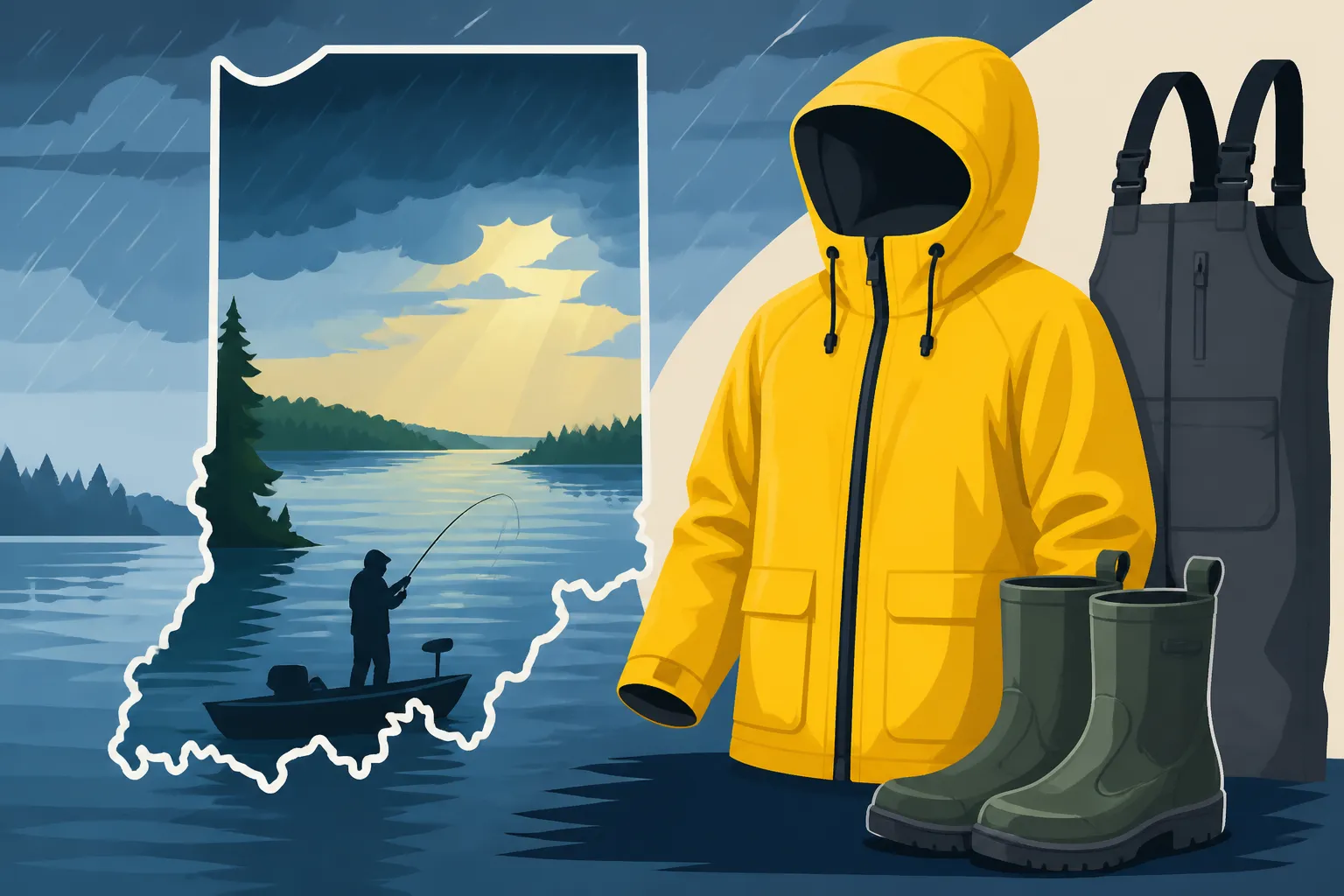
There's nothing quite like a peaceful morning out on an Indiana lake, the mist rising, the air crisp, and the anticipation of a bite. But let's be honest, those idyllic scenes can turn into a soggy nightmare faster than you can say "storm front" if you're not prepared. Unexpected showers, persistent drizzles, or even just a heavy dew can quickly chill you to the bone and send you packing if your gear isn't up to snuff. This guide is all about making sure you stay dry, comfortable, and focused on the fish, no matter what Mother Nature throws your way, by helping you choose the best rain gear for your Indiana fishing adventures.
Why Good Rain Gear Isn't a Luxury, It's a Necessity for Indiana Anglers
I've seen it happen countless times. An angler heads out, the sun is shining, and they think a light jacket will be enough. Hours later, a dark cloud rolls in, and suddenly they're huddled under a tiny umbrella or racing back to the ramp, soaked to the bone. Fishing in Indiana, whether it's on a quiet pond, a flowing river, or one of our big reservoirs like Monroe Lake, demands a realistic approach to weather. You wouldn't go out without your Indiana Fishing License Requirements Explained, so why neglect proper protection from the elements?
The Unpredictable Nature of Indiana Weather
Indiana weather is, shall we say, enthusiastic. We can experience four seasons in a single day, or at least it feels that way sometimes! A forecast for "partly cloudy" can quickly morph into an hour-long downpour. The wind can pick up out of nowhere, driving rain right through what you thought was a decent jacket. This isn't just a minor inconvenience; getting wet and cold significantly impacts your comfort and, frankly, your enjoyment. If you're constantly shivering or worried about your phone getting soaked, you're not focusing on that subtle tap on your line.
Moreover, cold rain can lead to hypothermia, even in milder temperatures, if you're out on the water for an extended period without proper protection. It might sound dramatic, but a constant chill can sap your energy and make you less responsive. Investing in quality rain gear isn't about being overly cautious; it's about being prepared for the genuine variability of our local climate.
Staying Safe and Comfortable on the Water
Comfort directly translates to concentration and endurance. When you're dry and warm, you can stay out longer, cast more effectively, and pay closer attention to your surroundings. Imagine you're fishing a bass tournament on Patoka Lake, and a sudden storm hits. If you're struggling with flimsy rain gear that leaks, you're losing valuable fishing time, focus, and potentially jeopardizing your chances.
Beyond just personal comfort, staying dry helps protect your electronics and other gear. While many modern fish finders and GPS units are waterproof, other items like cameras, phones, and extra tackle can be vulnerable. A good set of rain gear often includes well-sealed pockets that provide an extra layer of defense for these essentials. It’s all part of a smart Indiana Boater Safety Gear Checklist that goes beyond just life jackets.
Understanding Different Types of Fishing Rain Gear
When you start looking at rain gear, you'll quickly realize it's not a one-size-fits-all situation. Different fishing styles and preferences lead to different gear needs. It’s important to understand the distinctions between rain jackets, bibs, and full suits to pick what's right for your typical outing.
Rain Jackets: Your Upper Body Defense
A good rain jacket is the cornerstone of any angler's wet-weather wardrobe. It's designed to keep your torso and arms dry, allowing you freedom of movement for casting and reeling. Modern fishing rain jackets are miles ahead of the bulky, clammy ponchos of yesteryear. They're often lightweight, packable, and constructed with advanced waterproof-breathable membranes.
Think about a spring day on the Tippecanoe River. You might start with just a base layer and your rain jacket, then add a fleece underneath if the temperature drops or the rain intensifies. The key here is versatility. A quality jacket will have adjustable cuffs, a well-designed hood that doesn't obstruct your vision, and often a dropped hem in the back to prevent water from running down your backside when you're sitting or bending over. Brands like Grundéns, Frogg Toggs, and Columbia are popular choices among anglers, offering various price points and features.
Rain Bibs and Pants: Protecting Your Lower Half
While a rain jacket handles the top, your lower half needs protection too, especially if you're in a boat, kneeling, or sitting on wet surfaces. Rain bibs, which are like overalls, offer superior protection by extending higher up your torso, covering your lower back and stomach. This is crucial for preventing water intrusion when you bend, cast aggressively, or sit on a wet boat seat. Bibs often have reinforced knees and seats for durability and comfort during long days.
Rain pants are a more flexible option, offering easier on-and-off access. They're great for situations where you might only need lower body protection for short periods or if you prefer layering over your regular pants without the full coverage of bibs. However, pants can sometimes leave a gap at the waist, especially if your jacket rides up or you're moving a lot. For serious boat fishing or when heavy rain is expected, bibs are generally the preferred choice for their comprehensive coverage. You can find excellent options at outdoor retailers or even on Amazon with a quick search.
Full Rain Suits: Head-to-Toe Coverage
For those days when the weather really takes a turn, or if you plan to fish through continuous downpours, a full rain suit – a matching jacket and bib or pant set – is your best friend. This setup provides seamless, head-to-toe protection, ensuring no weak spots where water can seep in. It's the ultimate barrier against wind, rain, and spray, allowing you to focus on the task at hand rather than constantly adjusting your gear or feeling uncomfortable.
Full suits are particularly favored by tournament anglers, guides, and anyone who spends long, dedicated hours on the water in all conditions. They are designed to work together, often featuring compatible zippers and closures to create a virtually impenetrable seal. While they might feel a bit more restrictive than just a jacket and regular pants, the peace of mind they offer is invaluable when fishing on large bodies of water like Lake Michigan, where conditions can change rapidly.
Key Features to Look for in Fishing Rain Gear
Knowing the types of rain gear is just the first step. To truly pick the best gear, you need to dive into the specific features that make some pieces stand out from the rest. These aren't just fancy add-ons; they directly impact your comfort, dryness, and the longevity of your investment.
Waterproofing Ratings and Materials
This is perhaps the most critical factor. Not all "waterproof" claims are created equal. Look for gear made with advanced waterproof-breathable membranes like Gore-Tex, eVent, or proprietary technologies from brands like Simms (Toray fabric) or Huk (HukTec). These materials are designed with microscopic pores that are too small for water droplets to pass through, but large enough for water vapor (sweat) to escape, keeping you dry from the inside out.
Waterproofing is often measured in millimeters (mm) of water column pressure the fabric can withstand before leaking. A rating of 10,000mm is generally considered good for casual rain, while 20,000mm or higher is ideal for heavy, sustained downpours or high-spray environments. Don't forget the DWR (Durable Water Repellent) coating on the outer fabric, which causes water to bead up and roll off, preventing the fabric from "wetting out." When browsing for gear, especially on sites like Bass Pro Shops, pay close attention to these technical specifications.
Breathability: Don't Sweat the Small Stuff
Being waterproof is great, but if your rain gear isn't breathable, you'll end up soaked from your own sweat, especially if you're active. Imagine casting all day, reeling in fish, or paddling a kayak. Your body generates heat and moisture, and without breathability, that moisture gets trapped inside, leaving you feeling clammy and cold.
Breathability is typically measured in grams of water vapor that can pass through a square meter of fabric in 24 hours (g/m²/24hr). A higher number indicates better breathability. For active fishing, aim for a breathability rating of at least 10,000 g/m²/24hr, with higher numbers being even better. Good breathability means you can layer effectively underneath, like wearing quick-drying synthetics, and regulate your body temperature without feeling like you're in a sauna. This is particularly important during the warmer fishing months, as explored in Indiana Fishing Seasons: A Month-by-Month Guide.
Durability and Construction
Fishing is tough on gear. You'll be leaning against rough boat surfaces, snagging on brush while bank fishing, and generally putting your outerwear through its paces. Look for robust fabrics, reinforced stress points (like elbows, knees, and the seat of bibs), and quality stitching. Seams are often the weakest point for water intrusion, so fully taped seams are a must for true waterproofing.
Check the zippers, too. YKK AquaGuard or similar water-resistant zippers are essential for pockets and main closures, preventing leaks where water can easily penetrate. The overall construction should feel solid and capable of standing up to snags, abrasions, and the constant flexing of casting and reeling. Cheap gear might seem like a bargain upfront, but if it rips or leaks after a few trips, it's not saving you money in the long run.
Pockets, Zippers, and Hood Design
These seemingly small details make a huge difference in functionality.
- Pockets: Anglers need pockets – lots of them! Look for chest pockets that are easily accessible, zippered, and preferably waterproof to stash small tackle, a phone, or a wallet. Handwarmer pockets are a huge bonus on cold, rainy days.
- Zippers: Beyond being waterproof, zippers should be smooth and easy to operate with one hand, even when wearing gloves. Oversized pulls are a nice touch.
- Hood Design: A good hood is paramount. It should be adjustable (drawstrings, toggles) to fit snugly around your head, allowing full peripheral vision. A stiff brim helps keep rain out of your eyes, which is vital for seeing your line or navigating your boat. A hood that can be stowed away or easily removed is a versatile feature.
- Cuffs and Hem: Adjustable cuffs (velcro straps) prevent water from running down your arms when casting or reaching into the water. A cinched hem on jackets and adjustable leg openings on bibs/pants also help seal out moisture and cold drafts.
Choosing the Right Rain Gear for Your Indiana Fishing Style
Your personal fishing habits play a huge role in determining the ideal rain gear. A kayak angler has very different needs than someone trolling Lake Michigan in a 20-foot boat. Let's break down some common scenarios.
Bank Anglers and Casual Fishing
If you primarily fish from the bank, a pier, or smaller ponds and only head out when the forecast looks mostly clear, you might not need the most heavy-duty, expensive rain suit. A good quality, breathable rain jacket and a pair of lightweight rain pants that can be easily pulled over your regular clothes might be sufficient. Look for packable options that can be stowed in a backpack or small bag when not needed.
For casual bank fishing or short trips, durability is still important, but extreme waterproofing for hours on end might be overkill. Comfort and ease of movement are key here, as you'll likely be walking more and perhaps doing less intense casting than a boat angler. Think about something versatile enough for a quick shower but not so bulky it hinders your walk along the shore. You can often find great value options on Amazon that fit this need. For those days where you're wading into the shallows, consider gear that pairs well with Best Waders for River Fishing.
Boat Anglers and Tournament Fishing
Boat anglers, especially those on larger lakes or rivers, face constant exposure to rain, wind, and spray. If you're running across the lake at speed, even on a sunny day, you can get drenched from spray. For this group, a full, dedicated rain suit – a jacket and bib combination – is highly recommended. The bibs are crucial here for keeping water out when sitting in a wet boat seat or bending over the console.
Look for maximum waterproofing and breathability, durable fabrics that can withstand rough conditions, and features like reinforced knees and seats. A good hood that stays put at speed is also a must. The ability to layer effectively underneath is vital for temperature regulation, especially on those chilly early spring or late fall days. Brands often catering to this segment include Simms, Grundéns, Huk, and Frogg Toggs, which can be found at specialty fishing stores or large retailers like Bass Pro Shops. If you're out on the water in your Best Boats for Indiana's Big Lakes, you'll be glad for the extra protection.
Kayak and Wading Anglers
Kayak and wading anglers have unique needs. Sitting in a kayak means your lower half is constantly exposed and often sitting in pooled water. Wading means constant immersion up to a certain point. For these activities, full waterproof protection is essential, and breathability becomes even more critical due to the physical exertion.
- Kayak Anglers: Look for a rain jacket that has a shorter front hem but a longer back to prevent bunching while seated, and adjustable cuffs that create a tight seal to prevent water from running down your arms when paddling. Waterproof bibs are almost a necessity, as they provide continuous coverage even if water splashes over the sides of your kayak. Durability against abrasion from paddling and sitting is also key. Check out specialized Kayak Fishing Gear for Indiana Waters for more insights.
- Wading Anglers: While waders handle the lower body for immersion, a good wading jacket is designed to work in conjunction with them. These jackets often have shorter hems to avoid sitting in the water, waterproof pockets placed higher up, and strong, adjustable hoods. The material should be extremely waterproof and breathable to manage sweat during active wading.
Brands and Where to Find Quality Rain Gear
When it comes to fishing rain gear, you often get what you pay for. Investing in quality gear from reputable brands can make a significant difference in your long-term comfort and satisfaction.
Reputable Brands to Consider
There are several brands that consistently deliver high-performance fishing rain gear, catering to different budgets and feature preferences:
- Simms: Often considered the gold standard, Simms produces high-end, extremely durable, and technical rain gear, particularly popular among serious fly anglers and guides. Their Gore-Tex offerings are top-notch.
- Grundéns: A heritage brand known for its commercial fishing gear, Grundéns offers incredibly rugged and waterproof solutions. They've expanded into recreational fishing with highly durable and reliable rain suits.
- Frogg Toggs: Known for their lightweight, affordable, and packable options, Frogg Toggs are a great choice for casual anglers or as backup gear. They offer good waterproof protection, though breathability and long-term durability may not match the higher-end brands.
- Huk: A newer player in the fishing apparel market, Huk has quickly gained popularity for its stylish yet functional fishing clothing, including effective waterproof and breathable rain gear.
- Columbia: A well-known outdoor brand, Columbia offers a range of rain gear that crosses over well into fishing. Their Omni-Tech and OutDry technologies provide good waterproofing and breathability at accessible price points.
- Bass Pro Shops/Cabela's (Own Brands): These retailers often have their own lines of fishing rain gear that offer a good balance of features and value. They can be a great starting point, especially if you're looking for Best Rods and Reels for Freshwater Fishing at the same time.
Shopping Tips and Considerations
Before you make a purchase, consider these tips to ensure you get the best fit and value:
- Try it On: If possible, visit a physical store like Bass Pro Shops to try on different suits. Wear the type of layers you'd typically have on underneath to ensure a comfortable fit that allows for full range of motion. Pay attention to how the hood fits, how easy the zippers are to operate, and if there are any pinch points.
- Read Reviews: Online reviews can provide valuable insights into real-world performance, durability, and fit from other anglers. Pay attention to comments about waterproofing, breathability, and sizing accuracy.
- Consider Your Budget: Rain gear can range from under a hundred dollars to several hundred for a full suit. Determine what you're willing to spend, but remember that a higher upfront cost often translates to better performance, comfort, and longevity.
- Check for Sales: Keep an eye out for seasonal sales or discounts. You can often find great deals on quality gear if you're patient. Amazon often has deals running, but sometimes trying it on in person at a dedicated outdoor store is worth the drive.
- Layering Strategy: Remember that rain gear is an outer shell. Plan your inner layers (base layers, fleeces) to complement your rain gear for optimal warmth and moisture management. Understanding How Weather Affects Fish Feeding Patterns will also help you prepare your gear and clothing for the day.
Here's a quick comparison of typical rain gear types:
| Feature | Rain Jacket (Standalone) | Rain Bibs/Pants (Standalone) | Full Rain Suit (Jacket + Bibs/Pants) |
|---|---|---|---|
| Primary Use | Light to moderate rain, versatility | Lower body protection, wet seats | Heavy rain, wind, spray, sustained exposure |
| Coverage | Upper body, arms | Lower body, sometimes torso (bibs) | Full body, seamless |
| Mobility | High, minimal restriction | Good, depends on fit | Moderate, full protection can feel bulky |
| Waterproofing | Good to excellent | Good to excellent | Excellent, no gaps |
| Breathability | Good to excellent | Good to excellent | Good to excellent |
| Layering | Easy underneath | Easy over regular pants | Designed for effective layering underneath |
| Typical Cost | Medium | Medium | High |
Ultimately, the best rain gear for fishing on Indiana lakes is the gear that keeps you dry and comfortable, allowing you to stay out longer and enjoy your time on the water, regardless of what the weather decides to do. Don't let a little rain send you home early – be prepared!
Disclaimer
This article is for general informational purposes only and does not constitute professional advice. Laws, prices and regulations vary by location and change over time. Consult a qualified professional for guidance on your specific situation.