Best Anchors for Lake Fishing
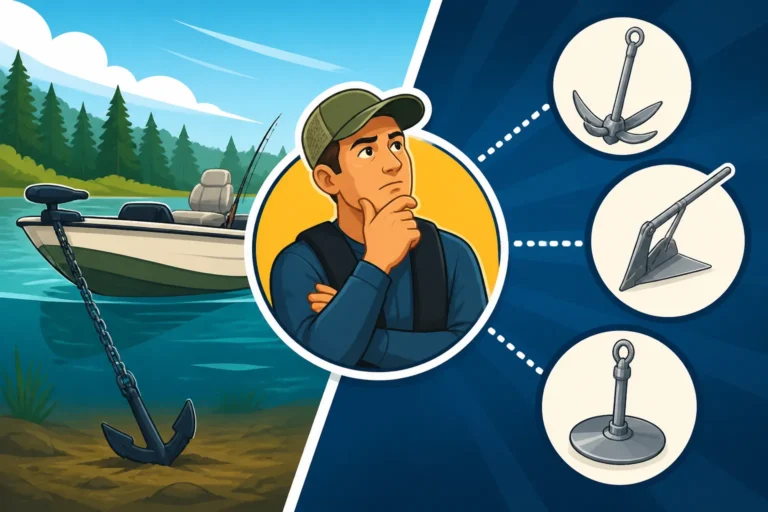
There's nothing quite as frustrating as finally finding that sweet spot on an Indiana lake, whether it's a deep channel for walleye or a submerged brush pile for crappie, only for your boat to drift away just as the bites start coming. Holding your position steady is crucial for successful fishing, and that's where a reliable anchor comes in. This comprehensive guide will walk you through everything you need to know about choosing and using the best anchors for fishing Indiana's diverse lakes, ensuring you stay exactly where the fish are.
Understanding Lake Bottoms and Their Impact on Anchor Choice
Before you even think about which anchor to buy, you need to understand what lies beneath the surface of Indiana's lakes. The bottom composition dictates how well an anchor will grip and hold your boat in place. Most lakes aren't uniform, so a good angler often carries more than one type of anchor or has a versatile option.
Muddy and Soft Bottoms
Many of Indiana's large reservoirs, like Monroe Lake or Patoka Lake, and countless smaller ponds often have soft, silty, or muddy bottoms. These can be tricky for some anchor types, as they tend to plow through the mud rather than digging in effectively. A poor choice here will have you dragging across the lake even in light winds. The key is to find an anchor that can penetrate this soft material and then get a good bite once it's below the surface layer.
Anchors designed with broad flukes or a wide surface area excel in these conditions. They dig in deep, creating a strong hold by displacing a significant amount of the soft bottom material. Think of it like pushing your hand into wet sand – the more surface area, the harder it is to pull out. If you're frequently fishing these types of lakes, prioritizing an anchor built for mud is a smart move.
Rocky and Hard Bottoms
On the other end of the spectrum, some Indiana lakes, especially those with glacial origins in the northern part of the state like Lake Wawasee or some sections of Lake Michigan's shoreline, can have rocky or very hard clay bottoms. These conditions present their own challenges: anchors can bounce off rocks, get wedged into crevices, or simply fail to dig into compacted clay. Losing an anchor in a rock pile is a common and costly frustration.
For these tougher bottoms, you need an anchor that can either grip onto irregularities or is heavy enough to simply "stick" without digging. Something with multiple prongs or a design that allows it to find purchase between rocks is beneficial. Sometimes, sheer weight is the best solution, letting the anchor act more like a heavy drag than a digging tool. The goal is to minimize the chances of permanent entanglement while still achieving a secure hold.
Weedy and Grassy Bottoms
Lakes and ponds often have extensive weed beds, especially in shallower areas. These can be fantastic fishing spots, holding everything from largemouth bass to bluegill. However, they're a nightmare for many anchors. Flukes can get fouled with vegetation, preventing them from digging into the bottom, or they might just glide over the top of dense grass mats. Trying to retrieve an anchor that's brought up a garden's worth of weeds is never fun.
In these situations, anchors that can cut through or minimize fouling are best. Sometimes, a very heavy anchor can push through the weeds to the bottom, but often a specialized design is more effective. You want something that won't just ball up with weeds, allowing it to reach the actual lakebed. Alternatively, some anglers use a retrieval method with a trip line that can help release an anchor from weed snags.
Types of Anchors Best Suited for Indiana Lake Fishing
Now that we understand the bottom, let's look at the various anchors available and how they perform in these conditions. There's no one-size-fits-all anchor, and having a small quiver of options can make your fishing trips much smoother.
Fluke Anchors (Danforth Style)
The fluke anchor, often called a Danforth style anchor, is probably the most common sight on freshwater fishing boats. It features two large, flat blades (flukes) that pivot on a stock, allowing them to dig deep into soft or sandy bottoms. When pulled horizontally, the flukes embed themselves, providing excellent holding power for their weight.
These are fantastic for the muddy and silty bottoms common in many Indiana reservoirs. Their design allows them to penetrate well and hold firm once they’ve dug in. However, they aren't ideal for rocky or heavily vegetated bottoms, where they can struggle to set or get easily fouled. For an all-around anchor on a bass boat fishing a typical Indiana lake, a fluke anchor is a strong contender. Many anglers find reliable fluke anchors available through retailers like Bass Pro Shops or online platforms such as Amazon.
Claw Anchors (Bruce Style)
Claw anchors, also known as Bruce style anchors, were originally designed for offshore oil rigs but have become popular among recreational boaters for their versatility. They have a distinctive claw-like shape that allows them to pivot and re-set quickly if the boat swings or the wind shifts. They perform well in a variety of bottom types, including mud, sand, and even some light rock or gravel.
Their design helps them grab onto irregularities on rocky bottoms and they tend to shed mud and weeds better than some other fluke designs. While not quite as strong as a well-set fluke anchor in soft mud, their ability to work across multiple bottom types makes them a favorite for many anglers who fish different lakes or areas within a single lake. They are particularly effective when the wind or current might cause a boat to yaw and spin, as they re-set with minimal drag.
Grapnel Anchors
Grapnel anchors are characterized by multiple, often foldable, prongs or tines. These anchors are typically lighter and are excellent for smaller craft like kayaks, canoes, or personal fishing boats where weight and storage space are at a premium. How to Choose an Anchor for a Small Boat might suggest these as a primary option. Their primary advantage is their ability to snag onto rocky bottoms or submerged structures.
When fishing smaller Indiana lakes or rivers from a kayak, a grapnel anchor can be incredibly effective at finding purchase on rocks, stumps, or fallen timber. However, they are not designed to dig into soft mud or sand and will simply drag in those conditions unless they are very heavily weighted. For weedy areas, they can either get tangled or, if heavy enough, penetrate the weeds to snag something underneath. The foldable design is a huge plus for portability, making them easy to stow when not in use. Best Kayaks for Fishing Indiana Lakes often pair well with these compact anchors.
River Anchors (Box/Navy Style)
Despite their name, river anchors can be surprisingly effective in some lake conditions, especially if you're dealing with a bit of current or choppy water that mimics river-like forces. These anchors often have a pyramid or box-like shape, relying more on their weight and flat surfaces to dig in or simply hold position against the flow. Some designs incorporate small claws or flukes.
For lakes with soft or sandy bottoms, a well-designed river anchor with enough weight can sink into the substrate and provide a decent hold. Their weight-to-holding-power ratio isn't always as efficient as a fluke in ideal conditions, but their stability can be a benefit. If you happen to fish both lakes and rivers, a robust river anchor could serve double duty, though it's important to match its weight to your boat size.
Mushroom Anchors
Mushroom anchors, as the name suggests, have a mushroom-like cap that creates suction and holding power in soft, muddy bottoms. They are generally quite heavy for their size. However, their primary use is typically for mooring buoys or small, stationary docks rather than for actively fishing from a boat.
While they can hold a very small boat or kayak in calm, muddy conditions, they are less practical for frequent deployment and retrieval, as their holding power relies heavily on suction, which takes time to develop. For anglers who simply need to hold a float tube or a very light fishing kayak in a sheltered cove on a still day, a small mushroom anchor could work, but it's not generally recommended for larger or more active fishing situations on most Indiana lakes.
Factors to Consider When Choosing Your Lake Anchor
Beyond the type of anchor, several practical considerations will influence your final decision. Don't just grab the first one you see; think about your specific fishing habits and boat.
Boat Size and Weight
This is perhaps the most critical factor. A tiny grapnel anchor that holds a solo kayak perfectly will be absolutely useless for a 20-foot bass boat. Conversely, hauling a massive fluke anchor around in a canoe is overkill and impractical. Anchors are rated by boat length and weight, and it's always better to err on the side of a slightly larger or heavier anchor if you're between sizes. A general rule of thumb is that a heavier anchor will provide more holding power, regardless of type, but efficiency also matters.
Consider the Best Fishing Boats Under 20 Feet for Indiana Lakes. A smaller jon boat or aluminum fishing boat will require a different anchor than a larger fiberglass bass boat that might frequent Monroe Lake: Indiana's Largest Lake for Bass Fishing. Make sure the anchor you choose is appropriate for the gross weight of your boat, including all your gear, passengers, and engine.
Wind and Current Conditions
Indiana lakes, even relatively calm ones, can become surprisingly choppy with a stiff breeze or after a passing boat creates a large wake. Lakes with river inlets or outlets can also have subtle currents. These forces exert pressure on your boat, constantly trying to move it. A good anchor needs to counteract this. If you often fish in windy conditions or on larger, more exposed lakes, you'll need an anchor with superior holding power.
This might mean choosing a heavier version of a specific anchor type or opting for a design known for its excellent grip in adverse conditions. When considering anchoring for night fishing, like when targeting Best Fishing Spots to Catch Walleye After Dark, ensuring your anchor can withstand unpredictable nighttime wind shifts is paramount. Don't underestimate the power of wind and water, especially if your fishing takes you to open stretches of water.
Anchor Rode and Chain Requirements
An anchor isn't just the piece of metal that hits the bottom; it's part of a system called the "anchor rode," which includes the line (rope), and, critically, a length of chain. The chain serves multiple vital purposes. Firstly, its weight helps keep the anchor shank parallel to the bottom, allowing the flukes to dig in properly. Without chain, the pull angle on the anchor would be too steep, causing it to skip or pull out.
Secondly, the chain provides abrasion resistance against rocky bottoms, protecting your rope from fraying. A general guideline for lake fishing is to use at least 6-10 feet of chain for boats up to 20 feet, and more for larger vessels. The rope itself should be at least 7-10 times the depth of the water you're anchoring in – this is called the "scope." A good scope ensures a low pull angle on the anchor, maximizing its holding power. You can find high-quality anchor line and chain at marine supply stores or online through retailers like Amazon.
Storage and Retrieval
An often-overlooked aspect is how easy the anchor is to store and retrieve. A bulky, heavy anchor can take up valuable deck space, especially on smaller boats. Consider if you have an anchor locker, bow roller, or simply a spot on deck where it can be secured without getting in the way or causing a tripping hazard. For kayaks, How to Rig a Fishing Kayak for Indiana Waters often includes clever solutions for anchor storage.
Retrieving a fouled anchor can be a real workout. Some anchors, like grapnels, can fold up for compact storage. Others, like the fluke, might need a specific storage spot. Always think about how you'll get that anchor back into the boat, especially after a long day of fishing or if your hands are cold and wet. A good anchor retrieval system, which might include a buoy and ring, can make this task much easier and safer.
Practical Tips for Anchoring Success on Indiana Lakes
Having the right anchor is only half the battle. Knowing how to deploy it correctly and handle common anchoring issues will make your fishing trips much more enjoyable.
Proper Deployment and Retrieval Techniques
Deploying an anchor isn't about just tossing it overboard and hoping for the best. First, approach your desired fishing spot from downwind or downcurrent, so you can stop ahead of where you want to end up. When you're ready, lower the anchor slowly and deliberately, paying out chain first, then rope. Don't just heave it over; this prevents tangles and allows the chain to properly lay on the bottom, helping the anchor set correctly. Once the anchor touches down, continue to drift back, paying out your rode to achieve the correct scope (e.g., 7:1 ratio for moderate conditions). Once you've paid out enough line, snub the line off at the cleat and let the boat pull against the anchor to ensure it digs in. You'll often feel a solid "thunk" as it sets.
Retrieving is also a technique. Motor slowly toward your anchor, reeling in slack as you go. When you're directly over the anchor, pull straight up with short, firm tugs. This changes the angle of pull, often releasing the anchor from the bottom. If it's stuck, try motoring slowly in a circle, applying tension from different directions. Sometimes a good landing net can even help scoop up the anchor line if it's drifting away. Never motor away with the anchor still set, as this can damage your boat, the anchor, or the lakebed.
The Importance of a Good Anchor Rode Setup
As mentioned, the anchor rode is crucial. For most freshwater fishing boats, a combination of nylon rope and galvanized chain is ideal. Nylon rope has excellent stretch, which acts as a shock absorber against waves and wind, reducing strain on your boat and preventing the anchor from being yanked free. The chain protects the rope from abrasion on the bottom and ensures the anchor's shank stays low, allowing the flukes to dig in.
The connection points are also key. Use a strong shackle to connect the chain to the anchor. Between the chain and the rope, a thimble and proper splice or knot (like a Palomar or anchor bend) are essential. Regularly inspect your rope for chafe, especially near the anchor, and check your chain for bent links or corrosion. A weak link in your rode means a lost anchor at the worst possible time. Many anglers stock up on quality anchor rope and chain at outdoor retailers like Bass Pro Shops or via online shopping sites like Amazon.
Dealing with Snags and Lost Anchors
It happens to the best of us: your anchor gets hopelessly snagged on a submerged log, rock, or other debris. The first rule is don't panic. Trying to muscle it out often just wedges it deeper or breaks something. If your anchor is equipped with a tripping line attachment point (some anchors have one at the crown, allowing you to pull it from the opposite end to free it), that's your first line of attack.
If not, try motoring slowly around the snagged anchor, applying pressure from different angles. Sometimes a change in direction can free it. If all else fails and your anchor appears truly stuck, and you don't have a buoy and ring retrieval system, you might have to cut your line. This is why having a strong, sharp knife easily accessible on board is always a good idea. Consider investing in a "trip line" setup for your anchor, which attaches a lighter line to the crown of the anchor, allowing you to pull it backward to free it from snags. While losing an anchor is frustrating and costly, it's better than risking damage to your boat or injury to yourself by trying to force it free.
Anchor Comparison Table for Indiana Lake Fishing
Here's a quick reference table to help you compare popular anchor types for typical Indiana lake conditions:
| Anchor Type | Best For | Good For | Not Recommended For | Key Feature(s) | Common Use Cases |
|---|---|---|---|---|---|
| Fluke (Danforth) | Mud, Sand, Silt | Light Gravel | Heavy Weeds, Dense Rock | High holding power for weight, digs deep | Bass boats, pontoon boats, fishing typical Indiana reservoirs |
| Claw (Bruce) | Mud, Sand, Gravel, Light Rock | Moderate Weeds | Dense Weeds, Very Hard Clay | Re-sets easily, good all-rounder, stable | Versatile anglers, boats that swing with wind/current |
| Grapnel | Rocks, Submerged Timber, Weeds (by snagging) | Very Light Mud (if heavy) | Soft Mud (drags), Open Sand | Foldable for storage, grabs irregularities | Kayaks, canoes, small aluminum boats, fishing woody cover |
| River (Box) | Sand, Gravel, Some Mud | Moderate Current | Dense Weeds, Hard Rock, Fine Silt | Weight-dependent holding, good in light current | Boats fishing slower rivers, or lakes with mild current |
| Mushroom | Soft Mud, Silt | Anything with current, hard bottoms | Creates suction, relies on weight and suction | Mooring small docks, stationary jon boats in very calm water |
Choosing the right anchor for your Indiana lake fishing adventures will greatly enhance your ability to stay on the fish and enjoy your time on the water. By understanding lake bottom types, the characteristics of different anchors, and practicing proper anchoring techniques, you'll be well on your way to a more successful and less frustrating fishing experience.
Disclaimer
This article is for general informational purposes only and does not constitute professional advice. Laws, prices and regulations vary by location and change over time. Consult a qualified professional for guidance on your specific situation.