Best Portable Fish Finders for Kayak Anglers
For kayak anglers in Indiana, the challenge of finding fish can feel amplified. You're low to the water, often paddling silently into nooks and crannies bigger boats can't reach, but without the luxury of a powerful sonar unit and a big battery to tell you what's beneath. This guide will walk you through everything you need to know about selecting the best portable fish finders, designed specifically to meet the unique demands of kayak fishing, so you can stop guessing and start catching.
The Unique Needs of Kayak Anglers
Kayak fishing is a whole different ballgame compared to fishing from a large bass boat or even a modest Jon boat. Space is at an absolute premium, power sources are often limited to smaller batteries, and mounting bulky equipment can be a real headache. You need gear that's streamlined, efficient, and doesn't get in the way of your paddle stroke or stability.
Space Constraints and Mounting Challenges
One of the biggest frustrations for kayak anglers is finding a place for everything. Your rods, tackle box, cooler, paddle, and safety gear already take up valuable real estate. Adding a traditional, large-screen fish finder with a fixed transducer can feel impossible. Many kayak cockpits simply aren't designed for large electronics. That's why portable fish finders are a game-changer. They're built with minimal footprints, making them ideal for small spaces.
Think about trying to mount a conventional fish finder unit to the gunwale of a sit-on-top kayak. You'd likely need custom brackets, drilling into your hull (which can compromise buoyancy and resale value), and dealing with cables snaking everywhere. Portable units often offer versatile mounting solutions, from suction cups to track mounts or even simply being placed in a cup holder or on a small flat surface. This adaptability is crucial when every inch counts, allowing you to keep your hands free for paddling and fishing.
Power Demands and Battery Life
Another significant hurdle is power. Larger boats have dedicated cranking and trolling motor batteries, often with charging systems. Kayak anglers typically rely on smaller, lighter power banks or dedicated kayak batteries. These smaller batteries might struggle to keep a power-hungry, full-featured fish finder running for a full day of fishing on Monroe Lake: Indiana's Largest Lake for Bass Fishing or Patoka Lake Fishing Guide for Bass and Crappie.
Portable fish finders are specifically engineered to be power-efficient. Many run on readily available AA batteries, rechargeable lithium-ion packs, or smaller 12V batteries designed for kayak use. This allows you to extend your time on the water without constantly worrying about your electronics dying on you when the bite finally picks up. Understanding your power needs and the finders' consumption is key, especially if you plan on long excursions. You can find many portable battery options on platforms like Amazon that are lightweight and water-resistant.
Durability and Water Resistance
Let's face it, kayak fishing means you're going to get wet. Waves, paddle drips, and even a dropped paddle can send water splashing over your gear. Traditional fish finders might be water-resistant, but portable units often take durability to another level, understanding that they're likely to experience more direct exposure to the elements.
When you're out on the Tippecanoe River in Indiana or navigating the waves of Lake Michigan, you need equipment that can handle a bit of rough and tumble. A quality portable fish finder will boast high IPX ratings, indicating its resistance to water ingress. Look for devices that are not just splash-proof, but truly water-resistant or even submersible for short periods, just in case that unexpected wave crashes over your bow. This robust construction provides peace of mind, knowing your investment can withstand the rigors of kayak fishing.
Key Features to Look for in a Portable Fish Finder
When you're sifting through all the options, it's easy to get overwhelmed. But for kayak fishing, certain features rise to the top as non-negotiables. Focusing on these will help you narrow down the field and find a unit that truly enhances your time on the water.
Display Size and Resolution
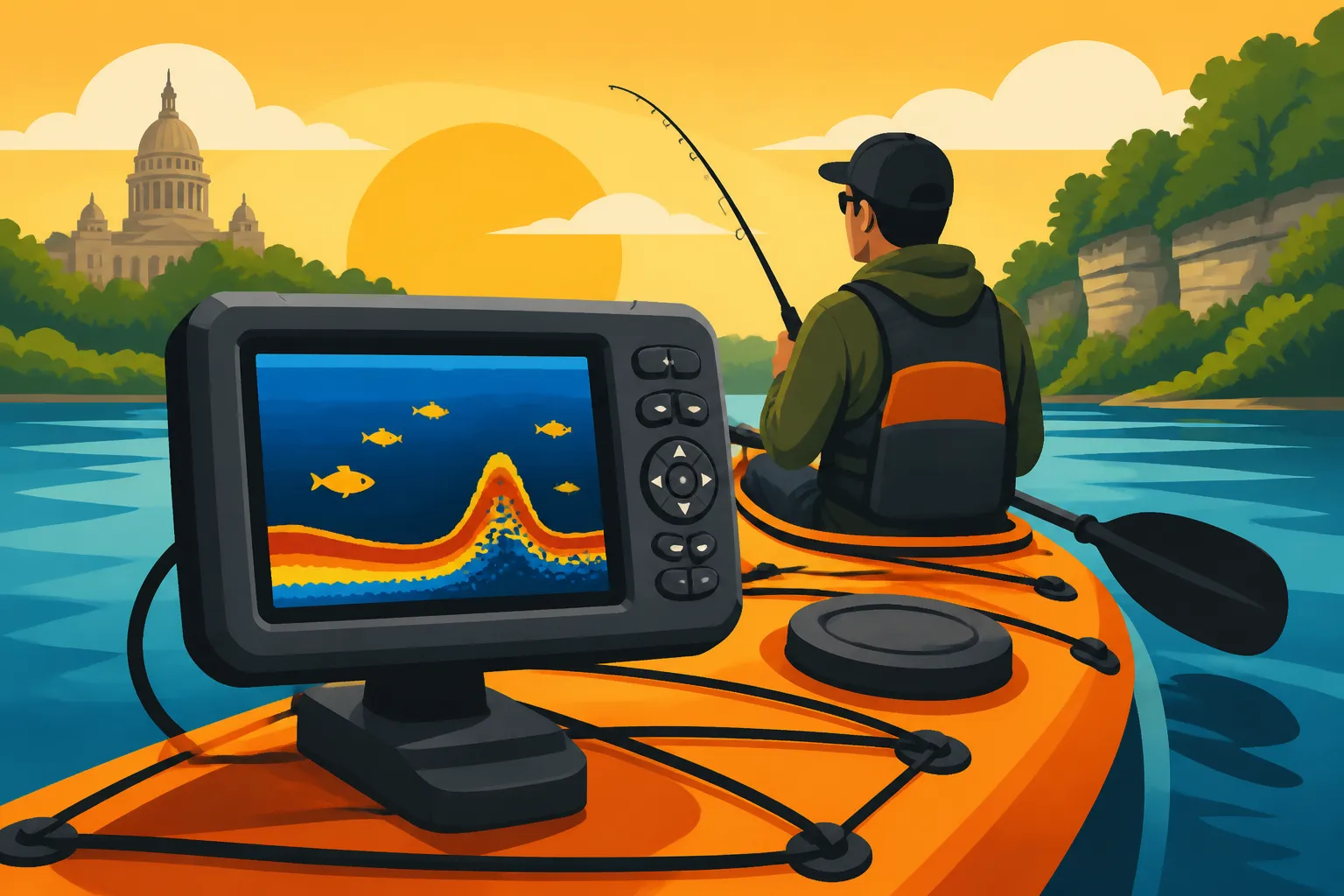
While you're working with limited space, you still need a screen that's big enough to clearly see what's going on beneath the surface. A tiny, low-resolution screen will just lead to frustration as you try to decipher ambiguous blobs. Look for a balance between screen size and the overall footprint of the unit. A 3.5 to 5-inch display is often a sweet spot for kayaks.
Resolution is just as important as size. A higher pixel count means crisper images and better target separation – the ability to distinguish between individual fish, bait balls, and underwater structures. You want to clearly see that school of crappie holding tight to a submerged brush pile, not just a murky cloud on the screen. Color displays are also a huge advantage, as they allow for better differentiation of targets and bottom composition.
Transducer Type and Mounting Options
The transducer is the heart of your fish finder, sending out sonar waves and listening for their return. For kayak anglers, the type of transducer and how it mounts is critical. Many portable units come with a transom-mount transducer that can be adapted for kayak use with suction cups or specialized arms. However, some newer options are even more innovative.
| Transducer Mounting Type | Description | Pros for Kayak Anglers | Cons for Kayak Anglers |
|---|---|---|---|
| Suction Cup | Attaches transducer to the hull exterior. | Easy to install/remove, no drilling. | Can lose suction, prone to damage from debris. |
| Scupper Hole Mount | Transducer fits into an existing scupper hole. | Secure, protected, clean installation. | Specific to kayak model, may not fit all. |
| Ram Mount/Arm Mount | Transducer attached to an adjustable arm from the kayak. | Versatile, adjustable depth/angle. | Can be bulky, snag lines, accidental knocks. |
| In-Hull (Shoot-Through) | Glued inside the hull, shoots through plastic. | Protected, no external drag, clean. | Not all kayaks/hulls work, slight signal loss. |
| Castable (Wireless) | Floating transducer, casts out and connects to phone/unit. | No cables, extremely portable, use from shore. | Battery life on transducer, small screen (phone), prone to drifting. |
Many kayak anglers swear by a shoot-through-hull installation for its protection and lack of drag, but it requires a compatible hull material and proper installation. Castable, wireless transducers are also gaining popularity, especially for those who want ultimate portability and minimal rigging. These often pair with your smartphone, turning it into the display for a very minimalist setup. Whether you choose a traditional wire-and-transducer setup or a wireless option, ensuring the transducer can be securely and effectively deployed is paramount.
Sonar Technology and Depth Capabilities
Not all sonar is created equal. Basic 2D sonar is effective, but modern portable units often include more advanced technologies like Down Imaging (DI) or Side Imaging (SI). Down Imaging provides a photo-like view directly beneath your kayak, making it incredibly easy to distinguish structure from fish. Side Imaging, while less common on smaller portable units, allows you to scan areas to the left and right of your boat, which can be fantastic for covering water quickly and finding hidden cover.
Consider the typical depths you fish in Indiana. Are you mostly exploring shallow coves on Lake Wawasee: Indiana's Largest Natural Lake or do you venture into the deeper sections of Monroe Lake: Indiana's Largest Lake for Bass Fishing? Ensure the fish finder's depth capabilities match your needs. Most portable units can handle depths up to a couple hundred feet, which is more than sufficient for the vast majority of Indiana's lakes and rivers.
Portability and Ease of Installation
This one seems obvious, but it's worth emphasizing. A truly portable fish finder should be easy to pack, carry, and install in minutes. Look for lightweight designs, integrated battery compartments, and quick-release mounting options. If it takes you longer to set up your fish finder than it does to launch your kayak, it defeats the purpose!
Many models feature a protective case or bag, making them easy to transport and protecting them from bumps and scrapes during transit. The ability to quickly snap the unit into its mount and drop the transducer into the water means less time rigging and more time fishing. This is where brands like Humminbird and Garmin often shine, offering compact, user-friendly designs that are perfect for the kayak angler.
Types of Portable Fish Finders for Kayaks
The world of portable fish finders has expanded significantly, offering different styles to suit various preferences and budgets. Understanding the main categories will help you choose the one that best fits your kayak fishing adventures.
Traditional Portable Units
These are essentially scaled-down versions of conventional fish finders, designed with a smaller footprint, integrated battery compartments, and often a rugged, water-resistant casing. They typically feature a dedicated display unit and a wired transducer.
Traditional portable units are a solid choice for anglers who want a reliable, self-contained system with a dedicated screen. Brands like Humminbird, Lowrance, and Garmin offer excellent options in this category. They often come with versatile mounting brackets that can be adapted for kayak use, or you can purchase aftermarket mounts specifically designed for kayaks. You'll often find these units at retailers like Bass Pro Shops, where you can compare features side-by-side. Their robust nature means you're less reliant on other devices, providing a consistent experience on the water.
Castable / Wireless Fish Finders
These innovative devices are transducers that you literally cast into the water like a lure. They float on the surface and wirelessly transmit sonar data to your smartphone or tablet, which acts as the display.
The appeal of castable fish finders, such as those from Deeper or Lucky, is undeniable for the minimalist kayak angler. There are no wires to run, no bulky screens to mount, and they are incredibly easy to transport. You simply attach it to your line, cast it out, and watch the sonar data appear on your phone screen. This is fantastic for scouting new areas, especially if you're exploring Indiana's Best Lakes for Fishing from shore or a new Best Public Fishing Access Points in Indiana. However, they do rely on your smartphone's battery and screen visibility in direct sunlight can sometimes be a challenge. They also require you to manage another device (your phone) while fishing, which isn't always ideal.
Integrated Kayak Fish Finder Systems
Some kayaks are now being designed with dedicated recesses or mounting plates for fish finders, and certain manufacturers offer "integrated" kits. These usually involve a dedicated display unit, a transducer that can be easily mounted in a scupper hole or an internal transducer well, and a battery that fits neatly into a specific compartment.
While not "portable" in the sense that you can easily move them between kayaks, these systems offer the most seamless and clean installation for a dedicated kayak angler. They minimize clutter and provide a factory-like fit and finish. If you're buying a new fishing kayak and plan to equip it with electronics, exploring these integrated options can be a smart move, ensuring all your gear works together harmoniously and efficiently. They are designed for stability and to be out of the way, which can be a huge benefit when you're working a hot bite or navigating tight spaces.
Choosing and Using Your Portable Fish Finder
So you've researched the features and types, now it's time to make a decision and get out on the water. Making the right choice involves considering your personal fishing style, the waters you frequent, and your budget. Once you have it, knowing how to get the most out of it is key.
Matching the Finder to Your Kayak and Fishing Style
Are you a casual angler who mostly paddles smaller ponds and lakes, focusing on panfish and bass? A simple, easy-to-use traditional portable unit or even a castable fish finder might be perfect. You don't need all the bells and whistles if you're not targeting deep-water walleye.
If you're an avid tournament angler hitting larger reservoirs and rivers, a more advanced traditional portable unit with Down Imaging or even Side Imaging could give you a significant edge. Consider how much space you have, how you prefer to power your electronics, and whether you want a dedicated screen or are comfortable using your smartphone. For example, if you're often fishing for Largemouth Bass Fishing in Indiana: The Complete Guide in thick cover, the detail provided by Down Imaging can be invaluable for pinpointing those fish-holding structures. Your Kayak Fishing Gear for Indiana Waters needs to be cohesive.
Installation Tips for Kayak Anglers
Proper installation is paramount for optimal performance and to keep your gear safe.
- Transducer Placement: If using a wired transducer, try to keep it as vertical as possible and ensure it has a clear shot at the water. Avoid placing it directly next to your paddle stroke where it could get bumped or where bubbles from your hull could interfere with the signal. Scupper hole mounts are excellent for a clean, protected install. For shoot-through-hull, ensure the surface is clean and level for good contact.
- Cable Management: Kayak cockpits can quickly become a spaghetti of wires. Use cable ties, adhesive clips, or even spiral wrap to secure cables neatly along the inside of your hull. This prevents snags, keeps your space tidy, and protects the wires from damage. This is especially true for longer cables that run to the stern for the transducer.
- Battery Storage: Always keep your battery in a waterproof box or dry bag. Many kayak anglers use a small dry bag for a 12V battery, tucking it securely into a hull compartment or a dry well. This protects the battery from moisture and keeps it from shifting around in choppy water. When ordering a portable fish finder from Amazon, consider adding a small waterproof battery case to your cart at the same time.
- Mounting the Display: Choose a mount that is sturdy, adjustable, and places the display where you can easily see it without obstructing your paddling or fishing. RAM mounts are a popular choice due to their versatility and strength. Ensure it's securely fastened and won't detach if you hit a wake or capsize.
Maximizing Battery Life and Performance
To get the most out of your portable fish finder on those long days, battery management is key.
- Charge Fully: Always start with a fully charged battery. If using AA batteries, carry spares. For rechargeable packs, consider a backup if you plan on extended trips or multi-day excursions.
- Adjust Backlight: The display backlight is often the biggest power drain. Dim it when possible, especially on cloudy days or if you're Night Fishing Spots on Indiana's Quiet Lakes. Only crank it up when necessary in bright sunlight.
- Disable Unused Features: If your unit has GPS, charting, or other features you're not actively using, consider turning them off. Many units have a "standby" mode or allow you to customize display settings to conserve power.
- Keep Transducer Clean: A dirty transducer can lead to poor sonar readings and make your unit work harder. Give it a quick wipe before and after each trip to ensure optimal performance.
- Learn Your Unit: Take the time to read the manual and understand all the settings. Experiment with sensitivity, depth ranges, and different sonar views. A well-tuned fish finder will give you much clearer and more useful information, helping you differentiate between Walleye vs Saugeye: How to Tell Them Apart or Largemouth Bass vs Smallmouth Bass: Key Differences on the screen.
Considerations for Specific Indiana Waters
Indiana's diverse waterways, from the massive reservoirs to the winding rivers and glacial lakes, each present unique fishing conditions. Your portable fish finder can adapt to these challenges.
- Reservoirs (e.g., Monroe, Patoka, Brookville): These large bodies of water often have significant depth changes, submerged timber, and deep points. A portable unit with Down Imaging can be invaluable for dissecting these structures and finding fish holding tight to cover. Look for models with good depth penetration.
- Rivers (e.g., Wabash, White, Tippecanoe): Current can affect transducer readings. Ensure your transducer is securely mounted and as protected as possible from debris. Wireless castable units can be useful for scouting ahead in slower-moving sections or from eddies. You'll want to focus on finding deeper holes and current breaks where fish like Channel Catfish Fishing in Indiana: The Complete Guide will hold.
- Glacial Lakes (e.g., Wawasee, James Lake, Webster): These clear, often deep lakes are prime for species like walleye, muskie, and northern pike. A fish finder with clear target separation will help you distinguish these larger fish from baitfish schools or even weed beds. Walleye and Muskie Fishing in Indiana's Glacial Lakes often involves targeting specific depths and structures, which a good fish finder illuminates.
Ultimately, the best portable fish finder for your kayak is the one that fits your budget, your kayak, and your fishing goals. With the right unit, you'll spend less time searching and more time enjoying the incredible fishing opportunities Indiana has to offer. Just remember to practice safe boating and always wear your Best Life Jackets for Indiana Boaters.
Disclaimer
This article is for general informational purposes only and does not constitute professional advice. Laws, prices and regulations vary by location and change over time. Consult a qualified professional for guidance on your specific situation.