Best Jigs for Indiana Walleye Fishing
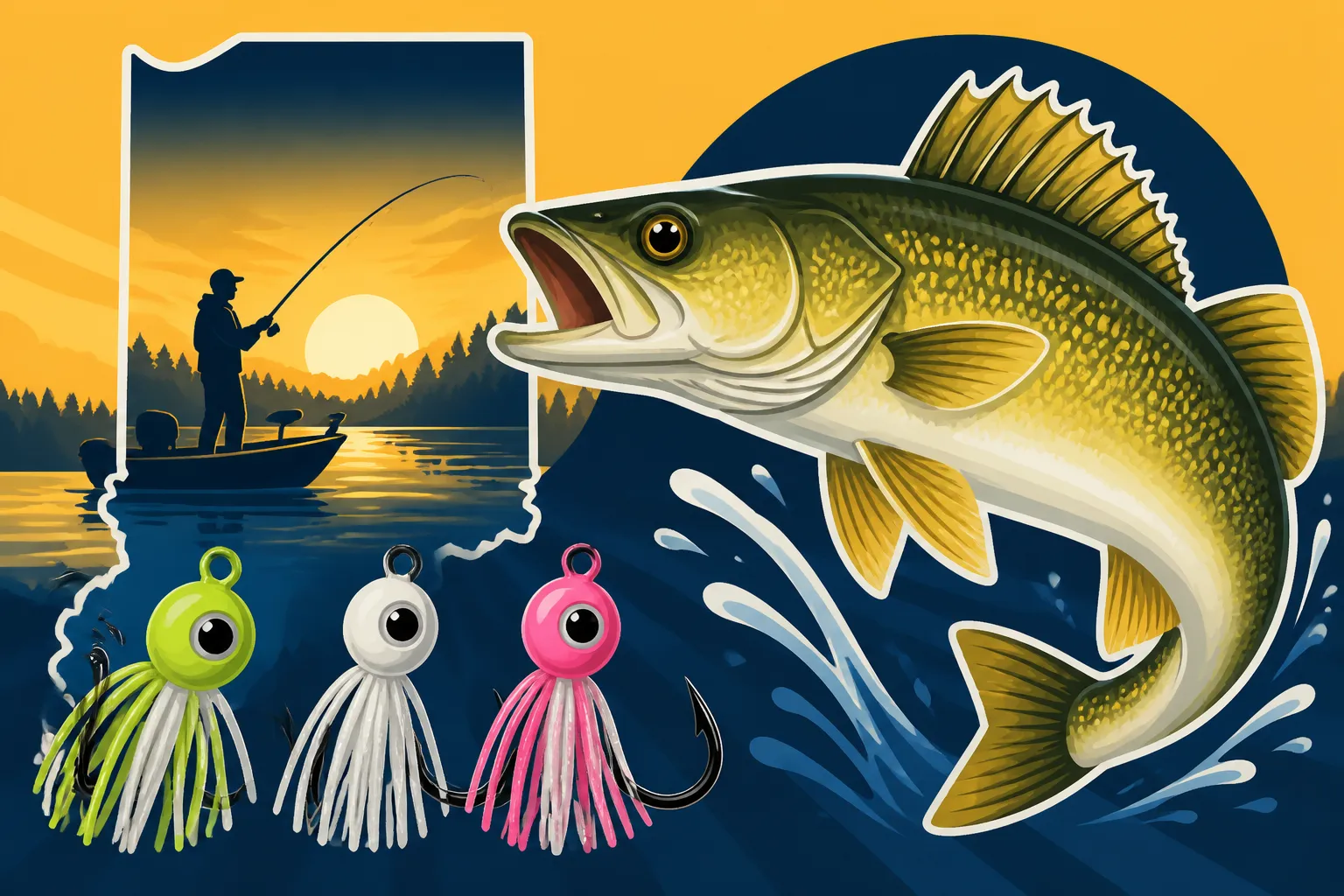
Finding the right lure for Indiana's notoriously finicky walleye can often feel like a puzzle. You’ve scouted your spot, the conditions look prime, but what do you tie on? If you've ever felt that frustration of throwing everything in your tackle box without a bite, you're not alone. This guide is all about simplifying that choice, diving deep into the world of jigs and why they're often your best bet for enticing those elusive Hoosier walleye, covering everything from the best types and colors to the most effective techniques for success.
The Undeniable Appeal of Jigs for Indiana Walleye
When it comes to targeting walleye in Indiana, anglers often find themselves staring at a dizzying array of baits and lures. Crankbaits, spinnerbaits, soft plastics – the options seem endless. However, time and again, one category rises to the top for its sheer effectiveness and versatility: jigs. There's a reason why so many seasoned walleye anglers in our state swear by them, from the calm waters of our many reservoirs to the current of our larger rivers.
Why Jigs Outperform Other Lures for Finicky Walleye
Walleye are often described as light-sensitive and cautious predators. They prefer to ambush their prey, hugging structure or lurking in deeper, darker water. This behavior makes them less prone to chasing down fast-moving, flashy lures, especially during bright daylight hours or when fishing pressure is high. This is precisely where jigs shine. A jig, when presented correctly, mimics a struggling baitfish or a crayfish scuttling along the bottom – a natural, easy meal that's hard for a walleye to resist. The subtle action, controlled descent, and ability to stay in the strike zone longer often trigger bites when other lures fail. It's about presenting a meal, not just a flashy advertisement. You're not trying to make them chase; you're putting dinner right in front of them, asking them to eat. This patient, precise approach is often the key to unlocking consistent walleye catches in Indiana.
Versatility Across Indiana's Diverse Walleye Waters
One of the greatest advantages of jigs is their adaptability to Indiana's wide range of walleye habitats. Whether you're fishing the deep, clear glacial lakes up north, the vast, murky reservoirs of central Indiana, or the flowing waters of a river, there's a jigging presentation that can work. In deep water, vertical jigging keeps your lure precisely where the fish are holding. In shallower areas or over flats, casting and slowly retrieving a jig allows you to cover ground efficiently while maintaining that irresistible natural presentation. Even in current, the right jig can be drifted or worked along the bottom to mimic forage struggling against the flow. This adaptability means you don't need a separate tackle box for every body of water; a well-stocked jig selection can serve you well across the state. Many of our best walleye spots, from Lake Wawasee to the St. Joseph River, will see anglers effectively using jigs throughout the year.
Decoding the Best Jig Types for Hoosier Walleye
So, you're convinced jigs are the way to go. But then you walk into a Bass Pro Shops or browse online at Amazon, and you're faced with dozens of different jig designs. Don't worry, it's not as overwhelming as it seems. We can break down the most effective jig types for Indiana walleye into a few key categories, each with its own strengths and ideal scenarios.
Lead Head Jigs: The Tried-and-True Workhorses
When most anglers think of a walleye jig, they're probably picturing a classic lead head jig with a soft plastic tail. These are the undisputed workhorses of walleye fishing, and for good reason. They're simple, effective, and incredibly versatile. The lead head provides the weight to get your bait down to depth, and the hook is perfectly positioned to catch a walleye's upward-looking mouth.
- Round Ball Jigs: These are perhaps the most common and versatile. Their round head allows them to fall naturally and provides a subtle rocking action when retrieved. Pair them with a soft plastic grub, minnow imitation, or a worm, and you have a deadly combination. They are excellent for vertical jigging directly under the boat or for casting and slowly dragging along the bottom.
- Stand-Up Jigs: Designed with a flat bottom, these jigs sit upright on the lakebed, presenting your plastic or live bait tantalizingly off the bottom, mimicking a feeding baitfish or crayfish. This is particularly effective in situations where walleye are less aggressive and more likely to pick up a bait presented to them. They're fantastic for drifting or slow-trolling presentations, especially on softer bottoms where round heads might bury.
- Bullet or Minnow Head Jigs: These jigs often have a more hydrodynamic shape, allowing them to slice through the water and current more easily. They're great when you need a faster drop or are fishing in stronger currents, like on a river. They also pair very well with straight-tailed soft plastics or live minnows, giving a very natural profile.
Hair Jigs and Marabou Jigs: Subtle Appeal for Tough Bites
Sometimes, walleye get incredibly finicky. Maybe the water is crystal clear, or they're under immense fishing pressure. This is when natural materials like hair and marabou can make all the difference. These jigs offer an incredibly subtle, lifelike action that soft plastics sometimes can't replicate.
- Marabou Jigs: Marabou feathers are notoriously soft and pulsate with the slightest movement, even when the jig is barely moving. This "breathing" action is irresistible to lethargic walleye. They are fantastic for cold water conditions or when fish are suspending and need a very slow, seductive presentation. Think about those early spring or late fall days when the water temperatures drop – a slowly presented marabou jig can be a game-changer.
- Bucktail Jigs: While often associated with bass, bucktail jigs are also excellent for walleye, particularly in rivers or deeper lakes. The bucktail hair flares and contracts in the water, creating a larger profile on the retrieve than its actual size. They're durable and can stand up to aggressive bites. Try them in areas with current or when you want a slightly more aggressive, yet still natural, presentation.
Jigging Raps and Blade Baits: Aggressive Options for Reaction Strikes
While jigs are often about subtle presentations, there are times when an aggressive, attention-grabbing lure is exactly what's needed to trigger a walleye's predatory instincts. That's where jigging raps and blade baits come into play. These aren't traditional "jigs" in the soft plastic sense, but they are jigged vertically to elicit strikes.
- Jigging Raps (Lipless Crankbaits designed for vertical jigging): Lures like the Rapala Jigging Rap are deadly for vertical presentations, especially through the ice or when targeting suspended fish in open water. They have a unique darting, swimming action on the fall, resembling a wounded baitfish, and glide back to the center after each lift. They're excellent for pinpointing schools of walleye found on your fish finder. Many anglers swear by these for winter and early spring walleye in deeper sections of lakes like Monroe Lake or Patoka Lake.
- Blade Baits: These thin, vibrating metal lures create a tremendous amount of flash and vibration on the retrieve. They're ideal for attracting walleye from a distance and triggering reaction strikes, particularly in colder water or when fish are schooled up tight. A sharp snap and fall technique makes them "swim" erratically, driving walleye crazy. They're especially effective in rivers where current can amplify their vibration.
Mastering Color and Size Selection for Indiana Walleye Jigs
Once you have your preferred jig types, the next critical step is choosing the right color and size. This isn't just about aesthetics; it's about matching the prevailing conditions and the walleye's mood. A thoughtful selection can dramatically increase your hook-ups on Indiana's diverse waters.
Navigating the Color Spectrum: When to Go Bright, When to Go Natural
Walleye vision is unique. They see colors differently than humans, especially in low light or stained water. Understanding this can guide your color choices:
- Natural Colors (Green Pumpkin, Watermelon, Smoke, Brown, Black): These are your bread and butter in clear water conditions or when walleye are pressured and shy. They mimic natural forage like gobies, crayfish, or minnows. If the water is clear, especially in our glacial lakes or reservoirs, start with these. You'll often find a great selection of natural soft plastics at any reputable fishing outfitter or on Amazon.
- Bright/Fluorescent Colors (Chartreuse, Orange, Pink, Firetiger): These colors really pop in stained or murky water, as well as during low light conditions (dawn, dusk, or overcast days). Walleye are masters of ambush, and a bright jig makes it easier for them to locate your bait in less-than-ideal visibility. In turbid rivers or after heavy rains, these colors can be incredibly effective. Consider a chartreuse jig and plastic combo when fishing on Indiana's White River after a good rainfall.
- Metallic/Flashy Colors (Gold, Silver, Pearl): Often found in blade baits or jigging spoons, these colors excel at imitating baitfish flashes. They're great for attracting attention from a distance, especially in sunny conditions or when fish are aggressive.
- The "Rule of Thumb": If in doubt, try a combination. Many successful walleye anglers start with a natural-colored jig head paired with a bright plastic tail, or vice versa, to offer a bit of both appeal. Sometimes, the contrast is what triggers the bite.
Sizing Up Your Jig: Matching the Hatch and Water Depth
Jig size is crucial and depends heavily on two main factors: the size of the forage walleye are feeding on, and the depth/current you're fishing.
-
Weight Matters:
- Light Jigs (1/16 oz – 1/8 oz): Ideal for shallow water (under 10 feet), minimal current, or when fish are very finicky. They offer a slower, more natural fall. Great for subtle presentations.
- Medium Jigs (1/4 oz – 3/8 oz): The most versatile and commonly used weights. They handle moderate depths (10-25 feet) and light to moderate current. If you're only going to carry one size, make it this one.
- Heavy Jigs (1/2 oz – 1 oz+): Necessary for deep water (25+ feet), strong currents, or when you need to maintain bottom contact in heavy wind. While they fall fast, they can sometimes be too aggressive for less active walleye. Always choose the lightest jig possible that still allows you to maintain feel and bottom contact. This is particularly important when vertical jigging over specific structures, which can be a highly effective Walleye Jigging Techniques.
-
Profile Matters: The actual size of the jig head plus the soft plastic or hair dressing should approximate the size of the baitfish in the area. If walleye are feeding on small shad or minnows, a 3-inch grub on a 1/4 oz jig might be perfect. If larger forage is present, a 4-5 inch paddle tail on a 3/8 oz jig might be more appropriate. Pay attention to what's in the water or what local bait shops are selling as common forage.
The Importance of a Quality Jig Head and Hook
Don't skimp on quality when it comes to your jig heads! A cheap jig can cost you a trophy walleye.
- Sharp, Strong Hooks: Walleye have bony mouths, and a dull hook will result in missed hooksets. Look for jigs with chemically sharpened hooks. Additionally, walleye can grow quite large in Indiana, especially in our prime spots like those found in Indiana Walleye Fishing: A Complete Guide. A cheap hook can straighten out under the strain of a strong fish. Brands like VMC, Gamakatsu, and Mustad offer excellent hook quality.
- Well-Poured Heads: A quality jig head will have a smooth finish, clear eyelets (no paint clogging them), and a reliable wire keeper to hold your soft plastic in place. There's nothing more frustrating than your plastic sliding down after every other cast. Many anglers even prefer jigs with an oversized eye for better knot movement and reduced line twist. You can find quality jigs from a variety of manufacturers at a dedicated fishing store like Bass Pro Shops.
Here's a quick reference table for common Indiana walleye jig scenarios:
| Scenario | Water Clarity | Water Temp | Preferred Jig Type | Recommended Colors | Recommended Size |
|---|---|---|---|---|---|
| Clear Lake, Sunny Day | Clear | Warm/Cool | Round Head/Stand-Up Jigs | Green Pumpkin, Watermelon, Smoke | 1/8 – 1/4 oz |
| Stained River, Overcast Day | Murky | Cool | Bullet Head, Bucktail | Chartreuse, Orange, Firetiger | 1/4 – 3/8 oz |
| Deep Lake, Suspended Fish | Clear/Stained | Cold | Jigging Rap, Blade Bait | Silver, Gold, White, Glow (night) | 3/8 – 1/2 oz |
| Finicky Walleye, Slow Bite | Clear/Stained | Cold | Marabou Jig | Black, Brown, Natural Minnow | 1/16 – 1/8 oz |
| Strong Current, Bottom Bouncing | Any | Any | Bullet Head, Heavy Round | Chartreuse, White, Natural (match forage) | 1/2 – 1 oz |
Effective Jigging Techniques for Indiana Walleye Success
Having the right jig is only half the battle; knowing how to present it effectively is the other, equally crucial part. Walleye are subtle biters, and mastering your jigging technique will help you detect those light taps and convert them into landed fish. These are the primary ways Indiana anglers bring jigs to life.
Vertical Jigging: Precision in Deep Water and Over Structure
Vertical jigging is often the go-to technique when walleye are holding tight to structure or are suspended in deeper water. It's all about precision and keeping your bait in the strike zone.
- The "Lift-Drop" Method: This is the classic. Lower your jig until it hits the bottom (you'll feel a slack in your line or see your line stop falling). Then, lift your rod tip sharply 6-12 inches, letting the jig fall back down on a semi-slack line. The bite often occurs as the jig is falling or just after it hits bottom. Pay close attention to your line for any twitch or sudden stop. This is a fantastic technique for targeting walleye in deep holes or along distinct breaks, especially if you're marking fish on your Best Fish Finders for Indiana Lake Fishing.
- Dead Sticking: Sometimes, less is more. For lethargic walleye, simply dropping your jig to the bottom and letting it sit completely still, or with just the slightest tremor from your rod tip, can be incredibly effective. Every few minutes, give it a subtle lift and drop. This technique is often deadly with a live minnow or piece of crawler on the hook.
- Pounding the Bottom: If the walleye are hugging the bottom and not responding to standard lifts, try "pounding" your jig. This involves repeatedly dropping the jig to lightly tap the bottom, creating puffs of silt or mud that mimic a feeding baitfish. It can be surprisingly effective at drawing attention in murky water.
Casting and Retrieving: Covering Water in Shallows and Flats
When walleye are spread out over flats, along weed lines, or in shallower areas, casting and retrieving a jig allows you to cover more water efficiently.
- The "Drag and Hop": Cast your jig out, let it sink to the bottom, then slowly drag it a few feet with your rod tip. Then, give it a sharp hop or two with the rod, let it settle back, and repeat. This mimics a crayfish or a foraging baitfish. It's a great technique for covering large areas, especially in the evening or during low-light conditions when walleye move shallower to feed.
- Swim and Glide: Use a jig with a paddle tail soft plastic and simply cast it out, allowing it to sink to the desired depth, then reel it back with a steady retrieve, perhaps adding a subtle twitch of the rod tip now and then. This creates a swimming action that can be irresistible to actively feeding walleye. This is particularly effective in areas where walleye are chasing shad or other baitfish in open water.
- Current Control: When fishing rivers, casting upstream and allowing your jig to drift downstream with the current, maintaining just enough tension to feel the bottom, can be highly productive. This natural drift makes your jig look like an easy meal flowing with the river's bounty. This technique is essential for river walleye fishing, which often requires specific Walleye Fishing Tips for Indiana's Large Rivers.
Tipping Your Jig: Enhancing Appeal with Live Bait or Soft Plastics
While many jigs are effective on their own, tipping them with bait can often be the secret sauce that seals the deal, especially on tough days.
- Live Bait:
- Minnows: A small live minnow hooked through the lips or dorsal fin on a jig is a classic walleye killer. The natural scent and erratic movement are hard for any walleye to ignore. Shiner, fathead, or dace minnows are popular choices.
- Nightcrawlers: A piece of a nightcrawler threaded onto a jig hook adds a strong scent trail and tempting wiggling action. This is particularly good for slow-moving presentations.
- Leeches: Leeches, when available, are another excellent choice for tipping jigs. They are tough, stay on the hook well, and have a natural undulating movement that walleye love.
- Soft Plastics: If live bait isn't an option or you prefer artificials, there's a huge array of soft plastics designed to tip jigs.
- Grubs: Curl-tail grubs are simple yet effective. The tail provides constant action even on a slow retrieve.
- Minnow Imitations: Straight-tailed or paddle-tail minnow imitations are excellent for mimicking baitfish. Paddle tails create more vibration, while straight tails offer a more subtle glide.
- Creature Baits: Sometimes, a small tube jig or a creature bait that mimics a crayfish can be incredibly effective, especially when fishing rocky bottom where crayfish hide.
- Scented Plastics: Many soft plastics are infused with scent, which can be an added bonus, especially in murky water where walleye rely more on their sense of smell. You can often find great deals on a variety of scented soft plastics on Amazon or at local bait shops.
No matter which jig you choose or how you present it, remember that confidence in your technique is key. The more you experiment and pay attention to what the fish are telling you on any given day, the more successful you'll be at catching those elusive Indiana walleye. Happy jigging!
Disclaimer
This article is for general informational purposes only and does not constitute professional advice. Laws, prices and regulations vary by location and change over time. Consult a qualified professional for guidance on your specific situation.