What Is a BMV Boater ID Card in Indiana?
It can feel like a tangled mess trying to figure out all the different licenses, permits, and ID cards you need to enjoy the great outdoors in Indiana. Anglers often wonder if their fishing license is enough, or if a regular driver's license covers them for boating. This guide is here to untangle that confusion, explaining exactly what a BMV Boater ID Card is in Indiana, who truly needs one, and how you can get yours to stay safe and legal on the water.
Demystifying Indiana's Boater ID Card
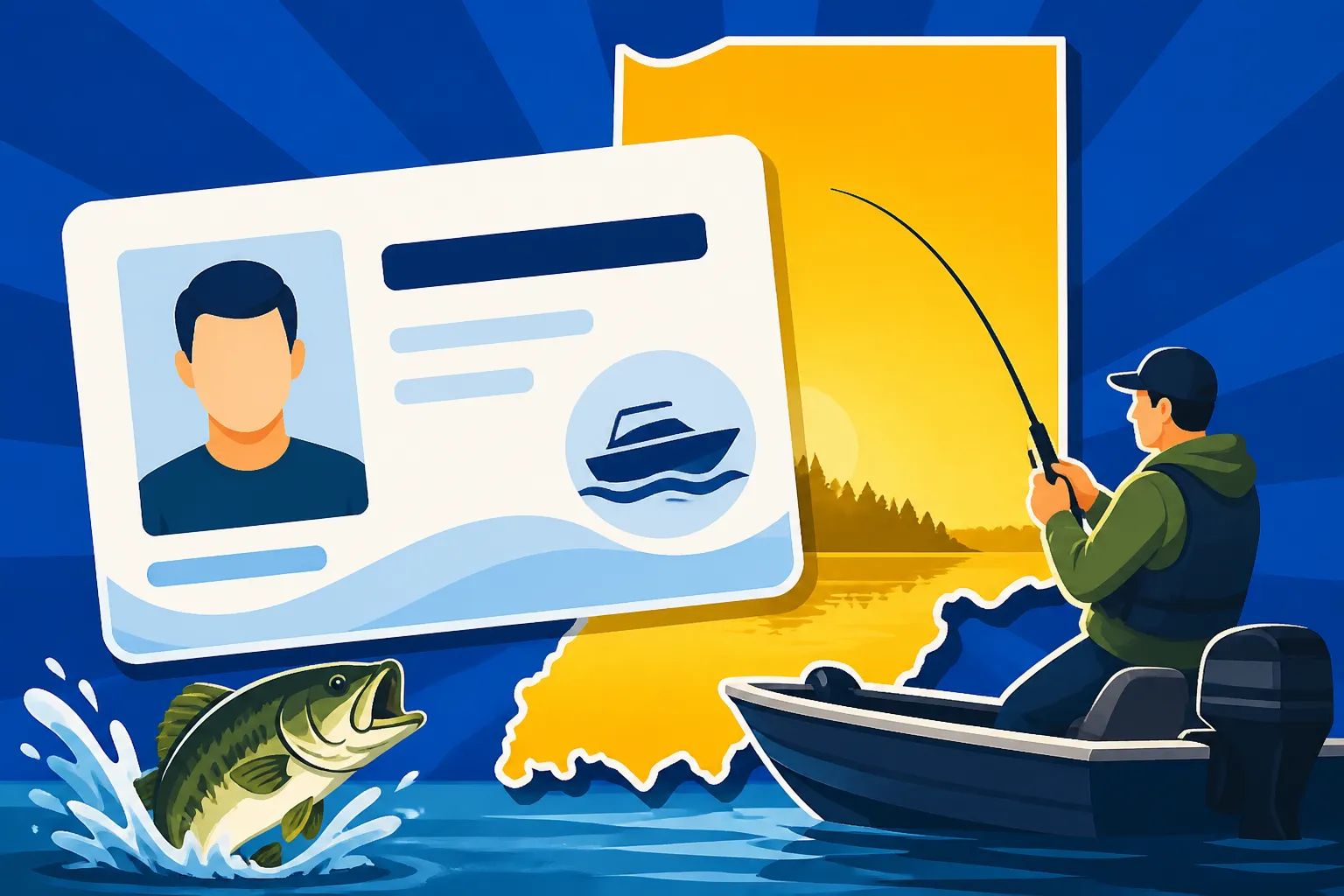
Let's clear the air right away: Indiana doesn't issue a traditional "boating license" in the same way the Bureau of Motor Vehicles (BMV) issues a driver's license for operating a car. This is often where the confusion begins for many people. Instead, what we have in Indiana is a Boater Education Card, often referred to as a "BMV Boater ID Card" because the BMV is the agency that officially issues the physical card after you've completed the required safety education. It's proof that you've invested the time to learn the rules of the water, understand safety protocols, and are equipped to operate a motorized vessel responsibly.
The truth is, many folks, especially those new to boating or moving from another state, find the regulations a bit murky. They might think their valid driver's license or even their Indiana Fishing License Requirements Explained automatically covers them for boating. But these are distinct requirements designed for different activities. While a fishing license allows you to cast a line, and a driver's license allows you to drive on roads, neither inherently grants you the legal right to operate a boat if you fall under specific age and horsepower guidelines for boater education. This Boater ID Card is a crucial piece of the puzzle, emphasizing safety and responsible behavior on our lakes and rivers, not just fishing ability.
It's Not a "Boating License" But It's Just as Important
Calling it a "BMV Boater ID Card" can be a little misleading because it sounds like a traditional license you get through testing at the BMV. However, the core requirement is actually completing a boater education course. Once you pass that course, the BMV simply issues the physical card as official proof of your certification. This distinction is vital because it shifts the focus from simply "passing a test" to "completing education." The intent isn't just to catch violators, but to ensure that anyone operating a powerful vessel on our shared waterways has a fundamental understanding of navigation rules, proper equipment, and how to react in emergency situations.
Imagine a busy summer weekend on Monroe Lake or Lake Wawasee. With so many boats, personal watercraft, and even kayaks out enjoying the water, clear communication and adherence to safety rules are paramount. That's precisely what this education aims to instill. It covers everything from understanding aids to navigation (like buoys and markers) to knowing how to properly anchor your boat and what to do if you encounter rough weather. It's about protecting yourself, your passengers, and everyone else enjoying Indiana's beautiful waters. The card itself is a tangible representation of that commitment to safety.
Who Absolutely Needs This Card in Indiana?
This is the million-dollar question for many boaters. In Indiana, the BMV Boater ID Card is specifically required for anyone born after December 31, 1985, who wishes to operate a motorboat with an engine of 10 horsepower or more. That's a pretty significant chunk of our boating population! If you were born before January 1, 1986, you are generally exempt from this specific requirement, though taking a boater education course is still a fantastic idea for anyone who spends time behind the helm.
Think about a teenager eager to take the family's pontoon boat out on Patoka Lake, or a young adult who just bought their first fishing boat. If they were born after that cutoff date and the motor is 10 horsepower or stronger, they absolutely need to have that BMV Boater ID Card on them while operating the vessel. This rule also applies to those operating personal watercraft (PWCs), often called jet skis, as they typically have motors well over 10 horsepower. It's not about how long you've been around boats, but rather a universal standard applied to a specific demographic to ensure a baseline of knowledge and safety. You can dive deeper into the age requirements by checking out Can a 14 Year Old Drive a Boat in Indiana? and What Horsepower Requires a License in Indiana?.
How to Obtain Your Indiana BMV Boater ID Card
Getting your Boater ID Card isn't a daunting task, but it does involve a couple of steps: completing an approved boater education course and then taking proof of that completion to the BMV to get your physical card. It's a structured process designed to ensure you gain the necessary knowledge before hitting the water. Many people find the courses quite engaging, offering valuable insights even for those who've been around boats for years. The goal is truly to make you a more informed and safer boater, which ultimately enhances everyone's experience on the water.
The good news is that Indiana offers flexible options for completing your boater education. You don't necessarily have to sit in a classroom for hours on end, though those options are available for those who prefer them. The state understands that people have busy lives and want to make it as convenient as possible to become a certified boater.
Step-by-Step: Taking the Boater Education Course
The first and most important step is successfully completing a boater education course approved by the Indiana Department of Natural Resources (DNR). These courses are designed to cover a comprehensive range of topics essential for safe boating. You'll learn about navigation rules, how to respond to emergencies, environmental responsibilities, safe docking and trailering practices, and the proper use of safety equipment. The content is practical and directly applicable to real-world boating scenarios you'll encounter on Indiana's diverse waterways, from the quiet coves of a reservoir to the bustling channels of Lake Michigan.
You have a couple of primary options for taking the course: in-person classes or online courses. In-person classes often provide the benefit of direct interaction with instructors and other students, allowing for immediate questions and discussions. Online courses, on the other hand, offer incredible flexibility, letting you learn at your own pace from the comfort of your home, which is a huge plus for many busy individuals. You can often find supplementary study guides or boating safety manuals on Amazon to help you prepare for the course, even if the official course material is provided directly. Regardless of the format you choose, the course will culminate in an exam that you must pass to receive your certificate of completion. For more details on what these courses entail, check out Indiana Boater Education Course Requirements.
The BMV's Role: Turning Your Certificate into an ID Card
Once you've successfully passed your boater education course and received your certificate of completion, you're halfway there! This certificate is your proof that you've met the educational requirement. The next step is to take this certificate to an Indiana Bureau of Motor Vehicles (BMV) branch. They are the official state agency responsible for issuing the physical BMV Boater ID Card. Think of it like this: the course provider teaches you, and the BMV prints your official credential.
When you visit the BMV, you'll need to present your course completion certificate, along with valid identification (like your driver's license or state ID) and possibly proof of Indiana residency. There might be a small administrative fee associated with the issuance of the physical card, so it's always a good idea to check the BMV's website or call ahead for current requirements. This process is fairly straightforward, much like applying for a duplicate driver's license or updating your information. The BMV staff will process your application, verify your certificate, and then issue your official Indiana BMV Boater ID Card. This card is the physical document you'll need to carry with you when you're operating a boat that requires the education. You can learn more about this specific process by reading Getting Your Boater ID Card From the Indiana BMV.
Practical Implications for Indiana Anglers and Boaters
Understanding the BMV Boater ID Card is more than just knowing who needs it; it's about appreciating its practical impact on your boating and fishing excursions throughout Indiana. It ensures that everyone on the water is operating from a baseline of knowledge, which contributes significantly to a safer and more enjoyable environment for all. It affects how you prepare for a day out, what documents you need to have accessible, and how you perceive your responsibilities as a vessel operator. This isn't just about avoiding a fine; it's about being a conscientious member of the Indiana boating community.
For many, especially families who enjoy weekend fishing trips or recreational boating, knowing these rules keeps everyone compliant and prevents unnecessary stress. Imagine being pulled over by the DNR on a beautiful sunny day and realizing you don't have the proper documentation. It can quickly sour what should be a relaxing experience. That's why being proactive and understanding these requirements is so beneficial.
When to Have Your Boater ID Card On Hand
If you are an individual born after December 31, 1985, and you are operating a motorboat with an engine of 10 horsepower or more on Indiana waters, then your BMV Boater ID Card must be on your person. This isn't an optional suggestion; it's a legal requirement. Just like you need your driver's license when driving a car, you need your Boater ID Card when operating a boat under these specific conditions. Law enforcement officials, including DNR officers and local police, have the authority to ask for this card.
Failing to produce a required Boater ID Card can lead to a citation or a fine, which no one wants to deal with during a peaceful day of fishing. While the specific penalties can vary, they are certainly an unwelcome interruption to your boating plans. It's always a good idea to keep your card in a waterproof pouch along with your fishing license and any other important documents, like your boat's registration. Think of it as part of your essential pre-launch checklist, right up there with checking your fuel and making sure you have enough life jackets. For context on other types of violations, you can look at Penalties and Fines for Fishing Without a License.
Does Your Driver's License Suffice?
This is a common question, and the short answer is no, not for the purpose of operating a boat under the requirements of the boater education law. An Indiana driver's license grants you the privilege to operate a motor vehicle on public roads. It does not certify you in boater safety or satisfy the requirement for the BMV Boater ID Card. They are two distinct documents serving different legal and safety purposes. Even if you've been driving cars for decades, the rules of the road are vastly different from the rules of the water.
Consider the specific training involved in each. Driving school teaches you about traffic laws, road signs, and vehicle operation. Boater education, conversely, focuses on navigation rules (like right-of-way on water), understanding buoys, responding to maritime emergencies, and the unique challenges of operating a vessel in varied water conditions. While both require responsibility, the skill sets and knowledge bases are unique. So, while your driver's license is an important piece of identification, it won't fulfill the requirement for the BMV Boater ID Card if you fall within the demographic that needs it. If you're still wondering about this, our article Do You Need a Boater ID Card if You Have a Driver's License in Indiana? breaks it down further.
Beyond the Law: Why Education Benefits Everyone
While fulfilling a legal requirement is a primary driver for obtaining your BMV Boater ID Card, the benefits of completing boater education extend far beyond simply avoiding a ticket. The knowledge you gain can genuinely make you a more confident, capable, and safer boater. This isn't just about navigating; it's about understanding the nuances of how weather affects water conditions, how to identify potential hazards, and how to operate your vessel in a way that minimizes environmental impact and respects other users of the waterway.
Even for those seasoned boaters who are exempt from the mandatory card requirement, taking a refresher course or an initial boater education class can provide updated information and reinforce good habits. Boating technology evolves, and regulations can change, so staying informed is always a smart move. When everyone on the water is well-informed and acts responsibly, it creates a more pleasant and secure environment for recreational activities like fishing, water skiing, or simply enjoying a scenic cruise. It's an investment in your safety and the safety of everyone around you. You can learn more about general boating safety requirements for various items in places like Bass Pro Shops or through online retailers like Amazon.
Common Questions and Misconceptions
There are always a few lingering questions and common misunderstandings when it comes to any state regulation, and the Indiana BMV Boater ID Card is no exception. People often wonder about how it applies to visitors, or if their smaller, non-motorized vessels are subject to the same rules. It's totally normal to have these queries, and addressing them can help ensure that everyone understands their responsibilities and can enjoy Indiana's waters without unnecessary worry.
Let's clear up some of those frequently asked questions, giving you a complete picture of what the BMV Boater ID Card means for a variety of boating situations. It's all about navigating the rules with confidence so you can focus on the fun.
Reciprocity with Other States and Out-of-State Visitors
This is a big one, especially for our neighbors or folks visiting Indiana for a fishing or boating vacation. Generally, Indiana will recognize boater education certifications issued by other states, provided those certifications meet the requirements of the National Association of State Boating Law Administrators (NASBLA) guidelines. Most state-issued boater education cards or licenses adhere to these standards, so if you've successfully completed a course and obtained a card in your home state (e.g., Ohio, Michigan, Illinois, Kentucky), you are likely covered when operating a vessel in Indiana, as long as it's a NASBLA-approved program.
However, if you're an out-of-state visitor who hasn't completed a boater education course in your home state, and you fall into Indiana's age and horsepower requirements (born after December 31, 1985, operating 10 HP+), then you would need to complete an Indiana-approved course to legally operate a boat here. It's always a good practice to carry your home state's boater education card along with your photo ID when visiting Indiana waters. While the focus here is on boater education, general rules for visiting boaters often extend to registration, so it's worth checking Out-of-State Boat Registration Rules for Indiana Waters for a comprehensive understanding.
Differences for Kayaks, Canoes, and Non-Motorized Vessels
Good news for paddle sports enthusiasts! The Indiana BMV Boater ID Card requirement specifically applies to the operation of motorboats with engines of 10 horsepower or more. This means that if you're enjoying Indiana's tranquil rivers or lakes in a kayak, canoe, stand-up paddleboard (SUP), rowboat, or any other non-motorized vessel, you are generally not required to possess this boater education card. This distinction is important because the risks and operational knowledge required for motorized vessels are different from those of human-powered craft.
That being said, while the card isn't required for these non-motorized vessels, basic water safety knowledge is always a fantastic idea. Understanding how to use a life jacket, knowing weather patterns, and being aware of other boat traffic are universal principles that apply to everyone on the water. Many organizations offer paddle-specific safety courses that, while not legally mandated for an ID card, can greatly enhance your safety and enjoyment. For additional clarity on non-motorized vessel requirements, especially regarding registration, you might find Do Kayaks Need to Be Registered in Indiana? helpful.
Here's a quick comparison to help keep things straight:
| Document | Purpose | Required For | Who Needs It | Issued By |
|---|---|---|---|---|
| Indiana Driver's License | Legal driving privileges on public roads | Operating a motor vehicle | Drivers 16+ (or 15 with permit under supervision) | Indiana BMV |
| BMV Boater ID Card | Proof of Boater Education Completion | Operating motorboat > 10 HP | Individuals born after Dec 31, 1985 | Indiana BMV (after approved course) |
| Indiana Fishing License | Legal right to fish in public waters | Fishing in public waters (certain species/methods) | Most residents and nonresidents age 18-64 (exceptions for seniors, youth, free fishing days apply) | Indiana DNR (through licensed vendors) |
| Boat Registration | Legal identification and ownership of vessel | Most motorized vessels (with exceptions for size/HP) | Owner of the vessel | Indiana BMV (or equivalent out-of-state) |
Disclaimer
This article is for general informational purposes only and does not constitute professional advice. Laws, prices and regulations vary by location and change over time. Consult a qualified professional for guidance on your specific situation.