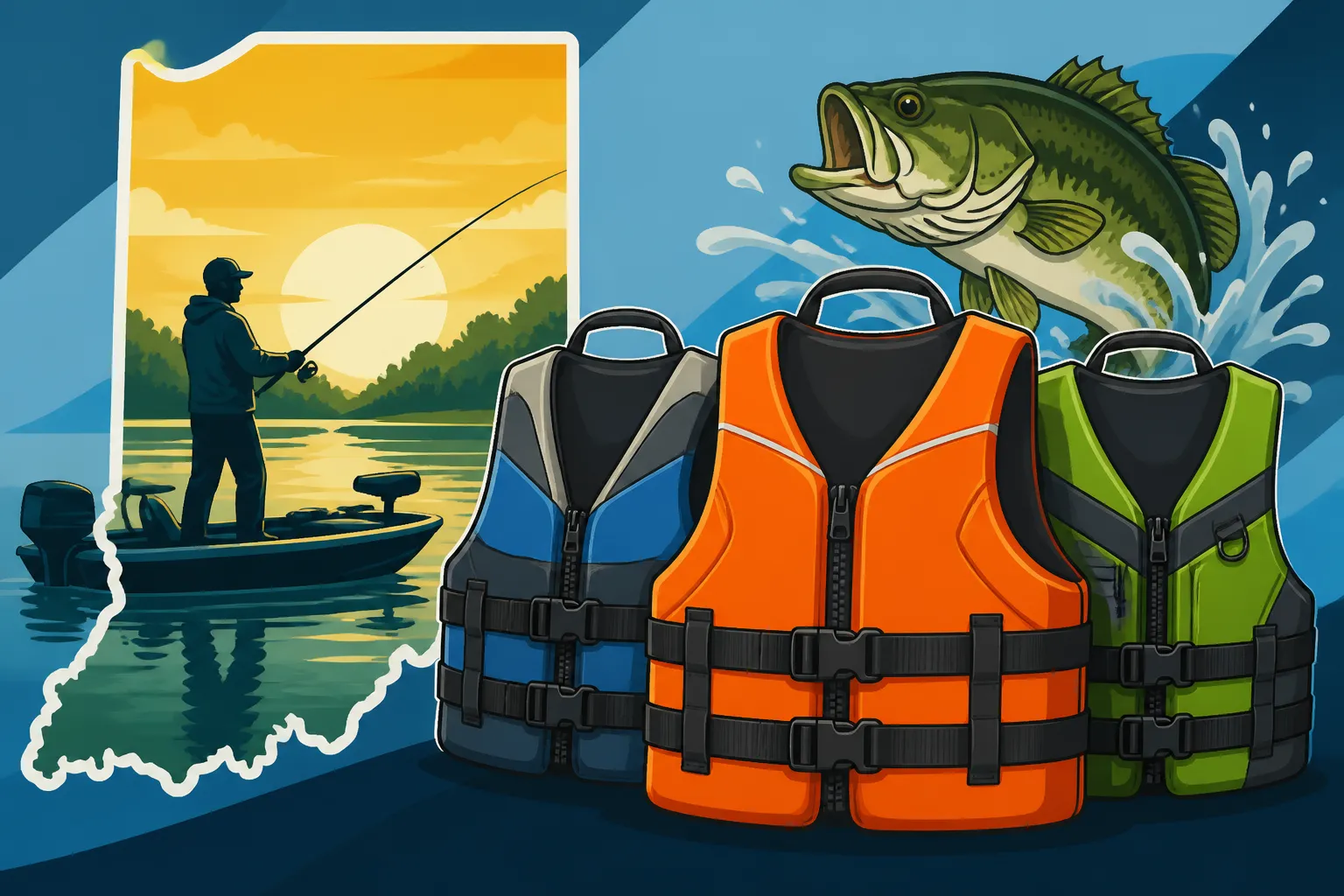
Best Life Jackets for Indiana Bass Fishing
You're all geared up for a day of chasing those elusive largemouths on an Indiana lake. You've got your favorite rods, the perfect crankbaits, and the smell of fresh air fills your lungs. But then it hits you: that nagging thought about safety. You might think, "I'm a strong swimmer," or "I'm just going out on a calm pond," but the truth is, unexpected things happen on the water. This guide is all about helping you understand why a life jacket isn't just a piece of legal requirement, but a crucial piece of gear for every Indiana bass angler, and how to pick the very best one to keep you safe and comfortable.
Why a Life Jacket Isn't Just for Emergencies on Indiana Waters
Let's be real, a lot of us feel that a life jacket is something you have to have on board, not necessarily something you need to wear. Especially when you're focused on the thrill of the hunt for a big bass, wrestling with casting techniques, or trying to navigate a new lake. But the reality is that the water can be unpredictable, even on a sunny, calm day in Indiana. A life jacket isn't just for when the boat capsizes; it's for those unexpected moments that can catch any angler off guard.
The Illusion of Invincibility: Why Even Strong Swimmers Need PFDs
It's a common sentiment: "I'm a good swimmer, I don't need to wear it." And perhaps you are! But think about what actually happens if you suddenly find yourself in the water. Maybe you slipped on a wet deck, or a rogue wake caught your boat just right. You could hit your head, get tangled in fishing line, or the sudden cold shock of Indiana lake water, even in summer, could steal your breath and ability to swim effectively. Even seasoned anglers can be disoriented or incapacitated. If you're out alone, especially on a remote stretch of Monroe Lake: Indiana's Largest Lake for Bass Fishing or a quiet river, who's going to know if something goes wrong? A life jacket gives you those precious extra minutes, that vital buoyancy, that could be the difference between a scary story and a tragic one.
Unexpected Hazards That Demand Constant Vigilance
Beyond just falling in, consider the other factors unique to bass fishing. You're often moving around the boat, casting aggressively, reaching for lures, or even battling a powerful fish that could pull you off balance. Suddenly, your foot slips on a spilled minnow bucket, or you lean too far over the side trying to net a monster, and splash. Now you're in the water, perhaps with your waders filled with water, or wearing heavy clothing that quickly becomes waterlogged. Other boaters, particularly jet skis or speedboats on bigger lakes, can create wakes that rock your boat unexpectedly. A life jacket mitigates the immediate panic and gives you time to assess the situation and get back to safety. It's a proactive measure against the "what ifs" that every angler faces. You can find excellent options for all these scenarios at places like Bass Pro Shops, where you can even try them on to ensure a comfortable fit.
Different Life Jacket Styles: Finding Your Perfect Fishing Partner
When it comes to life jackets, it's not a one-size-fits-all situation, especially for bass fishing. There are a few main types, and understanding their pros and cons will help you choose the best one for your style of angling. Comfort and mobility are absolutely critical when you're casting all day, and thankfully, modern PFDs (Personal Flotation Devices) are designed with anglers in mind.
Inherently Buoyant (Foam) Vests: The Reliable Workhorse
These are your traditional life jackets, filled with foam or other buoyant material. They offer constant flotation without needing any action from you.
- Pros:
- Always On: Provides immediate flotation the moment you hit the water. No mechanisms to deploy, no CO2 cartridges to check.
- Durable: Generally very tough, resistant to punctures from hooks or other fishing gear.
- Lower Maintenance: Just dry it out and store it properly.
- Cost-Effective: Often the most affordable option.
- Cons:
- Bulkier: Can restrict movement, especially around the arms and shoulders, which might impact casting comfort over a long day.
- Hotter: Less breathable than inflatables, which can be a drawback on hot Indiana summer days.
- Less Streamlined: Some anglers find them cumbersome when trying to reach into tight boat compartments or navigate small spaces.
These are a fantastic choice for anglers who prioritize simplicity and constant, worry-free buoyancy. They are also ideal for beginners or those who might be less comfortable in the water. Many modern foam vests are designed with thinner foam panels and mesh backing to improve comfort, so don't dismiss them outright.
Inflatable Life Jackets: Sleek, Cool, and Ready When You Are
Inflatable PFDs are a game-changer for many active anglers. They are designed to be much less bulky and more comfortable to wear all day long.
- Pros:
- Unrestricted Movement: Their slim profile allows for full range of motion, which is crucial for repetitive casting and reeling.
- Cool and Breathable: Minimal material means better airflow, keeping you cooler on warm days.
- Less Bulky: You might even forget you're wearing it, which is the ultimate compliment for a PFD.
- Cons:
- Requires Activation: Most are either manual (you pull a cord) or automatic (inflate on water immersion). If you're unconscious or disoriented, a manual inflatable won't help unless deployed.
- Maintenance & Rearming: You need to periodically check the CO2 cartridge and replace it after deployment. This adds a slight ongoing cost.
- Not for Everyone: Indiana law, like many states, often has specific rules for inflatables; for example, they usually must be worn to count as a legal PFD, and there might be age restrictions. They are generally not permitted for persons under 16 years of age.
- Higher Initial Cost: Typically more expensive upfront than foam vests.
Inflatables are extremely popular among bass tournament anglers and those who spend long hours actively fishing from a boat. Many experienced anglers swear by brands that offer hybrid options, which combine a small amount of inherent foam flotation with a CO2-powered inflatable chamber, giving you the best of both worlds. When shopping, checking out customer reviews on sites like Amazon can give you a good idea of real-world comfort and reliability.
Key Features to Prioritize in Your Bass Fishing Life Jacket
Beyond the basic type, a good bass fishing life jacket should have specific features that enhance your experience and safety. It's not just about floating; it's about being prepared and comfortable enough to actually wear it consistently.
Comfort and Mobility: The Non-Negotiable Factors
If a life jacket isn't comfortable, you simply won't wear it, and that defeats its entire purpose. For bass fishing, you need to be able to move freely without feeling constricted.
- Fit is King: A life jacket should fit snugly but not be restrictive. Too loose, and it might ride up when you're in the water. Too tight, and it will chafe and make casting a misery. Always try before you buy if possible, or consult sizing charts carefully. Look for adjustable straps on the shoulders, sides, and waist to customize the fit.
- Armhole Design: Look for large, unobstructed armholes that allow for full rotation of your arms, crucial for casting and reeling without hindrance. Many fishing-specific PFDs have a vest-style cut that keeps the flotation elements away from your arms.
- Breathability: Mesh panels, open sides, or minimal material (in the case of inflatables) will help dissipate heat and keep you cooler, especially during long summer days on Patoka Lake Fishing Guide for Bass and Crappie.
A truly great fishing life jacket is one you forget you're wearing. This allows you to focus completely on fishing, knowing you're protected.
Storage and Accessibility: Every Angler's Dream
Bass anglers are notorious for carrying a lot of gear. Your life jacket can actually help with that!
- Pockets Galore: Look for strategically placed pockets. Zippered pockets are great for keeping your phone, keys, or a small first-aid kit secure and dry. Open pockets or tool holders are perfect for quick access to pliers, line clippers, or a small box of frequently used lures. Some PFDs even have specialized pockets for small tackle boxes or soft plastics.
- D-Rings and Attachment Points: These are invaluable for attaching kill switches, whistle, retractable lanyards for tools, or even a small net. Keeping essential items close at hand means less rummaging through tackle boxes and more time fishing.
- Hydration Compatible: Some high-end fishing PFDs even come with a bladder pocket for a hydration system, allowing you to sip water throughout the day without breaking your stride. Staying hydrated is vital, especially when you're out in the sun for hours on end.
Think of your life jacket not just as safety gear, but as an extension of your fishing vest. The more functional it is, the more likely you are to wear it. Places like Bass Pro Shops often have a wide variety of PFDs specifically designed with these angler-friendly features in mind.
Durability and Materials: Built to Last on the Water
Fishing gear takes a beating, and your life jacket should be no exception.
- Robust Fabric: Look for durable nylon or polyester shells that can withstand hooks, abrasions from boat surfaces, and prolonged exposure to sunlight. Ripstop fabrics offer an extra layer of protection against tears.
- Strong Zippers and Buckles: These components are critical for keeping your vest secure. Heavy-duty, corrosion-resistant zippers and buckles will stand up to saltwater (if you venture to Lake Michigan Fishing Rules for Indiana Anglers) and freshwater environments.
- UV Resistance: Constant sun exposure can degrade materials over time. Quality PFDs will use UV-resistant fabrics and threads to prolong their lifespan, ensuring they remain reliable year after year.
Investing in a well-made life jacket means it will serve you faithfully for many seasons, rather than needing frequent replacements.
Indiana's Life Jacket Regulations: What Every Angler Must Know
As an angler in the Hoosier State, you're not just choosing a life jacket for comfort; you're also adhering to important safety laws. Understanding Indiana's specific requirements for Personal Flotation Devices (PFDs) is crucial. Ignoring these rules can lead to fines and, more importantly, put you and your passengers at risk.
Understanding Indiana's PFD Law: Essential Rules for Your Boat
Indiana boating laws are designed to ensure everyone's safety on the water. Here’s the gist:
- One for Every Person: Your boat must have at least one U.S. Coast Guard-approved wearable life jacket for every person on board. This means if you have three people in your boat, you need three life jackets.
- Readily Accessible: These life jackets can't be stowed away in a locked compartment under a pile of tackle. They need to be "readily accessible," meaning they can be quickly reached and put on in an emergency.
- Proper Fit: Each life jacket must be of the appropriate size for the person intended to wear it. A child's life jacket won't count for an adult, and vice-versa.
- Boats 16 Feet and Over: If your boat is 16 feet or longer (excluding canoes and kayaks), you also need to have one U.S. Coast Guard-approved throwable flotation device (like a ring buoy or seat cushion) on board, in addition to the wearable PFDs. This throwable device must also be readily accessible. You can find more details in our guide on Indiana Life Jacket Requirements for Every Boater.
These rules apply whether you're fishing a small farm pond, navigating the mighty Wabash River, or enjoying a day on Lake Wawasee: Indiana's Largest Natural Lake. It’s easy to grab what you need from local shops or online retailers.
Special Rules for Inflatables and Age Requirements
While inflatable life jackets offer incredible comfort and mobility for active bass anglers, they come with specific regulations you need to be aware of in Indiana:
- Must Be Worn: Unlike inherently buoyant (foam) life jackets, which can be stored but must be readily accessible, inflatable life jackets generally must be worn to be counted as a U.S. Coast Guard-approved PFD on board. If it's not on your person, it doesn't count. This is because they require activation, either manual or automatic, to provide flotation.
- Age Restrictions: Inflatables are typically not approved for persons under 16 years of age. If you're fishing with younger family members, they will need an inherently buoyant life jacket. Also, remember that children under a certain age (often 13) are required to wear a life jacket at all times while underway on a boat in Indiana, regardless of the type. Always double-check current regulations, as these rules can vary slightly.
- Condition and Maintenance: Inflatable PFDs must be in good, serviceable condition, with a full CO2 cylinder and all components properly armed and ready for use. This means you can't just throw an unmaintained inflatable into the boat and expect it to count.
These specific rules for inflatables are why it’s so important to be informed. If you're investing in an inflatable PFD, make sure you understand how to inspect it and keep it in working order. This also ties into other essential safety equipment mentioned in a Indiana Boater Safety Gear Checklist.
Here's a quick comparison of the two main types of life jackets for bass fishing:
| Feature | Inherently Buoyant (Foam) Vests | Inflatable Life Jackets (Manual/Automatic) |
|---|---|---|
| Flotation | Constant, immediate buoyancy | Deploys upon activation (pull cord or water immersion) |
| Comfort | Can be bulky, less breathable; modern designs are improving | Highly comfortable, slim profile, excellent mobility, very breathable |
| Mobility | Can restrict arm/shoulder movement for casting | Allows for full range of motion; ideal for active anglers |
| Maintenance | Low; simple drying and inspection | Higher; periodic inspection, CO2 cartridge replacement after deployment |
| Cost | Generally more affordable | Higher initial cost, plus rearming kits |
| Indiana Law | Can be stored (if readily accessible) or worn | Must be worn to count as legal PFD; generally not for under 16 years old |
| Best Use | Beginners, those wanting constant float, cold weather, general use | Experienced anglers, hot weather, active casting, minimal bulk desired |
Maintaining Your Life Jacket: Ensuring Long-Term Safety and Functionality
Your life jacket is a piece of safety equipment, and like any critical gear, it needs proper care to function correctly when you need it most. A well-maintained PFD will last longer, perform better, and give you peace of mind every time you hit the water. It’s not a "set it and forget it" item, especially if you opt for an inflatable model.
Routine Checks for Ongoing Safety
Before every fishing trip, especially if you haven't used your life jacket in a while, take a few moments to inspect it. This quick habit can literally save your life.
- Visual Inspection: Look for any tears, rips, or holes in the fabric. Check for frayed straps or loose stitching. Even a small puncture can compromise the integrity of an inflatable vest, and damaged foam can reduce buoyancy.
- Buckles and Zippers: Ensure all buckles snap securely and zippers run smoothly without snagging. These are what keep the vest on you in the water.
- Inflatable PFD Specifics: If you have an inflatable, check the "status indicator" (usually a green tab or window) to confirm that it's armed and ready. Make sure the CO2 cylinder is tightly screwed in and shows no signs of corrosion or damage. If the indicator is red, or if the cylinder looks compromised, it's time to rearm it. You can find rearming kits at most marine supply stores or on Amazon.
- Buoyancy Check (for foam vests): While not a daily check, if you notice your foam vest feeling "flat" or if it's very old, you might want to perform a simple buoyancy test in shallow water. It should keep you afloat easily.
These simple checks are a fundamental part of your Fishing License Checklist Before Your First Cast – making sure your safety gear is good to go is just as important as having your license.
Proper Storage and Cleaning: Preventing Degradation
How you store and clean your life jacket has a huge impact on its lifespan and effectiveness.
- Rinse After Use: If you've been fishing in saltwater (like on Lake Michigan) or if your life jacket has gotten particularly dirty or covered in fish slime, rinse it thoroughly with fresh water. This helps prevent salt corrosion on zippers and buckles, and removes organic matter that can lead to mildew.
- Air Dry Completely: Never store a wet life jacket. Hang it in a well-ventilated area, out of direct sunlight, to air dry completely. Storing a damp PFD is a sure way to encourage mold and mildew, which not only smells awful but can also degrade the fabric and stitching over time.
- Store Properly: Once dry, store your life jacket in a cool, dry place away from direct sunlight and extreme temperatures. Avoid storing it in a cramped, dark space where mildew can thrive. Hanging them on sturdy hangers is ideal, or laying them flat in a dedicated storage bin. Do not fold them sharply, especially foam vests, as this can permanently compress the foam.
- Avoid Harsh Chemicals: When cleaning, use mild soap and water only. Harsh detergents, bleach, or solvents can damage the fabric and flotation materials.
By following these simple storage and cleaning tips, you'll significantly extend the life of your life jacket, ensuring it remains a reliable piece of safety equipment for many years to come.
Rearming Inflatable Life Jackets: A Critical Skill
For inflatable PFD users, knowing how to rearm your vest is non-negotiable. Whether it's been deployed in an emergency or accidentally, you need to be able to get it back in working order.
- Understand Your Model: Each inflatable life jacket model may have slightly different rearming instructions, so always refer to your specific owner's manual.
- Purchase the Correct Kit: You must buy the rearming kit specifically designed for your life jacket model. Using an incorrect CO2 cylinder or bobbin (for automatic vests) can lead to malfunction. These kits are readily available online or at marine retailers. Bass Pro Shops, for example, typically stocks a wide range of rearming kits for popular brands.
- Step-by-Step Process:
- Deflate Completely: If the vest is inflated, manually deflate it using the oral inflation tube (usually covered by a cap).
- Remove Old Components: Unscrew the spent CO2 cylinder and remove the old bobbin or spent indicator (depending on your model).
- Inspect Trigger Mechanism: Check the inflation mechanism for any damage or obstructions.
- Install New Bobbin/Indicator: Insert the new bobbin (for automatic models) or reset the indicator as per the instructions.
- Install New CO2 Cylinder: Screw in the new CO2 cylinder hand-tight only. Do not over-tighten.
- Close and Secure: Fold and secure the bladder back into its pouch according to the manufacturer's instructions. Ensure the status indicator shows "green" or "ready."
Practicing this process at home, even if you haven't deployed the vest, can be a great way to familiarize yourself with it. This knowledge is paramount for your safety, ensuring your inflatable life jacket is always ready to protect you on your next Indiana fishing adventure.
Disclaimer
This article is for general informational purposes only and does not constitute professional advice. Laws, prices and regulations vary by location and change over time. Consult a qualified professional for guidance on your specific situation.