Tackle Box Setup by Species
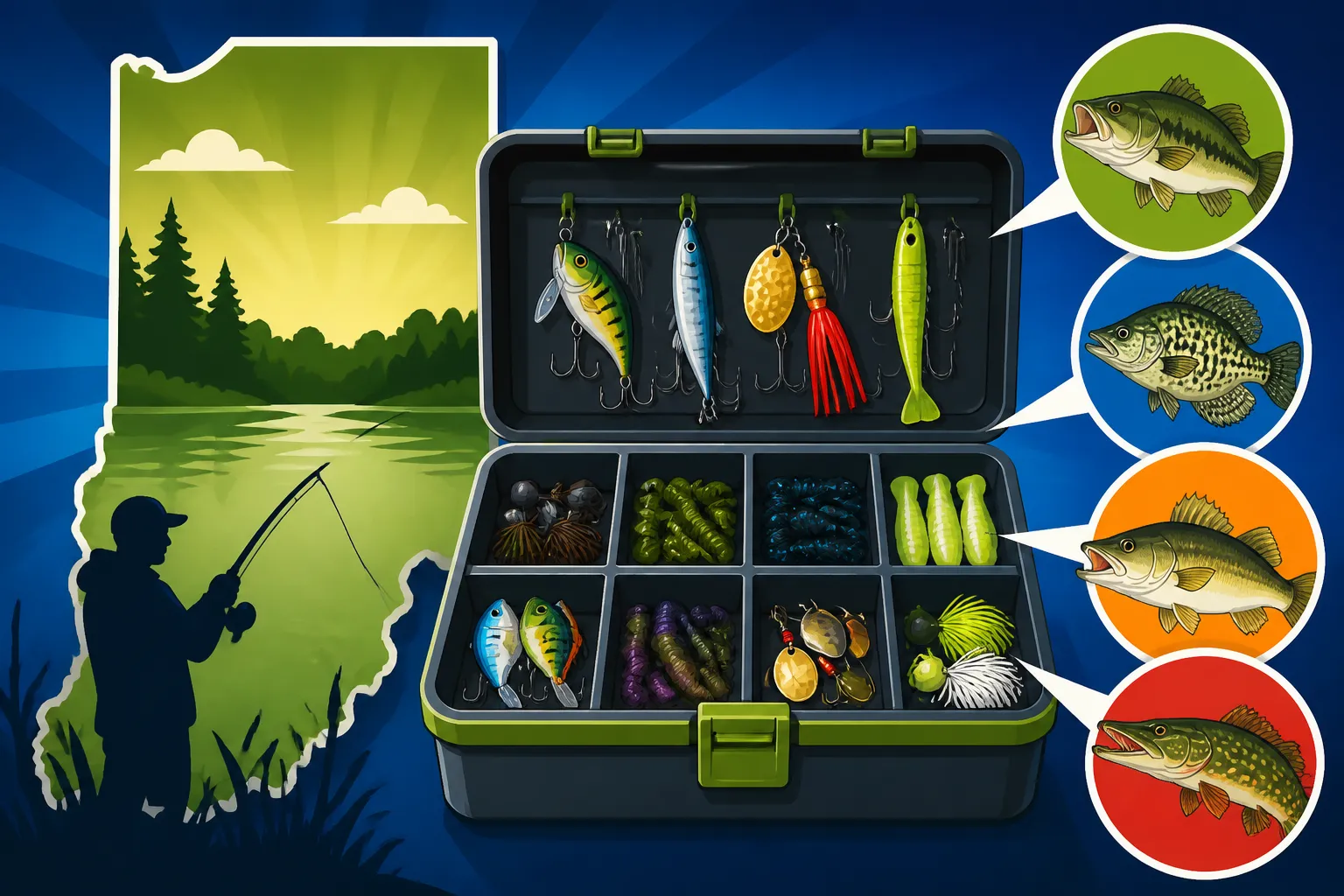
We've all been there: you finally get to your favorite fishing spot, full of anticipation, only to open your tackle box and be greeted by a chaotic mess of tangled lines, rusty hooks, and lures you haven't used since the last century. It's frustrating, wastes precious fishing time, and can even cost you that prize-winning catch because you can't find the right bait or tool in a hurry. This guide is here to help you revolutionize your fishing experience by showing you how to set up tackle boxes specifically tailored to the species you love to pursue in Indiana, ensuring you're always prepared and efficient on the water.
Why Species-Specific Tackle Boxes Make a Difference
For years, many of us just threw everything into one big box, hoping for the best. While it might seem convenient at first, this "one-size-fits-all" approach often leads to more headaches than hookups. Indiana offers such a diverse array of fishing opportunities, from chasing monster largemouth bass in our southern reservoirs to jigging for walleye in the northern glacial lakes, that a specialized approach to your tackle simply makes sense.
The Frustration of the "Everything" Box
Think about it: you're out on Monroe Lake: Indiana's Largest Lake for Bass Fishing, the bass are biting on chatterbaits, but your chatterbaits are buried under a pile of tiny crappie jigs and catfish hooks. By the time you dig them out, the bite might have died down, or worse, you've missed several crucial casts. This common scenario perfectly illustrates the pitfalls of a generic tackle box. Not only does it slow you down, but it also increases wear and tear on your gear, as hooks get tangled, plastics melt together, and sensitive lures get chipped or bent. The sheer volume of irrelevant gear just clutters things up, making it harder to spot what you actually need in the moment.
Moreover, a disorganized box can deter you from trying new techniques or lures for fear of adding more chaos. You might avoid buying that specialized swimbait for big bass or those tiny ice jigs for panfish because you just don't have a dedicated space for them. This limits your versatility as an angler and keeps you from fully exploring the rich fishing opportunities Indiana has to offer. It's time to stop fighting your tackle box and start making it work for you.
Efficiency and Preparedness on the Water
Imagine this: you decide to hit a local pond for bluegill one morning, then switch to a river for smallmouth in the afternoon. With species-specific tackle boxes, you simply grab your "Panfish Box" and "Smallmouth River Box," and you're good to go. No sifting through irrelevant gear, no wasted time packing and unpacking. Each box contains only what you need for that specific target species and fishing environment, making you incredibly efficient.
This preparedness extends beyond just lures. Knowing exactly where your spare hooks, weights, and leader material are for each type of fishing means fewer frustrations and more casts. It also helps you quickly adapt to changing conditions. If the bass aren't hitting topwater, you know exactly where your crankbaits are without a frantic search. This level of organization not only saves time but also boosts your confidence, allowing you to focus on the fishing itself rather than battling your gear.
General Principles for Every Species-Specific Box
While the contents will change depending on your target fish, some fundamental principles apply to setting up any effective tackle box. These are the foundational elements that ensure your specialized setups are not just organized but also truly useful and durable. Ignoring these basics can undermine the entire purpose of creating a species-specific kit.
Essential Tools and Safety Items
Regardless of what fish you're chasing, certain tools are non-negotiable and should be readily accessible in every fishing trip. These are your foundational items that ensure you can rig up, unhook a fish safely, and handle minor emergencies. For instance, a good pair of needle-nose pliers or specialized fishing pliers is paramount for removing hooks, especially when dealing with toothy critters or deeply hooked fish. A sharp line cutter or small scissors are also crucial for clean knots and quickly re-tying.
Beyond rigging tools, safety items are often overlooked until they're desperately needed. A small first-aid kit, even if it's just a few band-aids and antiseptic wipes, can turn a nasty hook prick into a minor inconvenience. Sunscreen and insect repellent are your best friends during long days on the water, protecting you from the elements. Don't forget a small ruler or measuring tape to ensure you're adhering to Indiana Fishing Regulations and Bag Limits Guide, and a fish scale if you're keen on documenting your catches. Keeping a small rag or towel handy is also a great idea for wiping hands, lures, or fish slime.
Organization and Storage Solutions
The beauty of a species-specific tackle box lies in its organization. Start with clear, sturdy tackle boxes that allow you to see the contents without opening every compartment. Many anglers prefer systems with removable dividers, like those found at Bass Pro Shops or even general storage solutions you can find on Amazon, allowing for custom configurations for different lure sizes and types. Flat utility boxes are excellent for individual lure categories, such as all your crankbaits, or all your soft plastic worms.
Labeling is your friend! Use a permanent marker to clearly label the outside of each box or tray with its intended contents (e.g., "Bass Jigs," "Crappie Minnows & Bobbers," "Walleye Spoons"). This dramatically speeds up retrieval, especially when conditions are tough or light is fading. Consider separate smaller containers or baggies for soft plastics to prevent them from melting or reacting with other plastics, and to keep their scents isolated. For hooks and weights, dedicated small, clear containers keep them from scattering and help you quickly identify sizes. A well-organized box means less time fumbling and more time fishing.
Setting Up Your Bass Tackle Box in Indiana
Bass fishing in Indiana is incredibly popular, and for good reason. Both largemouth and smallmouth offer exciting challenges, but they often require different approaches and, therefore, different tackle setups. Having a dedicated box for each (or at least distinctly separated sections within a larger box) will significantly improve your success rate.
Largemouth Bass Essentials
When you're targeting largemouth bass in Indiana's lakes and ponds, you're often dealing with cover: lily pads, submerged timber, weed lines, and docks. Your tackle box needs to be geared towards presenting lures effectively in these environments and having the power to pull those fish out. Essential items include a variety of soft plastics: Texas rigs worms, creature baits, and senkos are staples. Make sure to have a range of worm weights (1/8 oz to 3/4 oz) and wide-gap hooks (3/0 to 5/0) to match your plastics. Best Bait for Largemouth Bass in Indiana Lakes will give you more ideas on what to stock.
Crankbaits and spinnerbaits are also critical. Have a selection of shallow, medium, and deep-diving crankbaits to cover different water depths, in natural forage colors and some bright "reaction strike" colors. Spinnerbaits in various blade combinations (Colorado, willowleaf) and skirt colors are excellent for covering water and fishing through lighter cover. Don't forget jigs – pitching jigs with craw trailers are deadly around structure. A good pair of heavy-duty braid scissors is also a must-have for cutting through the thicker line you'll use for largemouth.
Smallmouth Bass River Kit
Smallmouth bass, especially those in Indiana's rivers like the Tippecanoe River Smallmouth Bass Fishing Spots or the Wabash River Smallmouth Bass Fishing Spots, demand a different set of tactics. They often prefer current, rocky bottoms, and clear water, meaning lighter lines and more finesse presentations can be key. Your smallmouth river kit should emphasize baits that mimic crayfish, minnows, and hellgrammites. Small crankbaits, often referred to as "river run" crankbaits, in natural patterns, are incredibly effective for probing rocky runs and eddies.
Jigs, especially tube jigs and hair jigs, are phenomenal for smallmouth. Carry a selection of 1/8 oz to 1/2 oz jigs in browns, greens, and black, along with a variety of plastic trailers that imitate crayfish. Soft plastic jerkbaits and swimbaits, rigged on lighter jig heads or offset worm hooks, are also essential for working slower pools and eddies. Unlike largemouth, you'll often use lighter fluorocarbon or monofilament lines for smallmouth, so make sure your leader material and line cutters are appropriate for those finer diameters. Don't forget topwater poppers and walking baits for exciting surface strikes during low light conditions or warmer water.
Crafting Your Walleye & Saugeye Tackle Box
Walleye and saugeye are highly sought-after game fish in Indiana, known for their elusive nature and delicious table fare. They inhabit a range of environments, from the deep glacial lakes in the north to the reservoirs and rivers throughout the state. Successfully targeting these species means understanding their habits and having the right tools to match.
Deep Water Trolling and Jigging Gear
When you're out on the deeper glacial lakes in northern Indiana, or larger reservoirs, trolling is often the most effective way to locate walleye and saugeye. Your tackle box for this scenario should be packed with trolling-specific gear. This includes a variety of crankbaits designed to dive to different depths, often with long, narrow bodies in natural colors like silver, blue, or perch patterns. You'll want an assortment of sizes to match the forage. Investing in a selection of trolling spoons, especially for targeting suspended fish, is also a smart move.
Jigging is another classic walleye technique, particularly effective on structure or when fish are holding tight to the bottom. Stock your box with an array of lead head jigs, from 1/8 oz to 3/4 oz, in colors like chartreuse, orange, and white. Pair these with soft plastic grubs, paddle tails, or live bait like shiners or nightcrawlers. Having quick-strike rigs for live bait presentations, and a variety of weights (bottom bouncers, split shot, bullet weights) for different current conditions or depths is also crucial. Don't forget extra leader material, as walleye can be quite particular about line visibility. For tips on where these species are found, check out Walleye Fishing Tips for Indiana's Large Rivers or Reservoirs Known for Trophy Saugeye.
River Walleye and Saugeye Specifics
Fishing for walleye and saugeye in rivers, like parts of the St. Joseph River or the Wabash, presents unique challenges compared to lake fishing. Current plays a much larger role, and fish often relate to specific current breaks, seams, and deeper holes. Your river tackle box needs to reflect these conditions. Think heavy jigs – often 1/2 oz to 1 oz or more – to get down in fast current, paired with robust plastic trailers or live minnows. Blade baits, which vibrate intensely when retrieved or jigged, are also highly effective in current.
Additionally, a selection of bottom-bouncing rigs with live bait (nightcrawlers, leeches, or minnows) is essential for river walleye. These rigs allow your bait to drift naturally along the bottom without snagging excessively. Carry a variety of sinker styles and weights, including bell sinkers and pencil weights, to match the strength of the current. Crankbaits that run true in current, often with shallower diving lips and tighter wobbles, are also key. Always include extra leader material and swivels, as river fishing can be tough on gear, and the fish can be line-shy.
Assembling Your Panfish Tackle Box (Crappie, Bluegill, and Sunfish)
Panfish are the bread and butter of Indiana fishing, offering fantastic action for anglers of all ages and skill levels. Whether you're targeting slab crappie, feisty bluegill, or colorful redear sunfish, a dedicated panfish box will make your outing much more enjoyable and productive. These species may be smaller, but they require precision and delicate presentations.
Ultralight Gear for Delicate Bites
Panfish, by their nature, have smaller mouths and often deliver very subtle bites. This means your tackle box needs to reflect an ultralight approach. Stock a wide array of tiny jigs, from 1/64 oz to 1/8 oz, in various colors like chartreuse, pink, white, and black. These micro jigs are often tipped with equally small soft plastic bodies, such as tiny tubes, curly tails, or grubs, which mimic small insects and minnows. Having a selection of different plastic shapes and colors allows you to experiment until you find what the fish are keying in on that day.
Small, thin wire hooks (size 8 to 14) are also crucial, especially if you're using live bait or very small plastics. These hooks penetrate easily and are less likely to tear through the delicate mouths of panfish. A variety of small bobbers – pencil bobbers, slip bobbers, and traditional round bobbers – will allow you to present your bait at different depths and detect those subtle takes. Remember that panfish often relate to structure like brush piles, docks, or weed edges, so having extra jigs and hooks is a good idea in case of snags. For great beginner tips, look at Bluegill Fishing Techniques for Beginners.
Live Bait and Small Lure Strategies
While artificials are effective, live bait is often irresistible to panfish. Your panfish tackle box should have compartments or small containers for holding a variety of live bait hooks. Crickets, wax worms, red worms, and small minnows are all panfish favorites. Keep them separated and easily accessible. Along with live bait, include small split shot weights (from BB size up to 1/8 oz) to get your bait down to the desired depth and maintain a natural drift.
Beyond live bait and tiny jigs, don't overlook small spinners and spoons. Inline spinners, with blades no larger than a thumbnail, can be very effective for aggressive panfish, especially bluegill and crappie in open water. Small casting spoons, retrieved with a darting action, can also entice bites. For a truly versatile panfish box, consider a small container dedicated to terminal tackle: extra swivels, small snaps, and leaders made of light fluorocarbon. This ensures you can quickly re-tie and adapt to changing conditions. You can also explore Best Bait for Bluegill Fishing in Farm Ponds for more specific bait ideas.
Specialized Tackle for Lake Michigan Salmon & Trout
For Indiana anglers, Lake Michigan represents a unique and thrilling fishery, offering the chance to battle powerful salmon and trout species that simply aren't found anywhere else in the state. The sheer size and depth of Lake Michigan, combined with the often-challenging weather conditions, demand a highly specialized tackle box setup.
Offshore Trolling Rigs
If you're heading out onto Lake Michigan for Chinook, Coho, Steelhead, or Lake Trout, trolling is the primary method, and your tackle box needs to reflect this. You'll need an extensive selection of spoons in various sizes, colors, and patterns. Think bright colors like orange, chartreuse, and hot pink for Coho, and more natural or metallic finishes for Chinook and Lake Trout. Carry a mix of different spoon brands and designs, as fish can be particular on any given day. Along with spoons, an assortment of dodgers and flashers are critical. These are attractor devices that create vibration and flash to draw fish to your trailing lure.
Your tackle box should also contain a variety of leader materials, typically heavy fluorocarbon (20-30lb test) for invisibility and abrasion resistance, as well as swivels, snap swivels, and perhaps some bead chains for rigging. Dedicated areas for cut bait rigs (often used behind flashers) and squid flies are also essential for some species like Chinook. Because you'll be running multiple lines, organization is paramount. Consider a box with deep compartments or soft-sided bags designed for trolling gear, to keep your large spoons and flashers from tangling. Check out Lake Michigan Trolling Gear Guide for Indiana Anglers for an in-depth look.
Pier and Shore Casting Setups
Not everyone has a boat for Lake Michigan, and pier and shore fishing can be incredibly productive, especially during the Fall Salmon Run Timing on Lake Michigan in Indiana. Your tackle box for this scenario will be much more streamlined but still highly specialized. The primary lures will be casting spoons – heavier, compact designs that can be thrown a long distance. Silver, blue, green, and orange are common effective colors. A variety of sizes will allow you to adjust to wind conditions and fish depth.
Beyond spoons, a selection of crankbaits that mimic baitfish and are designed for long casts are important. Soft plastics, particularly those that can be fished on jig heads or drop-shot rigs, can also be effective when fish are close to structure. Terminal tackle should include extra strong swivels and snaps to handle powerful fish, and a variety of weights (egg sinkers, pyramid sinkers) for bottom fishing presentations, especially if targeting steelhead or brown trout near the bottom. Always pack extra line, as rocks and snags are common when fishing from shore. Don't forget a large, sturdy landing net with a long handle; you'll need it for those big fish you hook from a pier or bank.
| Species Targeted | Key Lure Types & Sizes | Essential Terminal Tackle | Special Considerations |
|---|---|---|---|
| Largemouth Bass | Jigs (1/4-1 oz), Crankbaits (shallow to deep), Soft Plastics (worms, creatures, senkos) | Wide-gap hooks (3/0-5/0), Bullet weights (1/8-1 oz), Heavy braid leader | Heavy cover, weedlines, timber |
| Smallmouth Bass | River cranks (shallow), Tube jigs (1/8-1/2 oz), Hair jigs, Soft plastic jerkbaits | Light wire hooks (1/0-2/0), Small jig heads, Fluorocarbon leader | Current, rocky bottoms, clear water |
| Walleye/Saugeye (Lakes) | Trolling crankbaits (various depths), Jigging spoons, Soft plastic grubs | Lead head jigs (1/8-3/4 oz), Bottom bouncers, Live bait rigs | Deep water, structure, trolling lanes |
| Walleye/Saugeye (Rivers) | Heavy jigs (1/2-1 oz+), Blade baits, River cranks, Bottom-bouncers | Heavy jig heads, Pencil weights, Strong swivels | Strong current, river seams, deep holes |
| Crappie | Tiny jigs (1/64-1/8 oz), Small tube baits, Minnow imitations | Small hooks (#8-12), Small bobbers (pencil, slip), Split shot | Brush piles, docks, suspended fish |
| Bluegill/Sunfish | Micro jigs, Small inline spinners, Live bait (worms, crickets) | Tiny hooks (#10-14), Small bobbers, Ultralight split shot | Weed edges, shallow cover, panfish beds |
| Salmon/Trout (Lake Michigan) | Casting/Trolling spoons, Dodgers, Flashers, J-Plugs, Flies | Heavy fluorocarbon leader, Strong swivels, Heavy sinkers | Deep water, offshore trolling, strong currents, big fish |
Disclaimer
This article is for general informational purposes only and does not constitute professional advice. Laws, prices and regulations vary by location and change over time. Consult a qualified professional for guidance on your specific situation.