Best Boats for Fishing Lake Michigan in Indiana
Navigating the vast, often unpredictable waters of Lake Michigan for a day of fishing is a far cry from leisurely casting on a calm inland lake. The challenges of open water, rapidly changing weather, and the sheer size of the lake demand a specific kind of vessel – one that prioritizes safety, capability, and the ability to handle whatever the Big Lake throws your way. This comprehensive guide will help you understand the best boat types, essential features, and critical gear considerations for anglers looking to successfully and safely fish Lake Michigan from the Indiana coastline.
Why Lake Michigan is Different and Why Your Boat Needs to Be Too
Fishing Lake Michigan isn't just about bigger fish; it's about a fundamentally different environment than Indiana's smaller lakes and reservoirs. Many anglers underestimate the unique demands of this Great Lake, often leading to uncomfortable, unproductive, or even unsafe experiences. Your choice of boat is the absolute foundation of your success and safety here.
Understanding the Unique Challenges of the Big Lake
First off, Lake Michigan is massive. It's one of the largest freshwater lakes in the world, with depths that plummet hundreds of feet and stretches of open water that feel more like an ocean. This means that a slight breeze on shore can translate into significant waves and chop miles out. Inland lakes might have a few hundred acres; Lake Michigan has over 22,000 square miles. This scale impacts everything from navigation to safety protocols. A small aluminum fishing boat, perfectly adequate for a local pond, would be a dangerous liability far from shore on Lake Michigan. You need a boat designed to punch through waves, handle strong currents, and provide a stable platform for hours of fishing.
The fish themselves, particularly the salmon and trout species, often reside in deeper, colder waters, sometimes many miles offshore. This requires covering vast distances, burning a good amount of fuel, and the ability to maintain a comfortable ride through varying conditions. Without the right vessel, reaching these prime fishing grounds can be a grueling journey, making it hard to focus on the actual angling. Does Lake Michigan Follow the Same Rules as the Rest of Indiana? not just for fish, but also for boating safety.
Seasonal Conditions and Weather Volatility
Weather on Lake Michigan can be notoriously fickle, changing from calm to chaotic in a matter of hours. A sunny morning can quickly give way to strong winds, sudden squalls, or thick fog. These rapid shifts demand a boat with robust construction and a deep-V hull design that can absorb pounding waves, providing a drier and safer ride back to port. It’s not uncommon for forecasts to be off by a few hours, or for local conditions to differ significantly from a general regional forecast.
Beyond sudden storms, seasonal variations also play a huge role. Spring and fall often bring colder water and more intense winds, making a boat with good protection from the elements, like a walkaround cabin, particularly appealing. Even summer days can see afternoon pop-up storms or strong thermals generating significant chop. Having a boat that can reliably get you off the water when conditions deteriorate is paramount.
Types of Boats Best Suited for Lake Michigan Fishing
When it comes to selecting a boat for Lake Michigan, certain designs consistently rise to the top due to their stability, seaworthiness, and angler-friendly features. These aren't just recreational craft; they are purpose-built for the rigors of big water.
Deep-V Hull Offshore Boats: The Workhorses
When most serious Lake Michigan anglers think of a dedicated fishing machine, they often picture a deep-V hull offshore boat. These vessels are characterized by their sharp, deep-V entry at the bow, which gradually flattens out towards the stern. This design is engineered to slice through choppy waves rather than bounce over them, providing a much smoother and more comfortable ride in rough conditions. The deeper V also provides greater stability when drifting or trolling, which is crucial when battling a large Chinook salmon.
These boats typically range from 20 to 30 feet or more, offering ample deck space for multiple anglers, copious storage for rods and gear, and often large fuel tanks for extended runs offshore. They are the backbone of the Lake Michigan charter fleet for a reason: they are built tough, handle heavy seas well, and are designed for long days on the water. Brands like Starcraft and Lund offer models in this category that are popular among Great Lakes anglers.
Walkaround Cuddy Cabins: Comfort and Capability
For anglers who value both serious fishing capability and a measure of creature comforts, walkaround cuddy cabins are an excellent choice. These boats blend the deep-V hull characteristics of an offshore boat with a small forward cabin. This cabin provides welcome shelter from the elements – be it a sudden rain shower, a chilly morning, or even just a place to warm up and store gear out of the spray. It can also serve as a private space for a quick break, a small head, or even overnight sleeping on longer trips.
The "walkaround" design means you can easily move from the cockpit around the cabin to the bow, allowing for 360-degree fish fighting or anchoring. This combination of shelter and open deck space makes them incredibly versatile for Lake Michigan. They offer the stability and power needed for rough water, while also making long days more palatable, especially for families or those who appreciate a bit of respite from the wind and spray.
Center Consoles: Versatility for Serious Anglers
Center console boats are another popular and highly effective choice for Lake Michigan, especially for those who prioritize maximum fishing space and agility. As the name suggests, the helm station is centrally located, leaving wide, uncluttered walkways on both sides and a large bow area. This layout provides unparalleled access for multiple anglers to cast, fight fish, and move freely around the boat without obstruction.
While some center consoles have less inherent protection from the elements than a walkaround, many can be outfitted with T-tops, hardtops, and full canvas enclosures to offer significant shelter. Their open design is fantastic for various fishing techniques, from trolling for salmon to casting for smallmouth bass near shore. They are typically fast, responsive, and, with the right hull design, very capable in choppy conditions. For a dedicated angler who wants maximum deck space and versatility, a center console can be a phenomenal platform.
Aluminum Multi-Species Boats: A More Accessible Option
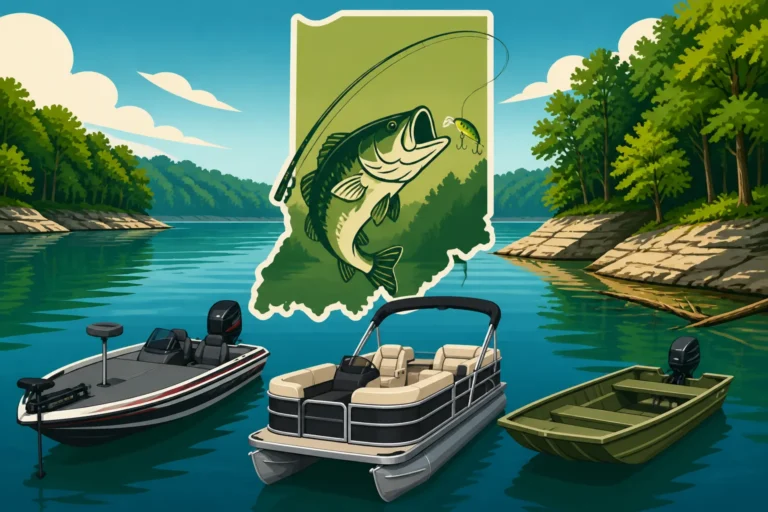
While fiberglass deep-V and center console boats dominate the offshore scene, modern aluminum multi-species boats have made significant strides and can be a viable option for many Lake Michigan anglers, especially those focusing on nearshore fishing or on days with calmer conditions. Brands like Lund and Alumacraft produce robust aluminum boats with deep-V hulls, high freeboard (the height of the boat's side above the water), and wide beams that offer surprising stability and seaworthiness.
These boats are often lighter, easier to trailer, and typically more fuel-efficient than their fiberglass counterparts. They also tend to be more affordable, making them a great entry point for anglers looking to experience Lake Michigan without the significant investment required for a larger offshore fiberglass boat. However, it's crucial to select a model specifically designed for big water – not a flat-bottomed jon boat – and always exercise extreme caution regarding weather and wave conditions. While capable, they might not offer the same level of comfort or safety in truly rough offshore conditions as a larger fiberglass vessel.
Here's a quick comparison of popular Lake Michigan boat types:
| Boat Type | Key Advantages | Typical Size Range (Feet) | Best For | Considerations |
|---|---|---|---|---|
| Deep-V Hull Offshore | Excellent rough water handling, very stable | 20-30+ | Serious offshore trolling, large groups | Higher cost, heavier to trailer, greater fuel consumption |
| Walkaround Cuddy Cabin | Rough water capability, cabin shelter, storage | 20-28 | All-weather fishing, comfort, overnight trips | Smaller cockpit than center console, still heavy/pricey |
| Center Console | Max fishing space, 360-degree access, agile | 18-28 | Versatile fishing styles, fast runs, multiple anglers | Less built-in weather protection (unless enclosed) |
| Aluminum Multi-Species | More affordable, lighter, fuel-efficient | 18-24 | Nearshore fishing, calmer days, easier trailering | Less comfortable in heavy chop, smaller fuel capacity |
Key Features to Look For in a Lake Michigan Fishing Boat
Beyond the general boat type, specific features are non-negotiable for a safe and effective Lake Michigan fishing experience. Skimping on these can turn a dream trip into a nightmare.
Hull Design for Rough Waters
The hull is the most critical component. For Lake Michigan, you absolutely need a deep-V hull. Look for a hull with a deadrise (the angle of the V at the transom) of 18 degrees or more. A higher deadrise allows the boat to cut through waves more efficiently, reducing pounding and making the ride significantly smoother and drier. A flared bow is also a huge plus, helping to deflect spray away from the deck, keeping you and your gear drier, which is especially appreciated on a cool, windy day.
The boat's construction should be robust, whether it's fiberglass or heavy-gauge aluminum. Transom strength is vital, as it supports the powerful outboards necessary for Lake Michigan. Many reputable manufacturers build boats specifically for Great Lakes conditions, often featuring thicker hulls, stronger stringers, and self-bailing cockpits that quickly drain any water taken over the bow or side.
Power and Propulsion Considerations
Lake Michigan is a vast body of water, and you'll often need to cover significant distances to reach productive fishing grounds or to quickly outrun developing weather. This means sufficient horsepower is non-negotiable. Most serious Lake Michigan fishing boats will be powered by reliable outboard motors, typically dual outboards on larger vessels for redundancy and power. Look for engines that offer a good balance of power, fuel efficiency, and reliability. Four-stroke outboards from brands like Mercury, Yamaha, Honda, and Suzuki are popular for their quiet operation and fuel economy.
Consider your cruising speed and fuel capacity. A boat that can comfortably cruise at 25-30 mph will save valuable fishing time. Additionally, ensure the fuel tank is large enough for a full day of running, trolling, and unexpected detours. Calculating your typical range with a safety margin is crucial; you don't want to be caught miles offshore with a dwindling fuel gauge. How Big of a Boat Do You Need for Lake Michigan Salmon Fishing is often tied directly to how far out you plan to fish and how much fuel you'll need.
Storage, Livewells, and Fishability
A true Lake Michigan fishing boat needs to be designed with the angler in mind. Abundant storage is essential for all the rods, tackle boxes, safety gear, and personal items you'll bring. Look for dedicated rod holders (both horizontal and vertical), tackle storage compartments, and insulated fish boxes large enough to hold multiple large salmon or trout.
While not always paramount for salmon and trout, a good livewell system can be useful for bait or for keeping other species alive. What's more important is a spacious, uncluttered cockpit area. You need room to move, to set up multiple downriggers and planer boards, and to fight powerful fish without tripping over gear. Non-skid decking is also a must for safety in wet conditions.
Outfitting Your Lake Michigan Fishing Boat: Essential Gear
Having the right boat is only half the battle; proper outfitting with specialized gear is what truly prepares you for Lake Michigan success. These aren't luxuries; they're necessities.
Electronics: Navigation and Fishfinding
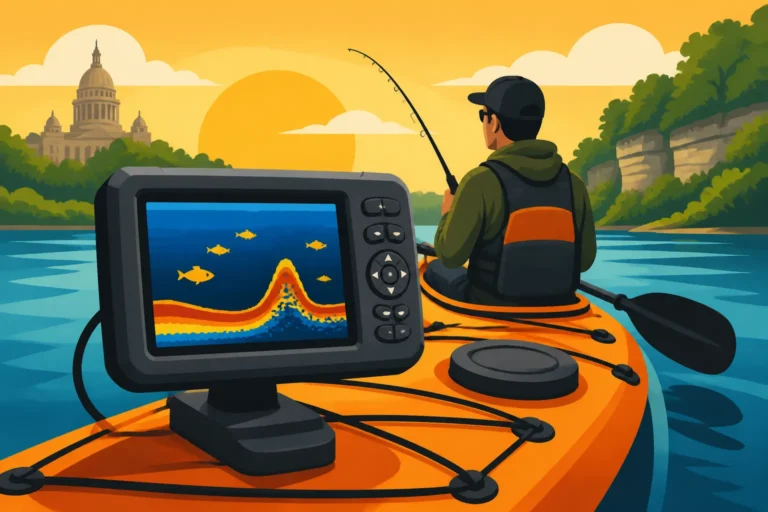
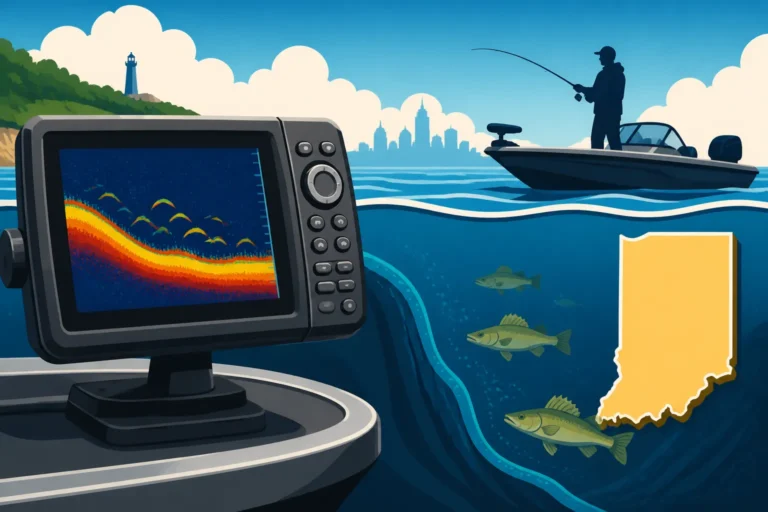
On a body of water the size of Lake Michigan, reliable electronics are not optional. A high-quality GPS chartplotter is essential for navigation, marking waypoints, and ensuring you can return safely to port, especially in fog or low light. Look for models with detailed Lake Michigan charts. Integrated with this should be a powerful fish finder (sonar) with both 2D sonar and often CHIRP or side/down imaging capabilities. This allows you to locate baitfish schools, identify thermoclines where fish congregate, and spot individual fish targets in deep water. Brands like Garmin, Lowrance, and Humminbird offer excellent options. Best Fish Finders for Deep Water on Lake Michigan can make or break your day.
Many anglers also opt for radar, especially if they plan to fish in low visibility conditions or at night. Autopilot systems can be invaluable for maintaining a precise course while trolling, freeing up the captain to focus on fishing. And don't forget a reliable VHF marine radio. Cell phone service can be spotty offshore, and a VHF radio is your primary line of communication for emergencies and weather updates from the Coast Guard. Best Marine Radios for Lake Michigan Boaters are critical for your safety.
Safety Gear Beyond the Basics
While all boaters in Indiana must adhere to basic safety requirements, Lake Michigan demands an elevated approach. Beyond the standard life jackets for everyone on board, fire extinguisher, and sound-producing device, consider:
- EPIRB or PLB: An Emergency Position Indicating Radio Beacon or Personal Locator Beacon can be a literal lifesaver, transmitting your location to rescue authorities in an emergency.
- Survival Suit/Exposure Gear: Especially for colder months or early/late season fishing, these can provide critical protection against hypothermia if you end up in the frigid water.
- Throwable Flotation: In addition to a life ring or cushion, extra throwable devices can be helpful for multiple people.
- Medical Kit: A comprehensive first aid kit is essential, going beyond basic band-aids to include items for more serious injuries.
- Anchor System: A robust anchor suitable for Lake Michigan's varied bottom and strong currents is crucial, with plenty of chain and rode.
- Powerful Spotlight: For navigating in the dark or fog, a strong, handheld spotlight is a must.
- Secondary Navigation: A handheld GPS or even paper charts and a compass can serve as a backup if your primary electronics fail.
Remember, the U.S. Coast Guard regularly patrols Lake Michigan, and they are serious about safety checks. Having all your gear in order is not just smart; it's legally required. Indiana Boater Safety Gear Checklist provides a good foundation, but Lake Michigan often warrants going above and beyond.
Specialized Trolling Equipment
Lake Michigan salmon and trout fishing is synonymous with trolling, and this requires specialized gear. You'll need:
- Downriggers: These devices use heavy weights to get your lures down to precise depths where the fish are holding. Most Lake Michigan boats will run 2-4 downriggers.
- Planer Boards: These tow lures out to the sides of the boat, spreading out your spread and allowing you to cover a wider area without tangling lines. Both inline and mast systems are popular.
- Rod Holders: Numerous heavy-duty rod holders, both adjustable and fixed, are necessary to manage the many lines typically run while trolling.
- Specialized Rods and Reels: Longer, stout trolling rods with line counter reels are standard for this fishery, allowing precise depth and distance control.
- Net: A large, long-handled landing net is indispensable for scooping up big salmon and trout.
Think of your boat as a mobile fishing platform. Every piece of gear, from the downriggers to the fish finder, works in concert to increase your chances of success and ensure your safety. Lake Michigan Trolling Gear Guide for Indiana Anglers is something you'll want to dive into as you outfit your boat. Many of these specialized items can be found at sporting goods retailers like Bass Pro Shops or through online vendors like Amazon.
Considering Budget and Maintenance for Your Lake Michigan Vessel
Owning a boat for Lake Michigan is a significant investment, not just in the initial purchase but also in ongoing costs. Being realistic about your budget for both acquisition and upkeep is vital for long-term enjoyment.
New vs. Used Boats: Weighing Your Options
The decision between a new and used boat for Lake Michigan depends heavily on your budget, mechanical aptitude, and desired features.
- New Boats: Offer the latest technology, warranties, and customization options. You get peace of mind knowing everything is fresh and covered. However, they come with a higher price tag and immediate depreciation. Expect to pay a premium for a new, well-outfitted offshore boat.
- Used Boats: Can offer significant savings and often come pre-rigged with much of the expensive electronics and trolling gear already installed. A well-maintained used boat from a reputable brand can be an excellent value. However, they require careful inspection (ideally by a qualified marine surveyor) to uncover potential issues, and may not have warranties. Finding a used boat that was already set up for Lake Michigan is a huge bonus, as adding all the specialized gear post-purchase can be very costly.
When looking at used options, pay close attention to the engine hours, maintenance records, and the condition of the trailer, as Lake Michigan boats often see a lot of road travel to different launch points.
Ongoing Costs: Fuel, Maintenance, and Storage
The initial purchase price is just the beginning. Lake Michigan boat ownership comes with a suite of recurring expenses:
- Fuel: Large outboards and long runs across Lake Michigan mean you'll burn a considerable amount of fuel. Always factor this into your trip planning.
- Maintenance: Regular engine service, winterization, detailing, and occasional repairs are unavoidable. Marine mechanics can be costly, so factor in an annual budget for preventative maintenance. Checking components like bilge pumps, nav lights, and electrical connections regularly is part of responsible ownership.
- Storage: Unless you have ample space at home, you'll need to consider storage costs, whether it's dry storage, a slip at a marina, or winter storage. Marinas on the Indiana shoreline of Lake Michigan can vary in price depending on the size of your vessel and the amenities offered.
- Insurance: Comprehensive marine insurance is highly recommended, covering everything from liability to hull damage.
- Registration and Licensing: Don't forget the annual Indiana Motorboat Registration Requirements and any associated fees.
By understanding and planning for these ongoing costs, you can ensure your Lake Michigan fishing adventures remain enjoyable and sustainable for years to come. Ultimately, the best boat for you is one that not only meets the demands of the lake but also fits comfortably within your overall budget and lifestyle.
Disclaimer
This article is for general informational purposes only and does not constitute professional advice. Laws, prices and regulations vary by location and change over time. Consult a qualified professional for guidance on your specific situation.