What’s the Best Lure Color for Muskie Fishing?
One of the most head-scratching questions in muskie fishing, especially here in Indiana, is figuring out what color lure to tie on. It feels like there are endless options, and sometimes it seems like the muskies are just being finicky, ignoring everything you throw at them. You might have a favorite "lucky" color, but then it completely bombs on your next trip. This guide is all about cutting through that confusion, helping you understand how muskie perceive color and light, and giving you actionable advice to pick the best lure color for your next Hoosier muskie hunt.
Understanding Muskie Vision and Behavior
Before we even talk about specific colors, it's crucial to understand a bit about how a muskie sees the world around it, especially underwater. They're not just looking for a pretty lure; they're reacting to what's visible, what creates a desirable silhouette, and what triggers that predatory instinct.
How Muskie See Color Underwater
Muskie are primarily sight feeders, but their vision isn't exactly like ours. Think about it: water itself acts as a filter, and the deeper you go, the more certain colors disappear. Red is often the first to go, followed by orange, yellow, and green. Blue and violet penetrate the deepest. This means that a vibrant red lure on the surface might look dull gray or black at 10 or 15 feet down.
Muskie eyes are also very good at detecting movement and contrast, especially in low light conditions. They are ambush predators, often lurking in weed lines, submerged timber, or along drop-offs, waiting for an unsuspecting meal to swim by. In these scenarios, the silhouette a lure creates against the lighter surface or background might be far more important than its exact hue. A dark lure creates a strong, defined shape, making it easier for a muskie to track, even if the color itself is indistinguishable. This is a fundamental concept to grasp when you're out chasing these toothy critters in Indiana's diverse waters, whether you're on a deep reservoir or a shallower glacial lake.
The Impact of Water Clarity and Light Conditions
The environment drastically changes how colors are perceived. It’s not just about depth; it’s about what’s in the water, too.
- Clear Water: In very clear lakes, like some of Indiana's northern glacial lakes, light penetrates deeply and colors remain truer for longer. Here, muskies can be more discerning. Natural baitfish patterns, subtle shimmers, and realistic details can be highly effective because the muskie can see them clearly. Think about the clear waters of Lake Wawasee, for instance, where baitfish patterns can really shine. You'll often find anglers throwing more subtle patterns here. Lake Wawasee: Indiana's Largest Natural Lake
- Stained or Murky Water: When the water has a brownish tint from tannins (like many natural lakes and rivers) or is muddy from recent rains, light penetration is severely limited. In these conditions, many colors quickly become indistinguishable. What really matters is creating contrast and a strong profile. Bright, fluorescent colors that stand out, or very dark colors that create a distinct silhouette, become crucial.
- Sunny vs. Overcast Days: On bright, sunny days, there's more light to reflect off your lure, making chrome, silver, and other reflective finishes pop. On overcast days, or during dawn and dusk, less light means you might need colors that create a better contrast or have more inherent visibility, like fluorescents or very dark shades. The sun's angle can also play a huge role, especially during those golden hours when muskies are often most active.
Matching Lure Colors to Water Conditions in Indiana
Now that we understand the science a bit, let's get into the practical application for muskie fishing here in Indiana. No single color is a magic bullet, but certain patterns tend to perform better under specific conditions.
Clear Water and Sunny Days: The Natural and Reflective Palettes
When you're fishing Indiana's clearer waters on a bright, sunny day, you'll want to lean into realism and flash. The muskie can see details, so give them something convincing.
- Natural Baitfish Patterns: Think about what muskies eat in those particular waters. In many Indiana lakes, perch, suckers, ciscoes, or even other panfish are common forage. Lures that mimic these species – with realistic greens, yellows, browns, and blacks – can be incredibly effective. Consider a crankbait or jerkbait painted to look exactly like a yellow perch or a local sucker. Many anglers find success with natural patterns in places like the deeper, clearer parts of Webster Lake or Tippecanoe Lake, especially when the sun is high and fish are actively feeding. You can find a huge variety of these realistic patterns on Amazon, often with detailed photos to help you pick the perfect match.
- Chrome, Silver, and White: These highly reflective colors are fantastic on sunny days because they mimic the flash of a fleeing baitfish. The sun's rays bounce off these finishes, sending out bright signals that can attract muskies from a distance. A silver bucktail with a white or clear skirt, or a chrome crankbait, can be dynamite in clear, sunny conditions. The flash creates an irresistible illusion of a struggling fish.
- Pearl or White with Subtle Accents: A pure white or pearl lure provides a clean, bright profile that's still visible but less aggressive than chrome. Adding a touch of blue, green, or black to the back or belly can create a more natural contrast, mimicking a whitefish or other light-colored bait.
Stained Water and Overcast Skies: High Contrast and Brights
When the water turns murky or the sky goes gray, it's time to switch tactics. You need colors that scream "look at me!" or create a distinct shadow.
- Black and Dark Colors: In heavily stained or muddy water, or during very low light conditions (dawn, dusk, or even night fishing), black or very dark lures are often king. Why? Because they create the most defined silhouette against the lighter sky or water surface. A muskie looking up from below will see a clear, dark shape, making it easy to zero in. A black bucktail, black soft plastic, or a dark purple crankbait can be incredibly effective in these situations. Some of the river systems in Indiana, like sections of the Wabash River after a rain, can be prime territory for these dark offerings.
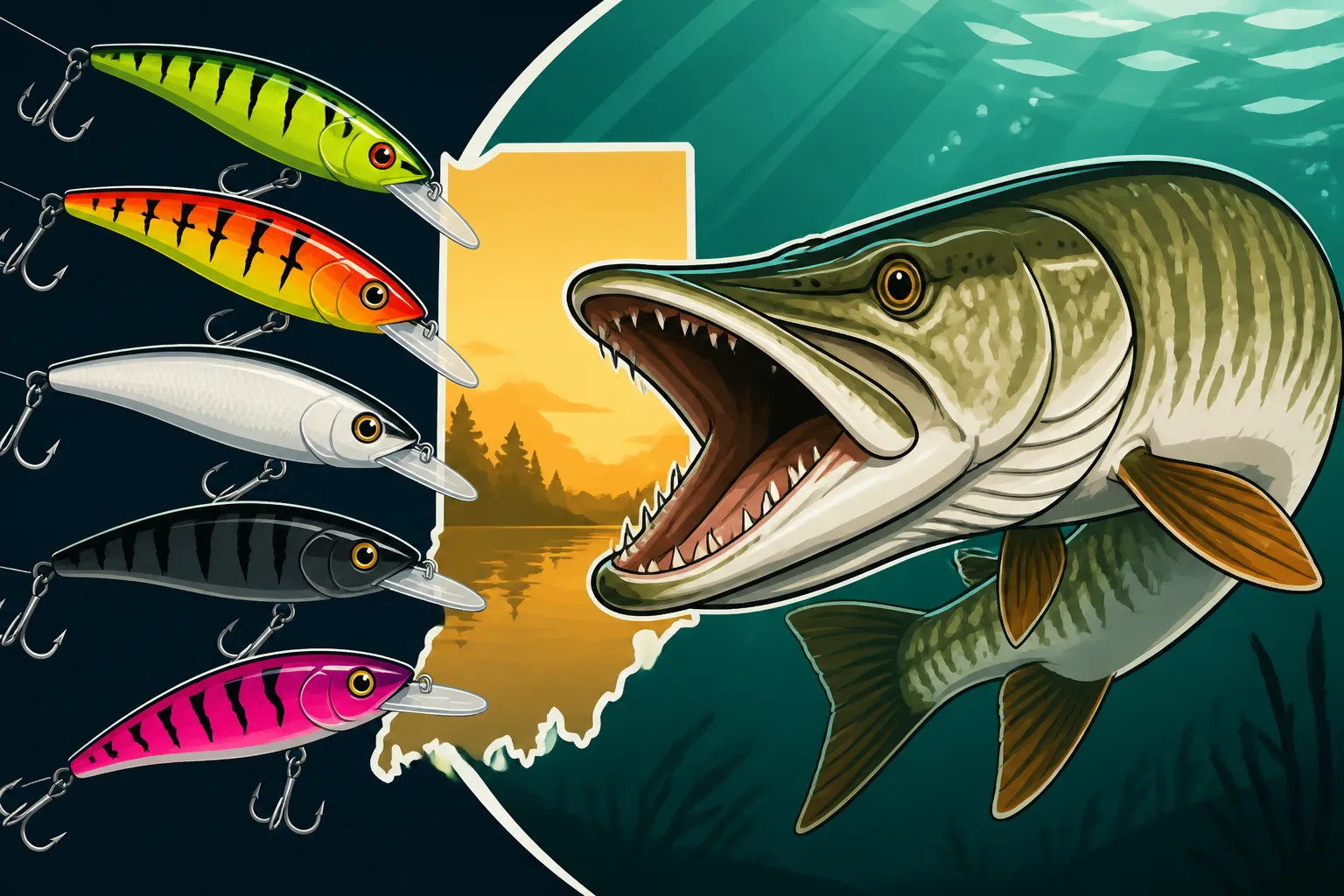
- Firetiger, Chartreuse, and Hot Orange: These vibrant, fluorescent colors are excellent for cutting through stained water. They have pigments that stand out and retain their visibility even when light penetration is poor. Firetiger, with its combination of bright green, yellow, orange, and black stripes, is a classic muskie color that works almost everywhere, but truly shines in lower visibility. Chartreuse and hot orange provide an aggressive target that muskies can see and track from a distance. When you're fishing a tannic lake or a river with a bit of a flow, these colors can make all the difference. Many anglers swear by a firetiger patterned crankbait for early season muskie on less clear lakes.
- Gold Blades: While chrome and silver blades are great for sunny, clear water, gold blades often perform better in stained water or on overcast days. Gold has a warmer, deeper reflection that can be more visible in lower light and can really shimmer through murky conditions. Pair a gold blade with a chartreuse or orange skirt for maximum effect.
Experimentation is Key: Don't Be Afraid to Change
Muskie fishing is rarely about finding the answer; it's about continuously seeking the answer for that day, that hour, that specific spot. What worked yesterday might not work today, and what works on one Indiana lake might not work on another.
The "Confidence Color" Myth vs. Reality
Every angler has a "confidence color" or pattern – that one lure they tie on first, the one that’s caught them fish before. And there’s definitely value in confidence! If you believe a lure will work, you’ll fish it better, with more focus and determination. However, relying solely on your confidence color can sometimes mean missing out on what the fish are really looking for.
Fish behavior is dynamic. Water temperature changes, light levels shift, baitfish move, and the mood of the muskie can change minute by minute. What was a productive color in the spring post-spawn might be ignored come late summer. It's vital to stay adaptable. If your confidence color isn't producing after a solid hour of fishing, don't be afraid to switch. Best Time of Year for Muskie Fishing in Indiana
Building a Versatile Muskie Lure Collection
To truly be prepared for Indiana's varied muskie waters and conditions, you need a diverse arsenal of lure colors. Think of it like a toolbox: you wouldn't just bring a hammer to a construction site.
A good starting point for a muskie angler's tackle box should include:
- Dark Lures: Black, dark purple, dark green.
- Light/Natural Lures: White, pearl, silver, chrome, natural baitfish patterns (perch, sucker).
- Bright/High Contrast Lures: Chartreuse, hot orange, firetiger, pink, highly contrasting patterns.
This allows you to react to changing conditions quickly. Don't forget about blade colors on bucktails and spinnerbaits either – having both silver/nickel and gold/brass blades is crucial. When shopping for new lures, whether it’s at your local bait shop or browsing on Amazon, aim to fill any gaps in your color palette. Having choices means you’re never truly stuck.
Specific Lure Types and Their Color Considerations
Different types of muskie lures present colors in unique ways, and some colors lend themselves better to certain actions or presentations.
Bucktails and Spinnerbaits
Bucktails are probably the most iconic muskie lure, and color plays a significant role in their effectiveness.
- Blade Color: The flash from the blades is a huge attractant.
- Silver/Nickel: Excellent for clear water and sunny days, providing a bright, realistic flash.
- Gold/Brass: Better for stained water or overcast conditions, offering a warmer, more visible shimmer.
- Black/Dark Blades: Ideal for very dark water or low light, creating maximum contrast and a strong silhouette.
- Skirt Color: The bucktail or synthetic skirt adds bulk, profile, and a secondary color flash.
- White, Chartreuse, Orange: Bright, high-visibility options that stand out.
- Black, Purple, Dark Green: Great for contrast and silhouette, especially with dark blades.
- Natural Colors: Perch, sucker, or white/brown combos for realism in clear water.
Often, combining a high-contrast blade with a contrasting skirt can be deadly, like a black blade with a chartreuse skirt, or a gold blade with a firetiger skirt.
Crankbaits and Jerkbaits
These lures offer more detailed finishes and often represent specific baitfish more closely.
- Natural Patterns: For clear water, having crankbaits and jerkbaits that closely mimic common Indiana forage is key. Perch, walleye, suckers, and shad patterns are staples. These detailed finishes allow the muskie to key in on realistic prey.
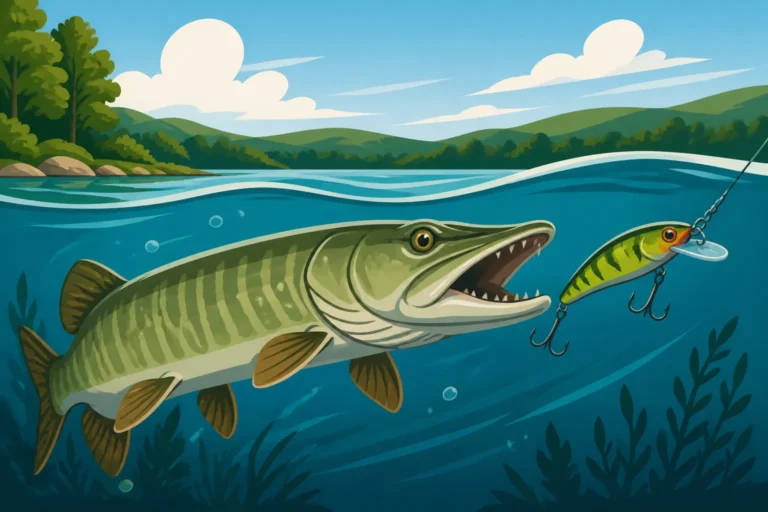
- Firetiger, Hot Orange, Chartreuse: In stained or murky water, these bright, aggressive patterns excel. Their high visibility makes them easy for muskies to spot. Firetiger, in particular, is a legendary muskie color across many lure types due to its versatility and high contrast. If you're fishing one of Indiana's larger reservoirs known for muskie, having a few firetiger crankbaits is a must. You can find a huge variety of these patterns on Amazon, often with detailed photos to help you pick the perfect match.
- Black/Dark Backs with Contrasting Bellies: Even in relatively clear water, a lure with a dark back and a lighter belly can create a powerful profile when viewed from below, especially on sunny days. This mimicry is often very effective.
Soft Plastics and Swimbaits
Soft plastics and large swimbaits are gaining popularity for muskie, offering a different presentation and feel.
- Realistic Baitfish Colors: For clear water, highly realistic soft plastics that mimic baitfish in color, texture, and action can be incredibly effective. Greens, browns, and grays with subtle glitter can imitate shiners or suckers.
- Solid Dark Colors: Much like bucktails, solid black or dark purple soft plastics are fantastic for creating a strong silhouette in stained water or low light. The subtle movement of the plastic combined with that distinct profile can be irresistible to a hungry muskie.
- Bright Accents: Sometimes, a natural colored swimbait with a bright chartreuse or orange tail can provide just enough pop to grab a muskie's attention without being overly aggressive. Consider slowly retrieving a large soft plastic over deep weed beds where muskies might be hiding. Best Muskie Fishing Lakes in Indiana
Lure Color Guide for Various Indiana Conditions
Here’s a quick reference table to help guide your lure color choices based on the conditions you encounter on your next Indiana muskie outing:
| Water Clarity | Light Conditions | Recommended Lure Colors | Why These Colors Work |
|---|---|---|---|
| Clear | Sunny/Bright | Natural Baitfish (perch, sucker), Chrome, Silver, White, Pearl, Blue/White | Mimics natural prey, high reflectivity, subtle flash. |
| Clear | Overcast/Low Light | Natural patterns with dark back, Black/Silver, Pearl/Blue, Dark Green | Creates contrast, visible profile without being overpowering. |
| Stained/Murky | Sunny/Bright | Firetiger, Chartreuse, Hot Orange, Gold Blades, Black/Orange | High visibility, strong contrast, vibrant colors penetrate low light. |
| Stained/Murky | Overcast/Low Light | Black, Purple, Dark Green, Black Blades, Dark Red/Black | Creates a strong silhouette, highly visible in very low light. |
| Night Fishing | Any | Black, Dark Purple, Dark Blue | Maximize silhouette against ambient light, even starlight. |
Remember, this table is a starting point. The true art of muskie fishing lies in paying attention to the details – what's the water telling you? What are the baitfish doing? What's the weather like? And then, being willing to adapt your approach, including your lure color, until you crack the code. Happy fishing out there!
Disclaimer
This article is for general informational purposes only and does not constitute professional advice. Laws, prices and regulations vary by location and change over time. Consult a qualified professional for guidance on your specific situation.