Is Yellow Perch Good to Eat?
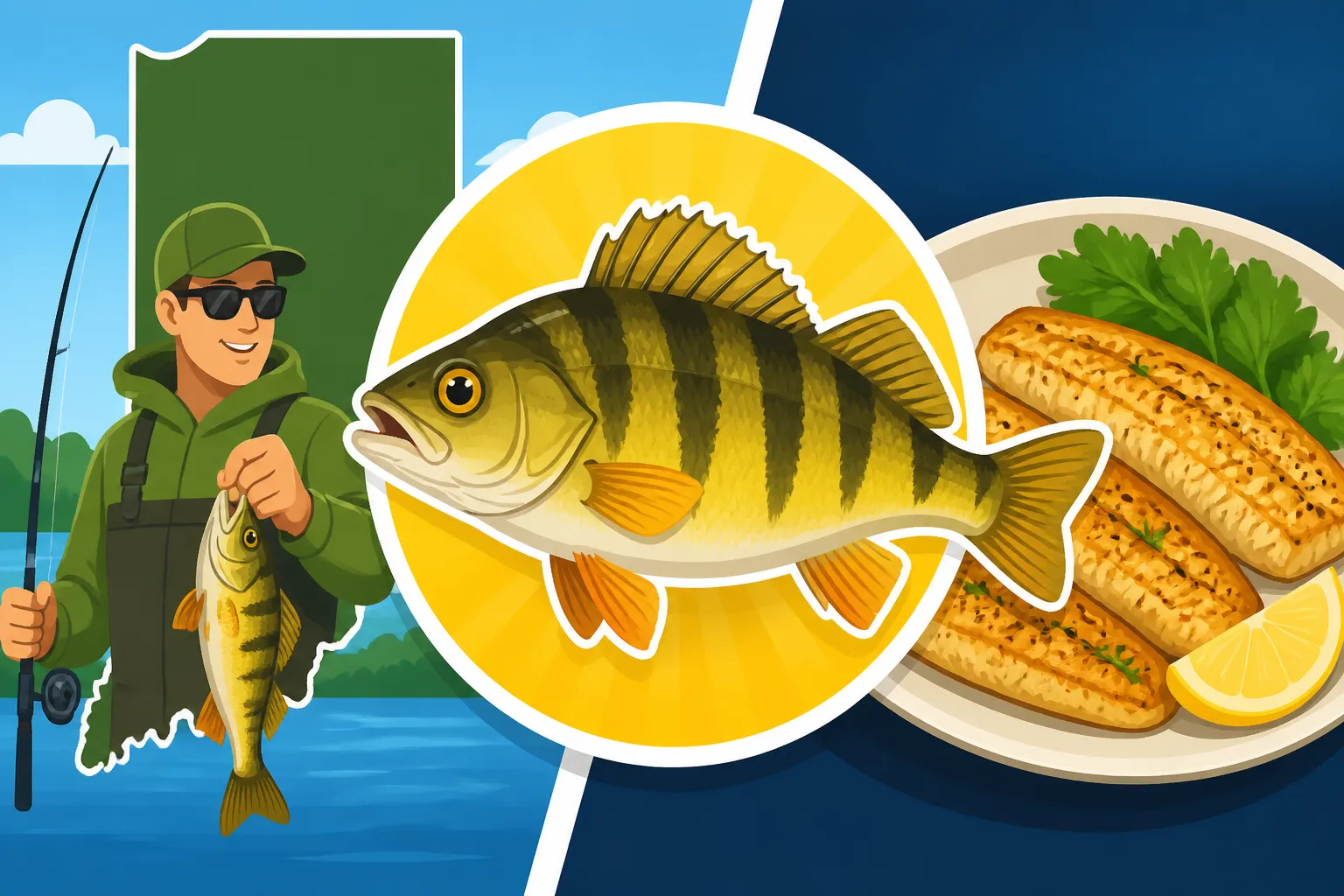
One of the most common questions I hear from fellow anglers, especially those new to Indiana's fantastic freshwater fishing scene, is about table fare. We catch them, we admire them, but then comes the crucial question: "Is this fish actually good to eat?" When it comes to yellow perch, you're looking at a true gem, a prized catch that consistently ranks among the most delicious freshwater fish. This guide will dive deep into why yellow perch is such a culinary delight, how to prepare it, and even a few tips on landing more of these tasty critters in Indiana's waters.
Why Yellow Perch is a Highly Prized Table Fish
Let's cut right to the chase: yellow perch is excellent table fare. Seriously, it’s one of the best out there, often lauded by chefs and home cooks alike for its delicate flavor and flaky texture. If you've ever heard someone rave about a "fish fry," chances are, yellow perch was at the heart of that delicious meal. It's not just a sport fish; it's a food fish, and a mighty fine one at that.
The Flavor Profile: Sweet, Flaky, and Mild
What makes yellow perch so universally loved? It boils down to its incredibly mild, sweet flavor. Unlike some other freshwater species that can carry a stronger, sometimes "muddy" taste, yellow perch boasts a clean, almost nutty sweetness that makes it incredibly appealing, even to those who claim not to be big fish eaters. The flesh is white, firm, and wonderfully flaky when cooked, practically melting in your mouth.
Think of it this way: if you're introducing someone to fish who's a bit hesitant, yellow perch is often the perfect ambassador. Its mildness means it doesn't overwhelm the palate, and its pleasant texture is far from rubbery or tough. It easily takes on the flavors of your seasonings without being masked. Whether you're a seasoned angler or someone just looking for a delicious meal from the lake, the yellow perch rarely disappoints. It’s simply a fantastic eating experience that brings people back to the water, or the fish counter, again and again. Yellow Perch: Indiana's Classic Panfish is a great resource if you want to learn more about this species.
Nutritional Benefits and Clean Eating
Beyond the delightful taste, yellow perch also offers a healthy option for your dinner plate. It’s a lean protein source, meaning it's relatively low in fat while still providing essential nutrients your body needs. Like many fish, it contains beneficial omega-3 fatty acids, which are great for heart health and brain function. When you're talking about fresh fish caught from clean Indiana waters, you're talking about a truly wholesome meal.
It's natural to wonder about the cleanliness of any fish you catch, and for yellow perch, the news is generally good. Indiana's waters are regularly monitored, and responsible fishing practices mean you're usually pulling up a healthy, clean specimen. The taste of your perch can actually be a good indicator of water quality – cleaner, colder waters tend to produce fish with an even milder flavor and firmer flesh. So, not only are you getting a delicious meal, but you're also making a nutritious choice straight from the source.
A Favorite for Families and Beginners
Yellow perch has earned its reputation not just for taste, but also for accessibility. It's often one of the first fish young anglers catch, making it a gateway to both the sport and the joy of eating your catch. Its smaller size means it's generally easier to handle for beginners, and when it comes to filleting, while it might seem intimidating at first, the relatively consistent shape of a perch makes it a good practice fish. Once you get the hang of it, you can quickly turn a good mess of perch into boneless fillets ready for the pan.
For families, having a fish that everyone enjoys is a huge win. The mild flavor of yellow perch makes it ideal for kids who might be finicky about "fishy" tastes. You can prepare it in so many kid-friendly ways – crispy fried nuggets, baked with a little butter and lemon, or even flaked into fish tacos. It encourages that full circle experience of catching, cleaning, and cooking, fostering an appreciation for where food comes from. It's a fish that truly brings people together around the dinner table, making memories long after the lines are cast.
Preparing Your Yellow Perch for the Pan
The journey from the lake to your plate involves a few crucial steps, and proper preparation is key to ensuring that delicious flavor shines through. Don't worry, it's not as complicated as it might sound, and with a little practice, you'll be a pro in no time. The goal is always to keep the fish fresh and clean, preserving that delicate taste we just raved about.
Field Dressing and Keeping Your Catch Fresh
The moment you catch a yellow perch, the clock starts ticking on freshness. The absolute best way to ensure top-notch flavor is to get your fish on ice as quickly as possible. Many anglers will "bleed" their catch immediately by making a small cut behind the gills, which helps improve the flavor and appearance of the fillets by removing blood from the flesh. While not strictly necessary for perch, it’s a good habit to get into.
After that, place your perch directly into a cooler filled with ice, not just cold water. The ice will rapidly chill the fish, slowing down any spoilage and firming up the flesh, which also makes filleting easier later. If you're on a long fishing trip, consider refreshing the ice as it melts. Never let your catch sit out in the sun or in a bucket of warm lake water if you intend to eat it. Proper care in the field is the first, and perhaps most important, step in guaranteeing a delicious meal.
Filleting Yellow Perch: A Step-by-Step Guide
Filleting a yellow perch might seem daunting if you've never done it, but it's a straightforward process that gets easier with practice. You'll need a sharp fillet knife – a dull knife is more dangerous and makes the job harder.
Here’s a basic breakdown:
- Lay the fish flat: Place the perch on its side on a clean cutting board, head pointing away from you.
- Cut behind the head: Make a cut behind the pectoral fin and gill plate, going down to the backbone, but don't cut through it.
- Run knife along the backbone: Turn your knife flat and run it along the backbone towards the tail, keeping the blade pressed against the bone. Use short, controlled strokes. You'll feel the ribs as you go.
- Remove the rib cage: Once you reach the tail, you can either cut the fillet off completely or leave a small piece attached to flip over. Now, carefully cut away the rib cage from the fillet, sliding your knife just under the bones.
- Remove the skin: Lay the fillet skin-side down. Hold the tail end firmly and slide your knife between the skin and the flesh, angling the blade slightly down towards the skin. Use a sawing motion while pulling the skin taut.
- Repeat on the other side: Flip the fish over and repeat the entire process for the second fillet.
You'll end up with two boneless, skinless fillets per fish. It might take a few tries to get perfectly clean fillets, but even imperfect ones will still be delicious! Discard the heads, bones, and guts responsibly.
Skin On or Skin Off?
When it comes to preparing yellow perch fillets, many anglers debate whether to leave the skin on or take it off. For yellow perch, the overwhelming consensus, and what you’ll find in most traditional recipes, is to remove the skin. Yellow perch skin is relatively thin and doesn't always crisp up as nicely as, say, salmon skin. More importantly, it can impart a slightly stronger "fishy" flavor that detracts from the delicate sweetness of the flesh.
Removing the skin also eliminates any tiny scales that might have been missed during cleaning, ensuring a completely smooth, pleasant eating experience. However, there are some niche preparations where very small perch might be fried whole, scaled but with the skin on, for a rustic, crispy treat. For most culinary applications and to fully appreciate the clean flavor of the fillet, going skinless is the way to go. This also makes the process of cutting out the tiny rib bones much easier.
Cooking Methods for Delicious Yellow Perch
Now for the fun part: turning those beautiful fillets into a mouth-watering meal! Yellow perch is incredibly versatile, but some cooking methods truly let its natural flavor shine.
Classic Pan-Frying: The Go-To Method
If there's one cooking method synonymous with yellow perch, it's pan-frying. This technique creates a wonderfully crispy exterior while keeping the delicate interior flaky and moist. It’s the quintessential fish fry experience, perfect for a casual dinner or a gathering with friends.
To pan-fry, you’ll typically coat your fillets in a seasoned breading. A simple dredge in flour seasoned with salt, pepper, garlic powder, and paprika works wonders. Many folks prefer a cornmeal-based breading for extra crunch. You can even find pre-made fish fry mixes on Amazon that are perfect for this. Heat a shallow amount of oil – like vegetable, canola, or peanut oil – in a heavy-bottomed skillet (cast iron is excellent) over medium-high heat until it shimmers. Carefully place the breaded fillets in the hot oil, ensuring not to overcrowd the pan. Fry for 2-4 minutes per side, depending on thickness, until golden brown and cooked through. The internal temperature should reach 145°F (63°C), but usually, a visual check for golden crispiness and flakiness will suffice. Serve immediately with a squeeze of lemon and your favorite tartar sauce.
Baking and Broiling for a Lighter Fare
While pan-frying is undeniably delicious, sometimes you're looking for a lighter, healthier option. Baking and broiling are fantastic alternatives that still highlight the perch's mild flavor without the added oil. These methods are also great for preparing larger batches of fillets at once.
For baking, preheat your oven to around 400°F (200°C). Arrange your fillets in a single layer on a lightly greased baking sheet. You can season them simply with salt, pepper, and a dash of herbs like dill or parsley, or add a light breadcrumb topping for a touch of crunch. A pat of butter or a drizzle of olive oil over each fillet will help keep them moist. Bake for 10-15 minutes, or until the fish flakes easily with a fork. For broiling, place your seasoned fillets under a preheated broiler for 5-7 minutes, keeping a close eye on them to prevent burning. Broiling gives the fish a lovely browned crust. Both methods result in a tender, flavorful fillet that pairs wonderfully with roasted vegetables or a fresh salad.
Grilling and Other Creative Preparations
Don't limit yourself to just frying or baking! Yellow perch can also be a star on the grill, especially if you handle them carefully. Because the fillets are delicate, grilling them directly on the grates can be tricky, as they might stick or break apart. The best approach is often to use a grill basket or wrap them in foil packets.
For foil packets, toss your perch fillets with some chopped vegetables (like bell peppers, onions, or zucchini), a little butter or olive oil, and your favorite seasonings – perhaps some Old Bay or a lemon-herb blend. Seal the foil tightly and grill over medium heat for 12-18 minutes, or until the fish is cooked through and the vegetables are tender. This method infuses the fish with smoky flavor and keeps it incredibly moist. Beyond grilling, consider flaking cooked perch into fish tacos with a vibrant slaw, or even making crispy fish sandwiches. Its mild flavor lends itself well to many culinary adventures.
Finding and Catching Yellow Perch in Indiana
Now that your mouth is watering, let’s talk about how to get these delectable fish into your cooler! Yellow perch are widely distributed across Indiana, and targeting them can be a fun and rewarding experience for anglers of all skill levels.
Where to Target Yellow Perch in the Hoosier State
Yellow perch thrive in a variety of Indiana's waters, but you'll generally find them most abundantly in our larger natural lakes and some of the bigger reservoirs. They prefer cooler, clearer waters, often congregating around submerged structures, weed lines, drop-offs, and deep flats.
Many of Indiana's glacial lakes in the northern part of the state are fantastic for perch. Lakes like Lake Wawasee, Lake James, and other bodies of water in Kosciusko and Steuben counties are prime locations. Even some of the larger reservoirs further south, like Patoka Lake or Monroe Lake, can hold good populations, especially in the deeper, open water sections. When you’re out on the water, look for schools of baitfish, as perch are opportunistic predators that will follow their food source. Public fishing piers, boat ramps, and even accessible shorelines can offer great opportunities to catch perch. For a more detailed look, check out Indiana's Best Lakes for Yellow Perch Fishing.
Best Bait and Tackle for Perch
Yellow perch aren't typically shy, which makes them a great target for both experienced and novice anglers. They have relatively small mouths, so your bait and lure choices should reflect that. Light tackle is key to maximizing the fun and feel of the bite.
For bait, live offerings are often the most effective. Small minnows, especially fatheads or shiners, are perennial favorites. You can hook them through the lip or just behind the dorsal fin. Worms, particularly small pieces of nightcrawlers or red wigglers, are also deadly. Small pieces of cut bait can work too. As for artificials, tiny jigs tipped with a waxworm or a small soft plastic grub are incredibly effective. A simple jigging spoon worked vertically can also entice bites, especially when the fish are schooling. When selecting gear, think ultralight spinning combos – a sensitive rod and a small reel spooled with light monofilament or fluorocarbon line (4-6 lb test) will allow you to feel those subtle perch bites. Many anglers also find great deals on appropriate ultralight setups and a variety of small jigs on Amazon.
Here's a quick comparison of popular perch fishing setups:
| Setup Type | Rod Action & Length | Line Weight (Mono/Fluoro) | Bait/Lure Examples | Target Depth |
|---|---|---|---|---|
| Spinning Combo | Ultralight, 5'6" – 6'6" | 4-6 lb | Small minnows, pieces of worm, micro jigs, soft plastics | Versatile |
| Ice Fishing Rod | Ultralight, 24" – 30" | 2-4 lb | Waxworms, small spoons, tungsten jigs, minnows | Deep holes, structure |
| Bobber Fishing | Light to Ultralight, 6' – 7' | 4-6 lb | Worms, crickets, small minnows | Shallow to mid-depth |
This table provides a snapshot, but remember, experimentation is always part of the fishing fun! Don't forget to review Panfish Daily Limit in Indiana: 25 per Species before you head out.
Seasonal Considerations for Perch Fishing
Yellow perch can be caught year-round in Indiana, but their behavior and preferred locations will shift with the seasons, largely dictated by water temperature. Understanding these seasonal patterns can greatly increase your success rate.
- Spring: As ice melts and water temperatures begin to rise, perch move into shallower areas to spawn. They'll often be found around submerged vegetation and structure in 5-15 feet of water. This can be a fantastic time for shore anglers.
- Summer: During the warmer months, perch often retreat to deeper, cooler water. Look for them along drop-offs, around offshore humps, or near the thermocline (the layer where warm surface water meets cooler deep water). Early morning and late evening bites can be best.
- Fall: As water temperatures cool down, perch become very active, feeding heavily in preparation for winter. They'll often school up in large numbers and can be found in a mix of depths, often moving closer to shore in the mornings and evenings. This is a prime time for consistent action.
- Winter (Ice Fishing): Yellow perch are a top target for ice anglers in Indiana. They'll school tightly in deeper basins or near structure, making them relatively easy to locate with a fish finder once you're over them. Small jigs and spoons tipped with bait are incredibly effective through the ice.
No matter the season, remember that yellow perch are schooling fish. If you catch one, there are likely many more nearby! Adjust your depth, bait, and location based on the conditions, and you'll be well on your way to catching a delicious meal.
Disclaimer
This article is for general informational purposes only and does not constitute professional advice. Laws, prices and regulations vary by location and change over time. Consult a qualified professional for guidance on your specific situation.